The critical role of GRP78/BiP MARylation in ER stress of KRAS-mutant colorectal cancer
Shuxian Zhang, Xiaodan Chen, Qian Gong, Jing Huang, Yi Tang, Ming Xiao, Ming Li, Qingshu Li, Yalan Wang

TL;DR
This study explores how a specific protein modification helps KRAS-mutant colorectal cancer cells survive and suggests targeting this process could lead to new treatments.
Contribution
The study identifies a novel role for MARylated GRP78/BiP in maintaining ER stability in KRAS-mutant CRC cells.
Findings
KRAS mutations increase ART1, ER stress, and MARylated GRP78/BiP levels in CRC cells.
Inhibiting MARylated GRP78/BiP disrupts ER stress pathways and promotes apoptosis in KRAS-mutant CRC cells.
KRAS-mutant CRC cells are more sensitive to MARylated GRP78/BiP inhibition due to higher ER stability needs.
Abstract
Nearly 50% of patients with KRAS-mutant colorectal cancer (CRC) currently lack effective targeted therapy. The accumulation of KRAS-mutant proteins can trigger a sustained high level of endoplasmic reticulum (ER) stress, and the UPR-based long-term protective regulatory pathway inhibits the aggregation of unfolded proteins, thereby maintaining the stability of the ER and enabling the continued survival of KRAS-mutant tumors. However, the critical factors that affect the regulation of ER homeostasis in KRAS-mutant CRC are still unclear. Mono-ADP ribosylation (MARylation) catalyzed by ART1 is the most important modification of GRP78/BiP and stabilizes the internal environment of the ER. In this study, KRAS mutation increased the levels of ART1, ER stress, and MARylated GRP78/BiP in CRC cells. Inhibiting MARylated GRP78/BiP can impede the downstream IRE1α/XBP1/TFAF2/JNK and PERK/eIF2α/ATF4…
Genes, proteins, chemicals, diseases, species, mutations and cell lines named across the full text — each resolved to its canonical identifier and authoritative record.
Click any figure to enlarge with its caption.
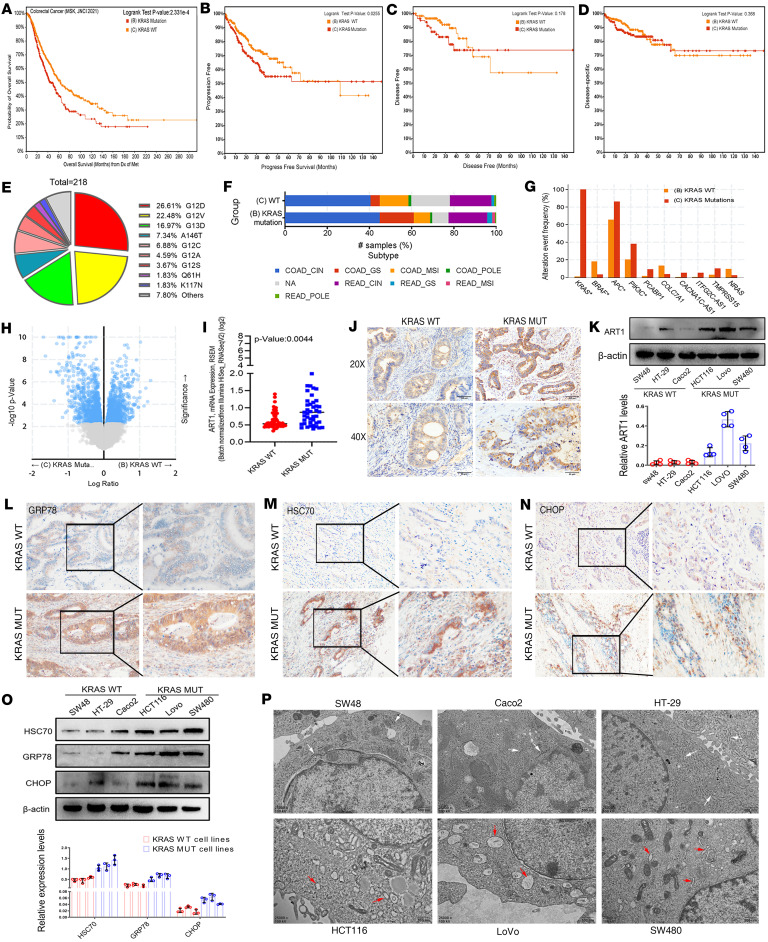 Figure 1
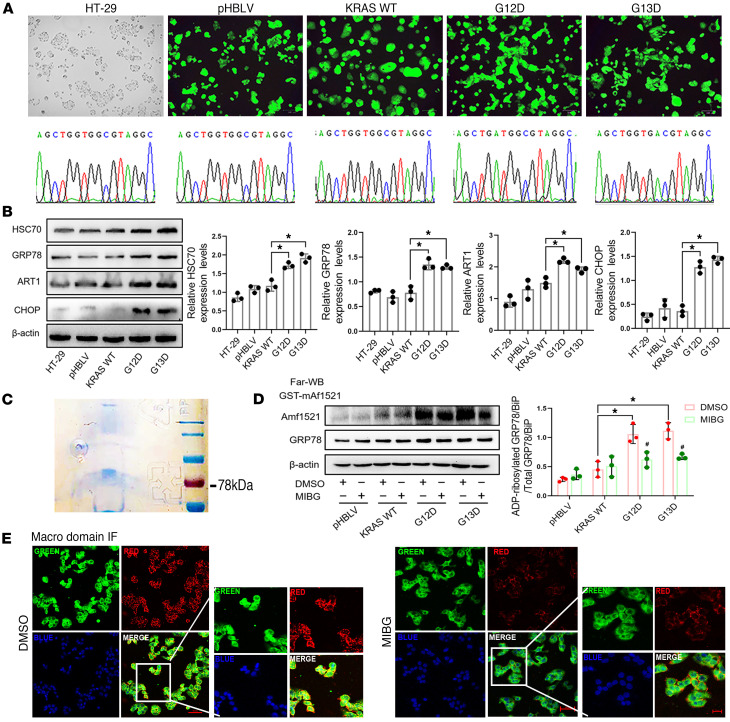 Figure 2
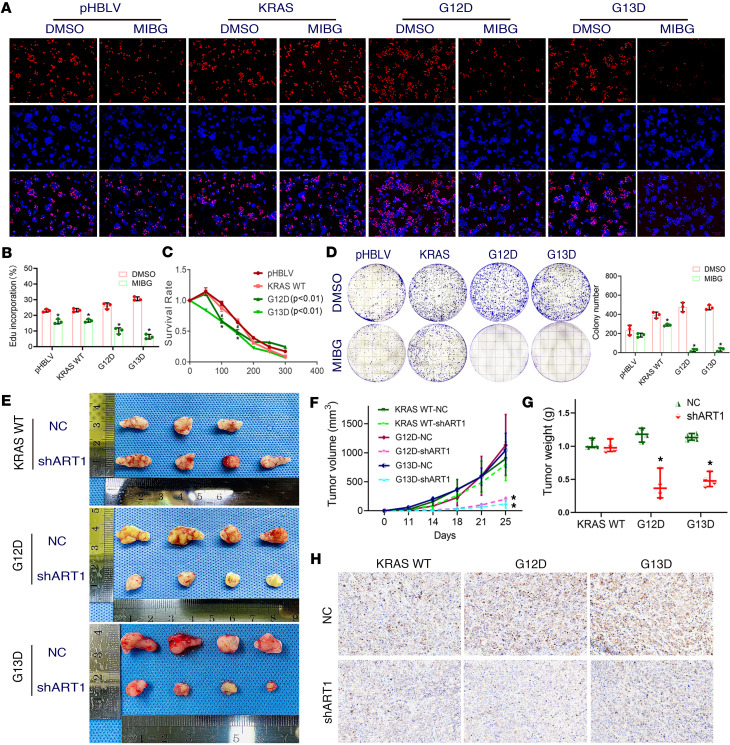 Figure 3
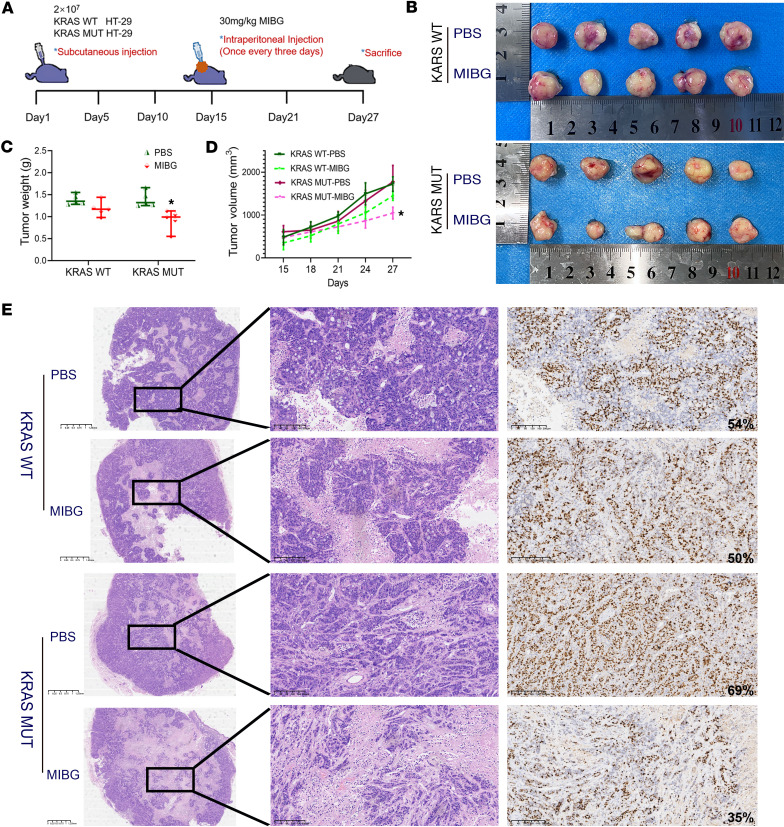 Figure 4
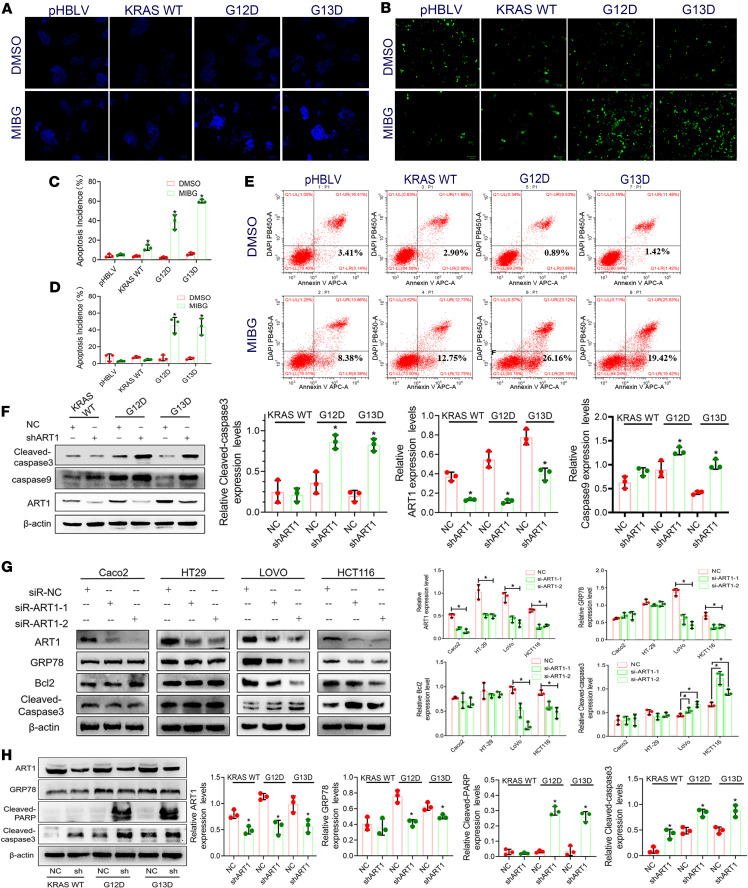 Figure 5
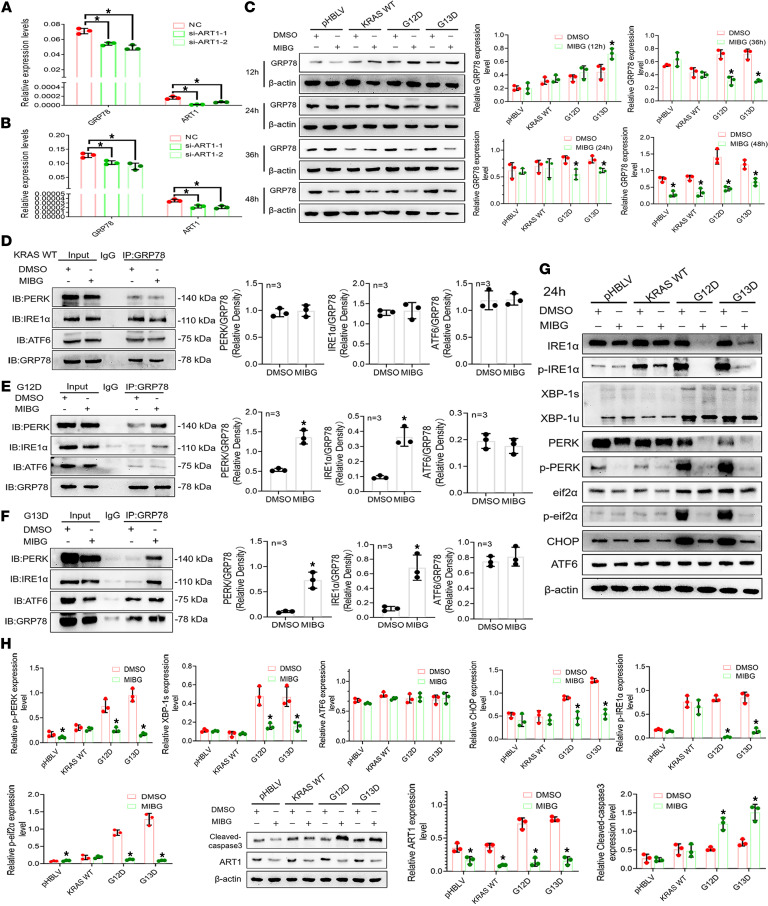 Figure 6
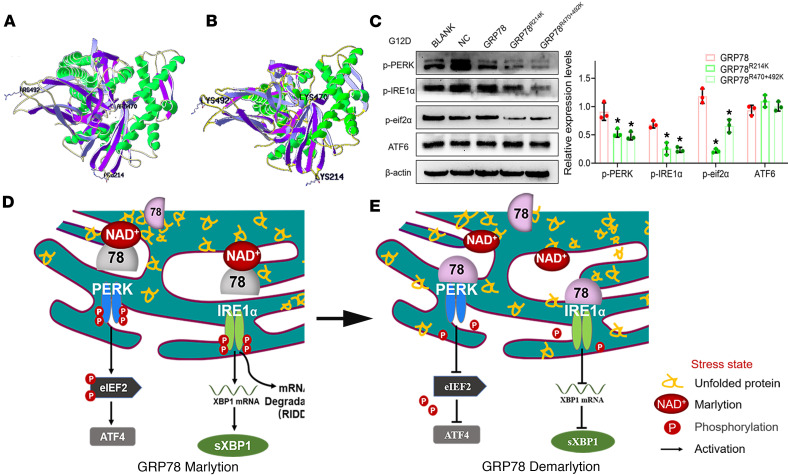 Figure 7
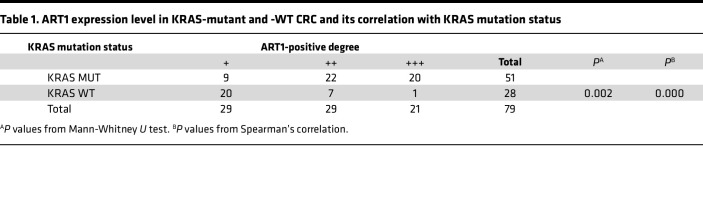 Figure 8
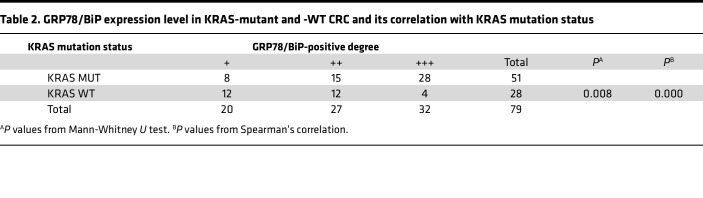 Figure 9
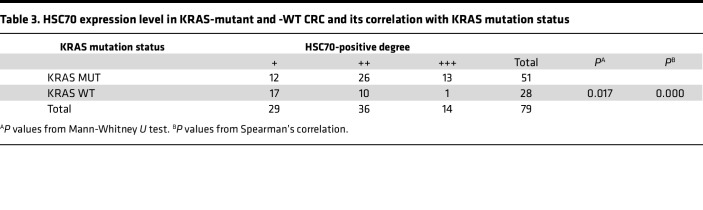 Figure 10
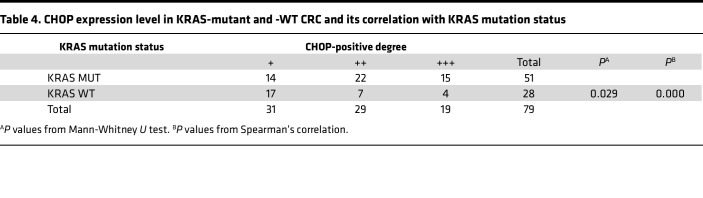 Figure 11
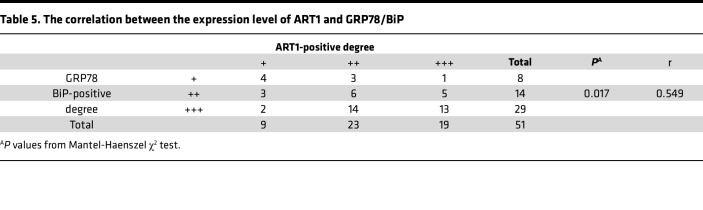 Figure 12
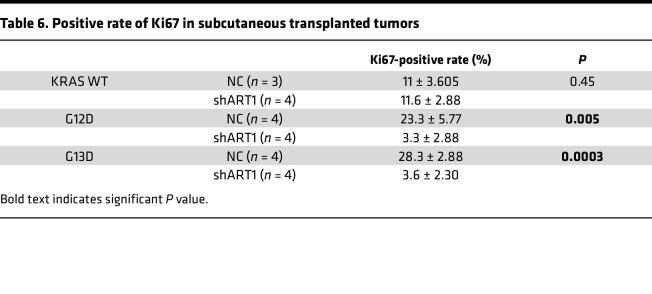 Figure 13
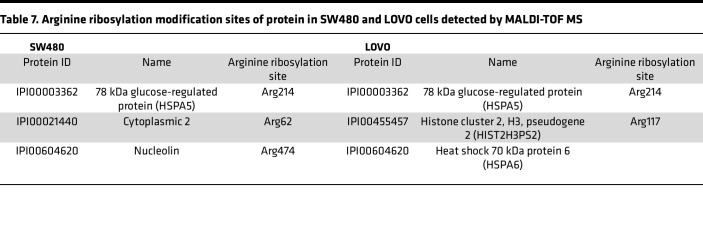 Figure 14
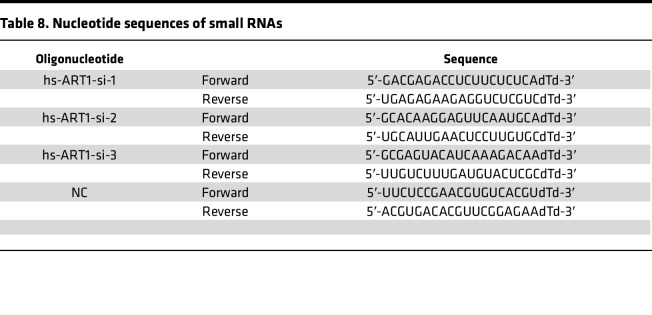 Figure 15
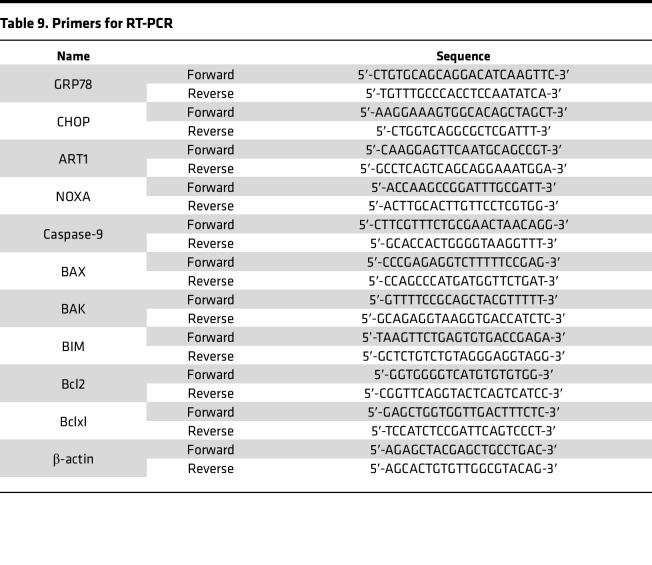 Figure 16
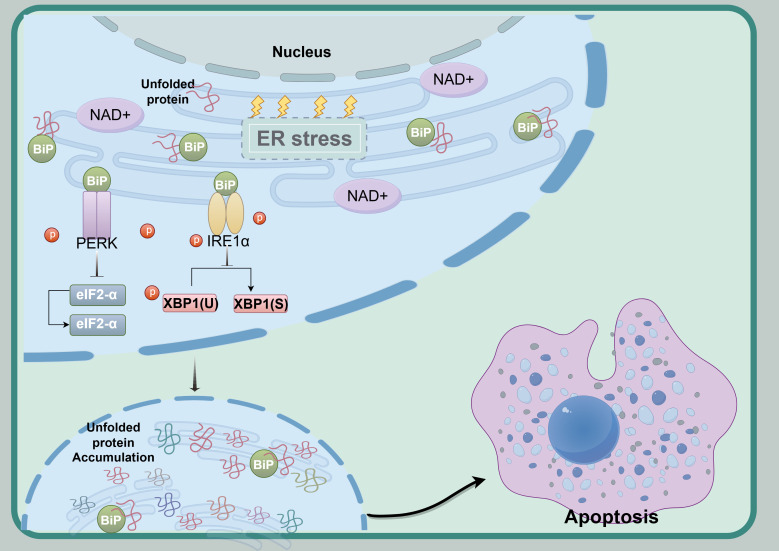 Figure 17
Peer Reviews
No public reviews on file for this paper yet. If you reviewed it on a platform where reviews are public (OpenReview, ICLR, NeurIPS, ICML), you can paste yours below so the community can read it here.
Videos
No videos yet. Explain this paper in a talk, walkthrough, or lecture? Add one.
Taxonomy
TopicsEndoplasmic Reticulum Stress and Disease · Cellular transport and secretion · PARP inhibition in cancer therapy