EGFR-mutant transformed small cell lung cancer harbors intratumoral heterogeneity targetable with MEK inhibitor combination therapy
Atsuko Ogino, Amir Vajdi, Xinmeng Jasmine Mu, Navin R. Mahadevan, Kenneth Ngo, Matthew A. Booker, Paloma Cejas, Jeffrey J. Okoro, Man Xu, Benjamin F. Springer, Benjamin K. Eschle, Cameron M. Messier, Stephen Wang, Sudeepa Syamala, Rubii M. Tamen, Anika E. Adeni

TL;DR
EGFR-mutant transformed small cell lung cancer has mixed cell types that respond differently to treatment, and combining MEK inhibitors with chemotherapy could be an effective strategy.
Contribution
The study identifies intratumoral heterogeneity in EGFR-mutant transformed SCLC and proposes MEK inhibitor combination therapy as a novel treatment approach.
Findings
EGFR-mutant transformed SCLC contains distinct neuroendocrine and non-neuroendocrine cell subsets.
Non-neuroendocrine cells are selectively sensitive to MEK inhibitors.
Combining MEK inhibitors with chemotherapy inhibits growth of both cell types in vitro and in vivo.
Abstract
Small cell lung cancer (SCLC) transformation is an incompletely characterized mechanism of resistance to epidermal growth factor receptor tyrosine kinase inhibitors (EGFR-TKIs) in EGFR-mutant cancers, limiting development of optimal treatment approaches. Through single-cell RNA sequencing of malignant pleural effusions from patients who underwent SCLC transformation, we identified heterogeneity and diversity, including distinct neuroendocrine (NE) and mesenchymal non-NE cancer cell subsets, which were maintained in patient-derived cell lines. We demonstrate that EZH2 regulates EGFR expression in NE cells where EGFR expression is silenced at baseline. Although neither epigenetic derepression nor exogenous overexpression of mutant EGFR sensitized the cells to EGFR inhibition, non-NE cells exhibited selective sensitivity to MEK inhibitors. Combined MEK inhibitor and chemotherapy…
Genes, proteins, chemicals, diseases, species, mutations and cell lines named across the full text — each resolved to its canonical identifier and authoritative record.
Click any figure to enlarge with its caption.
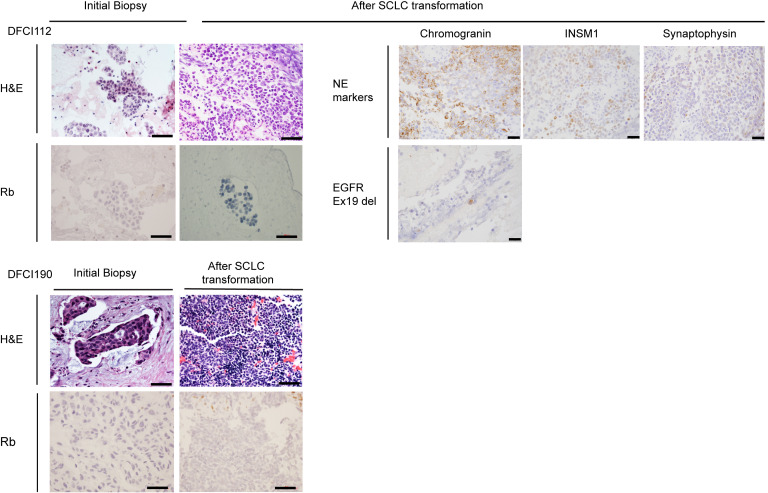 Figure 1
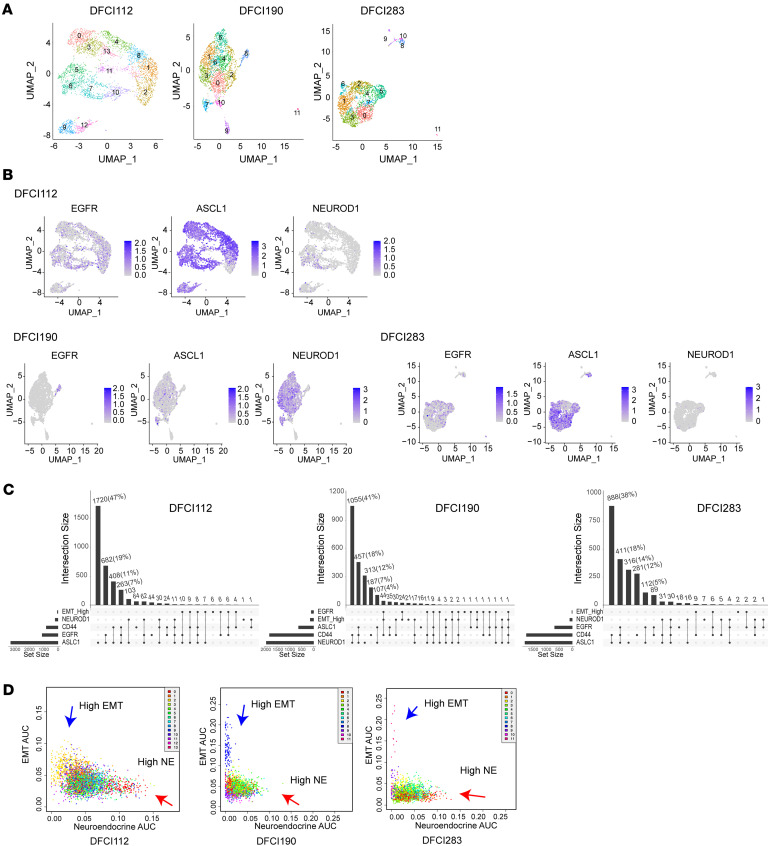 Figure 2
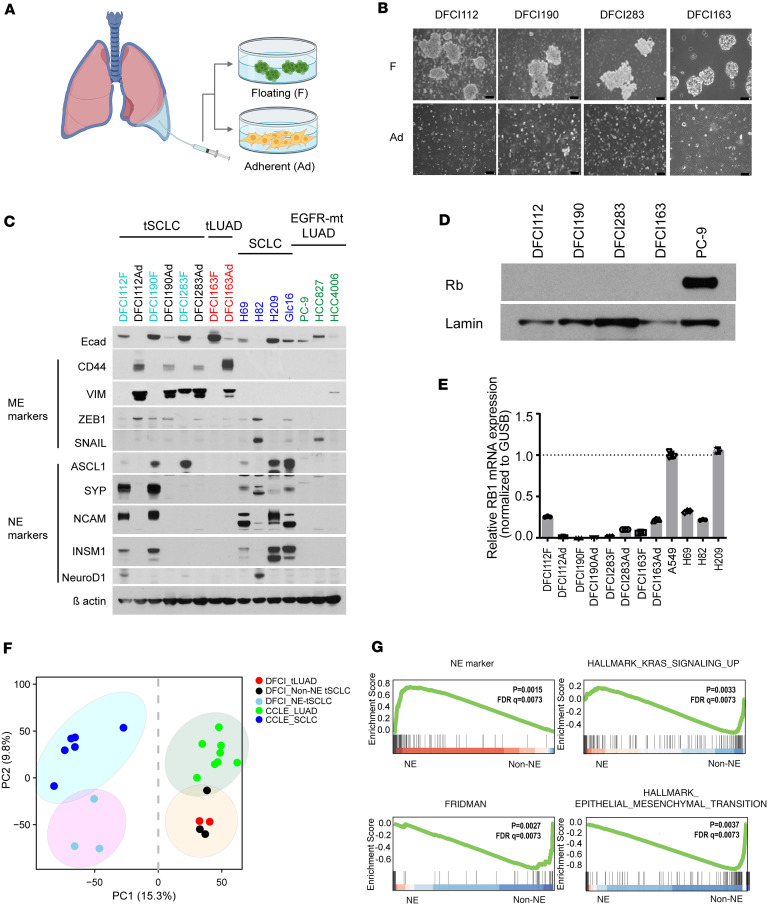 Figure 3
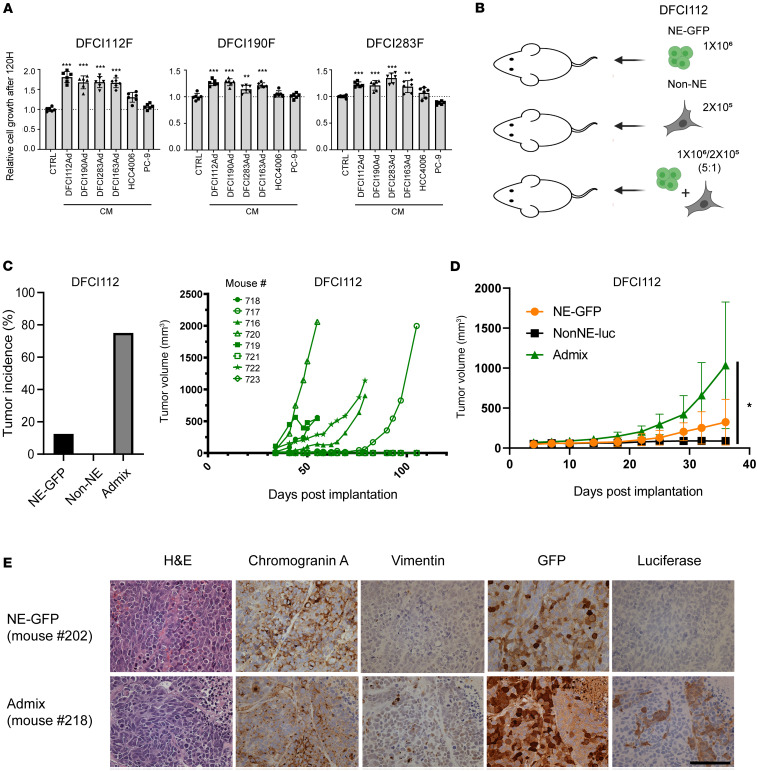 Figure 4
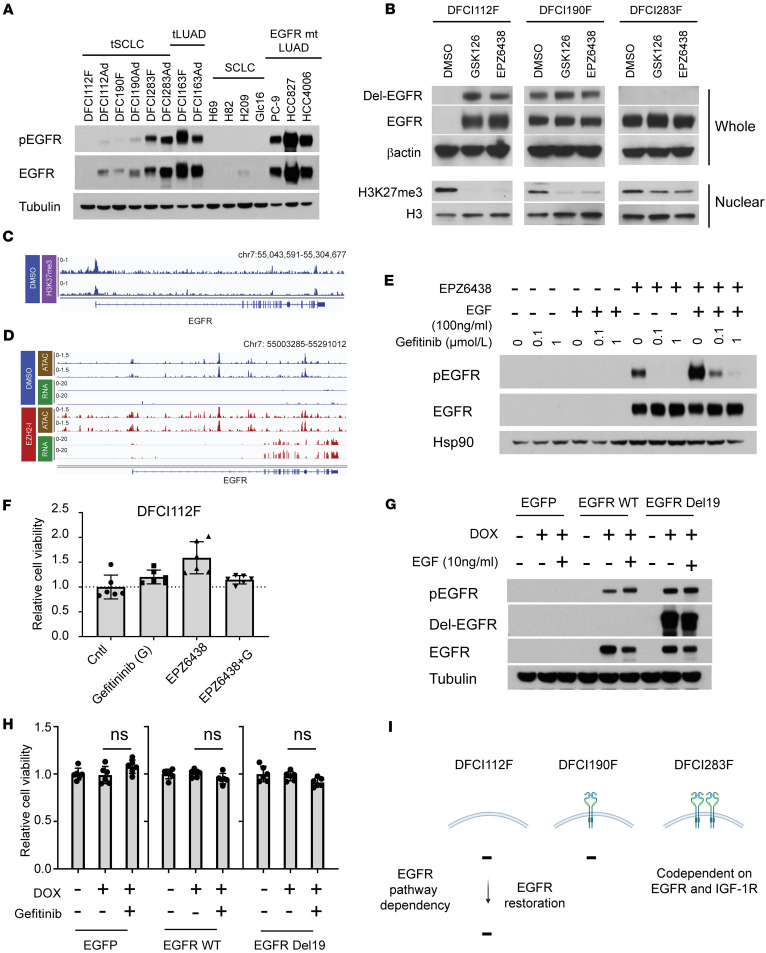 Figure 5
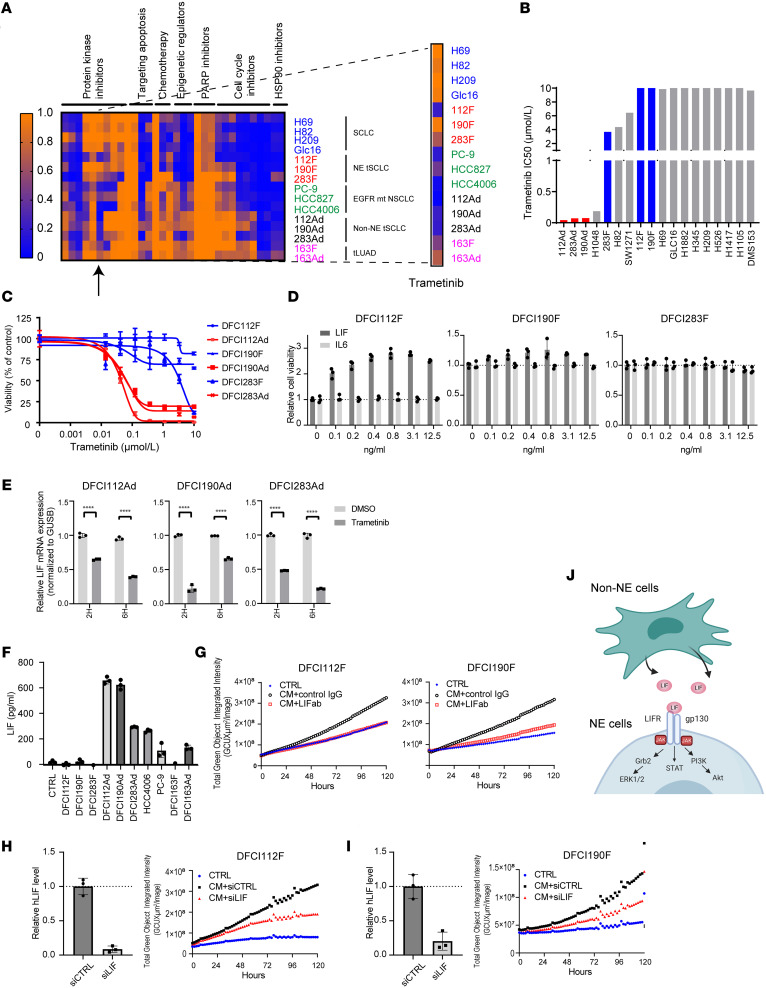 Figure 6
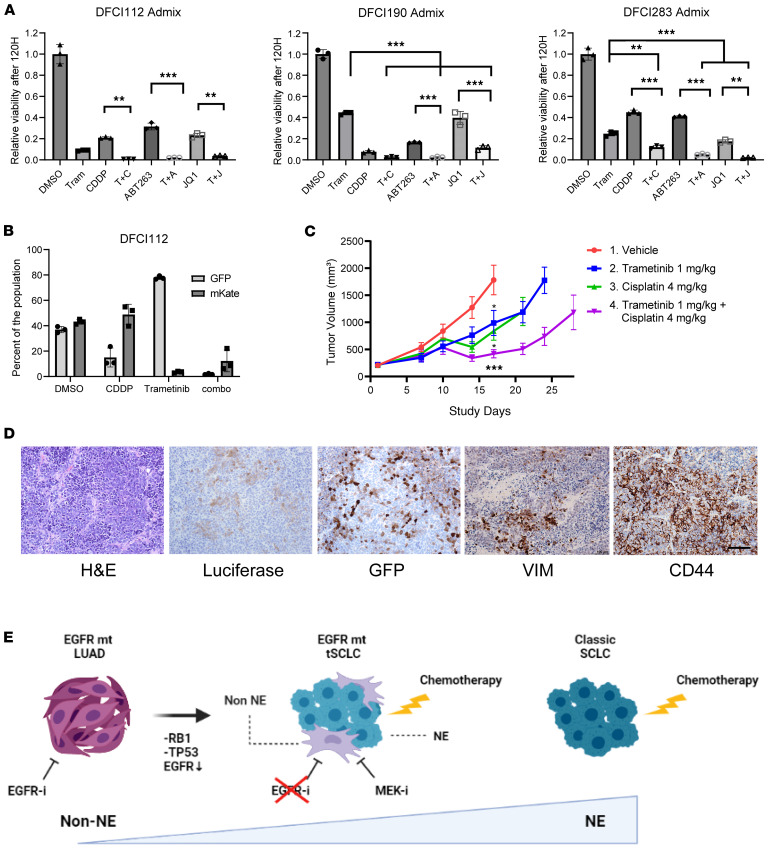 Figure 7
Peer Reviews
No public reviews on file for this paper yet. If you reviewed it on a platform where reviews are public (OpenReview, ICLR, NeurIPS, ICML), you can paste yours below so the community can read it here.
Videos
No videos yet. Explain this paper in a talk, walkthrough, or lecture? Add one.
Taxonomy
TopicsLung Cancer Research Studies · Lung Cancer Treatments and Mutations · Chromatin Remodeling and Cancer