Small molecule inhibition rescues the skeletal dysplasia phenotype of Trpv4 mutant mice
Lisette Nevarez, Taylor K. Ismaili, Jennifer Zieba, Jorge Martin, Davis Wachtell, Derick Diaz, Jocelyn A. Ramirez, Valeria Aceves, Joshua Ito, Ryan S. Gray, David Goldstein, Sunil Sahdeo, Deborah Krakow, Daniel H. Cohn

TL;DR
A drug inhibiting the TRPV4 calcium channel improves skeletal abnormalities in mice with a genetic disorder causing short stature and scoliosis.
Contribution
The study demonstrates that TRPV4 inhibition is a potential therapeutic strategy for TRPV4-related skeletal dysplasias.
Findings
Inhibiting TRPV4 with GSK2798745 improved skeletal abnormalities in mutant mice.
TRPV4 mutations disrupt endochondral ossification and chondrocyte development.
Calcium signaling pathways are affected in TRPV4 skeletal dysplasias.
Abstract
The TRPV4 skeletal dysplasias are characterized by short stature, short limbs with prominent large joints, and progressive scoliosis. They result from dominant missense mutations that activate the TRPV4 calcium permeable ion channel. As a platform to understand the mechanism of disease and to test the hypothesis that channel inhibition could treat these disorders, we developed a knock-in mouse that conditionally expresses the p.R594H Trpv4 mutation. Embryonic, chondrocyte-specific induction of the mutation using Col2a1-Cre resulted in a skeletal dysplasia affecting the long bones, spine, and craniofacial skeletal elements, consistent with the human skeletal dysplasia phenotypes produced by TRPV4 mutations. Cartilage growth plate histological abnormalities included disorganized proliferating chondrocyte columns and reduced hypertrophic chondrocyte development, reflecting abnormal…
Genes, proteins, chemicals, diseases, species, mutations and cell lines named across the full text — each resolved to its canonical identifier and authoritative record.
Click any figure to enlarge with its caption.
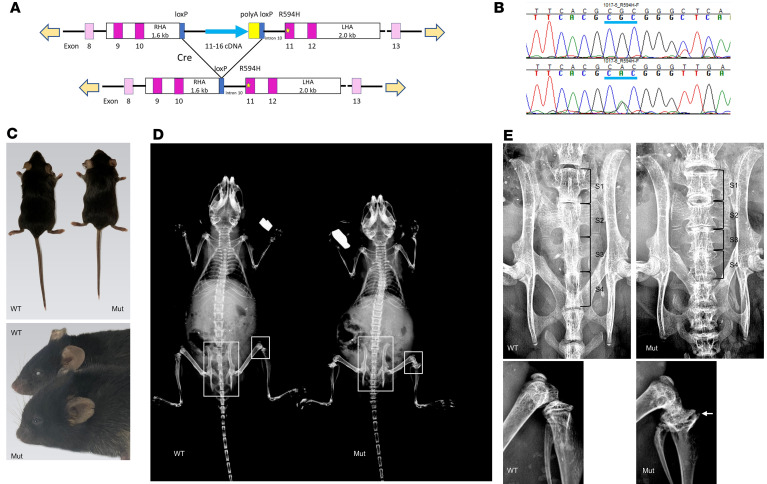 Figure 1
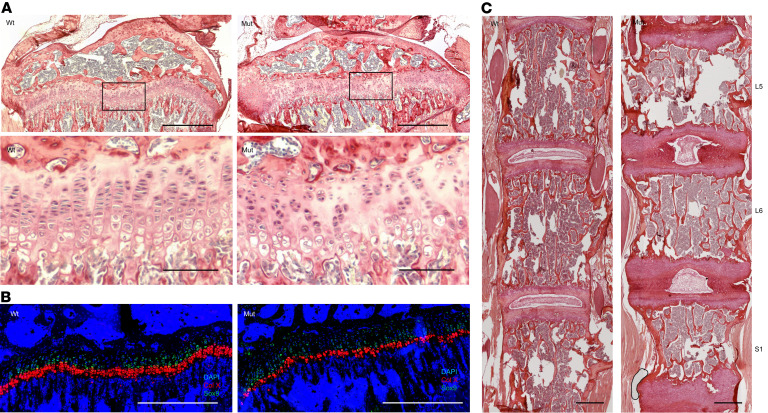 Figure 2
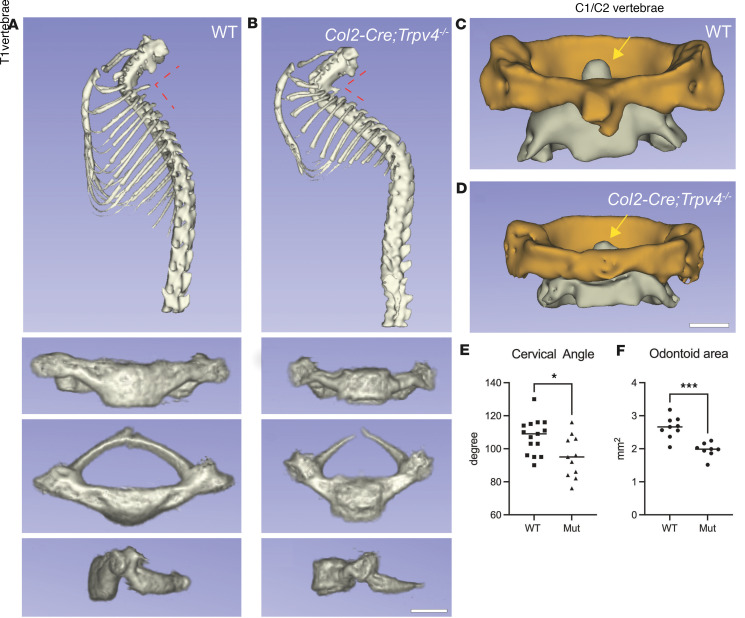 Figure 3
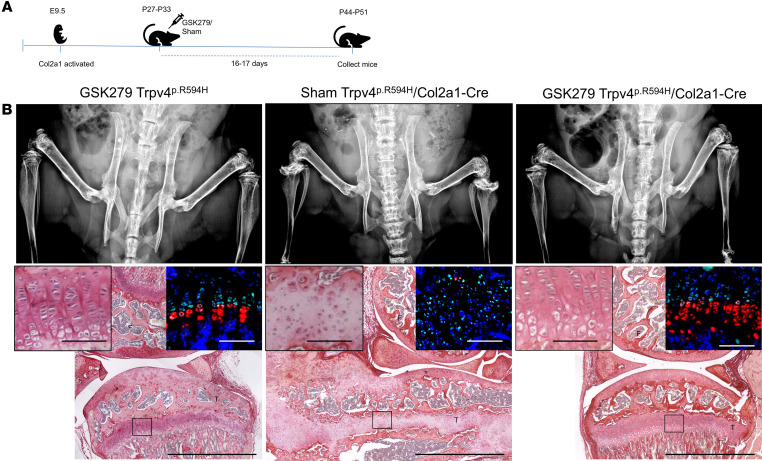 Figure 4
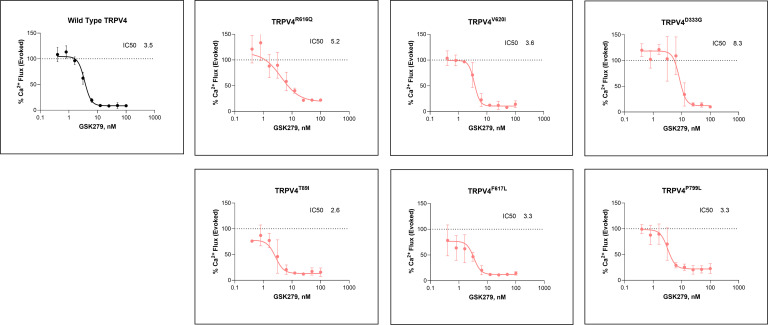 Figure 5
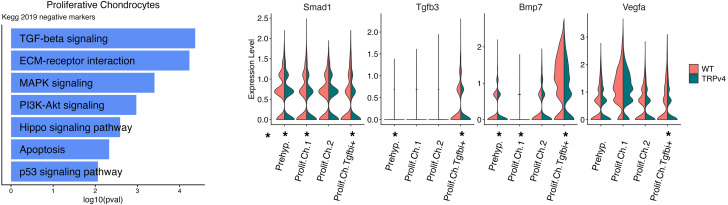 Figure 6
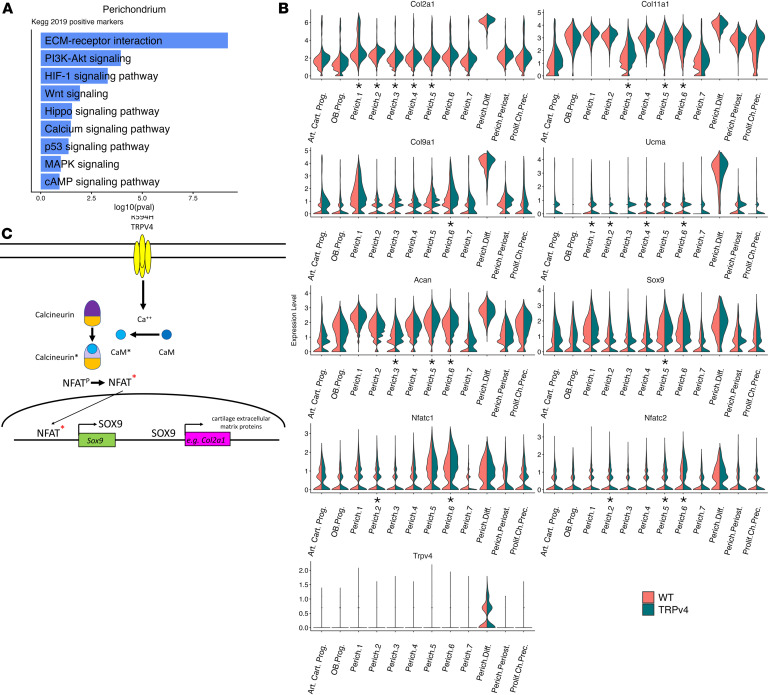 Figure 7
Peer Reviews
No public reviews on file for this paper yet. If you reviewed it on a platform where reviews are public (OpenReview, ICLR, NeurIPS, ICML), you can paste yours below so the community can read it here.
Videos
No videos yet. Explain this paper in a talk, walkthrough, or lecture? Add one.
Taxonomy
TopicsIon Channels and Receptors · Protein Tyrosine Phosphatases · Osteoarthritis Treatment and Mechanisms