Fasciolosis, a foodborne zoonotic trematode infection in cattle in Bangladesh: multifaceted validation of parthenogenecity and anthelmintic efficacy
Haydar Ali, Shahadat Hossain, Sharmin Shahid Labony, Aminul Islam, Mohammad Mehedi Hasan, Anita Rani Dey, Mahmudul Alam, Abu Hadi Noor Ali Khan, Abdul Alim, Anisuzzaman

TL;DR
This study confirms the presence of parthenogenic Fasciola in cattle in Bangladesh and shows that only two drugs are effective against them, highlighting public health risks.
Contribution
Unambiguous proof of parthenogenic Fasciola in Bangladesh and evaluation of anthelmintic drug efficacy against them.
Findings
Parthenogenic Fasciola constitutes 68.3% of the Fasciola population in Bangladesh.
Nitroxynil and oxyclozanide effectively kill both spermic and parthenogenic Fasciola.
Triclabendazole resistance is confirmed through mutations in the carboxylesterase B gene.
Abstract
Parthenogenic Fasciola (Trematoda: Fasciolidae) flukes have been developed by the hybridization of Fasciola hepatica and Fasciola gigantica. They are aspermic (asF) but capable of clonal expansion through parthenogenesis and are spreading rapidly throughout the globe. Here, we unambiguously prove the occurrence of parthenogenic Fasciola in cattle in Bangladesh, along with their ex vivo culture protocol and anthelmintic efficacy. By employing multiple conventional and molecular tools, we confirmed the presence of both the spermic F. gigantica (sFg) (31.7%; 814/2575) and asF (68.3%; 1761/2575) in Bangladesh. Both the adult sFg and asF survived well in DMEM supplemented with 20% bovine serum and 20% bovine bile. Using a DMEM-based ex vivo culture protocol, we found that nitroxynil (NTX) and oxyclozanide (OCZ) efficiently killed both sFg and asFg in a concentration and time-dependent…
Genes, proteins, chemicals, diseases, species, mutations and cell lines named across the full text — each resolved to its canonical identifier and authoritative record.
Click any figure to enlarge with its caption.
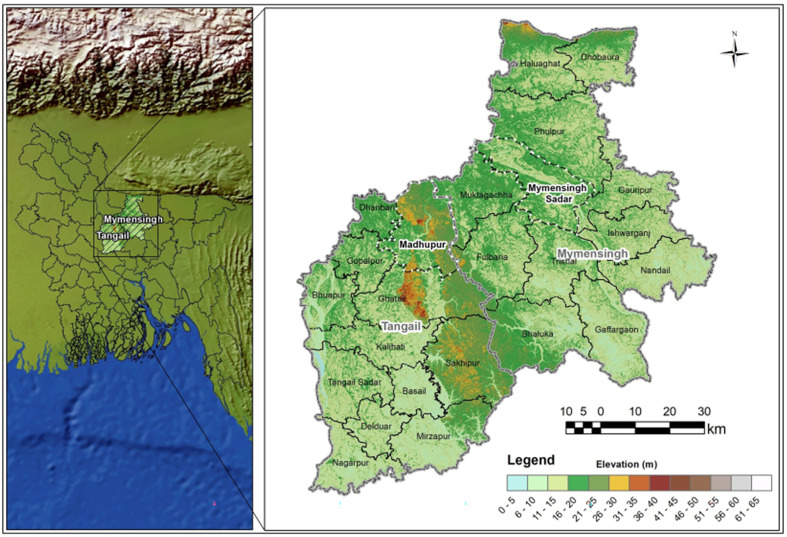 Figure 1
 Figure 1
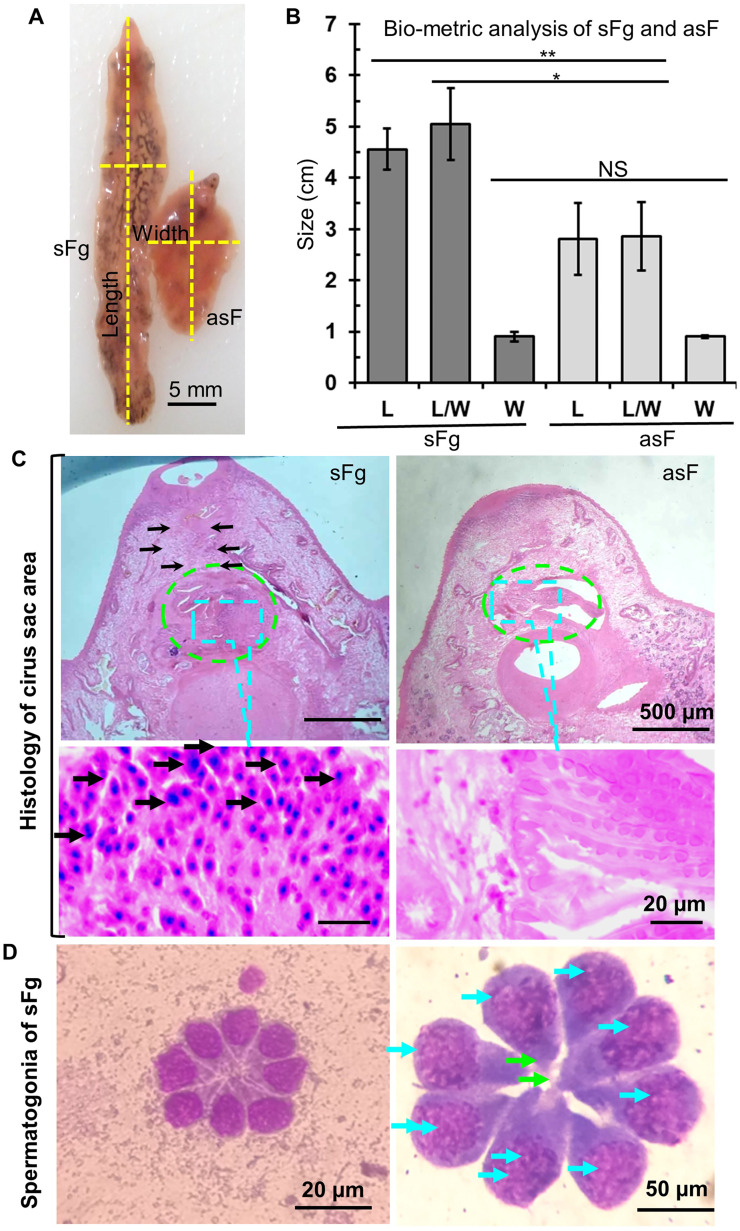 Figure 2
 Figure 2
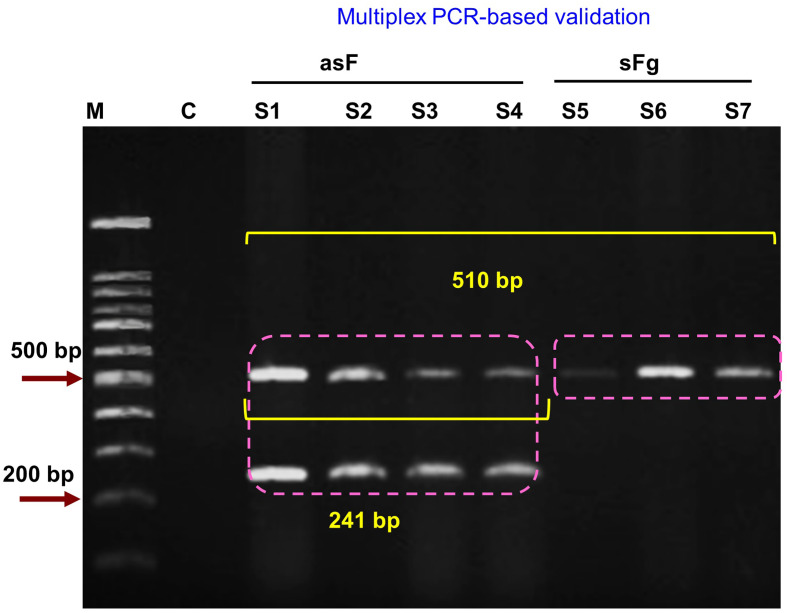 Figure 3
 Figure 3
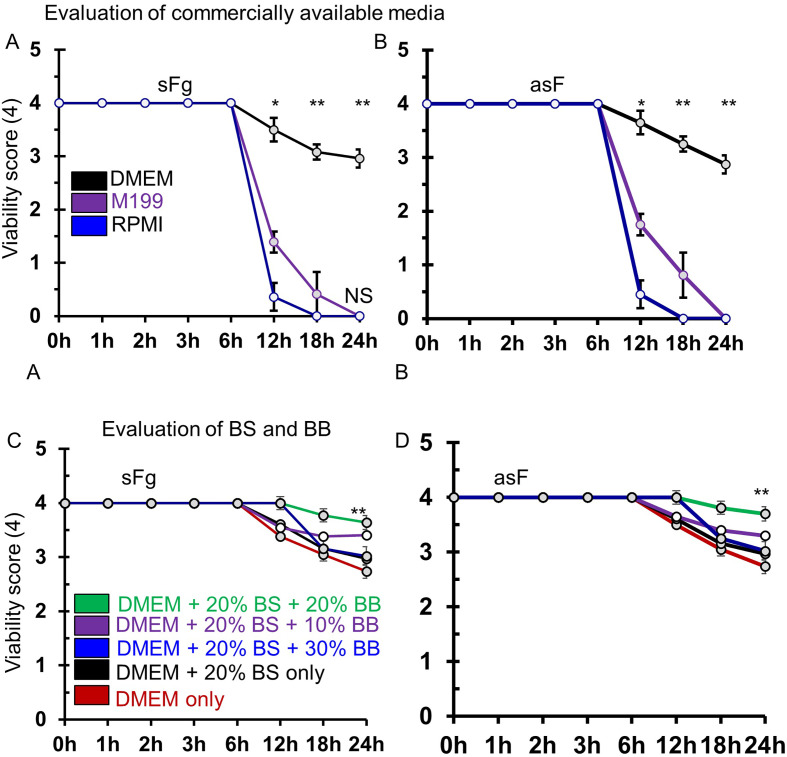 Figure 4
 Figure 4
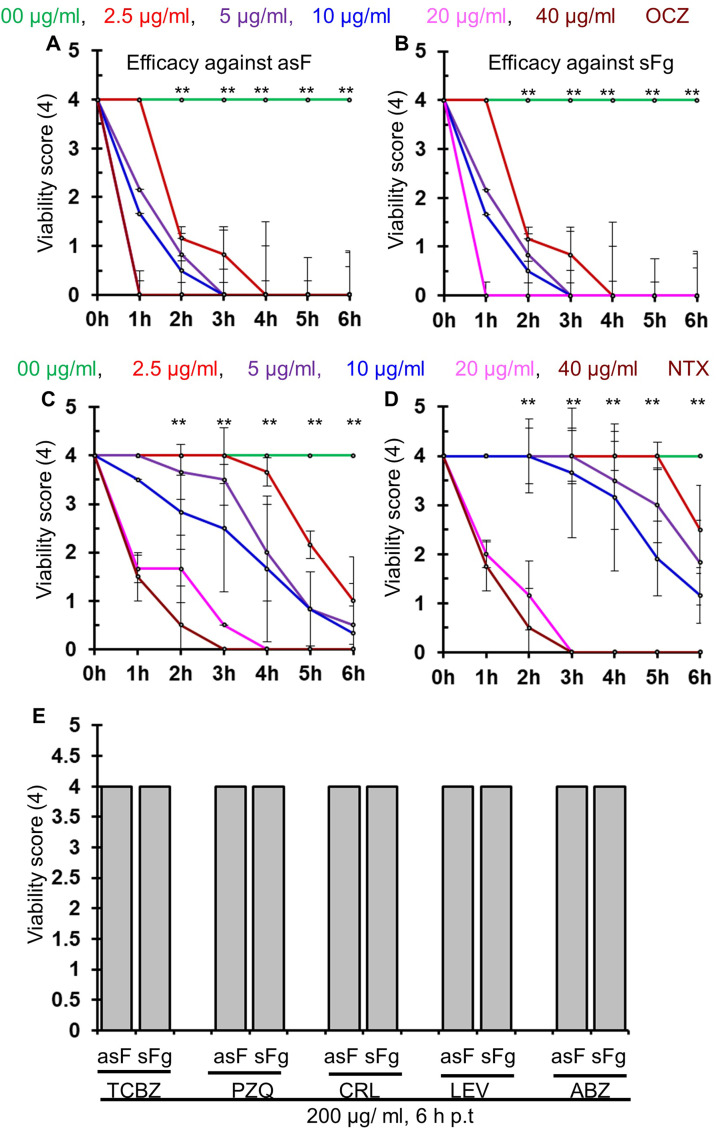 Figure 5
 Figure 5
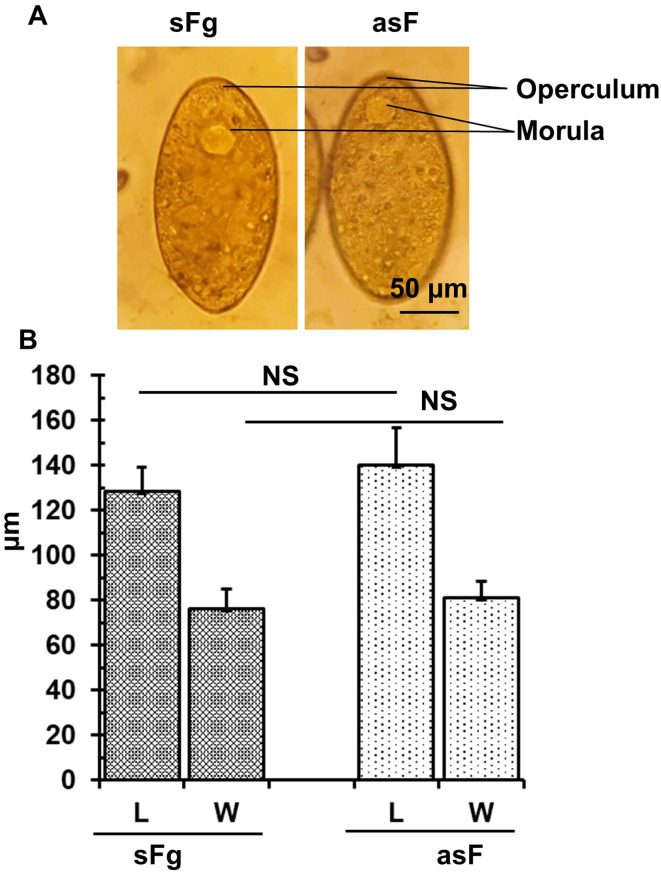 Figure 6
 Figure 6
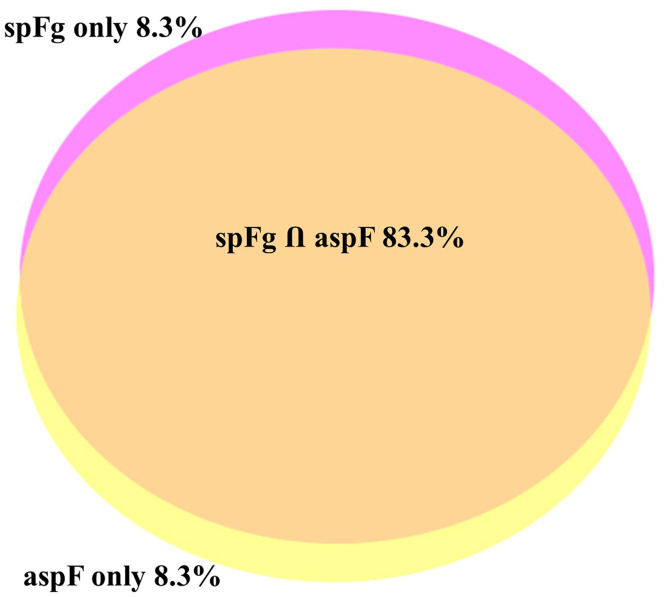 Figure 7
 Figure 7
Peer Reviews
No public reviews on file for this paper yet. If you reviewed it on a platform where reviews are public (OpenReview, ICLR, NeurIPS, ICML), you can paste yours below so the community can read it here.
Videos
No videos yet. Explain this paper in a talk, walkthrough, or lecture? Add one.
Taxonomy
TopicsHelminth infection and control · Parasites and Host Interactions · Parasite Biology and Host Interactions