Isoleucine and valine regulate the BCAA antagonism by influencing insulin function in broiler chickens
Bin Wang, Xiaodan Zhang, Guang Li, Mingkun Gao, Yuqing Feng, Yong He, Yuming Guo

TL;DR
This study explores how isoleucine and valine affect BCAA antagonism in chickens by influencing insulin function, offering new insights into the mechanism behind this phenomenon.
Contribution
The study reveals novel mechanisms by which valine and isoleucine alleviate BCAA antagonism through their impact on insulin signaling in broiler chickens.
Findings
Excessive dietary valine stabilizes insulin levels but increases blood glucose and liver ceramides, disrupting insulin signaling.
Excessive isoleucine promotes liver inflammation and interleukin-6 release, enhancing insulin secretion and altering pancreatic hormone levels.
Adjusting valine or isoleucine in low-protein diets alleviates BCAA antagonism by modulating insulin function.
Abstract
The phenomenon where excessive activation of branched-chain amino acid (BCAA) degrading enzymes caused by high concentrations of leucine (Leu) leads to a decrease in the overall concentration of BCAA [including isoleucine (Ile) and valine (Val)] is called BCAA antagonism. Although this phenomenon has long been widely studied, the specific mechanism of its occurrence is still poorly understood. In this study, we investigated the specific mechanism by which Val and Ile alleviate the antagonistic effect caused by high concentrations of Leu through influencing insulin function. First, the ratios of Ile and Val in the low-protein diet were adjusted up and down by 15% to observe the metabolic status of broilers at the end of the experiment (the experiment period was from 0 to 42 d). Subsequently, the physiological and biochemical changes related to antagonism were determined using…
Genes, proteins, chemicals, diseases, species, mutations and cell lines named across the full text — each resolved to its canonical identifier and authoritative record.
Click any figure to enlarge with its caption.
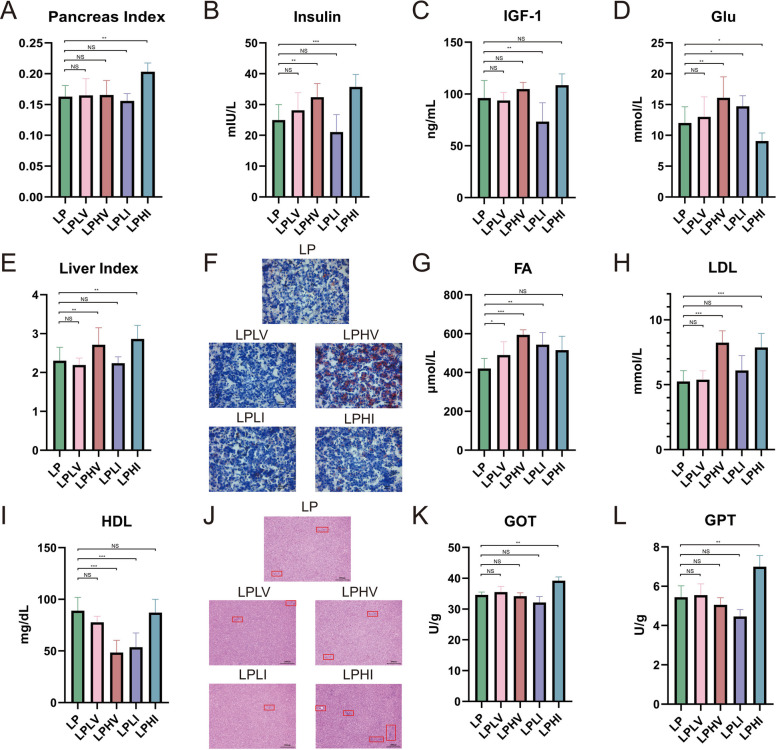 Figure 1
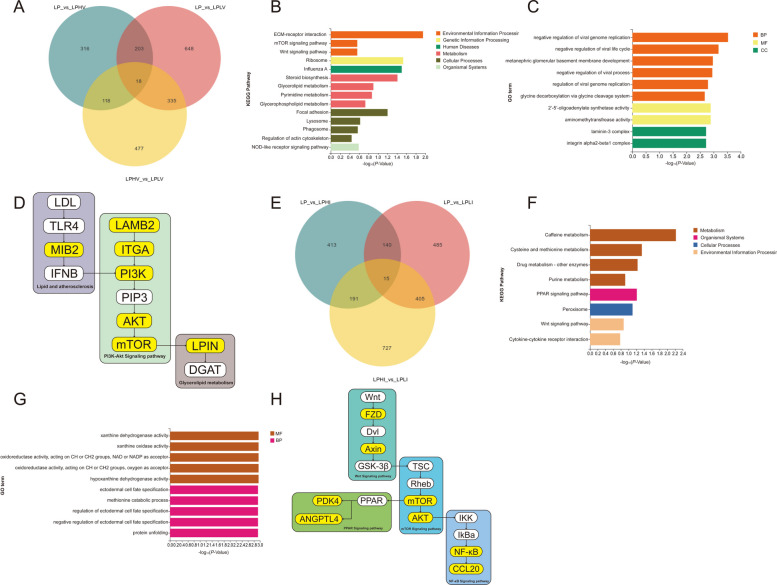 Figure 2
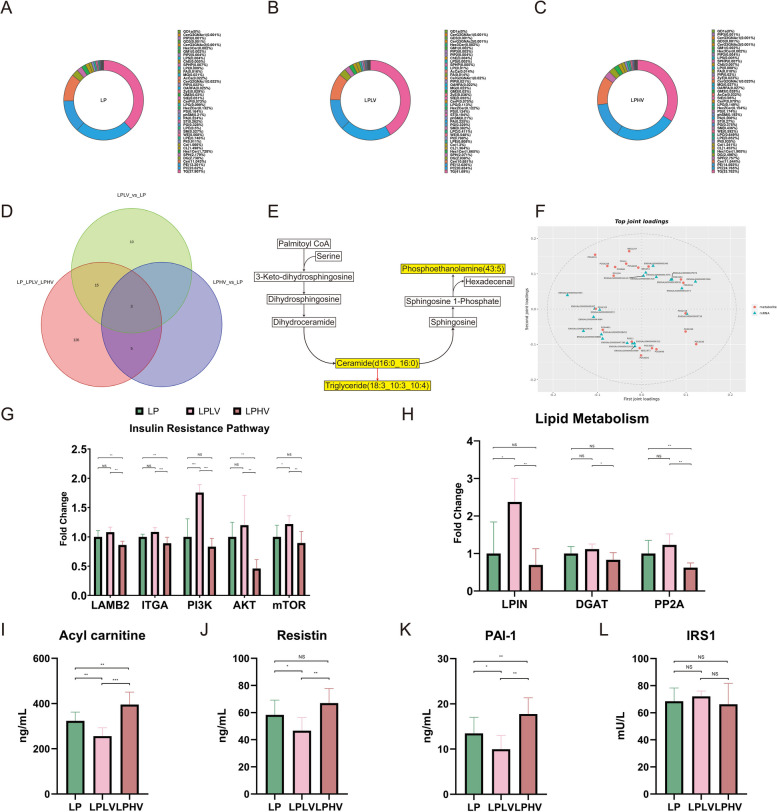 Figure 3
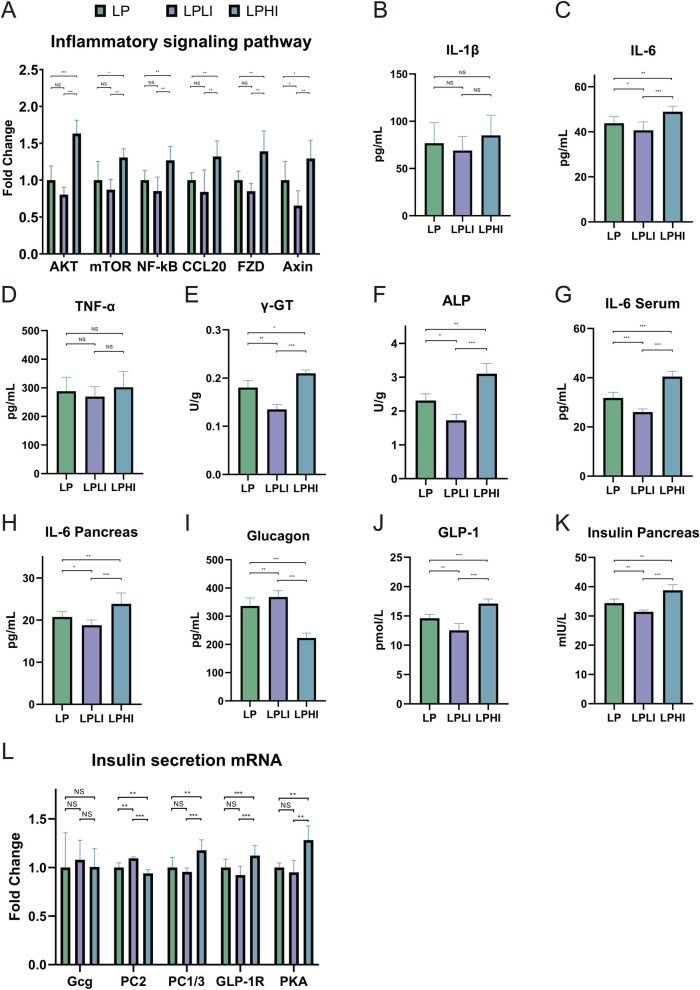 Figure 4
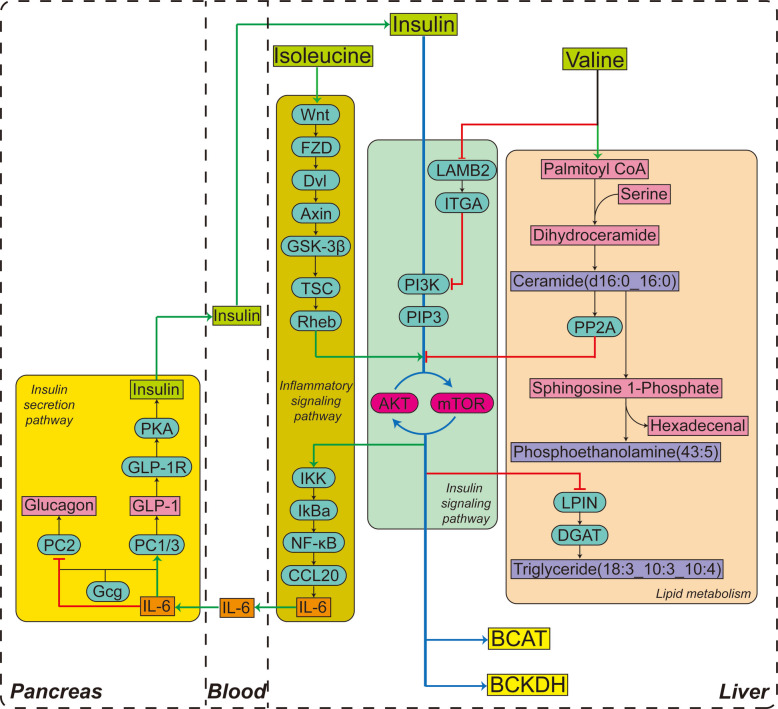 Figure 5
Peer Reviews
No public reviews on file for this paper yet. If you reviewed it on a platform where reviews are public (OpenReview, ICLR, NeurIPS, ICML), you can paste yours below so the community can read it here.
Videos
No videos yet. Explain this paper in a talk, walkthrough, or lecture? Add one.
Taxonomy
TopicsAnimal Nutrition and Physiology · Muscle metabolism and nutrition · Biochemical effects in animals