The vaginal bacteriome of pregnant Rwandan and Kenyan women, unique regional genera associations with preterm birth
Janet M. Wojcicki, Kilaza Samson Mwaikono, Etienne Nsereko, Nicole Santos, Linus W. Ndegwa, Wendy Blose, Shantelle Claasen-Weltz, Fadheela Patel, Samantha D. Africa, Julius Oyugi

TL;DR
This study finds that the vaginal bacteria linked to preterm birth differ between pregnant women in Kenya and Rwanda, highlighting regional variations in East Africa.
Contribution
The study is the first to show regional differences in vaginal bacteriome associations with preterm birth among East African women.
Findings
Higher Lactobacilli counts were associated with term delivery in both Kenya and Rwanda.
Staphylococcus and Fannyhessea were significant in Rwanda, while Gardnerella was more common among Kenyan women with preterm birth.
Beta diversity varied significantly between the two countries, but no link was found between diversity and preterm birth.
Abstract
Preterm birth, defined as gestational duration less than 37 weeks, often results in lifelong adverse health impacts for children. East African women have some of the highest rates of preterm birth globally. Previous studies have suggested that changes in the vaginal bacteriome may be associated with increased risk for preterm birth. The absence of Lactobacilli dominated vaginal flora and increased alpha and beta diversity have been associated with preterm birth in other contexts, primarily from US-based studies with African-American women. Few studies have been conducted with women from sub-Saharan Africa to assess whether vaginal bacteriome are associated with preterm birth risk. Using a longitudinal cohort study design, we recruited two groups of women from Kisumu, Kenya and Kigali, Rwanda in the first or second trimesters of pregnancy as confirmed via abdominal ultrasound. At the…
Genes, proteins, chemicals, diseases, species, mutations and cell lines named across the full text — each resolved to its canonical identifier and authoritative record.
Click any figure to enlarge with its caption.
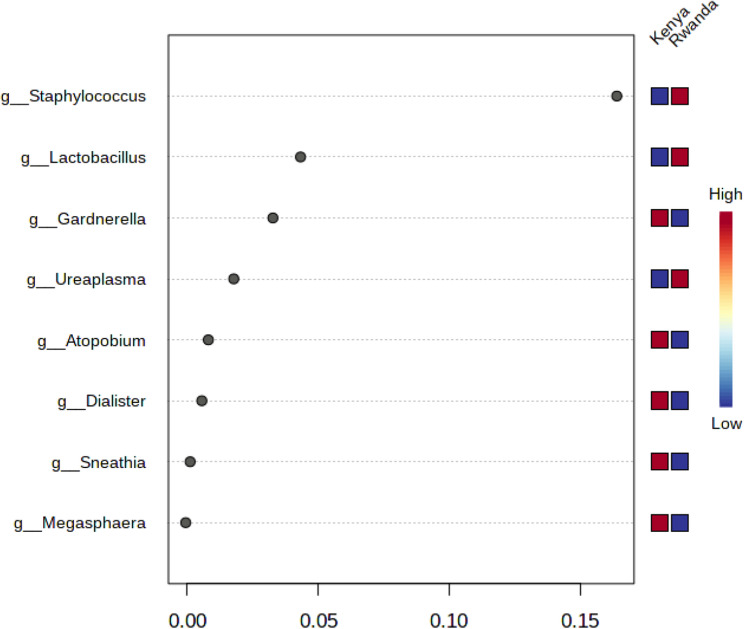 Figure 1
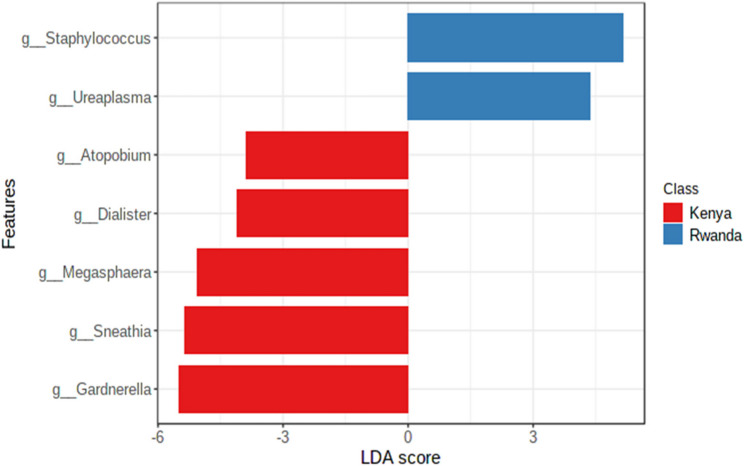 Figure 2
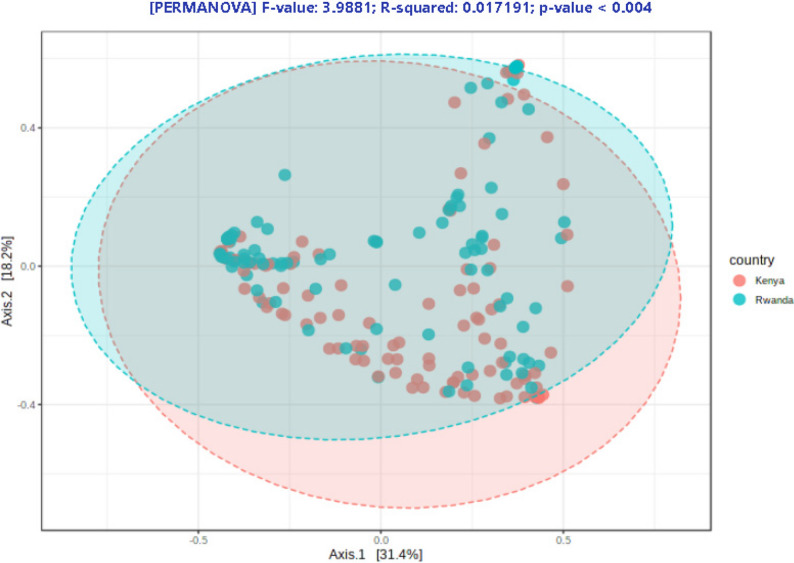 Figure 3
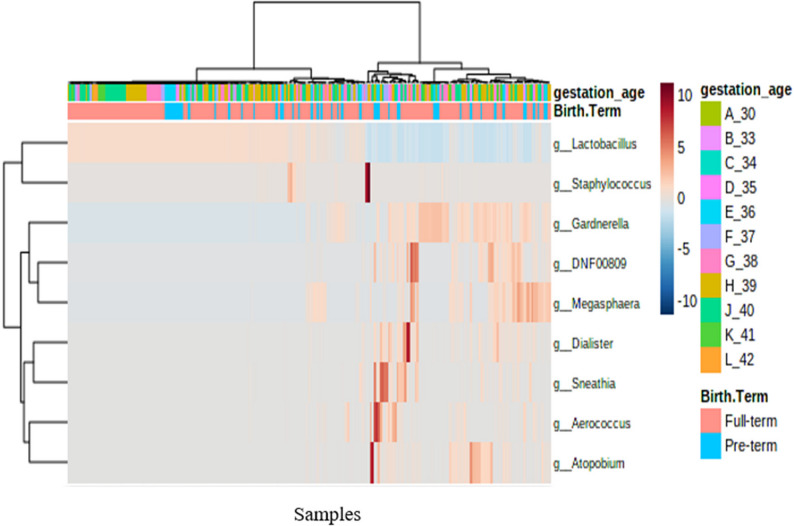 Figure 4
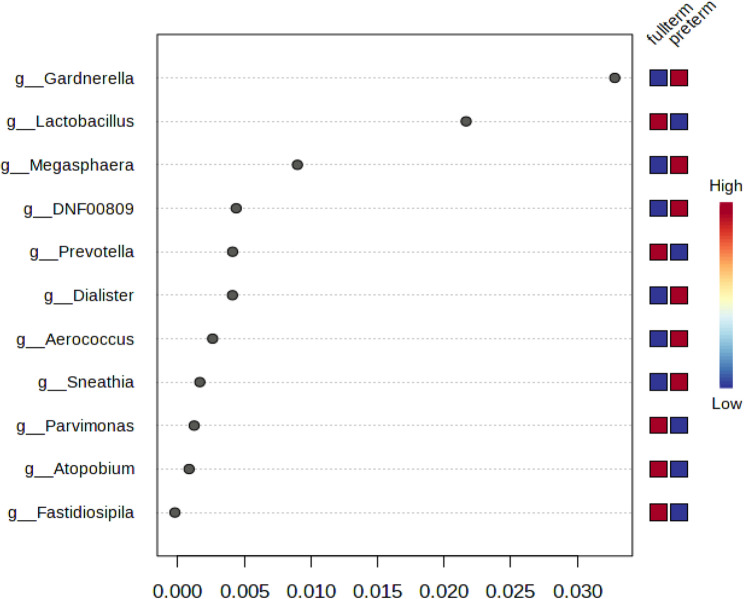 Figure 5
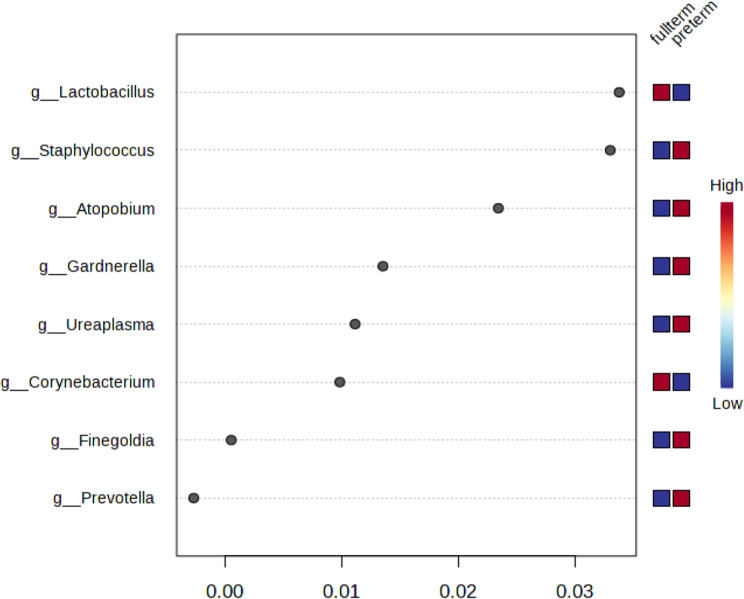 Figure 6
Peer Reviews
No public reviews on file for this paper yet. If you reviewed it on a platform where reviews are public (OpenReview, ICLR, NeurIPS, ICML), you can paste yours below so the community can read it here.
Videos
No videos yet. Explain this paper in a talk, walkthrough, or lecture? Add one.
Taxonomy
TopicsReproductive tract infections research · Preterm Birth and Chorioamnionitis · Neonatal and Maternal Infections