Clinical utility of cell-free urine miR-93-5p, miR-191-5p, miR-31-5p for invasive urothelial carcinoma detection and immune signature-based subtyping
Sami Berk Özden, Aysel Kalaycı, İclal Gürses, Filiz Özdemir, İpek Sertbudak, Furkan Kuzucu, Çetin Demirdağ

TL;DR
This study shows that specific microRNAs in urine can help detect bladder cancer and distinguish between aggressive and less aggressive tumor types.
Contribution
The study identifies miR-93-5p and miR-191-5p as potential non-invasive biomarkers for bladder cancer subtyping based on immune signatures.
Findings
miR-191-5p is significantly downregulated in bladder cancer patients and even more so in the luminal-like subtype.
miR-93-5p is upregulated in the aggressive basal-like subtype and correlates with tumor size and high-grade features.
miR-31-5p acts as a complementary marker, especially in cases of carcinoma in situ.
Abstract
This study aimed to explore the potential value of urinary cell-free microRNA (miR)-93-5p, miR-191-5p, and miR-31-5p levels in the non-invasive prediction of basal-like and luminal-like invasive urothelial carcinoma immune signature phenotypes according to the molecular classification of bladder cancer, by comparing their expression in patients and healthy controls. The study included morning urine samples from 49 bladder cancer patients and 43 controls. A quantitative image-based immunohistochemical analysis classified tumor cases into basal-like and luminal-like subtypes. Quantitative real-time PCR (qRT-PCR) was used to measure cell-free miR-93-5p, miR-191-5p, and miR-31-5p expression levels in urine. MiR-191-5p was significantly downregulated in bladder cancer patients compared to healthy controls (p < 0.001), with a 24-fold decrease. Notably, miR-191-5p levels were markedly lower…
Genes, proteins, chemicals, diseases, species, mutations and cell lines named across the full text — each resolved to its canonical identifier and authoritative record.
Click any figure to enlarge with its caption.
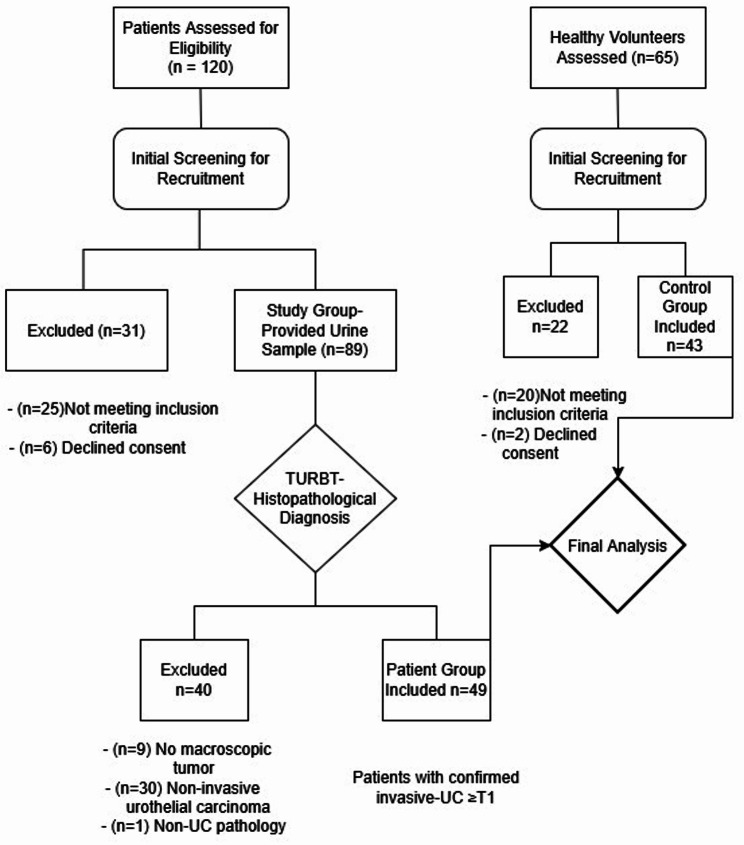 Figure 1
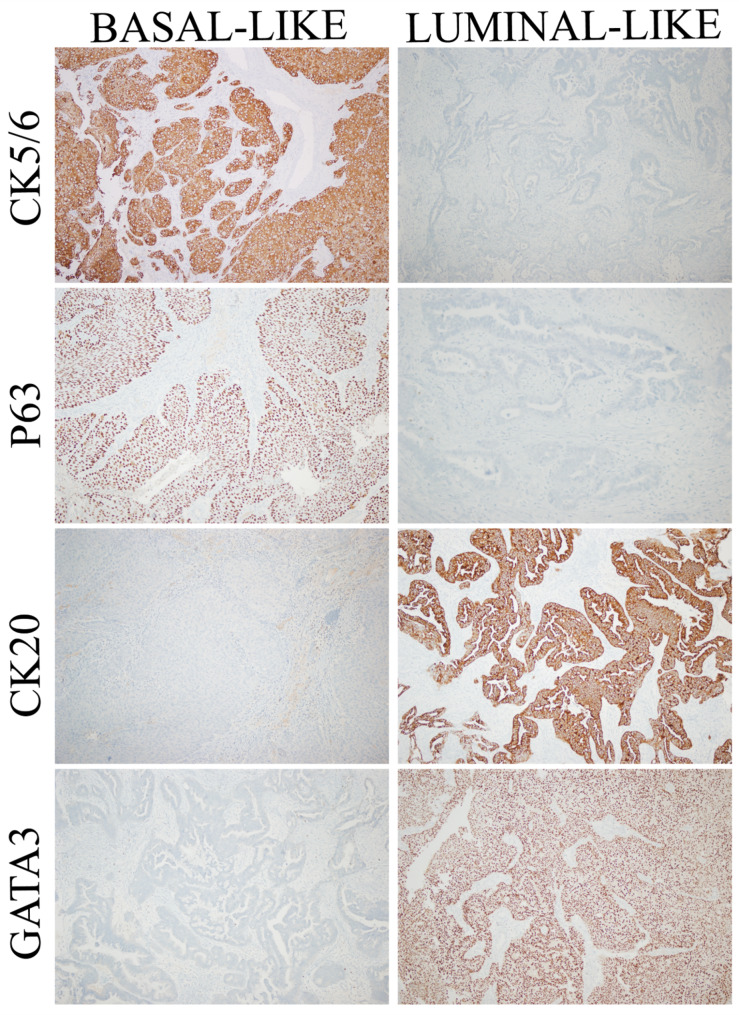 Figure 2
 Figure 3
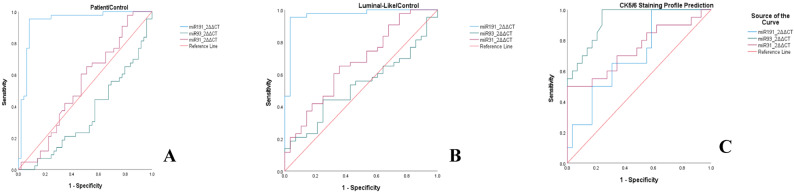 Figure 4
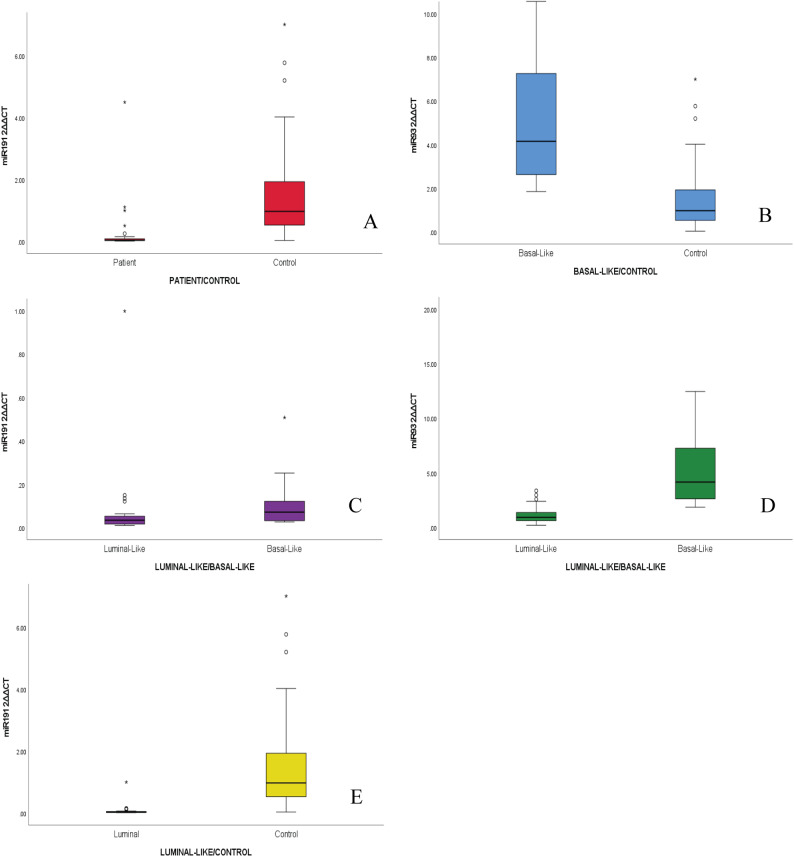 Figure 5
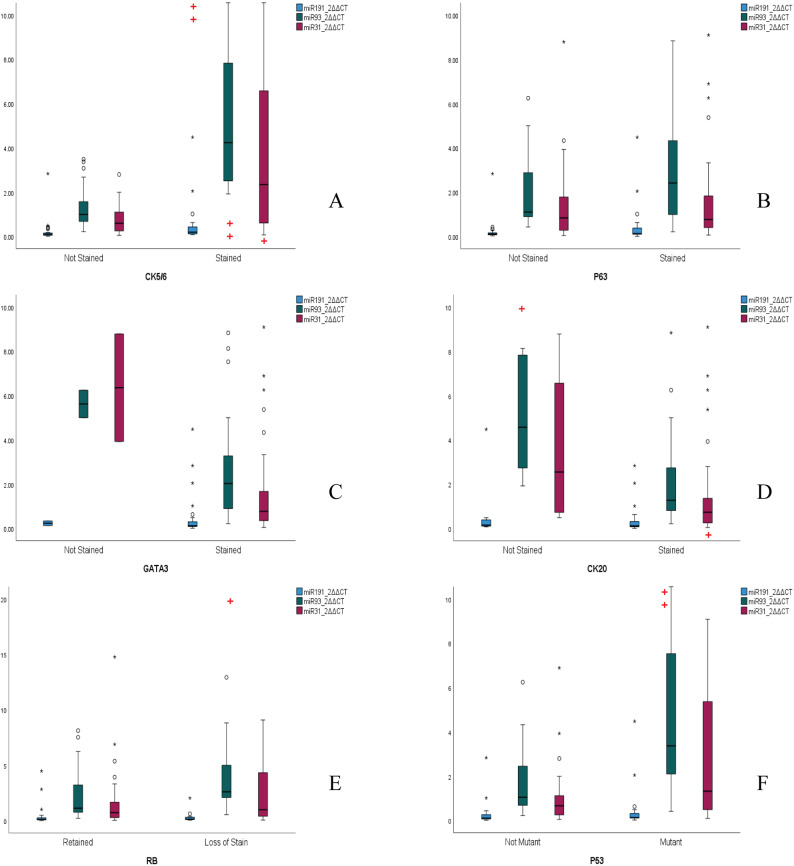 Figure 6
Peer Reviews
No public reviews on file for this paper yet. If you reviewed it on a platform where reviews are public (OpenReview, ICLR, NeurIPS, ICML), you can paste yours below so the community can read it here.
Videos
No videos yet. Explain this paper in a talk, walkthrough, or lecture? Add one.
Taxonomy
TopicsBladder and Urothelial Cancer Treatments · MicroRNA in disease regulation · Ferroptosis and cancer prognosis