Pathological neutrophil extracellular traps hinder postoperative anal fistula wound healing and are attenuated by Zuoqing granule via suppression of the Nox4 pathway
Xiaoli Fang, Heng Deng, Ming Li, Xiang Gao, Chunrong He, Hui Liu

TL;DR
This study shows that excessive neutrophil extracellular traps (NETs) hinder healing in anal fistula wounds, and a traditional Chinese medicine called Zuoqing Granule can reduce these NETs and inflammation.
Contribution
The study identifies NETosis as a key pathological feature in anal fistula wounds and introduces Zuoqing Granule as a novel therapeutic agent targeting the Nox4 pathway.
Findings
NETosis is a pathological hallmark in non-healing anal fistula wounds, accompanied by high levels of pro-inflammatory cytokines and bacterial load.
Zuoqing Granule reduces NETosis, inflammation, and bacterial burden in both in vivo and in vitro models.
Zuoqing Granule suppresses the Nox4/ROS/PI3K/Akt/PADI4 pathway, which is central to NET formation.
Abstract
The impaired healing of postoperative anal fistula wounds often complicated by a contaminated environment and persistent inflammation. The key pathological immune events that sustain this chronic inflammatory milieu remain largely unknown. We hypothesized that dysregulated neutrophil extracellular trap (NET) formation (NETosis)—a potent driver of tissue damage—might be a pathological feature and potential therapeutic target. Using a rat model of contaminated wounds akin to postoperative anal fistula, we characterized NETosis via immunofluorescence (CitH3/CD66b), transmission electron microscopy, and ELISA. The involvement of the Nox4/ROS/PI3K/Akt/PADI4 pathway was assessed. The therapeutic potential of Zuoqing Granule (ZQG), a clinically used traditional Chinese formulation, was evaluated both in vivo and in PMA-stimulated rat neutrophils in vitro. Bacterial burden were also assessed.…
Genes, proteins, chemicals, diseases, species, mutations and cell lines named across the full text — each resolved to its canonical identifier and authoritative record.
Click any figure to enlarge with its caption.
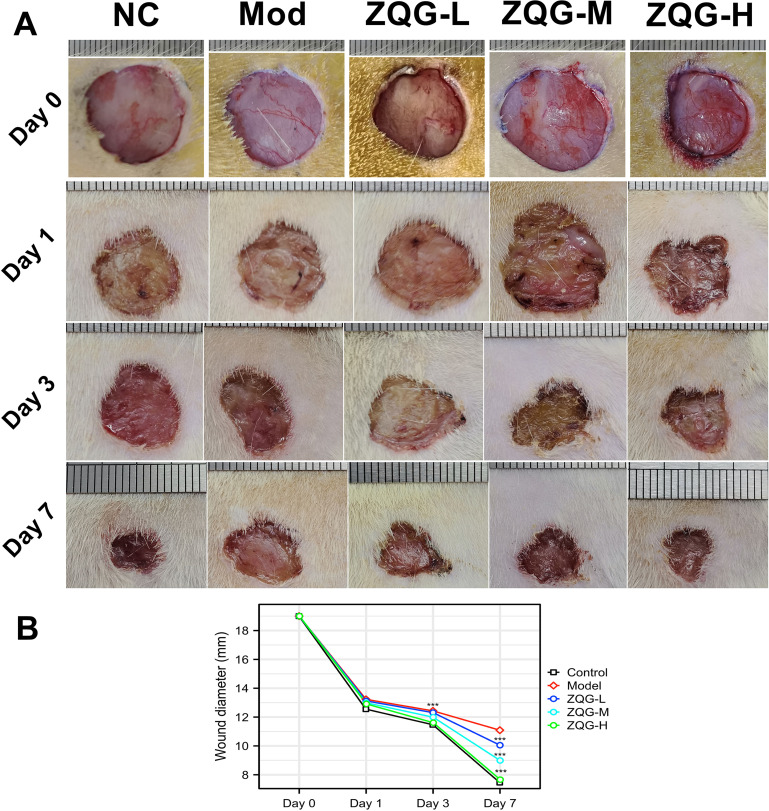 Figure 1
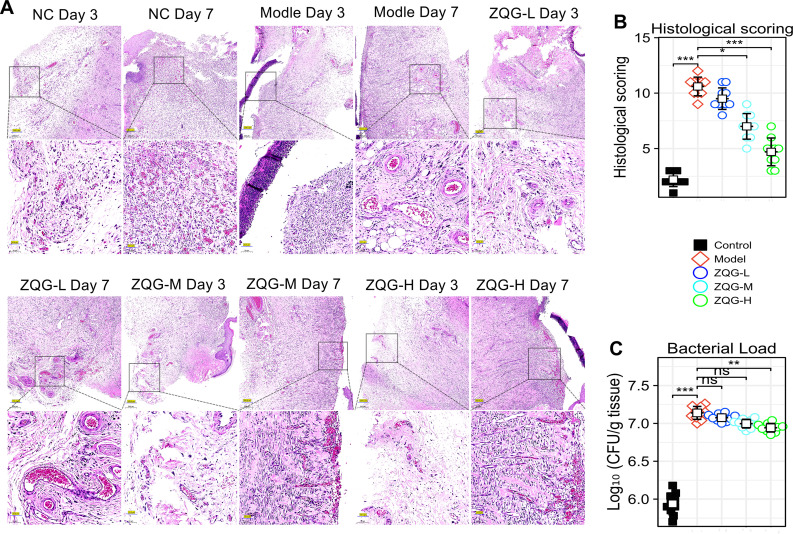 Figure 2
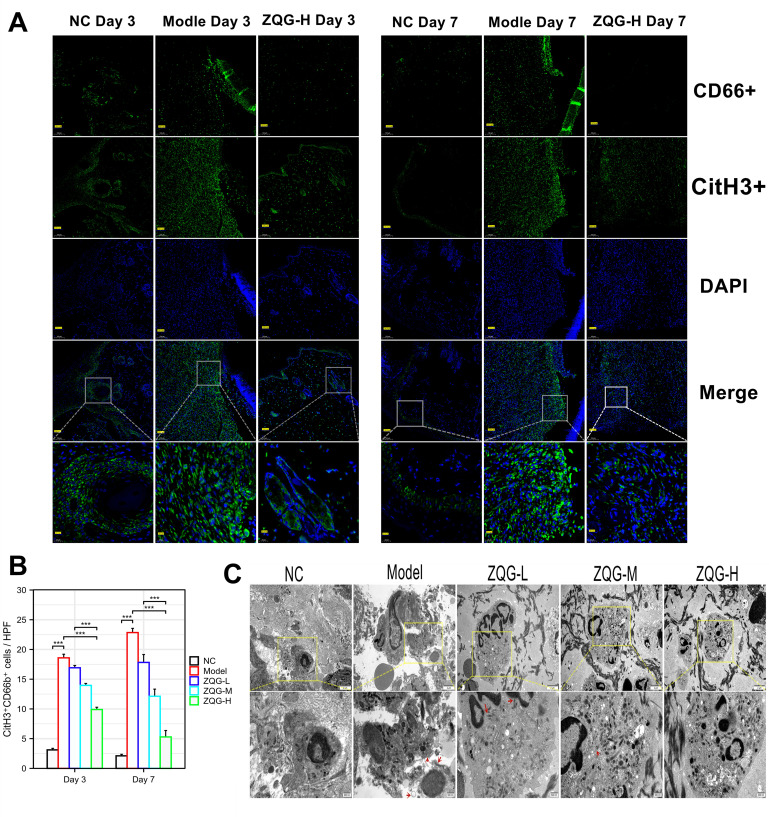 Figure 3
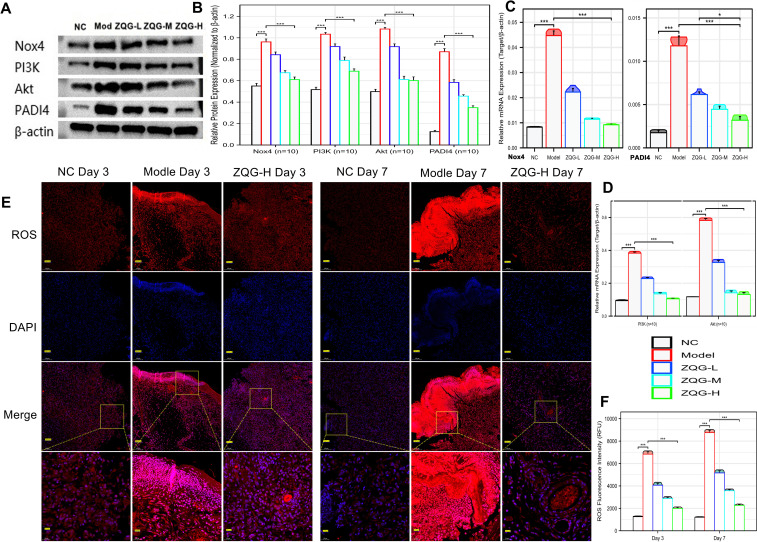 Figure 4
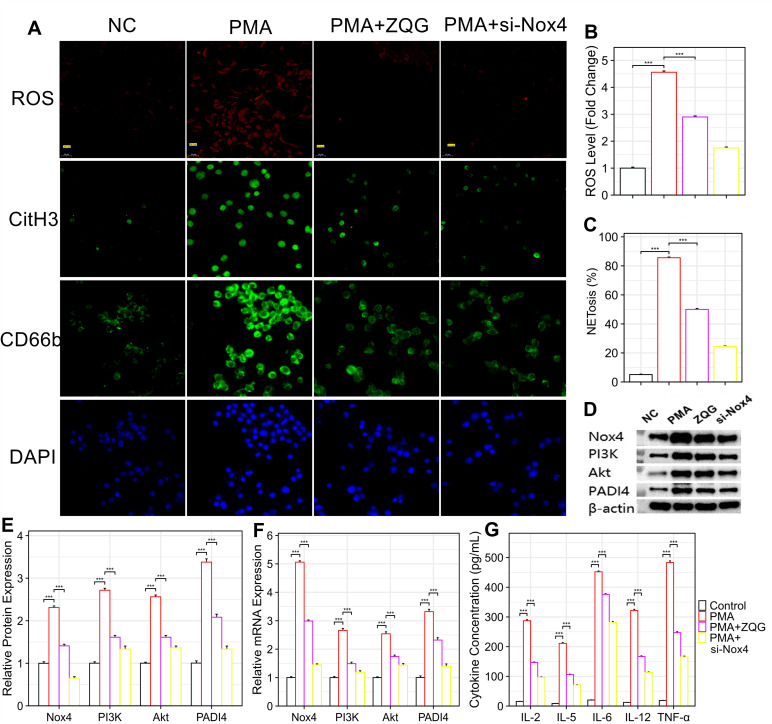 Figure 5
Peer Reviews
No public reviews on file for this paper yet. If you reviewed it on a platform where reviews are public (OpenReview, ICLR, NeurIPS, ICML), you can paste yours below so the community can read it here.
Videos
No videos yet. Explain this paper in a talk, walkthrough, or lecture? Add one.
Taxonomy
TopicsNeutrophil, Myeloperoxidase and Oxidative Mechanisms · Anorectal Disease Treatments and Outcomes · Infectious Aortic and Vascular Conditions