Chemical Characterization and Antibacterial Activity of Royal Jelly Against Multidrug-Resistant Pathogens
Mirna Mrkonjić Fuka, Irina Tanuwidjaja, Valentina Odorčić, Slaven Jurić, Igor Jerković, Nikolina Udiković-Kolić, Marko Vinceković, Lidija Svečnjak

TL;DR
This study shows royal jelly can inhibit dangerous drug-resistant bacteria, with varying effectiveness depending on the bacterial strain and royal jelly's chemical makeup.
Contribution
First study to assess royal jelly's antibacterial activity against multiple MDR strains and link it to chemical composition.
Findings
Royal jelly samples inhibited all tested multidrug-resistant bacteria with strain-specific efficacy.
RJ1 showed highest bioactive compound content and strongest antibacterial activity.
Octanoic acid was identified as a major volatile component in royal jelly samples.
Abstract
Given the known antibacterial properties of royal jelly (RJ), we hypothesize that royal jelly could inhibit priority multidrug-resistant (MDR) bacteria, including different strains of vancomycin-resistant Enterococcus faecium (VRE), methicillin-resistant Staphylococcus aureus (MRSA), carbapenem-resistant Klebsiella pneumoniae (CRKP) and Acinetobacter baumannii (CRAB). We further propose that the antibacterial efficacy of royal jelly may be influenced by its chemical composition and by inter- and intraspecies variability among MDR pathogens. Royal jelly samples were collected from five beekeepers (RJ1–RJ5) in the Mediterranean and continental regions of Croatia. Chemical profiling was conducted using solid-phase microextraction gas chromatography–mass spectrometry (HS-SPME/GC-MS) and Fourier-transform infrared (FTIR) spectroscopy, together with separate assays to measure antioxidant…
Genes, proteins, chemicals, diseases, species, mutations and cell lines named across the full text — each resolved to its canonical identifier and authoritative record.
Click any figure to enlarge with its caption.
 Figure 1
 Figure 2
 Figure 3
 Figure 4
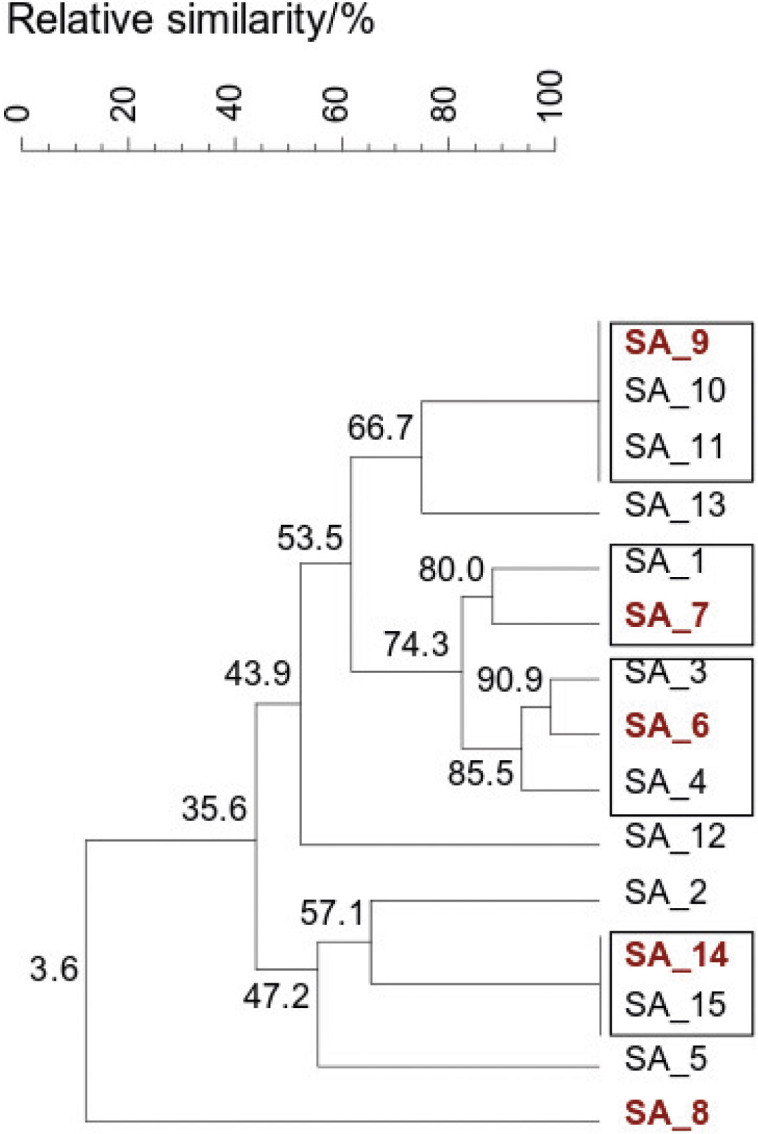 Figure 5
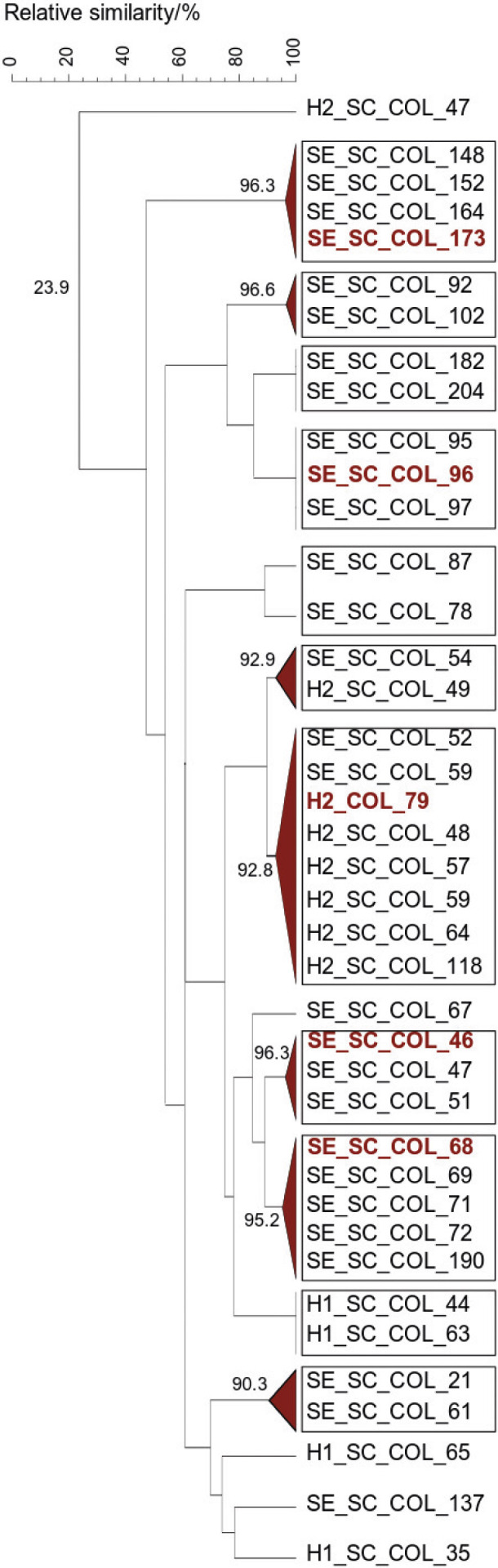 Figure 6
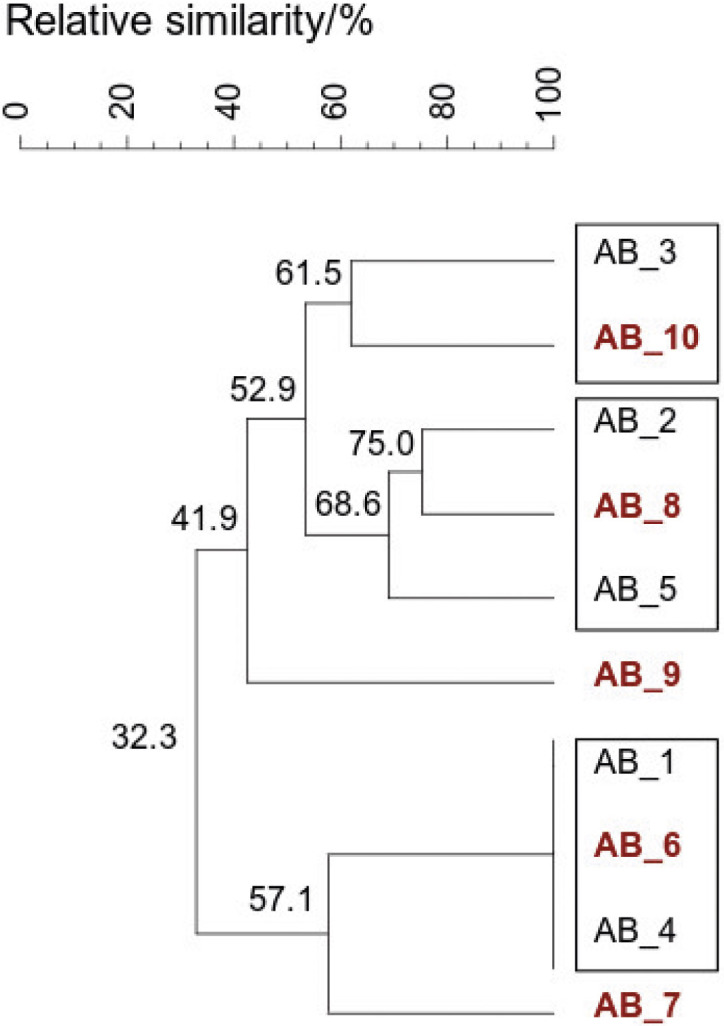 Figure 7
Peer Reviews
No public reviews on file for this paper yet. If you reviewed it on a platform where reviews are public (OpenReview, ICLR, NeurIPS, ICML), you can paste yours below so the community can read it here.
Videos
No videos yet. Explain this paper in a talk, walkthrough, or lecture? Add one.
Taxonomy
TopicsBee Products Chemical Analysis · Heavy Metals in Plants · Ginger and Zingiberaceae research