Cycloastragenol Derivatives Improve Tyrosine Metabolism, Regulate TLR4/NF‐κB/TERT Signaling Pathways, and Inhibit MPTP Induced Neuroinflammation and PD Symptoms
Shengnan Xiao, Lianmei Liu, Xuemei Qin, Lei Xu, Zhenyu Li, Zhi Chai

TL;DR
Cycloastragenol derivatives reduce Parkinson's disease symptoms by targeting inflammation and aging-related pathways, offering a new drug development strategy.
Contribution
The study introduces a cycloastragenol derivative (R2) that improves anti-inflammatory and neuroprotective effects through structural optimization.
Findings
Compound R2 improves motor dysfunction and reduces inflammation in a Parkinson's disease mouse model.
R2 regulates tyrosine metabolism and the TLR4/NF-κB/TERT signaling pathway to combat PD progression.
Abstract
Parkinson's disease (PD) is a neurodegenerative disease closely related to neuroinflammation and with obvious age characteristics. Existing therapeutic drugs have problems such as insufficient efficacy and side effects. Cycloastragenol (CAG) is a known natural telomerase activator, and previous studies have found that it has a good improvement effect on PD. As a lead compound, there is significant room for improvement in pharmacological activity. Therefore, we further explore safe and efficient small molecules for PD drug exploration through structural optimization. We introduced carboxylic acid small molecules into the CAG structure and evaluated the pharmacological effects of the derivatives using a PD in vitro model and a neuroinflammatory model. The structure–activity relationship analysis was used to screen the derivatives with the best activity for subsequent in vivo animal…
Genes, proteins, chemicals, diseases, species, mutations and cell lines named across the full text — each resolved to its canonical identifier and authoritative record.
Click any figure to enlarge with its caption.
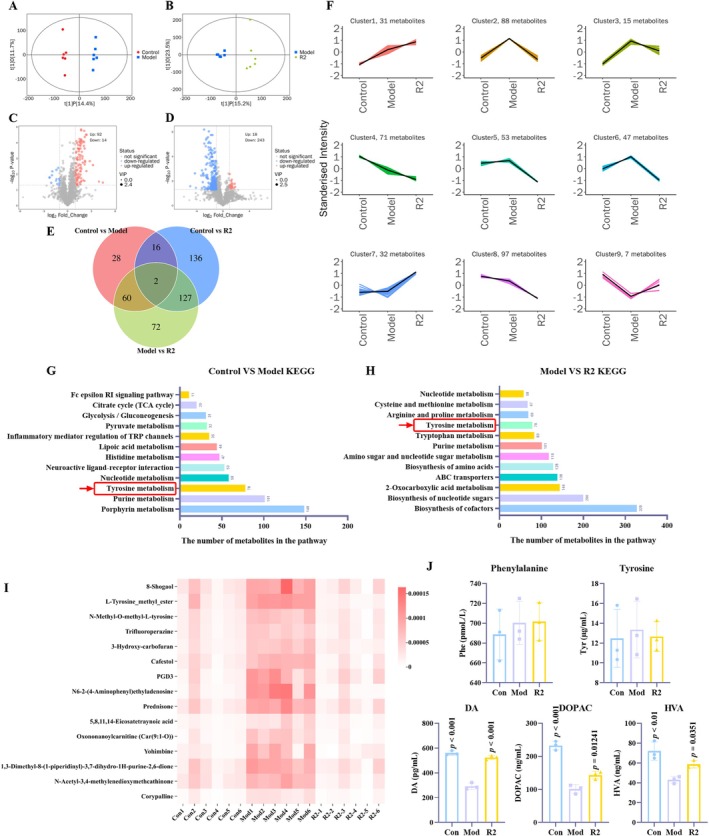 Figure 1
 Figure 2
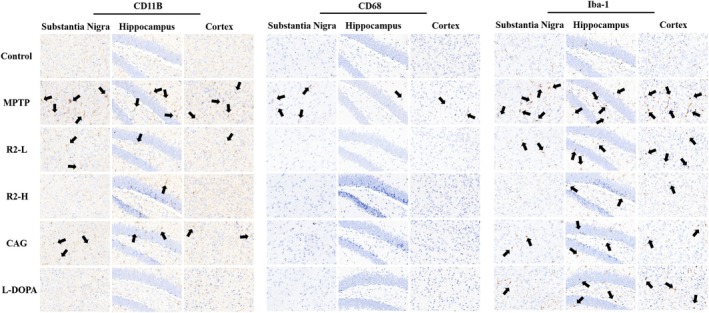 Figure 3
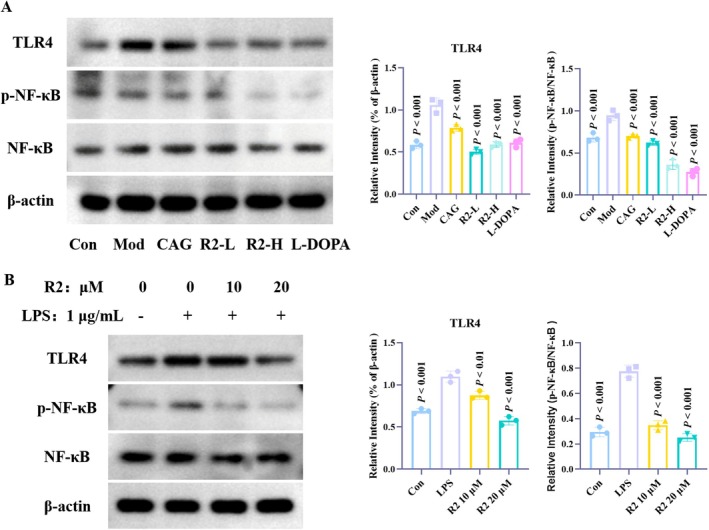 Figure 4
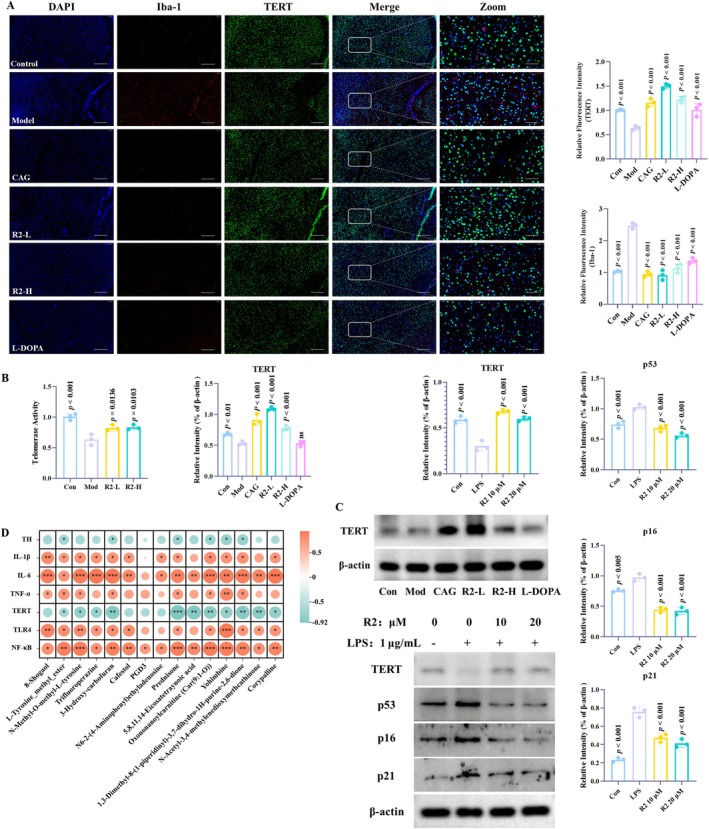 Figure 5
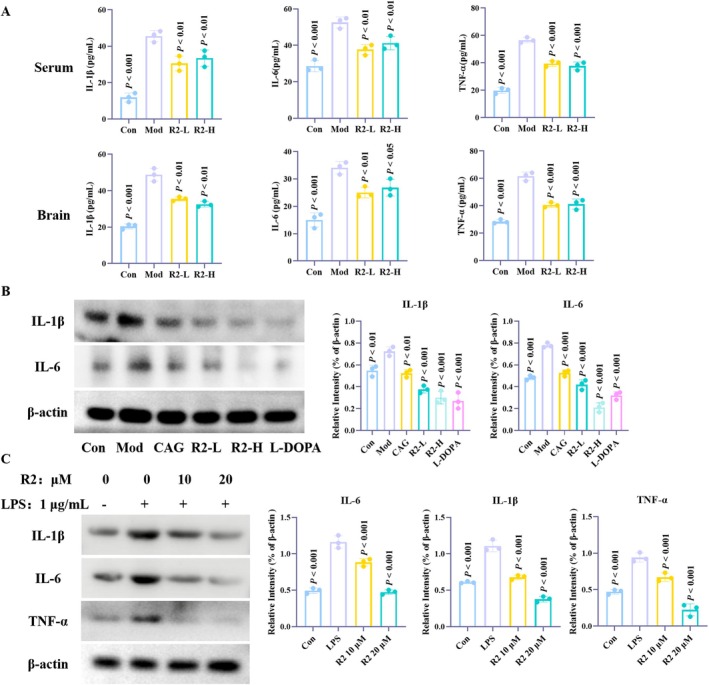 Figure 6
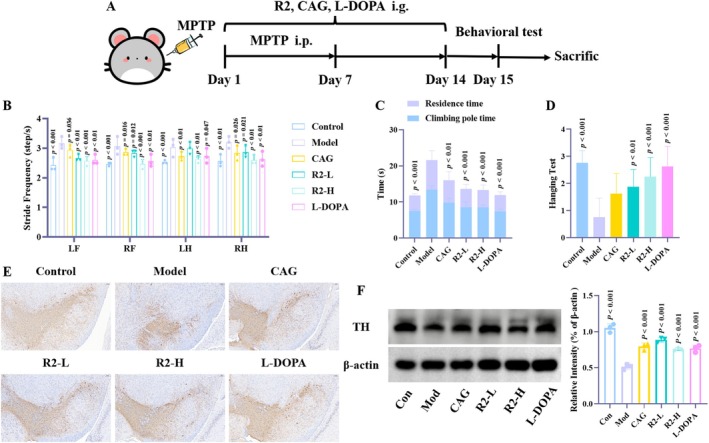 Figure 7
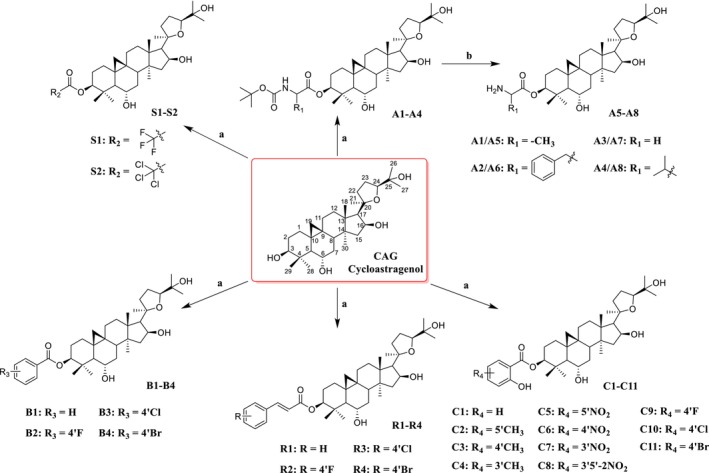 Figure 8
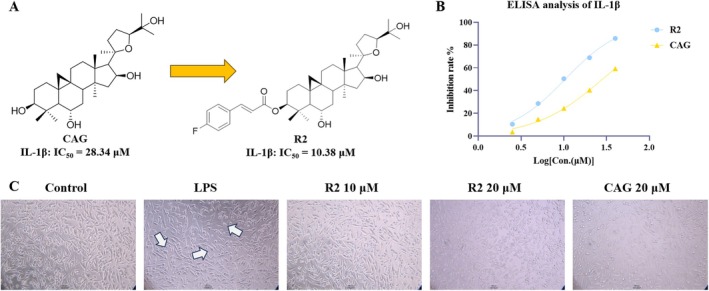 Figure 9
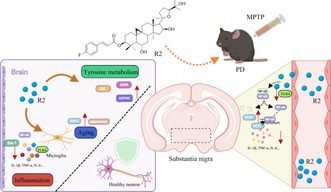 Figure 10
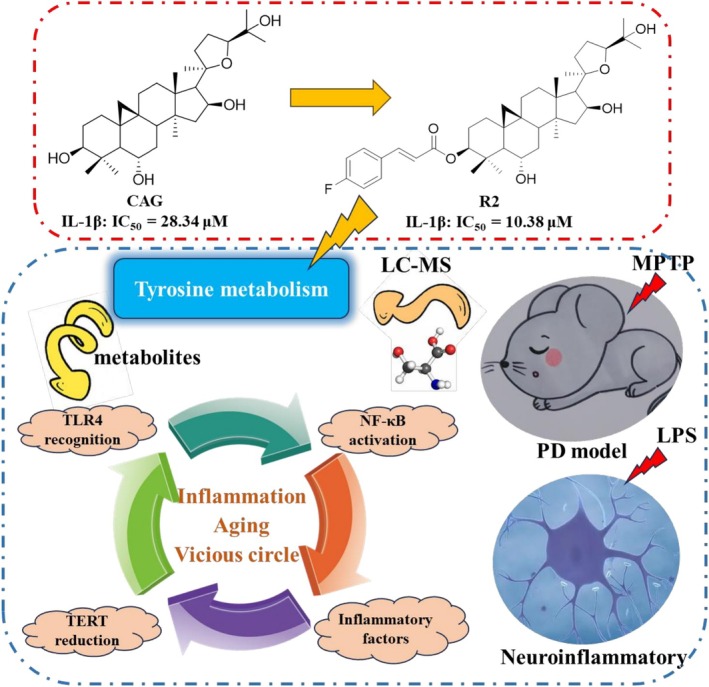 Figure 11
Peer Reviews
No public reviews on file for this paper yet. If you reviewed it on a platform where reviews are public (OpenReview, ICLR, NeurIPS, ICML), you can paste yours below so the community can read it here.
Videos
No videos yet. Explain this paper in a talk, walkthrough, or lecture? Add one.
Taxonomy
TopicsParkinson's Disease Mechanisms and Treatments · Neurological Disease Mechanisms and Treatments · Phytochemistry Medicinal Plant Applications