Tunable Linkers for Dynamic Thiol-Based Bioconjugation Strategies
G. Cianfoni, L. Pisano, D. M. Varouhaki, G. Centioni, A. Calcaterra, F. Ghirga, C. M. Athanassopoulos, B. Botta, S. Cammarone, P. Baiocco, D. Quaglio

TL;DR
This review discusses recent advances in thiol-based chemical linkers that allow for reversible and controllable connections between biomolecules, useful in biomedical applications.
Contribution
The paper provides a comprehensive and critical overview of tunable thiol-based linkers for bioconjugation, emphasizing their dynamic and reversible properties.
Findings
Thiol-based linkers like disulfide bonds and photocleavable groups enable controllable and reversible bioconjugation.
Applications include peptide synthesis, antibody–drug conjugates, and responsive biomaterials.
The review identifies current limitations and suggests future directions for improving biocompatibility and functionality.
Abstract
Recent advancements in bioconjugation chemistry have increasingly focused on thiol-based strategies, offering reversible and stimuli-responsive mechanisms, particularly suited for biomedical applications. This review aims to provide a critical overview of the latest developments in thiol-containing linkers, such as disulfide bonds and photocleavable groups, emphasizing their role in enabling controllable and often reversible conjugation of biomolecules. The review will explore several applications, including peptide synthesis and peptide-stapling strategies, antibody–drug conjugates (ADCs), and responsive biomaterials, categorize key classes of cleavable thiol-based linkers, and analyze their mechanisms. Covering the literature from the past 15 years, focusing on innovations until 2024, this review addresses the chemical foundations and practical implementations of these systems,…
Genes, proteins, chemicals, diseases, species, mutations and cell lines named across the full text — each resolved to its canonical identifier and authoritative record.
Click any figure to enlarge with its caption.
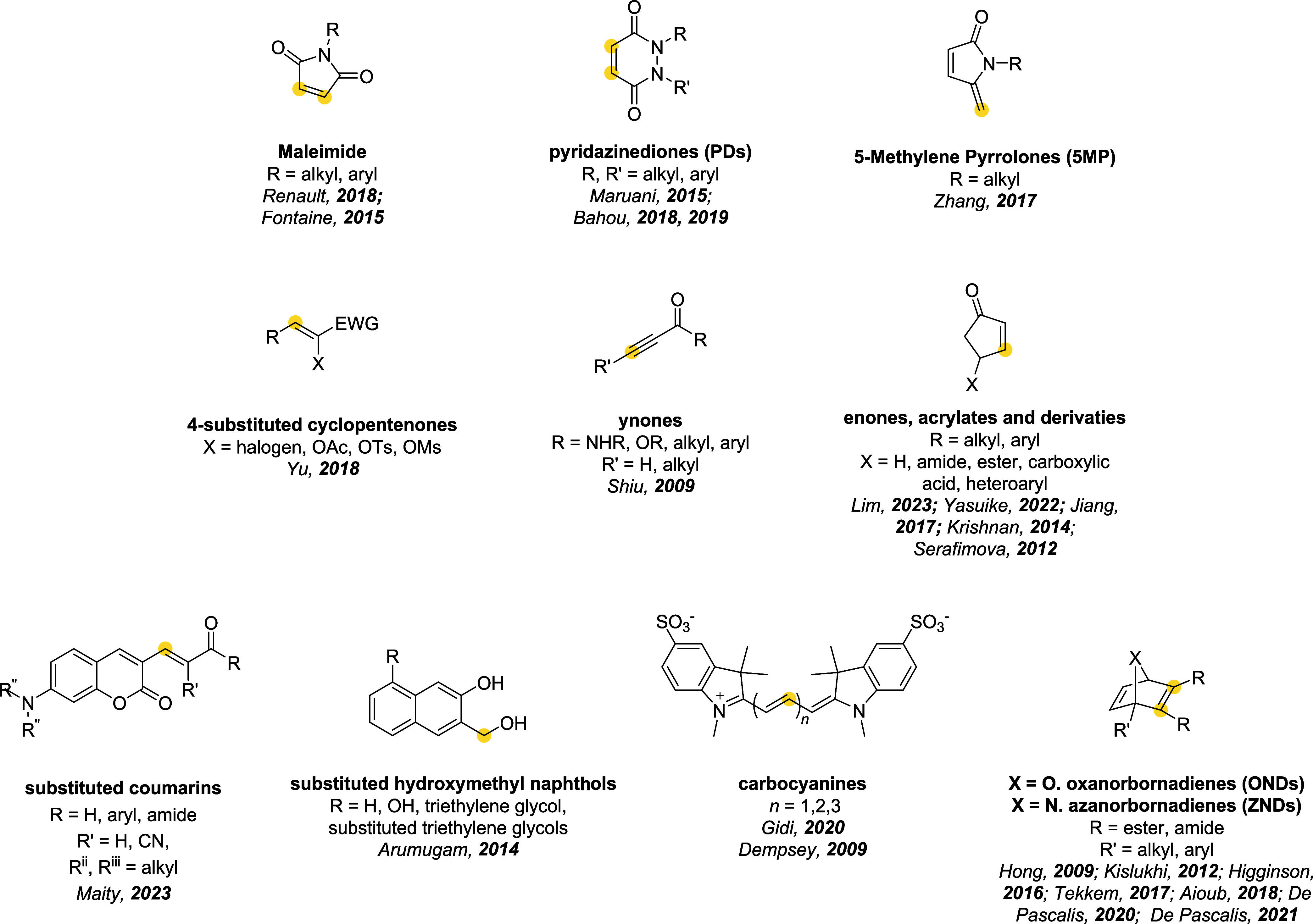 Figure 1
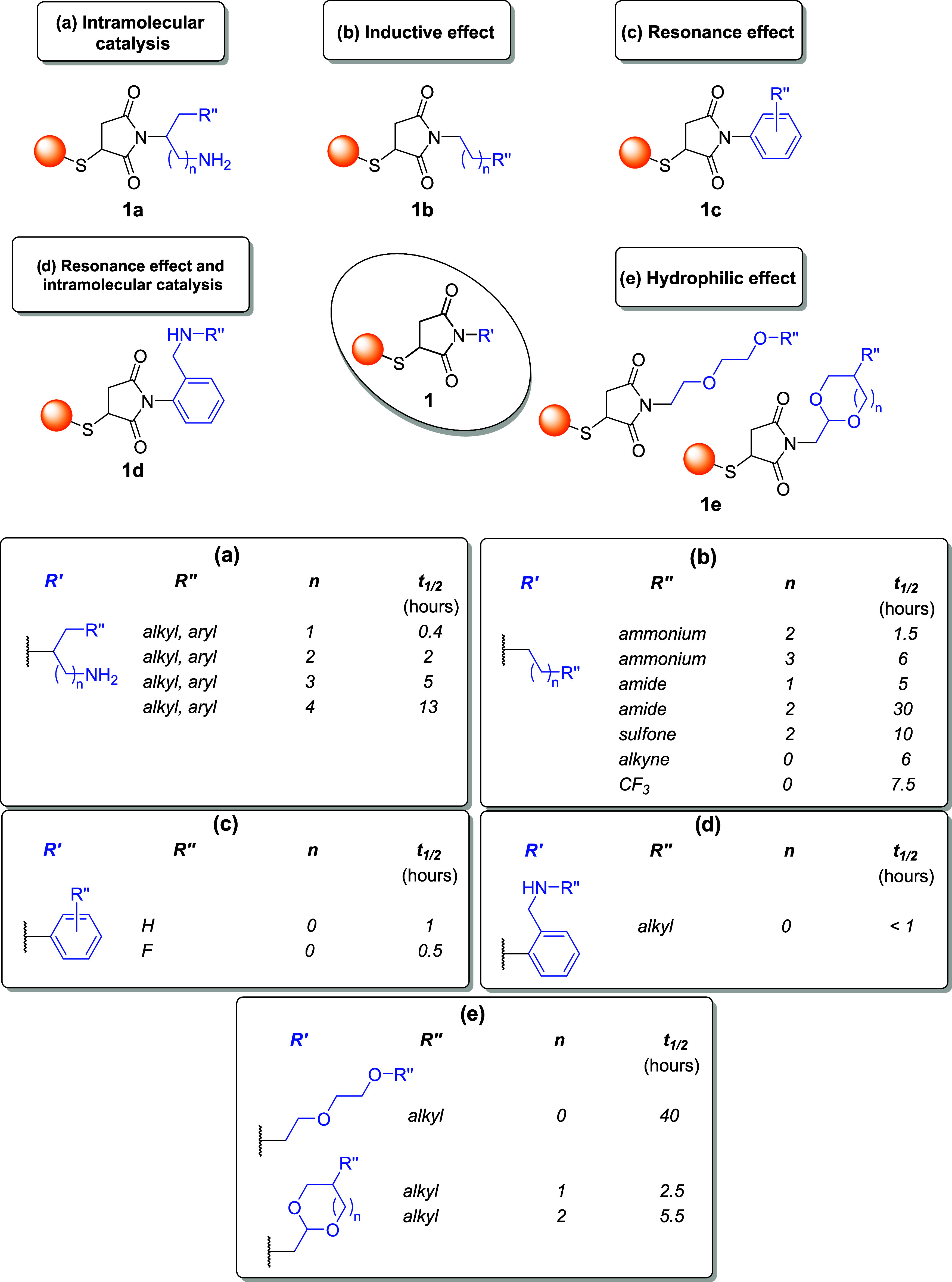 Figure 2
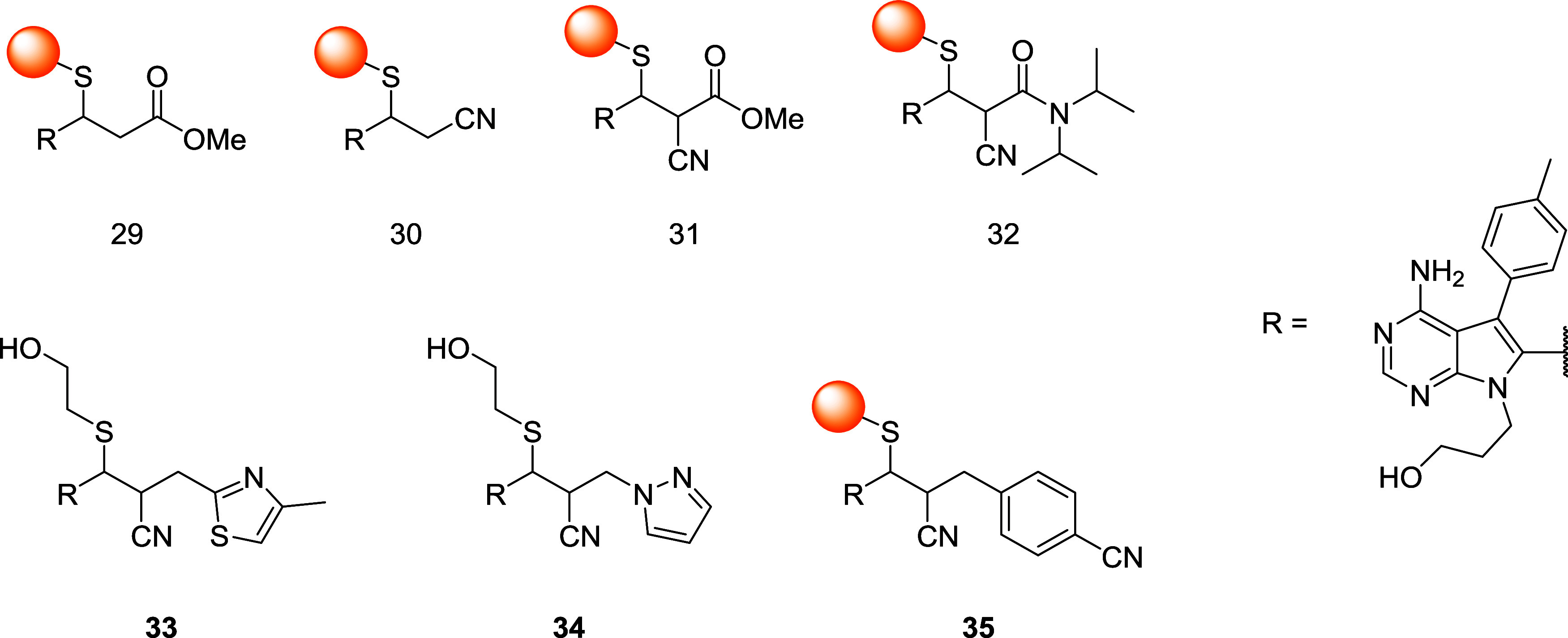 Figure 3
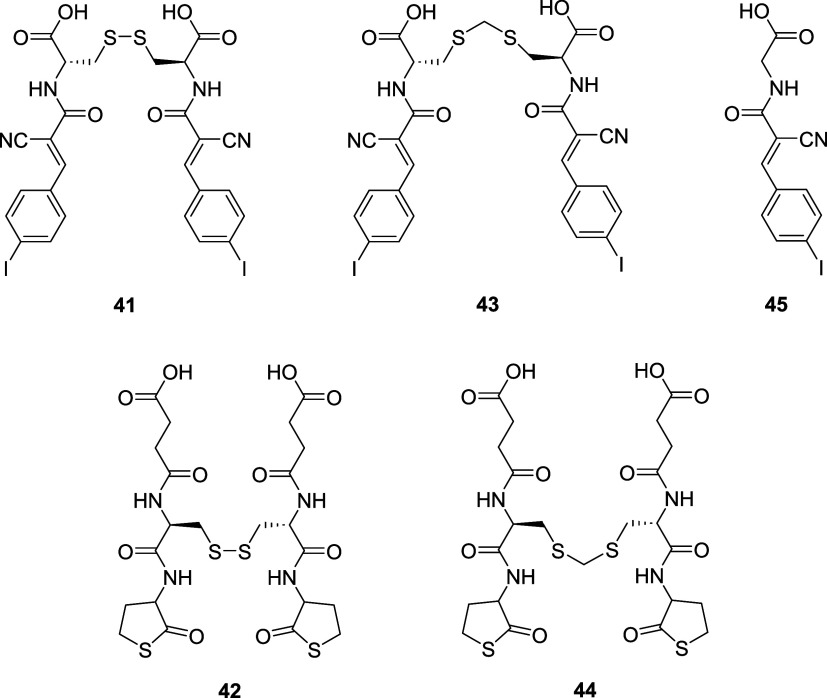 Figure 4
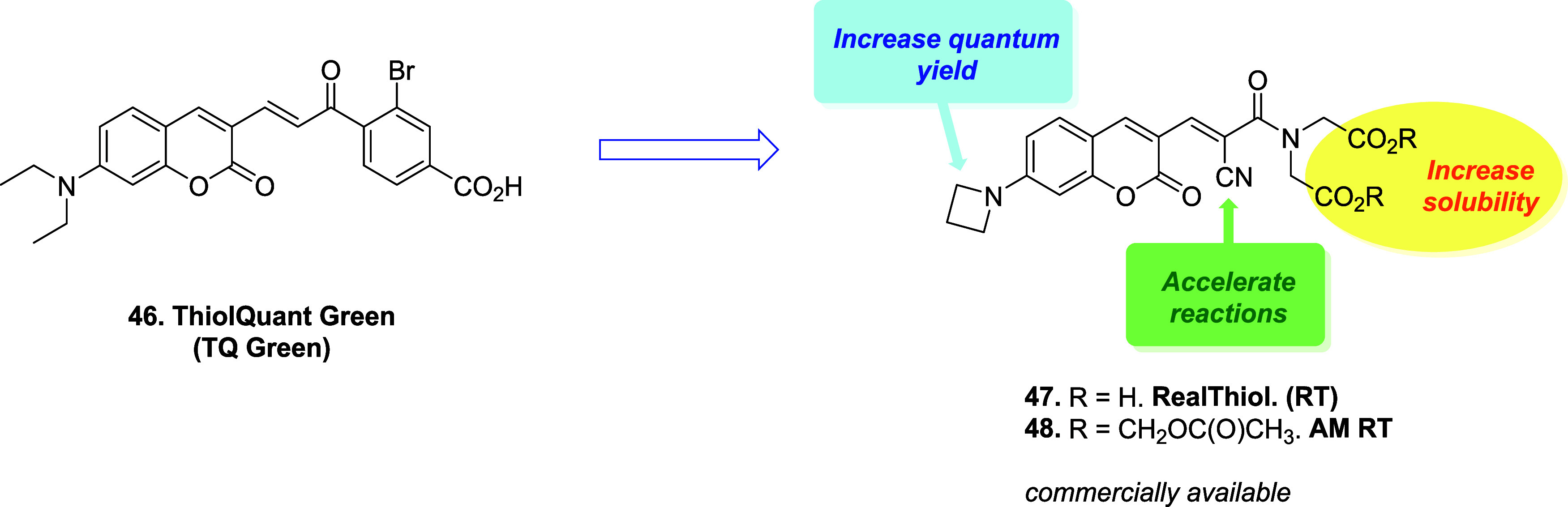 Figure 5
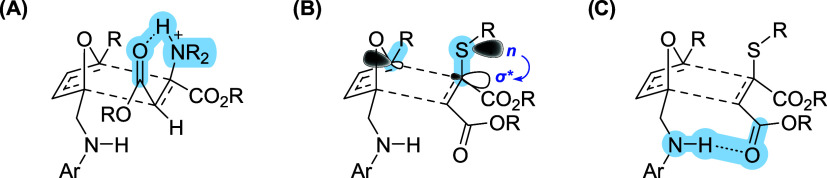 Figure 6
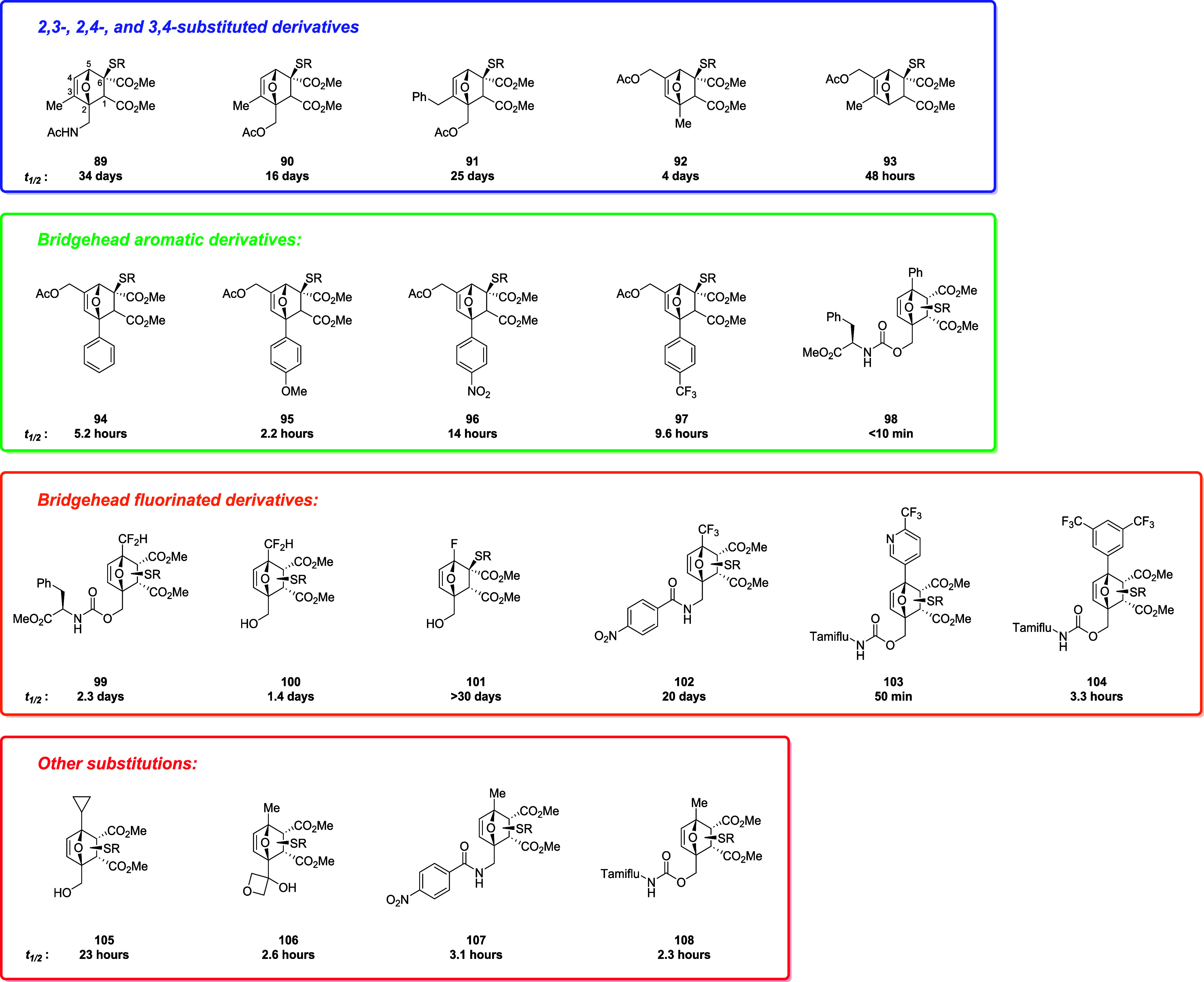 Figure 7
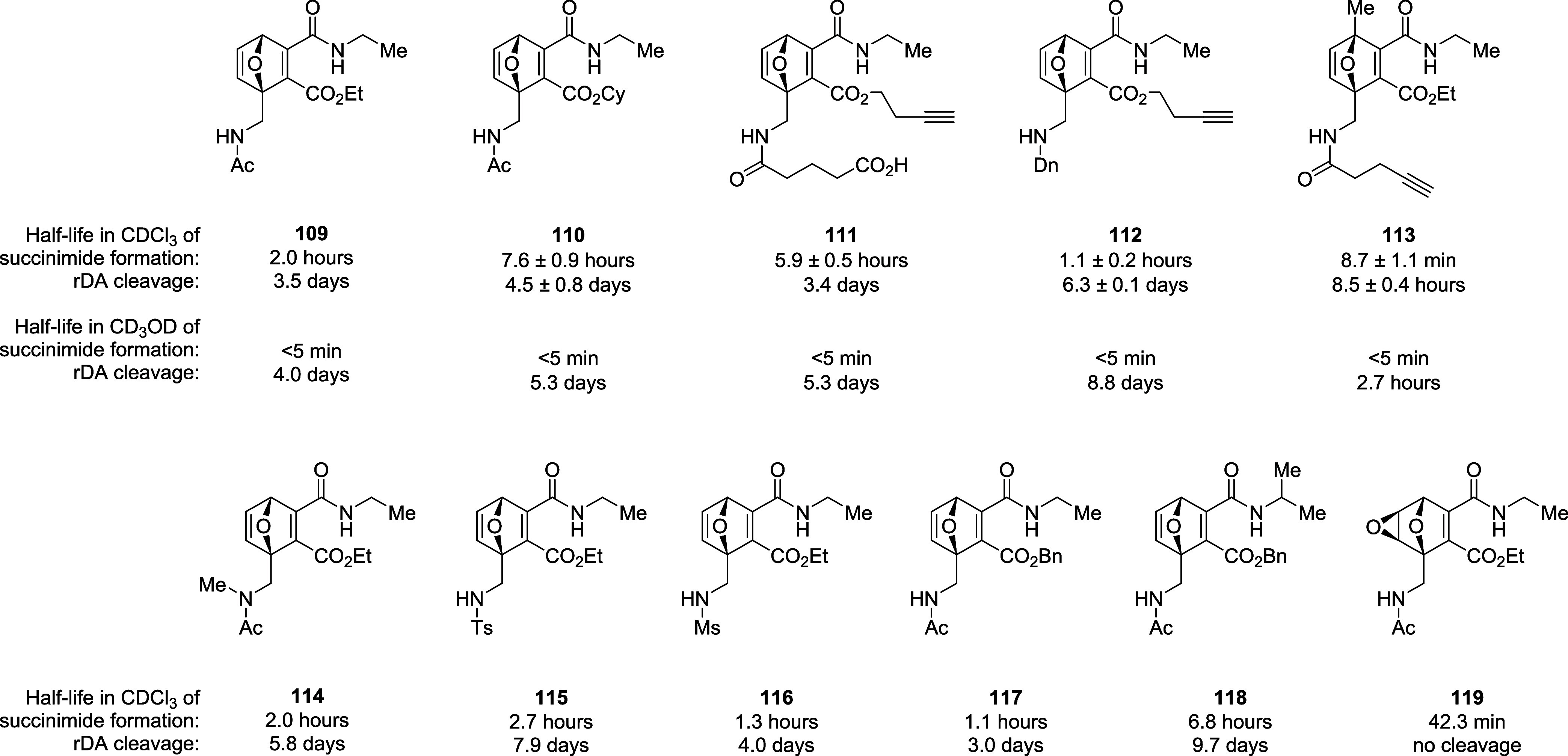 Figure 8
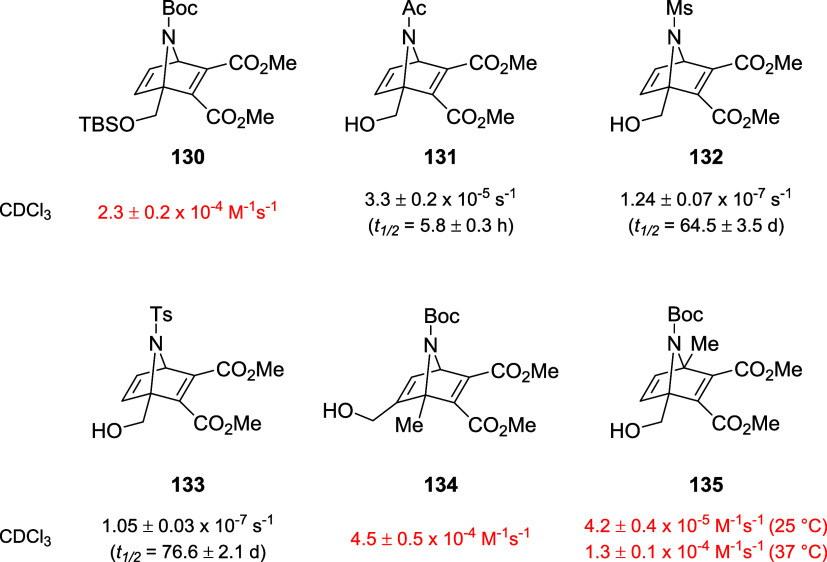 Figure 9
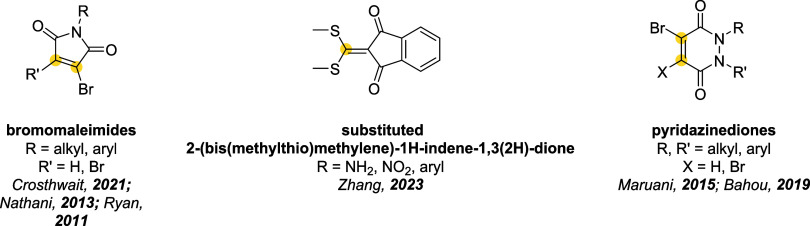 Figure 10
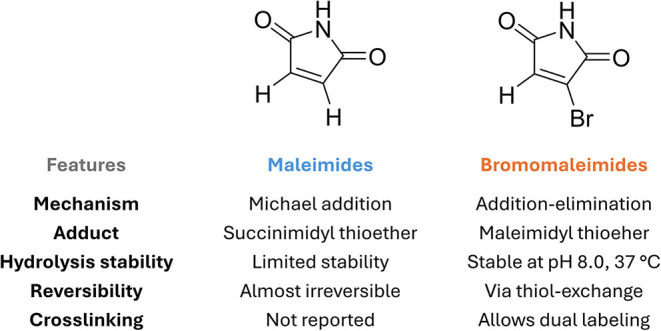 Figure 11
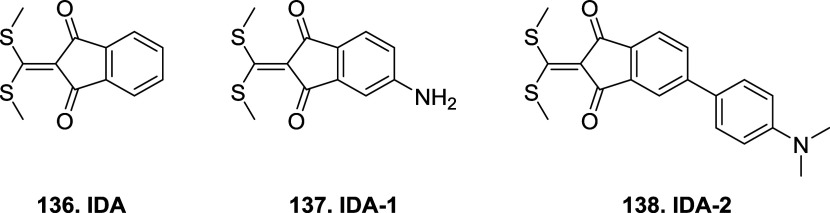 Figure 12
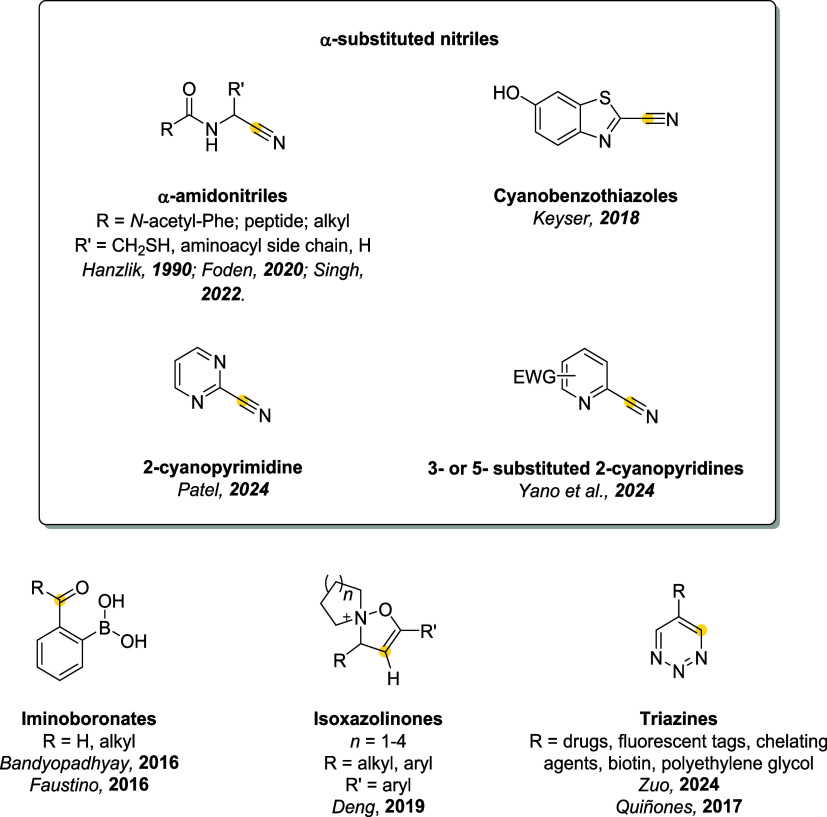 Figure 13
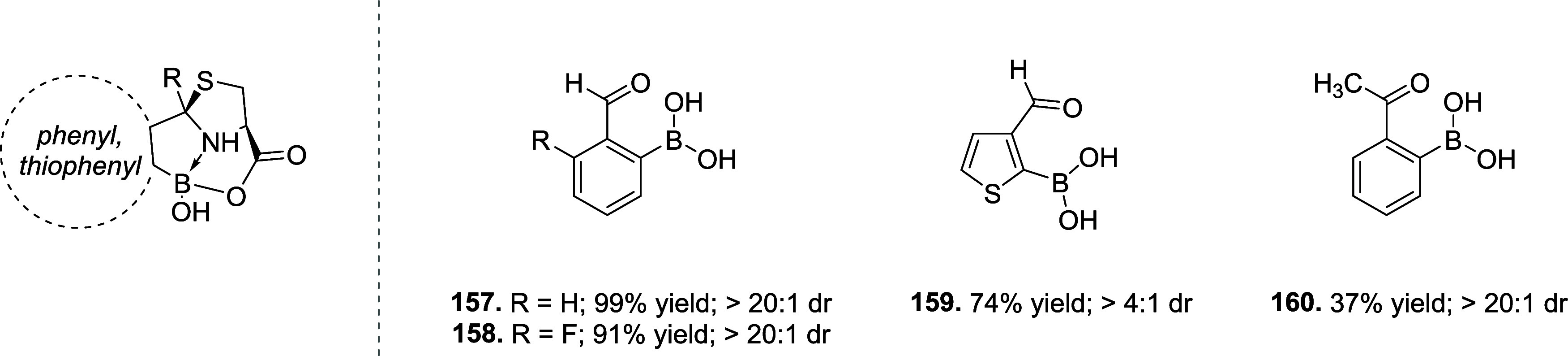 Figure 14
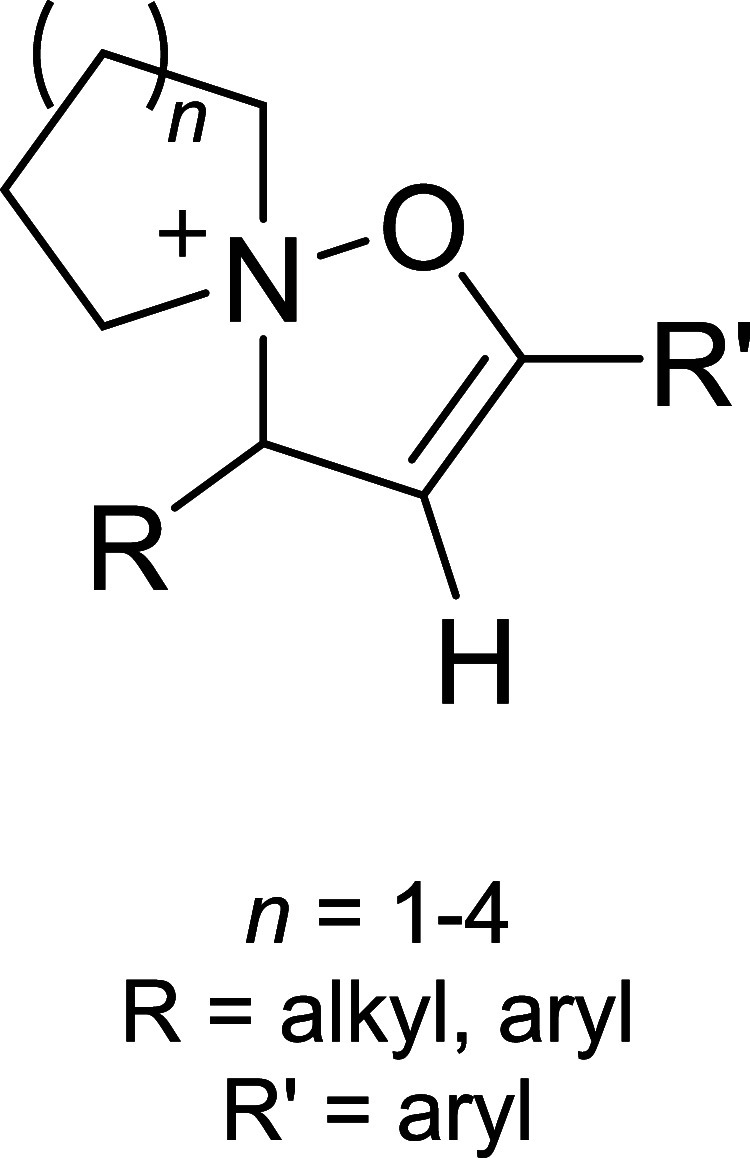 Figure 15
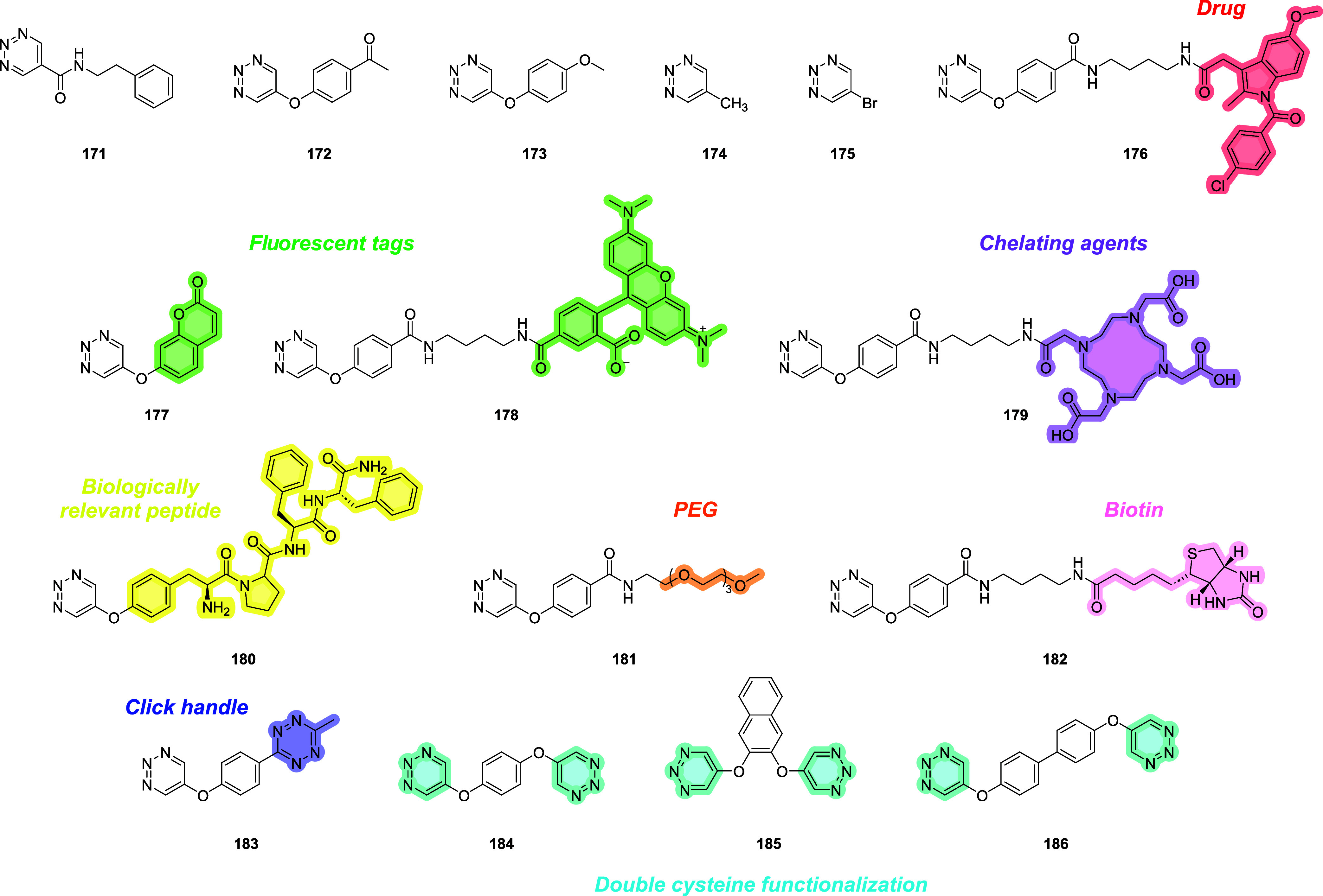 Figure 16
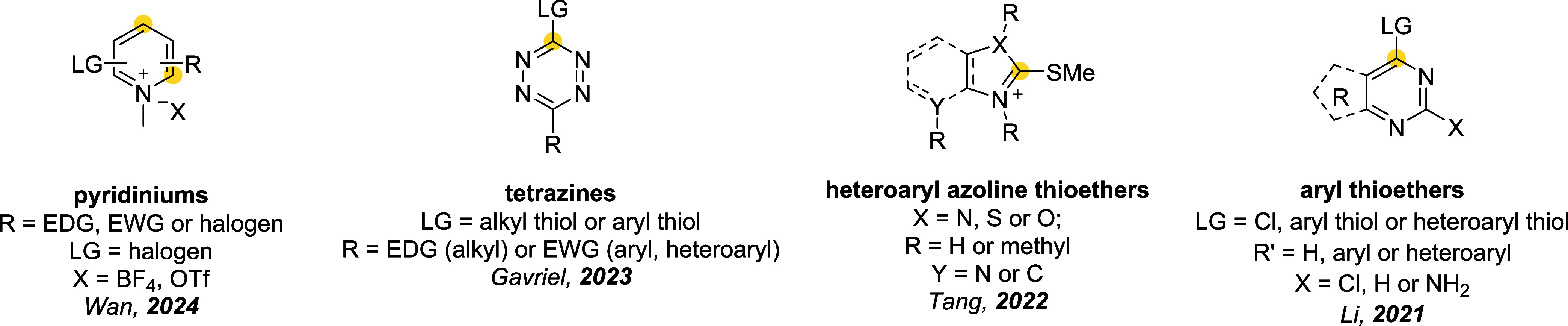 Figure 17
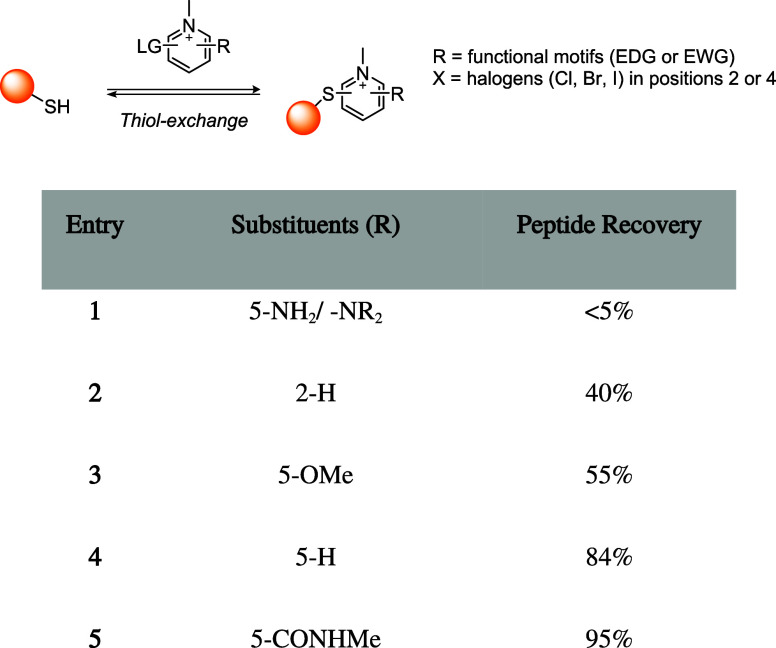 Figure 18
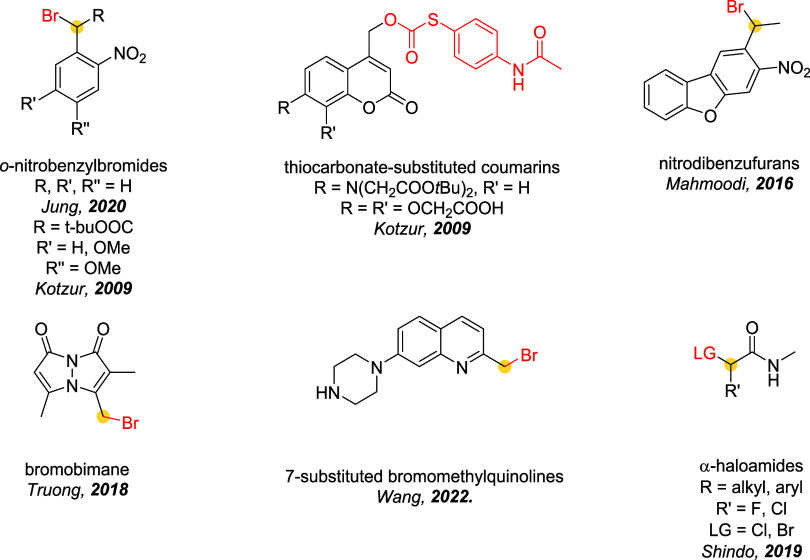 Figure 19
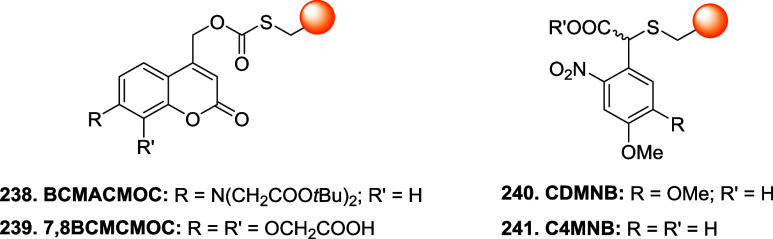 Figure 20
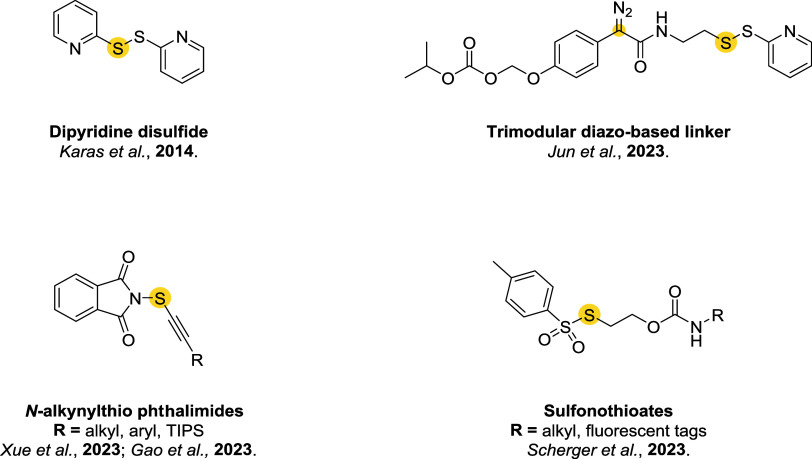 Figure 21
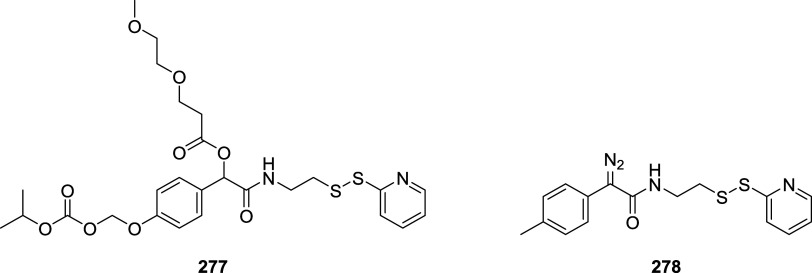 Figure 22
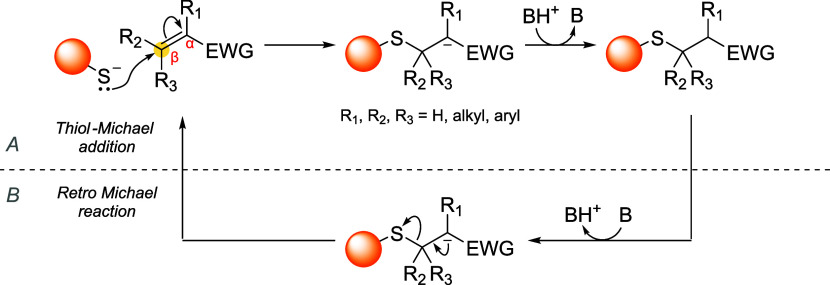 Figure 23
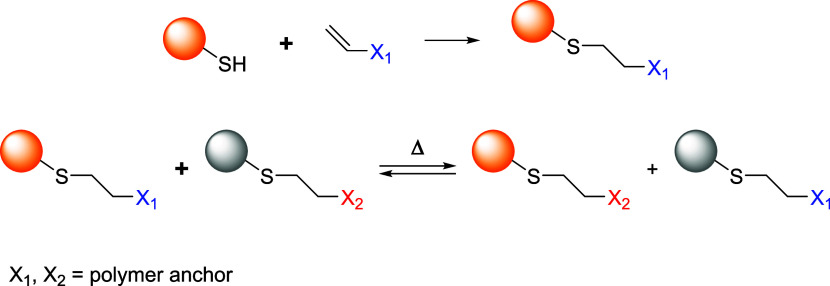 Figure 24
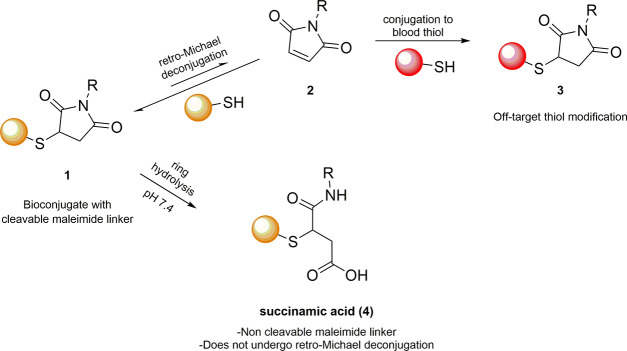 Figure 25
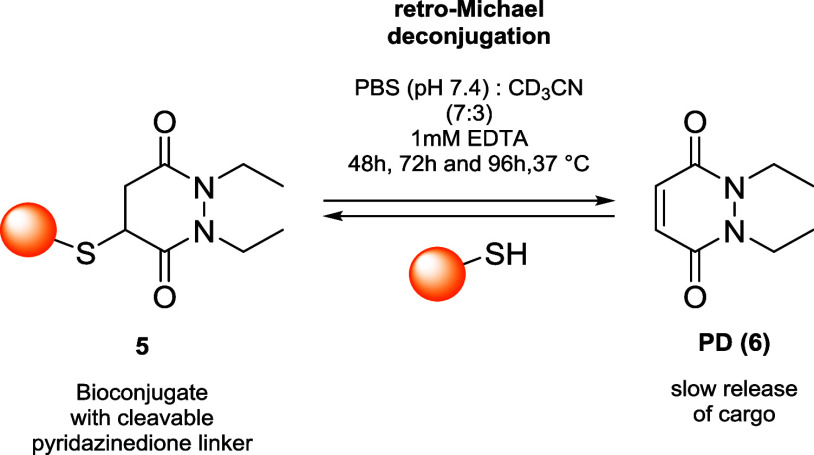 Figure 26
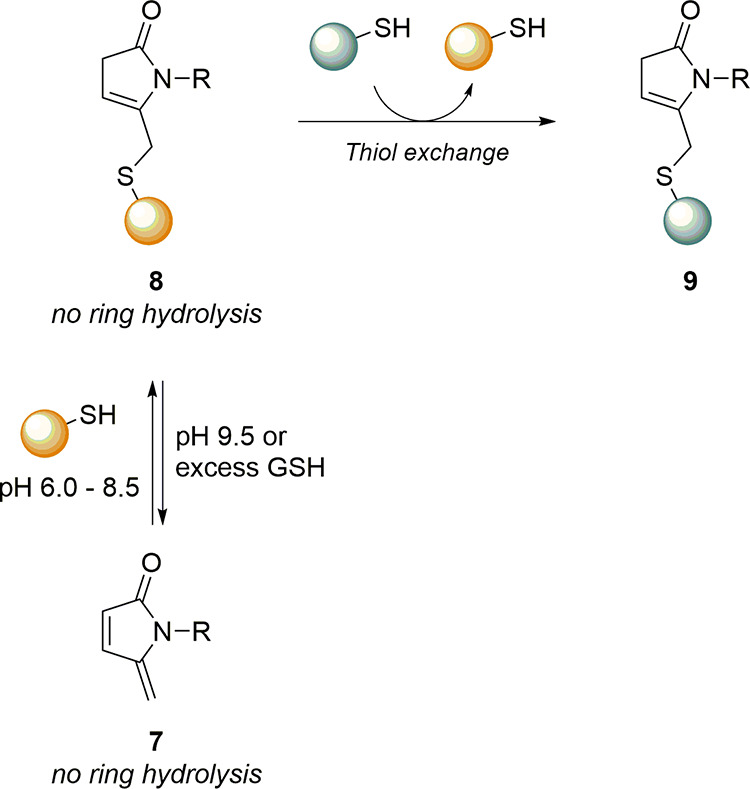 Figure 27
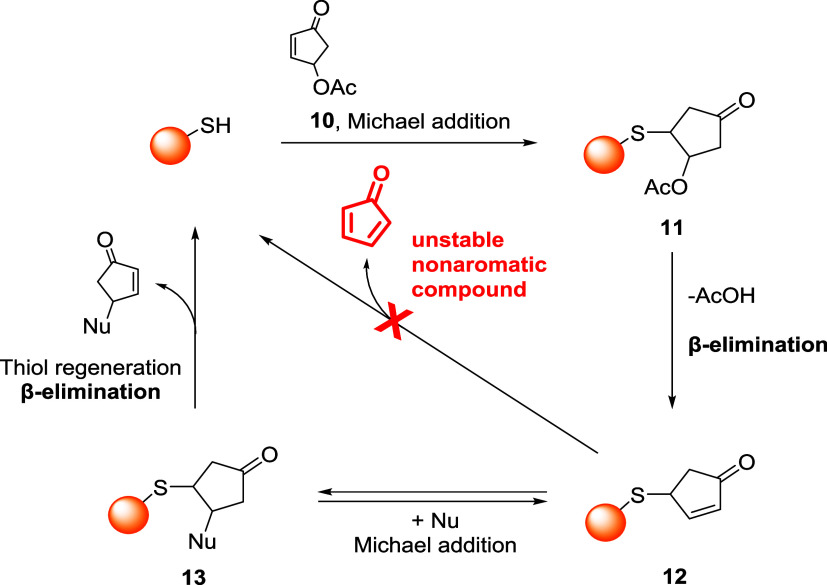 Figure 28
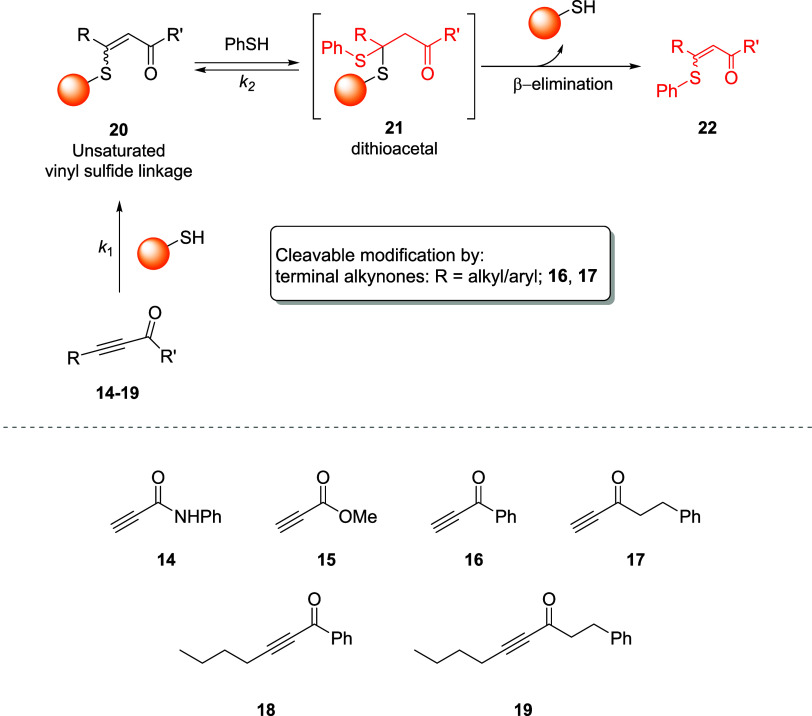 Figure 29
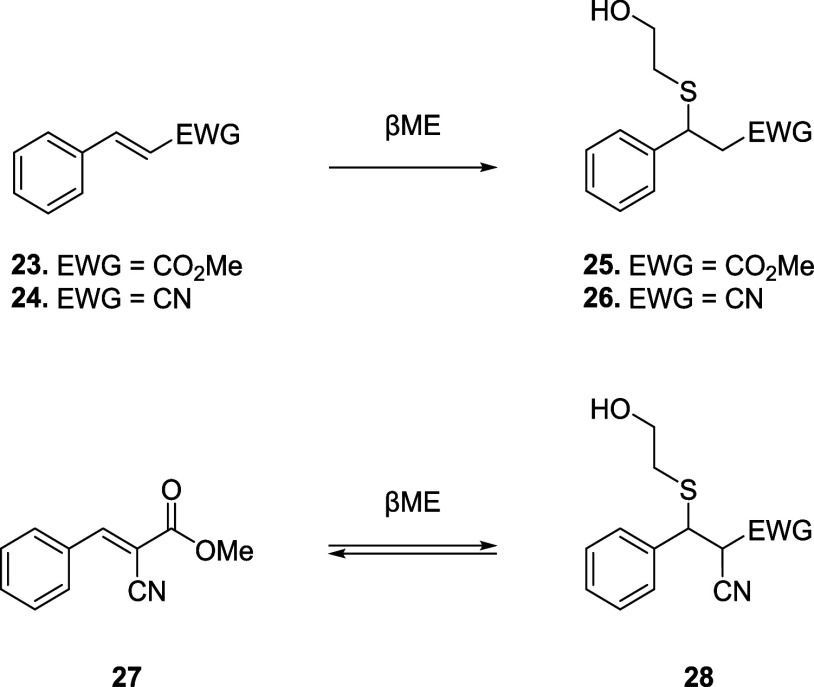 Figure 30
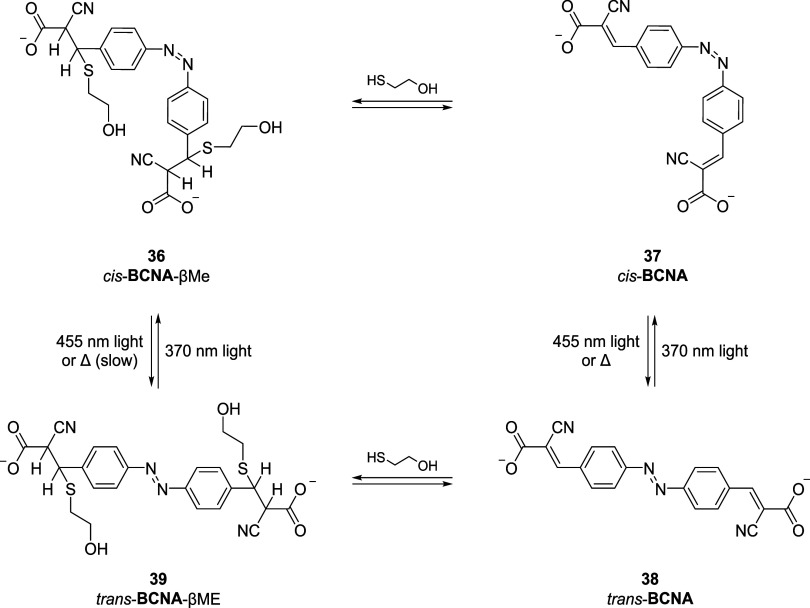 Figure 31
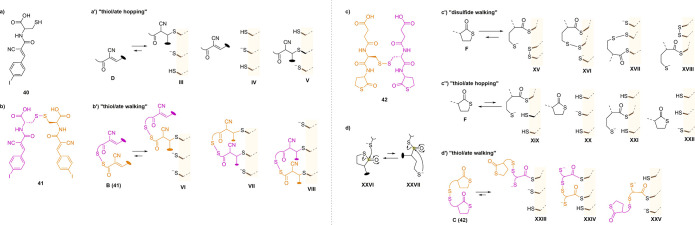 Figure 32
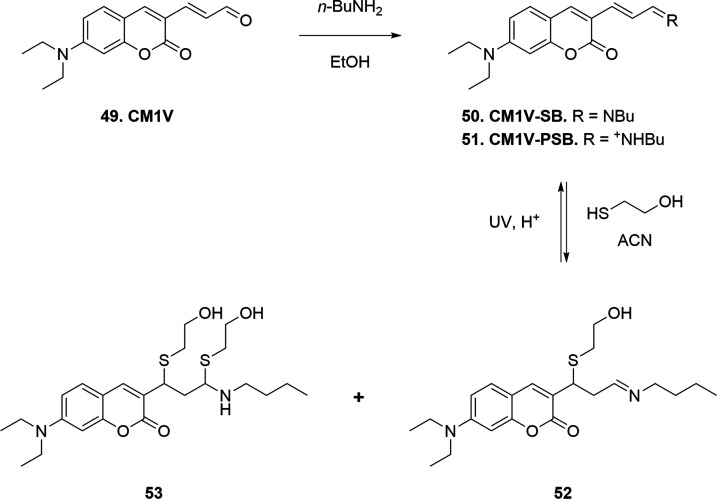 Figure 33
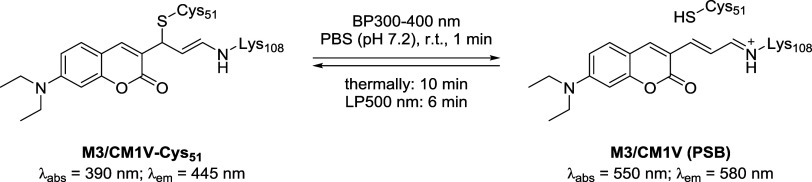 Figure 34
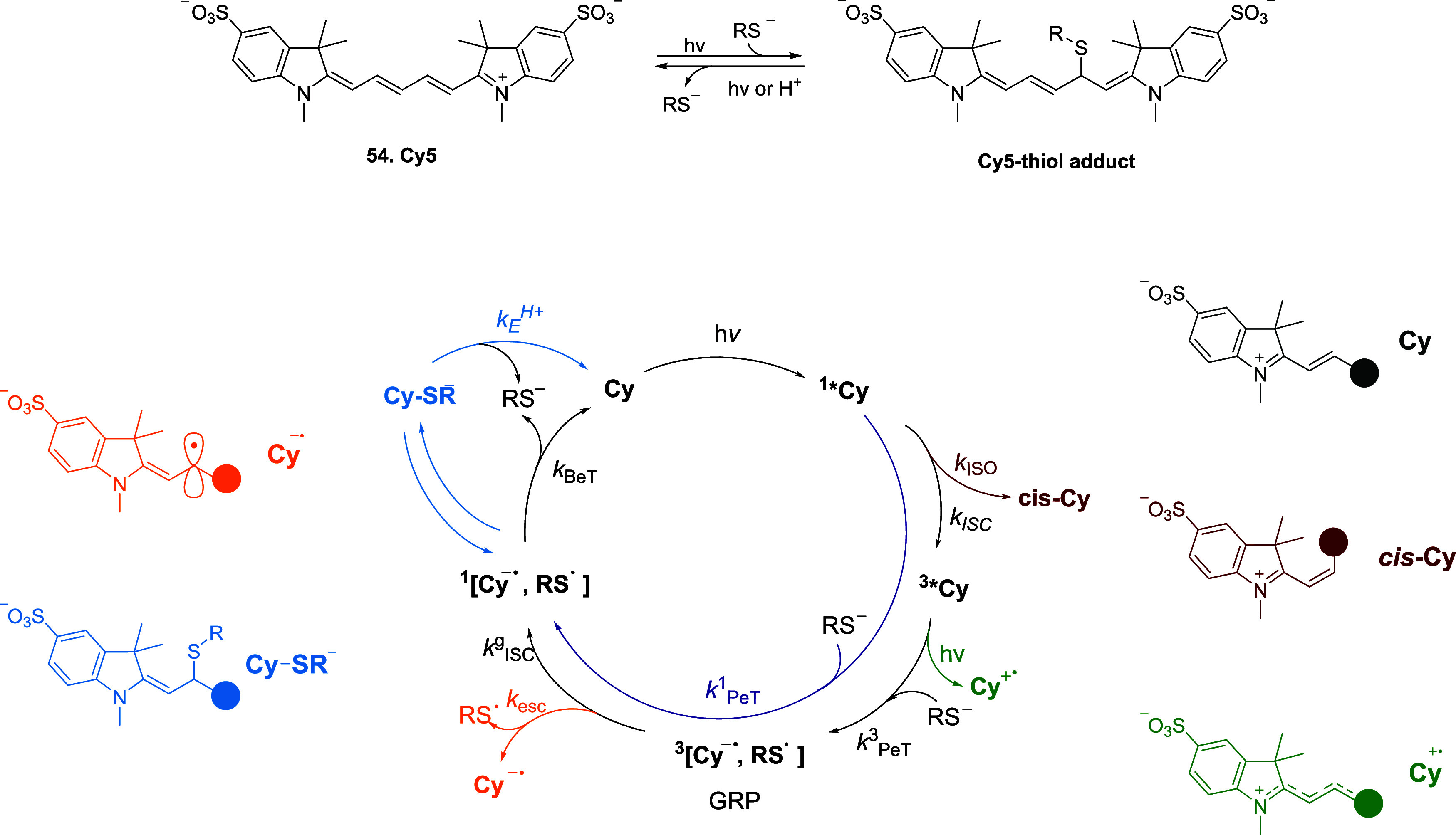 Figure 35
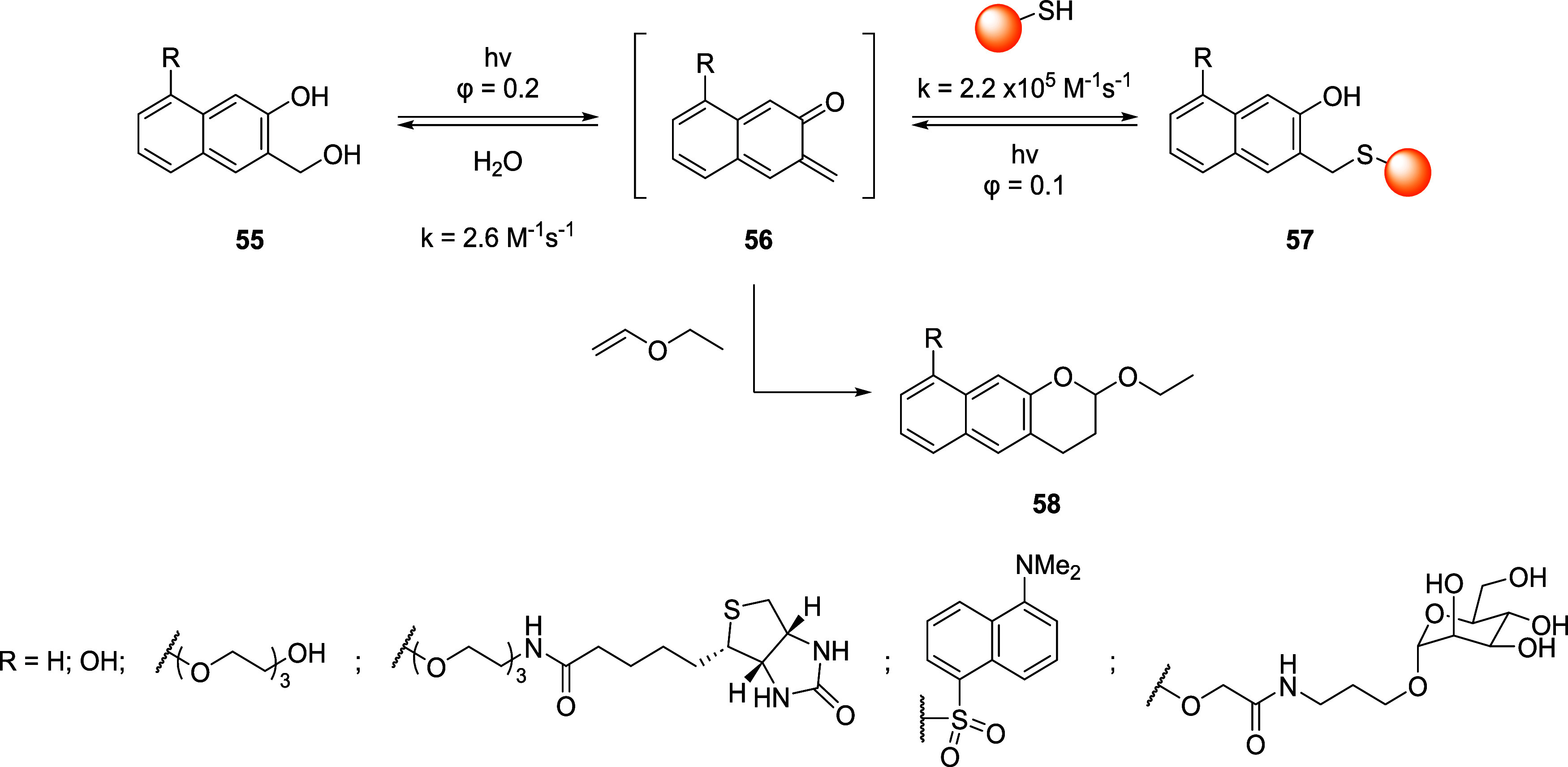 Figure 36
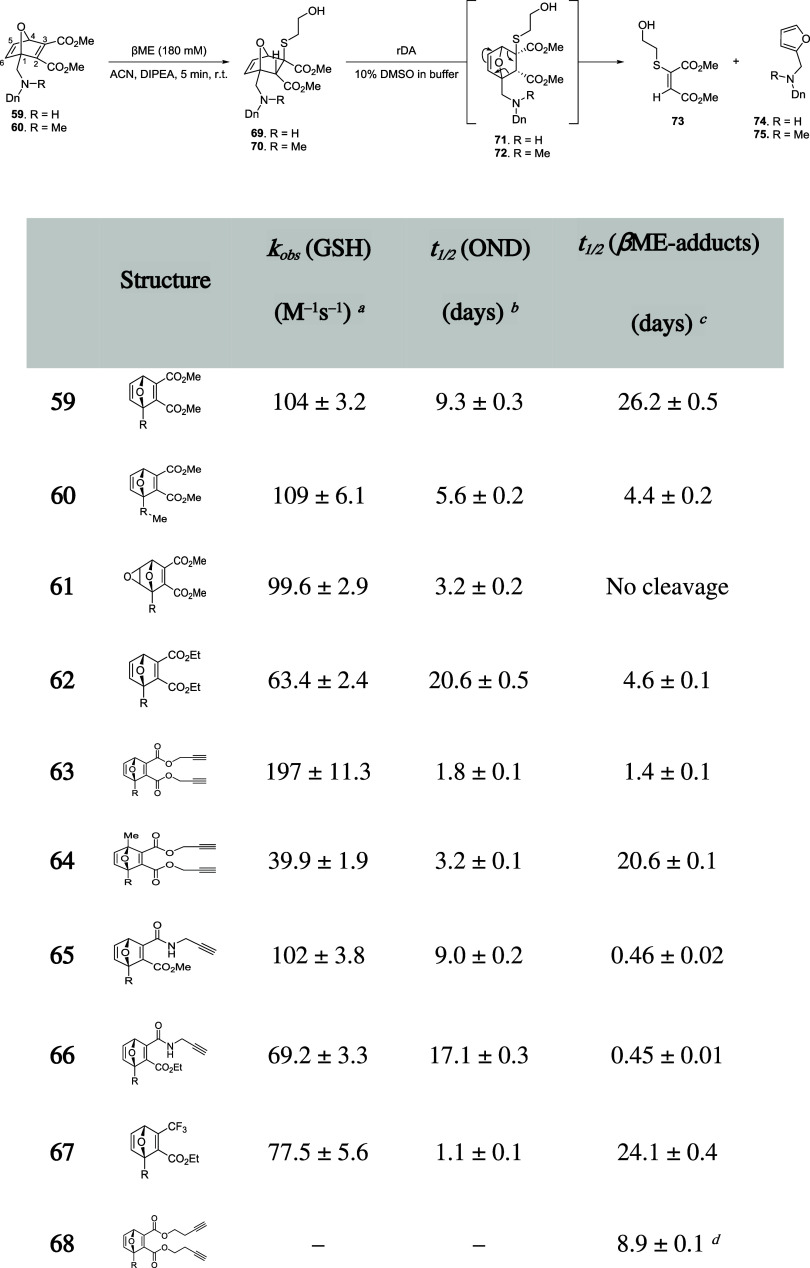 Figure 37
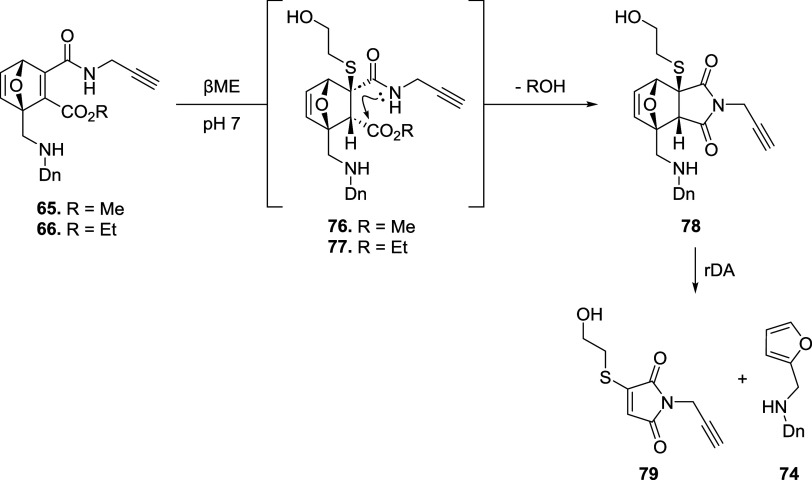 Figure 38
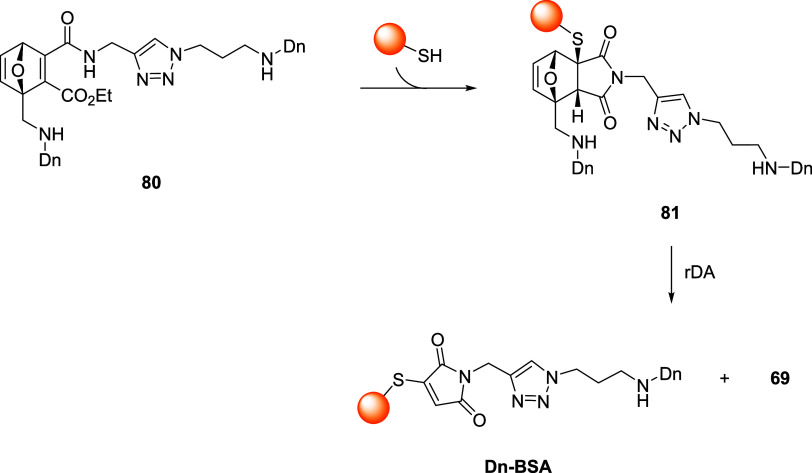 Figure 39
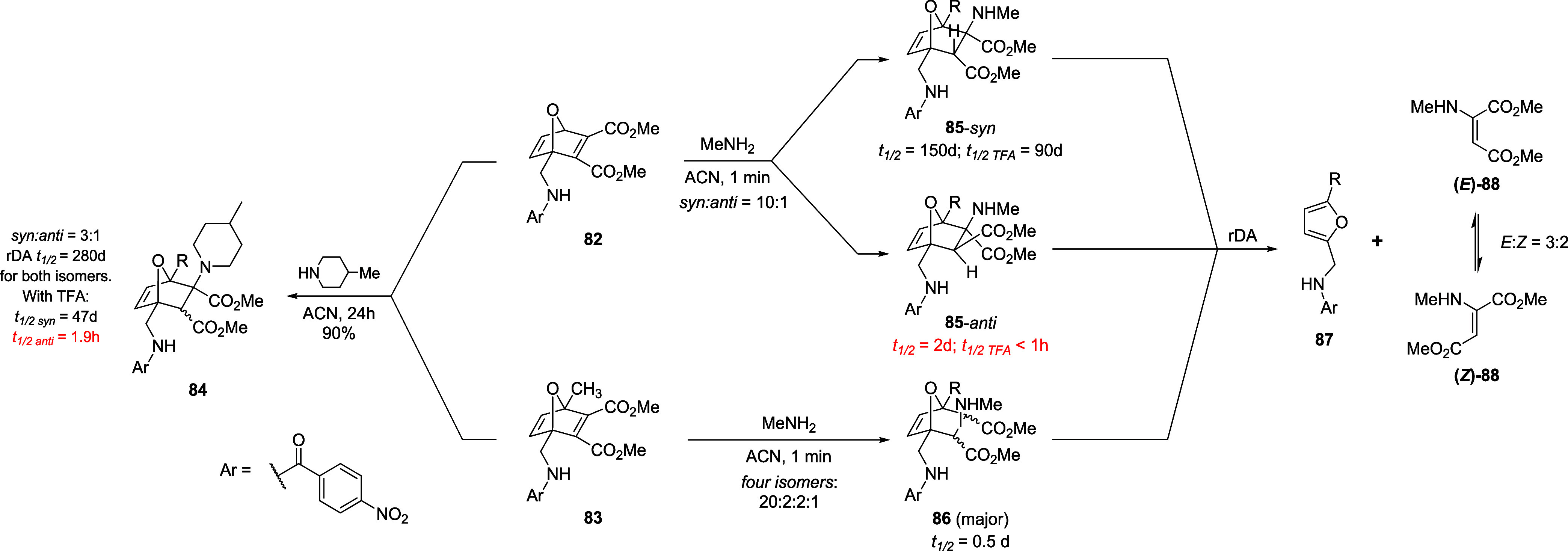 Figure 40
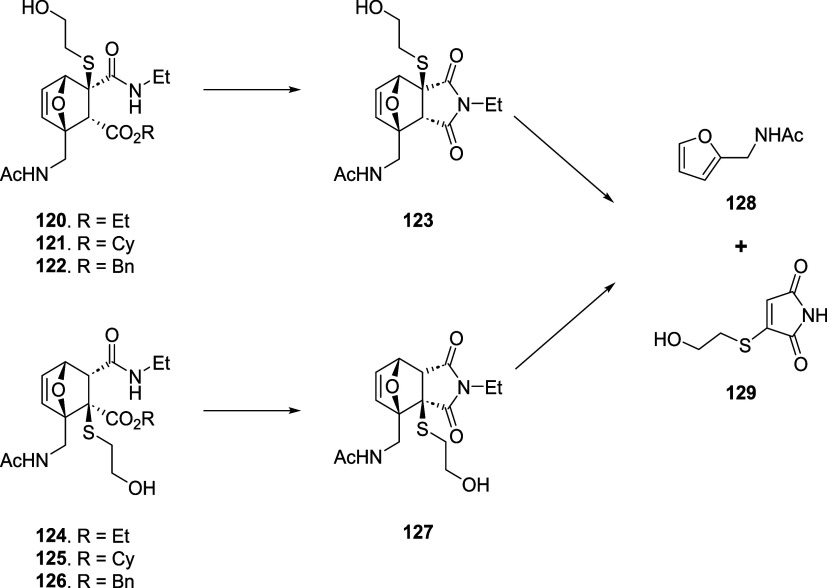 Figure 41
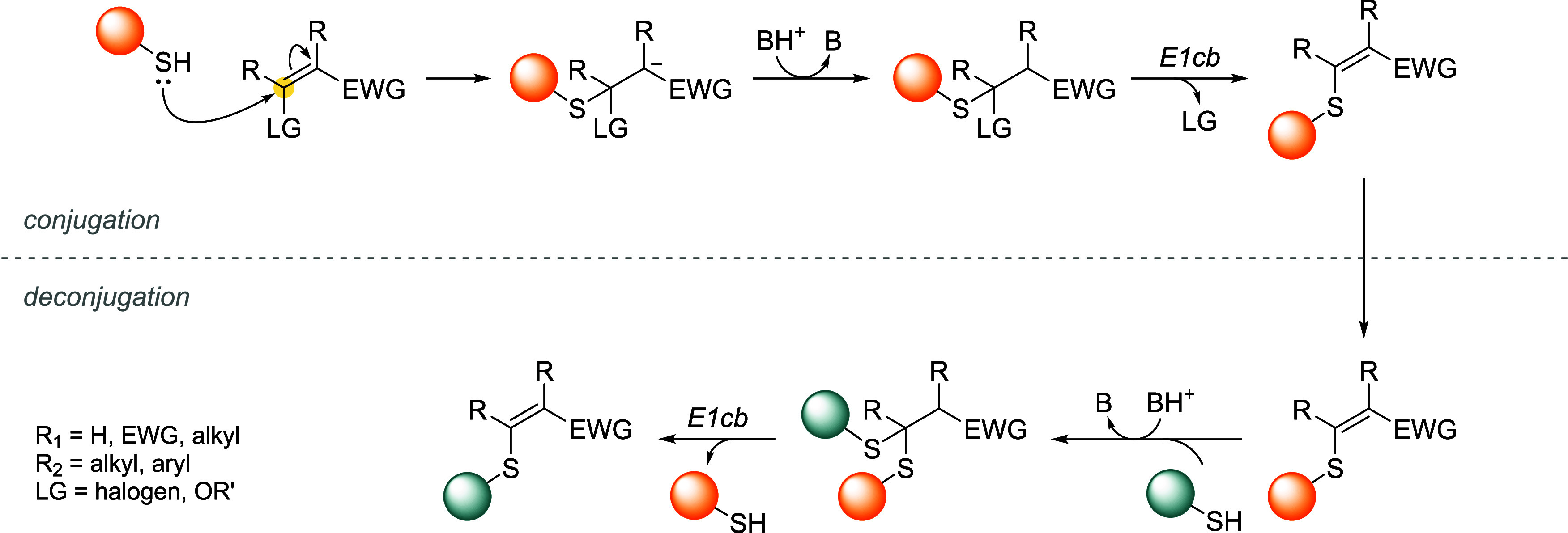 Figure 42
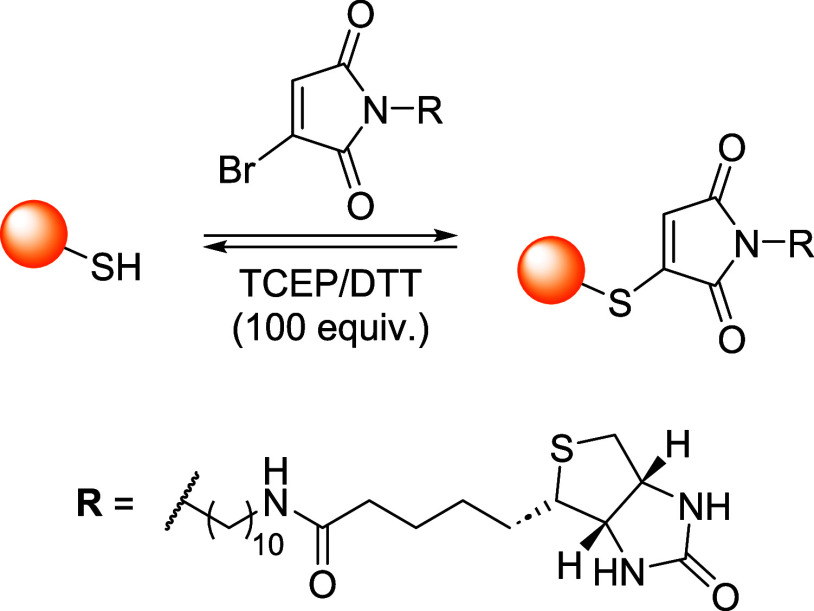 Figure 43
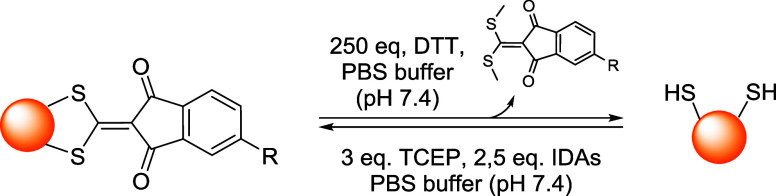 Figure 44
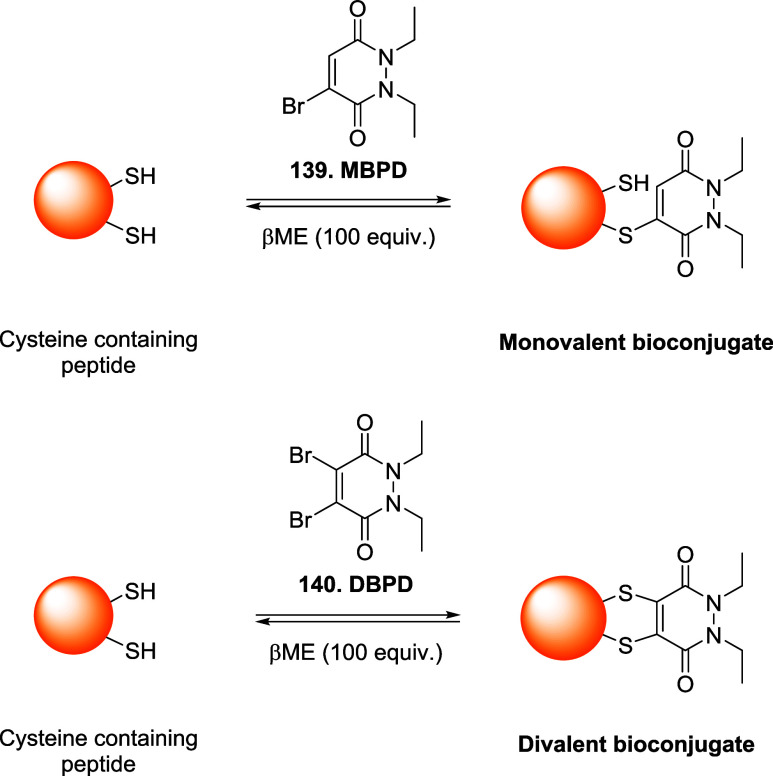 Figure 45
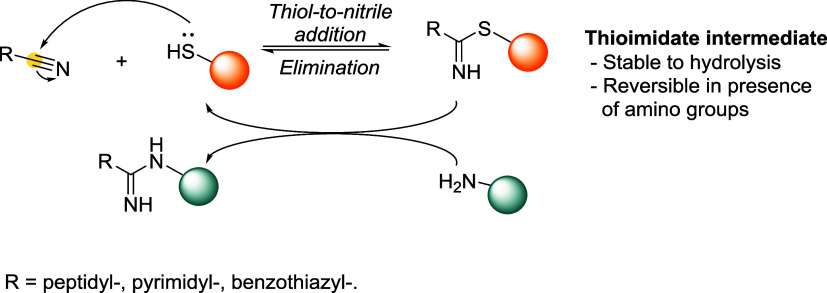 Figure 46
 Figure 47
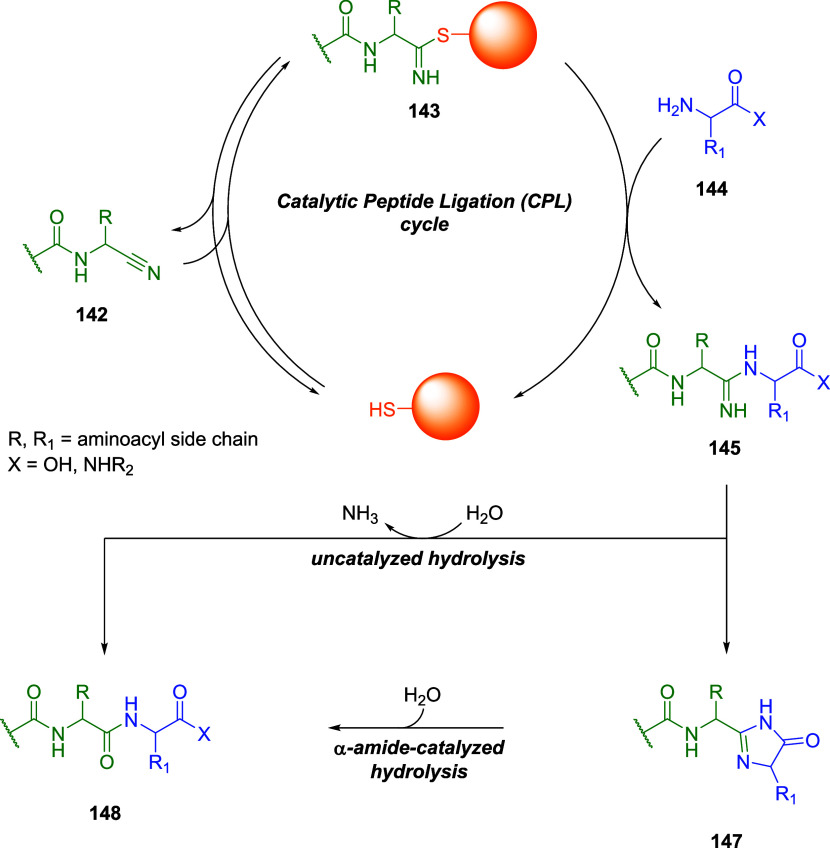 Figure 48
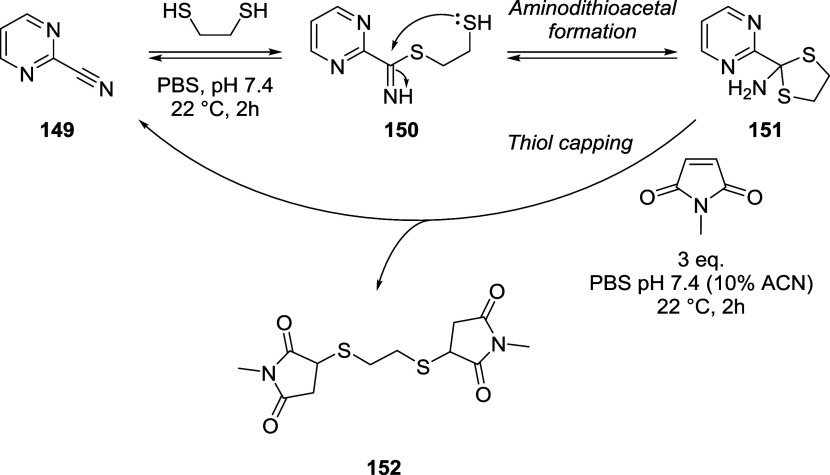 Figure 49
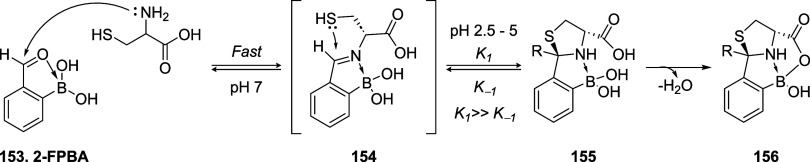 Figure 50
Peer Reviews
No public reviews on file for this paper yet. If you reviewed it on a platform where reviews are public (OpenReview, ICLR, NeurIPS, ICML), you can paste yours below so the community can read it here.
Videos
No videos yet. Explain this paper in a talk, walkthrough, or lecture? Add one.
Taxonomy
TopicsClick Chemistry and Applications · Chemical Synthesis and Analysis · Sulfur-Based Synthesis Techniques