Graph-Based Deep Learning Models for Predicting pK a Values of Protein-Ionizable Residues via Physically Inspired Feature Engineering
Ziyu Song, Ruixuan Wang, Xun Jiao, Zuyi Huang

TL;DR
This paper introduces a new method using deep learning and physics-based features to accurately predict pK a values of protein residues, which is important for drug discovery and protein engineering.
Contribution
The study proposes a novel framework combining molecular dynamics and graph-based deep learning models to improve pK a prediction accuracy.
Findings
Three graph-based models outperformed PROPKA3.5.1 in predicting pK a values for four residue types.
The graph attention network model showed high accuracy and generalizability compared to recent machine learning models.
Feature importance analysis revealed biophysically meaningful patterns related to residue pK a values.
Abstract
The pK a value of a protein-ionizable residue reflects its potency to donate a proton at a given pH value, which is essential for understanding a wide range of biological activity. Therefore, the accurate prediction of pK a values of protein residues is crucial for understanding enzymatic activity and protein–ligand binding, which are fundamental to drug discovery. Despite significant time and resources being invested to develop computational methods for protein residue pK a prediction, the accuracy of existing tools, such as the widely used PROPKA, remains limited. In this study, an integrated framework that fuses molecular dynamics simulations and deep learning models is proposed to improve the predictive accuracy of pK a values for ionizable residues. Specifically, we employ high-throughput molecular modeling using the AMOEBA polarized force field to construct a protein structure…
Genes, proteins, chemicals, diseases, species, mutations and cell lines named across the full text — each resolved to its canonical identifier and authoritative record.
Click any figure to enlarge with its caption.
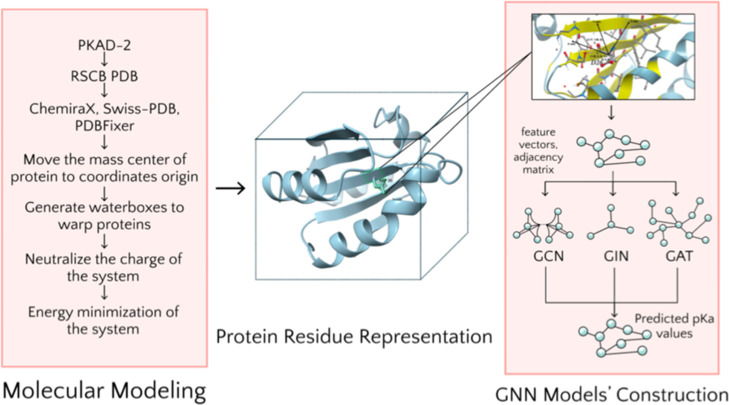 Figure 1
 Figure 2
 Figure 3
 Figure 4
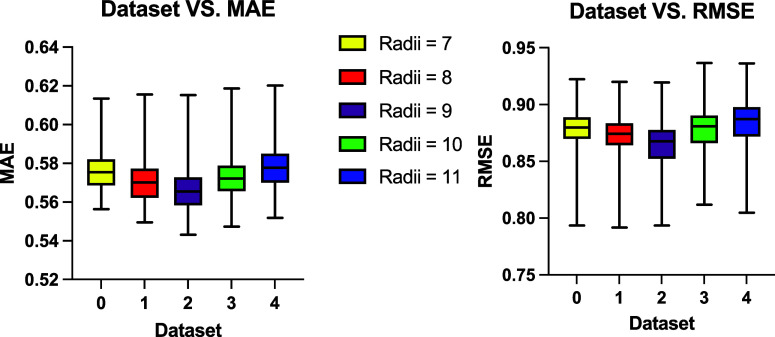 Figure 5
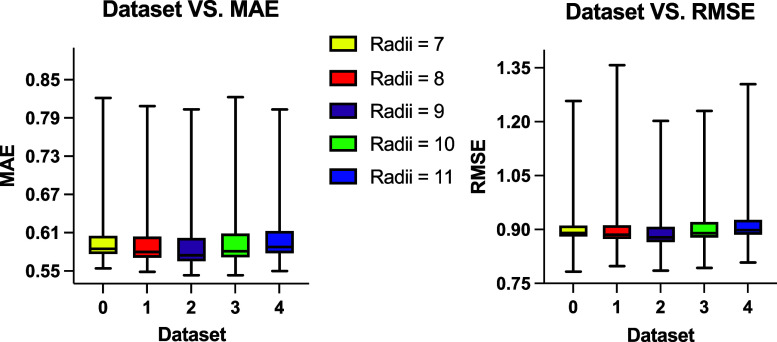 Figure 6
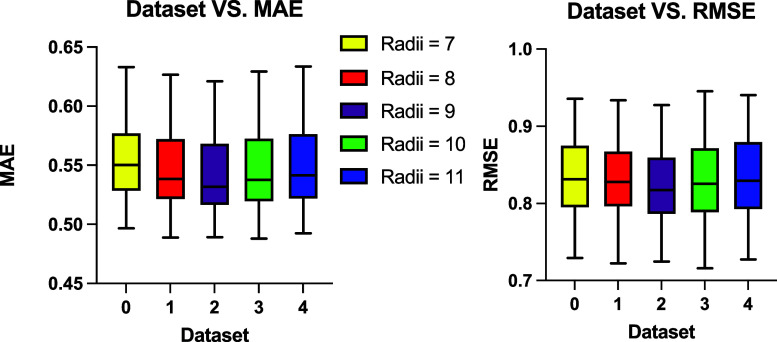 Figure 7
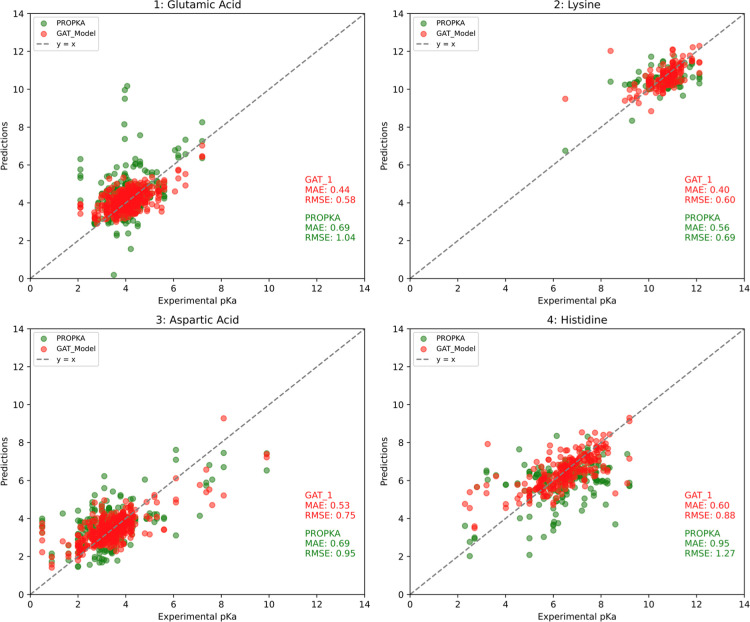 Figure 8
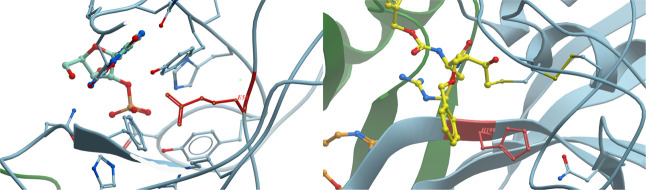 Figure 9
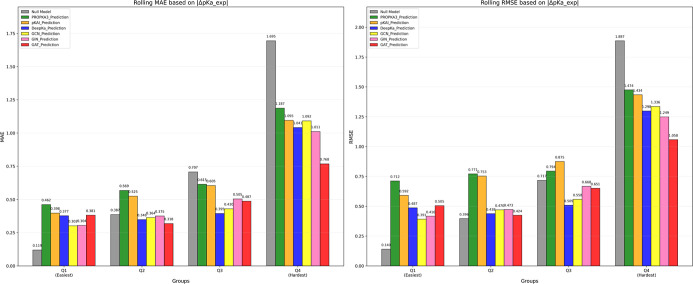 Figure 10
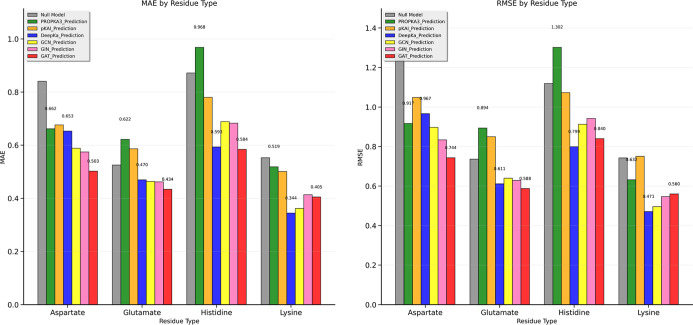 Figure 11
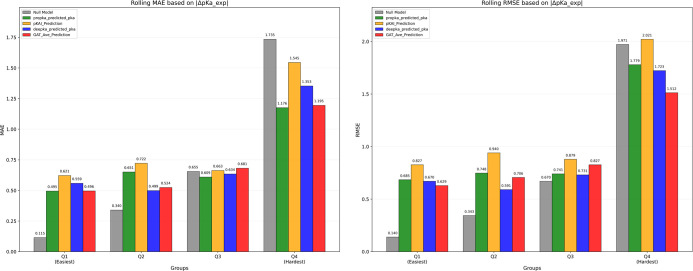 Figure 12
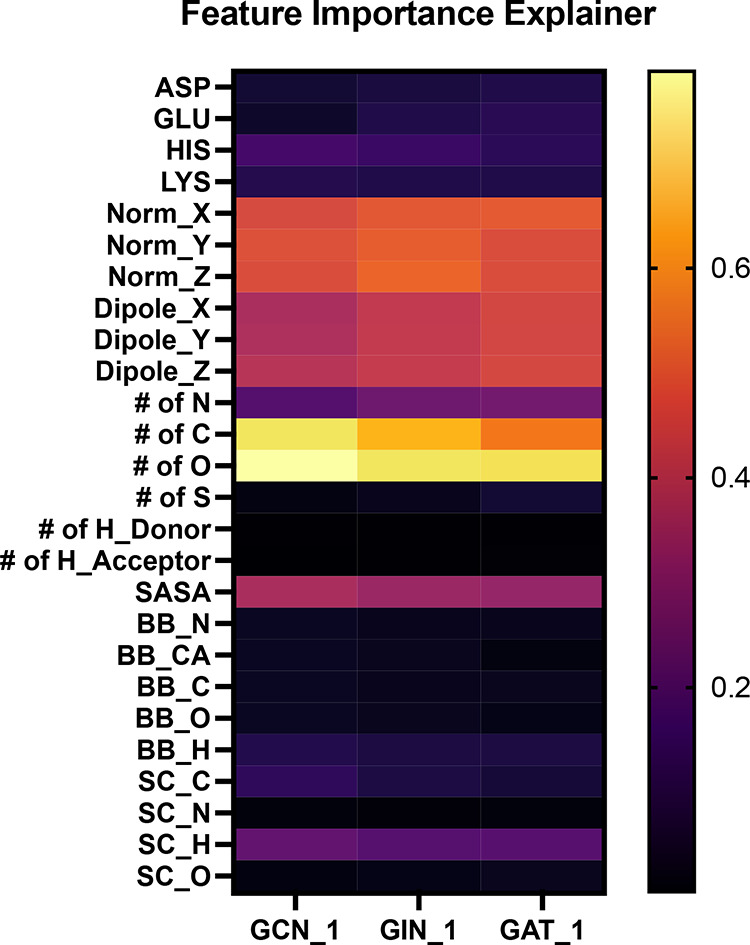 Figure 13
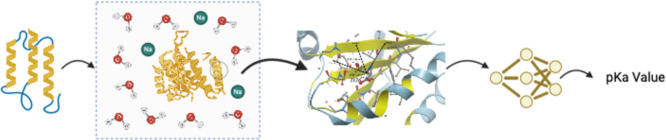 Figure 14
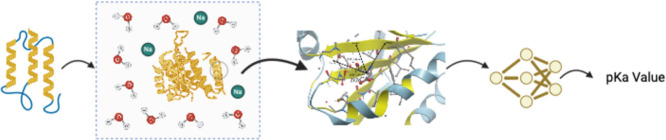 Figure 15
 Figure 16
 Figure 17
 Figure 18
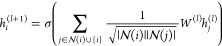 Figure 19
 Figure 20
 Figure 21
 Figure 22
 Figure 23
 Figure 24
 Figure 25
 Figure 26
 Figure 27
Peer Reviews
No public reviews on file for this paper yet. If you reviewed it on a platform where reviews are public (OpenReview, ICLR, NeurIPS, ICML), you can paste yours below so the community can read it here.
Videos
No videos yet. Explain this paper in a talk, walkthrough, or lecture? Add one.
Taxonomy
TopicsComputational Drug Discovery Methods · Protein Structure and Dynamics · Machine Learning in Bioinformatics