Combined Modeling Approaches for Assessing Sodium-Iodide Symporter Inhibition
Julia Kandler, Ayse Sıla Kantarçeken, Aljoša Smajić, Gerhard F. Ecker

TL;DR
This paper explores how inhibiting the sodium-iodide symporter during brain development may lead to neurodevelopmental disorders and introduces a new method to predict such inhibition using machine learning and docking.
Contribution
A novel framework combining machine learning and docking for predicting sodium-iodide symporter inhibition is introduced.
Findings
Combining ML and docking predictions achieved an ROC AUC of 0.77 for NIS inhibition prediction.
Optimal thresholds yielded a balanced accuracy of 0.78 and MCC of 0.32 on the test set.
The framework was trained on a diverse dataset of 1412 compounds.
Abstract
The sodium-iodide symporter (NIS, SLC5A5) plays a crucial role in thyroid hormone synthesis. Especially during brain development, correct thyroid signaling is of critical importance. Hence, inhibition of this transporter can lead to neurodevelopmental disorders, such as lowered IQ or autism. In order to uncover environmental chemicals with the potential of causing developmental neurotoxicity (DNT), NIS was selected for modeling. To support next-generation risk assessment, in silico-based methods were utilized. Docking-based virtual screening workflows of a library of compounds with experimentally determined inhibitory activity on NIS were applied. In addition, machine learning (ML) models based on random forest (RF), extreme gradient boosting (XGB), and support vector machines (SVM) were trained using extended-connectivity fingerprints 4 (ECFP4) and continuous and data-driven…
Genes, proteins, chemicals, diseases, species, mutations and cell lines named across the full text — each resolved to its canonical identifier and authoritative record.
Click any figure to enlarge with its caption.
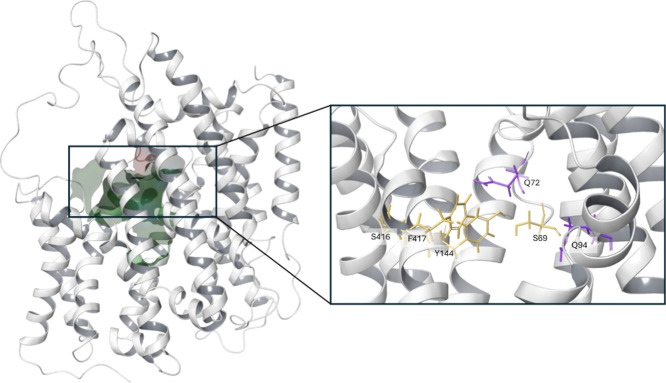 Figure 1
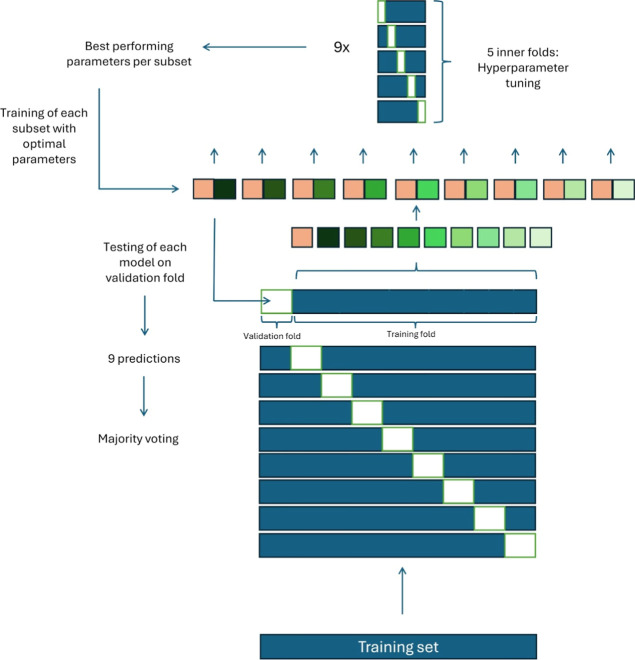 Figure 2
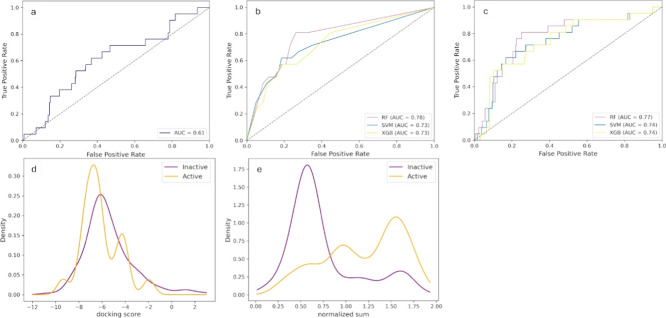 Figure 3
 Figure 4
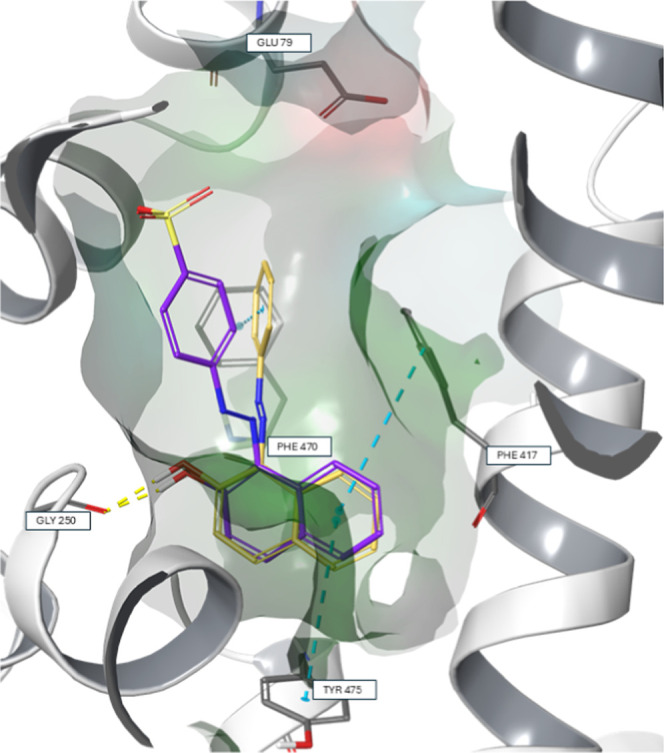 Figure 5
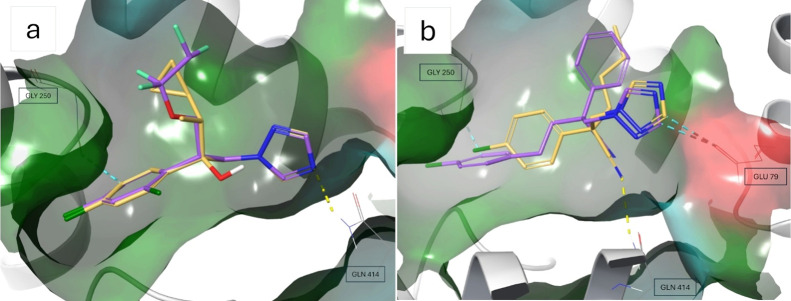 Figure 6
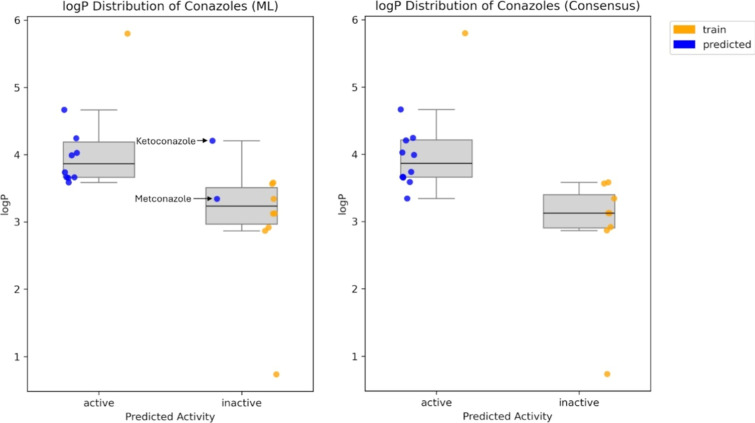 Figure 7
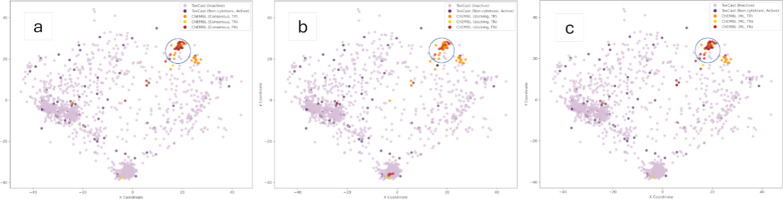 Figure 8
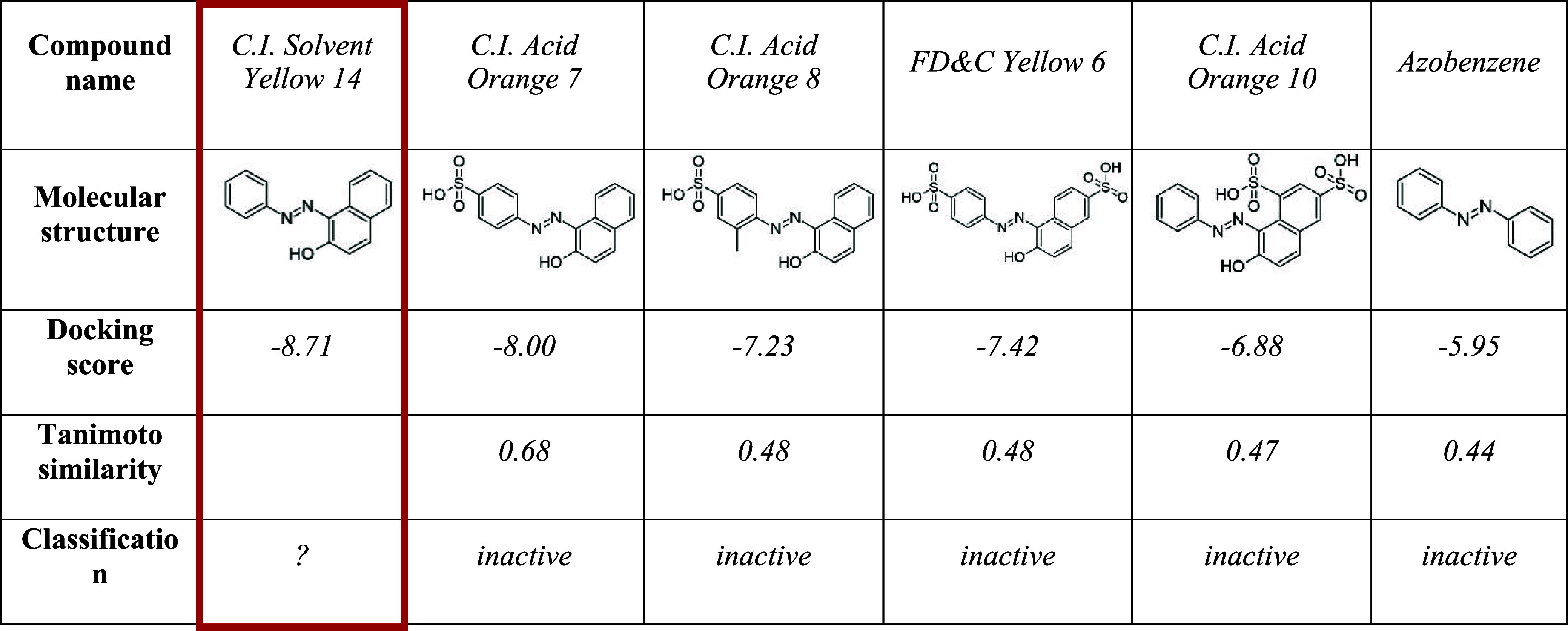 Figure 9
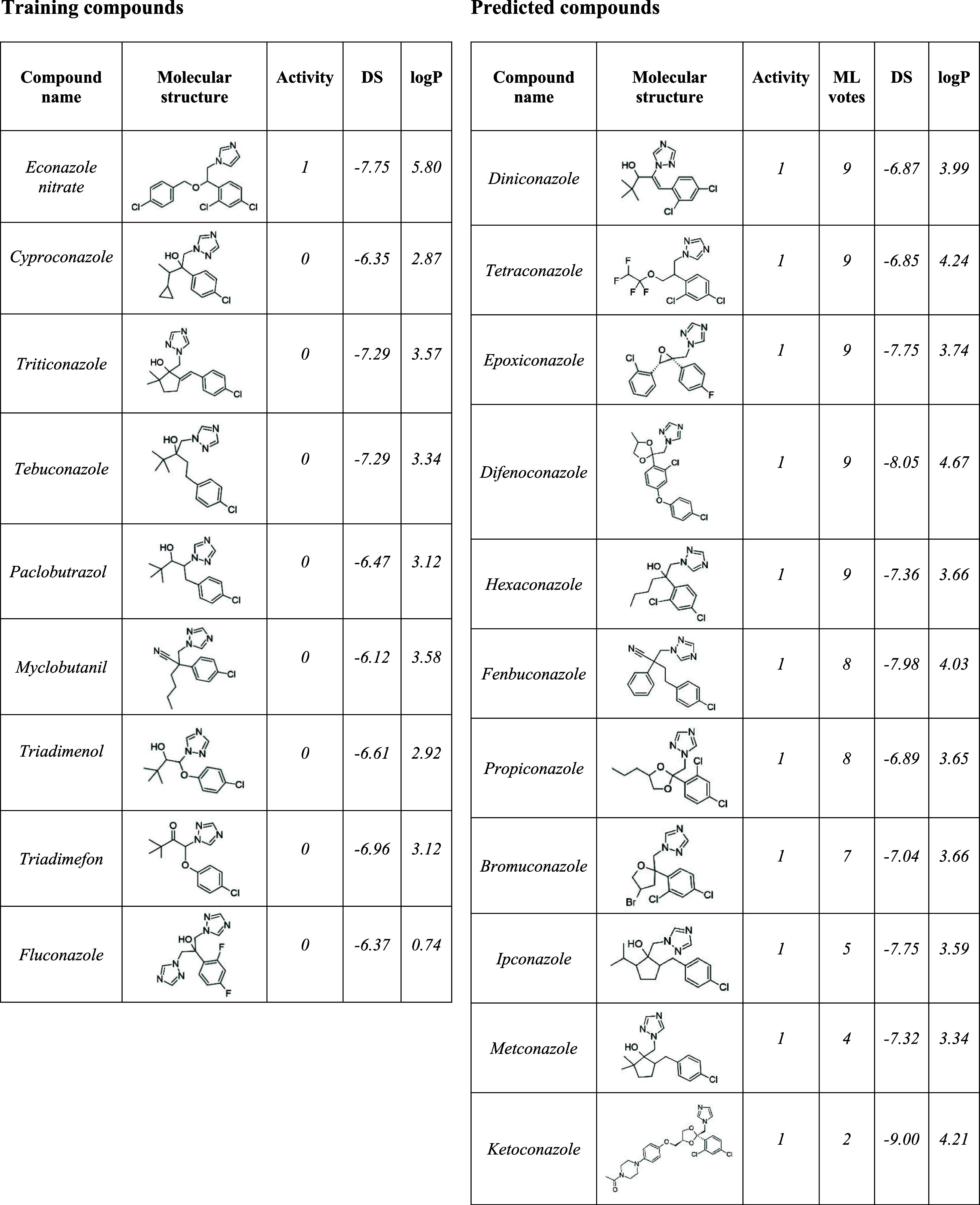 Figure 10
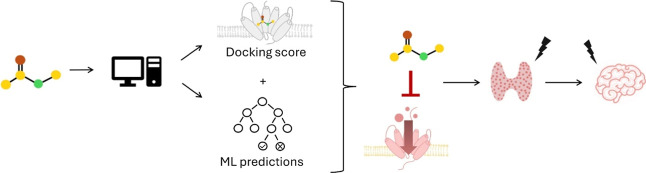 Figure 11
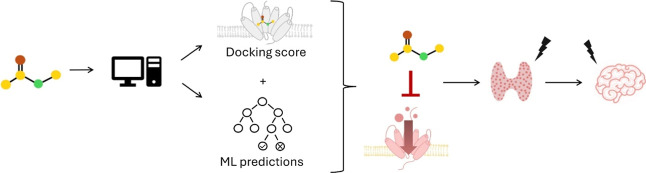 Figure 12
 Figure 13
Peer Reviews
No public reviews on file for this paper yet. If you reviewed it on a platform where reviews are public (OpenReview, ICLR, NeurIPS, ICML), you can paste yours below so the community can read it here.
Videos
No videos yet. Explain this paper in a talk, walkthrough, or lecture? Add one.
Taxonomy
TopicsMachine Learning in Bioinformatics · Computational Drug Discovery Methods · Biomedical Text Mining and Ontologies