Tyrosinase Cross-Linked PEG Hydrogels with DAT and DATT as Artificial Substrates: Design, Structure, and Functions
Miroslava Racheva, Javier Basalo Lourido, Enise Ece Gurdal, Martin Herbst, Seyhmus Bayar, Daniela Radzik, Elen Bähr, Constanze Zwies, Axel T. Neffe, Markus Pietzsch, Andreas Lendlein, Christian Wischke

TL;DR
Researchers designed new hydrogels using tyrosinase and artificial substrates, showing potential for biomedical applications due to their controlled release and inert properties.
Contribution
Identification of DAT and DATT as superior artificial substrates for tyrosinase-catalyzed hydrogel synthesis.
Findings
DAT and DATT were more efficiently converted by tyrosinase than tyrosine.
Hydrogel properties were tuned by molecular weight, substrate type, and enzyme concentration.
Hydrogels showed inertness in cell culture and controlled release capabilities.
Abstract
Enzymes such as oxidases are sustainable tools for hydrogel synthesis, but complex competing reactions have limited the mechanistic understanding and biomedical applications of these materials. Guided by molecular docking and MM-GBSA calculations, we identified two artificial substrates, desaminotyrosine (DAT) and desaminotyrosyltyrosine (DATT), that were experimentally more efficiently converted by mushroom tyrosinase (mTyr) than the natural substrate tyrosine. These substrates were used to synthesize hydrogels from DAT/DATT-functionalized star-shaped oligoethylene glycol (sOEG). Model reactions elucidated the chemical nature and functionality of the hydrogel netpoints. Material properties were systematically investigated depending on sOEG molecular weight (5, 10, 20 kDa), substrate type, and mTyr concentration. Functional mesh sizes and controlled release functions were investigated…
Genes, proteins, chemicals, diseases, species, mutations and cell lines named across the full text — each resolved to its canonical identifier and authoritative record.
Click any figure to enlarge with its caption.
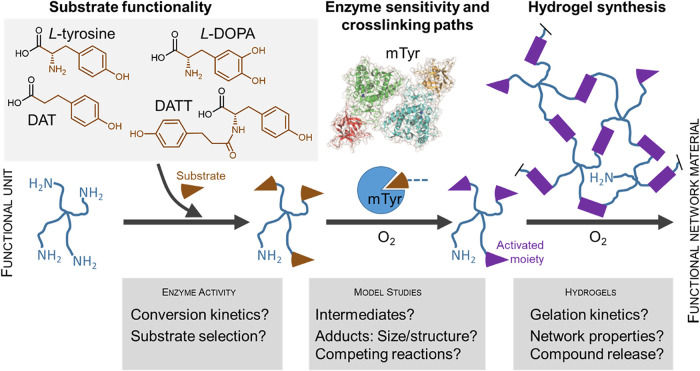 Figure 1
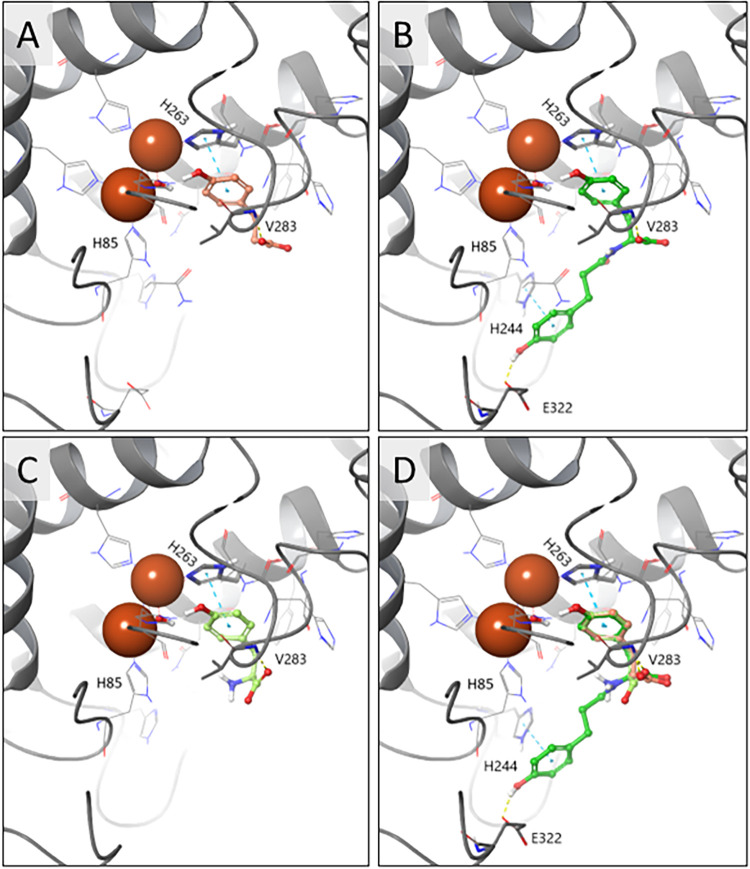 Figure 2
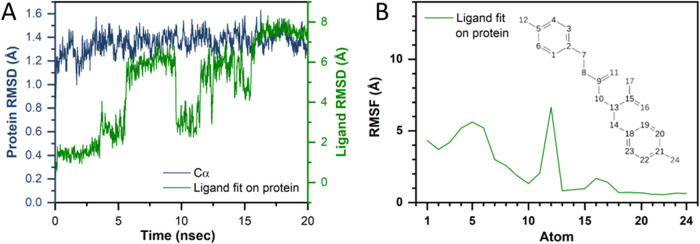 Figure 3
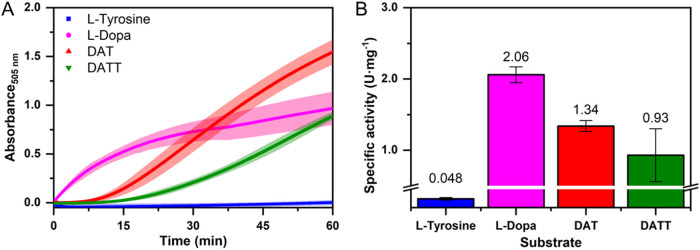 Figure 4
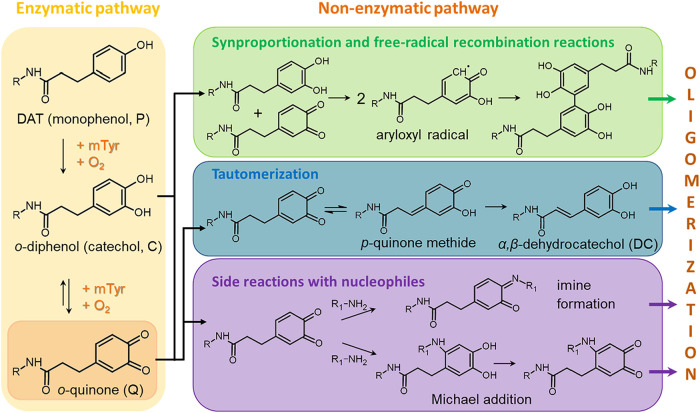 Figure 5
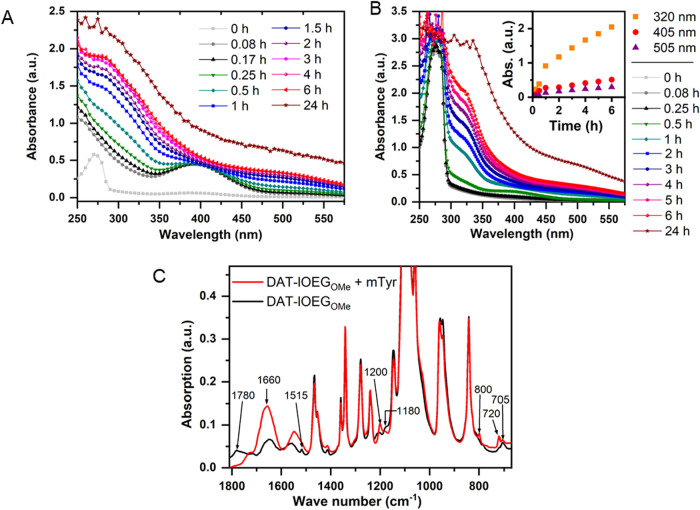 Figure 6
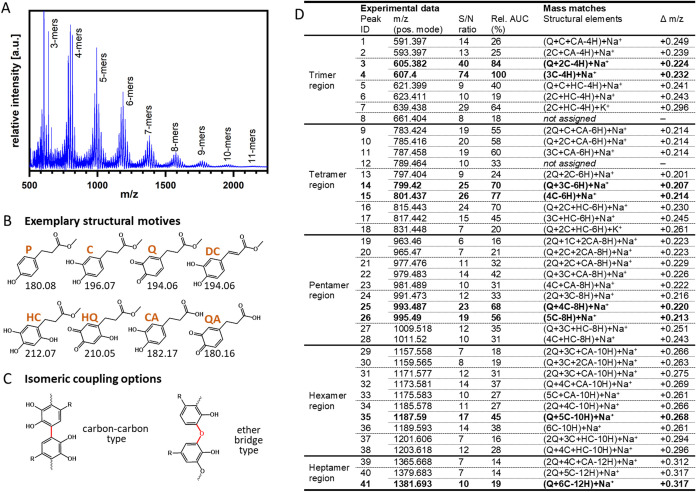 Figure 7
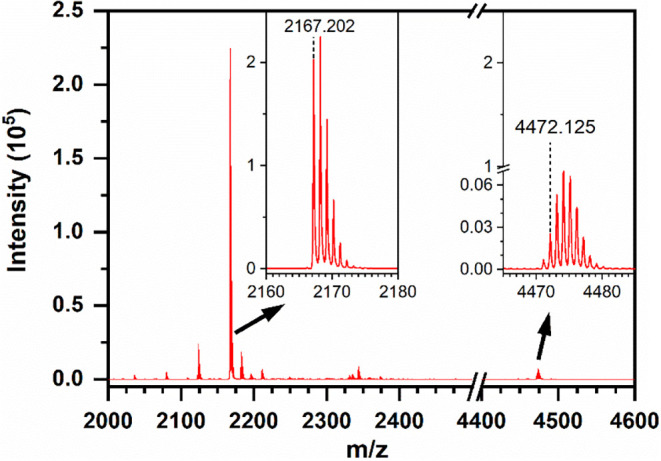 Figure 8
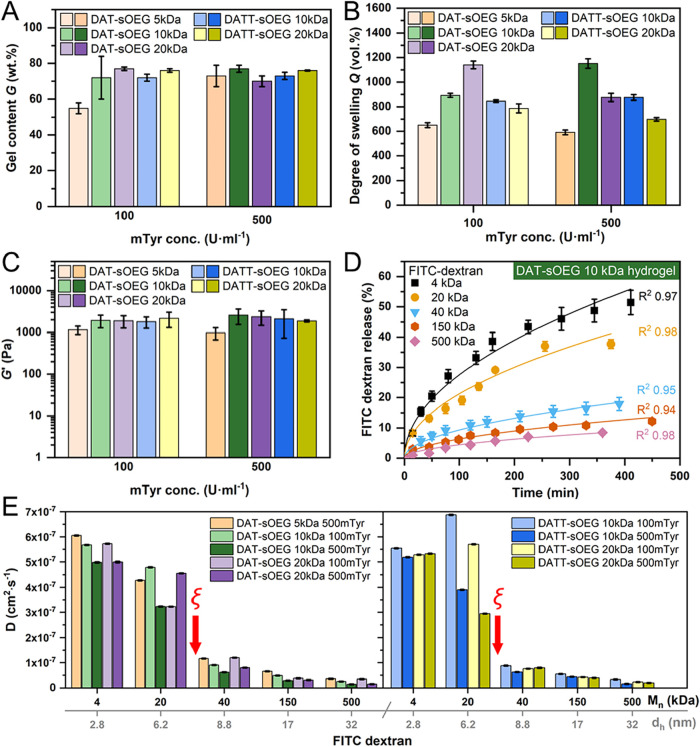 Figure 9
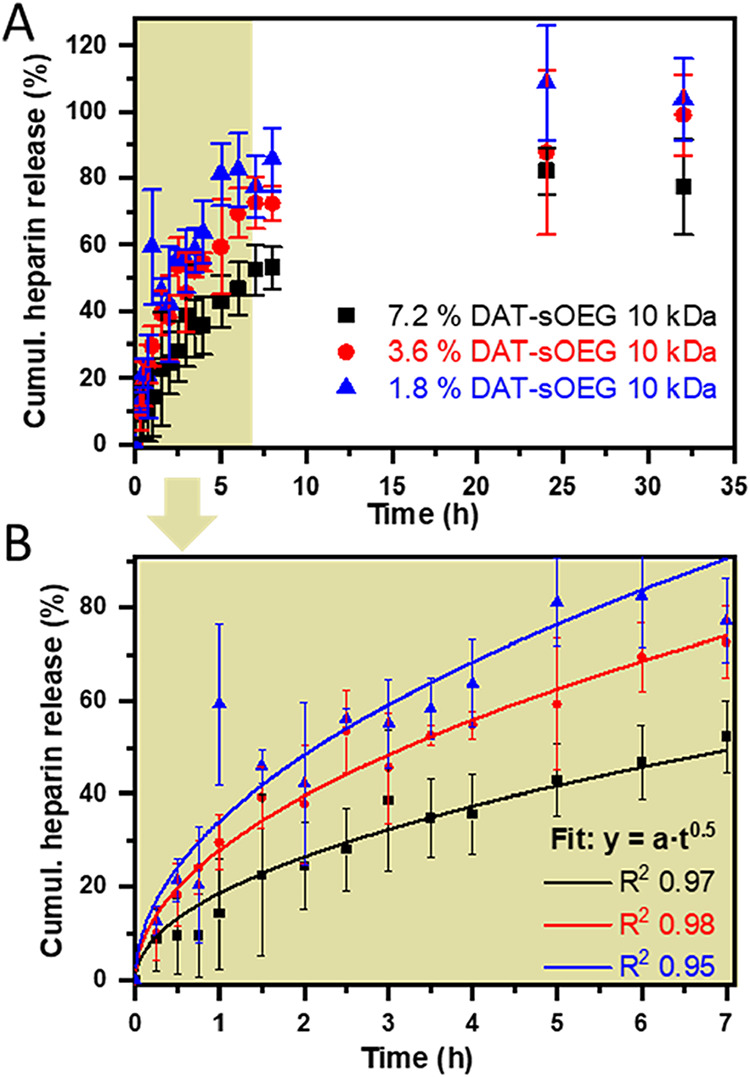 Figure 10
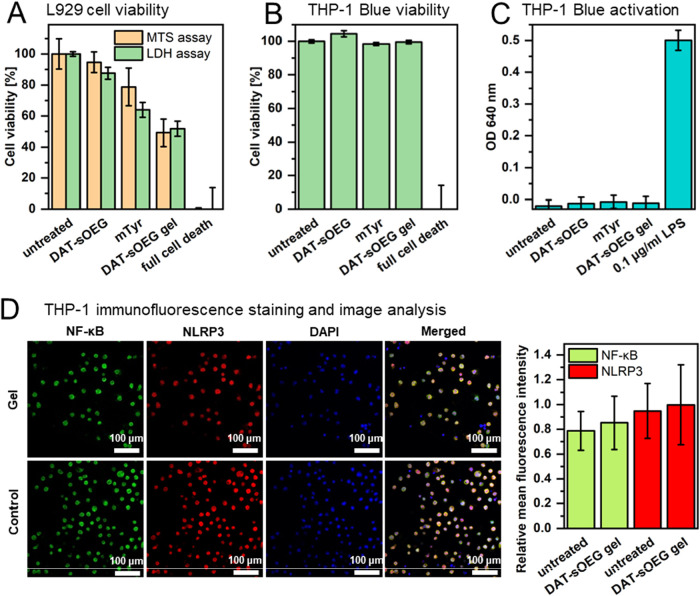 Figure 11
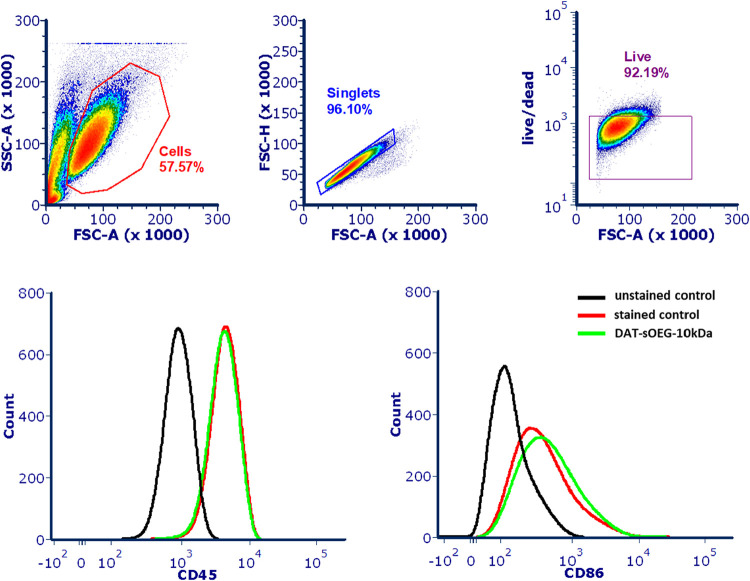 Figure 12
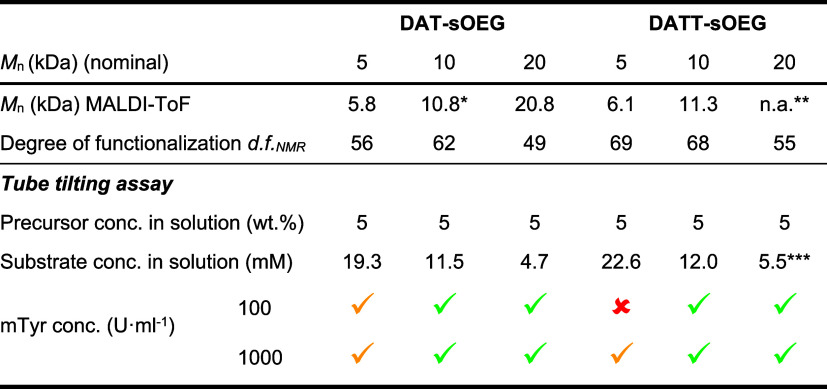 Figure 13
 Figure 14
 Figure 15
 Figure 16
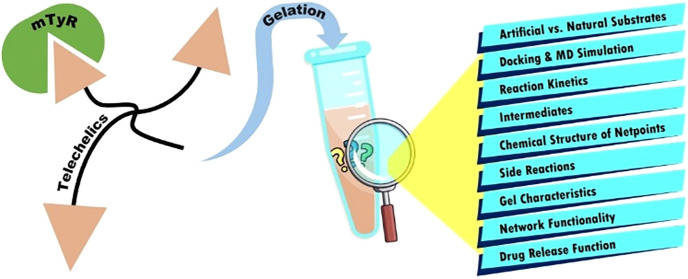 Figure 17
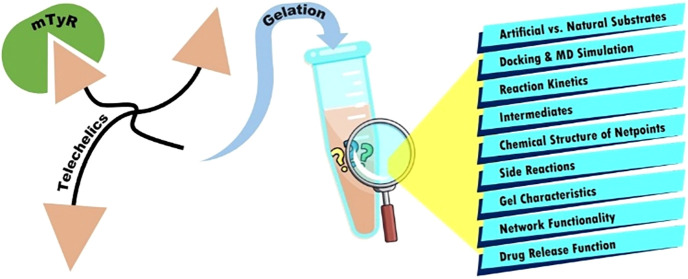 Figure 18
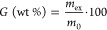 Figure 19
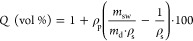 Figure 20
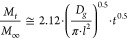 Figure 21
 Figure 22
Peer Reviews
No public reviews on file for this paper yet. If you reviewed it on a platform where reviews are public (OpenReview, ICLR, NeurIPS, ICML), you can paste yours below so the community can read it here.
Videos
No videos yet. Explain this paper in a talk, walkthrough, or lecture? Add one.
Taxonomy
Topicsmelanin and skin pigmentation · Supramolecular Self-Assembly in Materials · Hydrogels: synthesis, properties, applications