Bonding and Reactivity of Germanium Enolates toward Group 14 Halides
Nilanjana Sen, Manfred Drusgala, Roland C. Fischer, Dmytro Neshchadin, Thomas Lainer, Michael Haas

TL;DR
This study explores how germanium enolates react with group 14 halides to form new acylgermanes with unique bonding and light-absorbing properties.
Contribution
The paper introduces new reactivity patterns of triacyl- and bisgermenolates under mechanochemical conditions, leading to novel acylgermane structures.
Findings
Reactions with halosilanes produced silyl-substituted acylgermanes.
Chlorogermanes and chlorostannanes yielded Ge–Ge and Ge–Sn bonded acylgermanes.
Bisgermenolates formed unprecedented four-membered Ge–Ge and Ge–Sn ring systems.
Abstract
We report the reactivity of triacylgermenolate (1) and geminal bisgermenolate (13) toward group 14 halides under mechanochemical conditions, enabling efficient access to novel acylgermanes. Reactions with halosilanes afforded a series of silyl-substituted acylgermanes (3–7), while treatment with chlorogermanes and chlorostannanes yielded Ge–Ge and Ge–Sn bonded acylgermanes (8–11). In contrast, the bisgermenolate displayed divergent reactivity, forming unprecedented four-membered Ge–Ge and Ge–Sn ring systems (15, 16). UV–Vis spectroscopy revealed pronounced bathochromic shifts and enhanced absorption for the heavier congeners, with photo-CIDNP experiments confirming α-cleavage and radical generation from the cyclic Ge–Ge compound. Overall, these findings establish triacyl- and bisgermenolates as versatile building blocks for accessing novel acylgermanes with tunable bonding motifs and…
Genes, proteins, chemicals, diseases, species, mutations and cell lines named across the full text — each resolved to its canonical identifier and authoritative record.
Click any figure to enlarge with its caption.
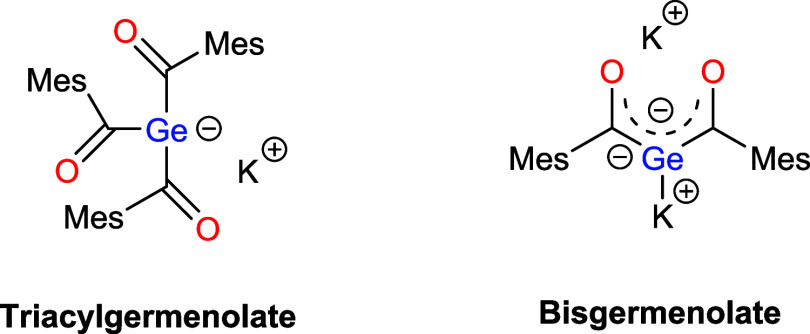 Figure 1
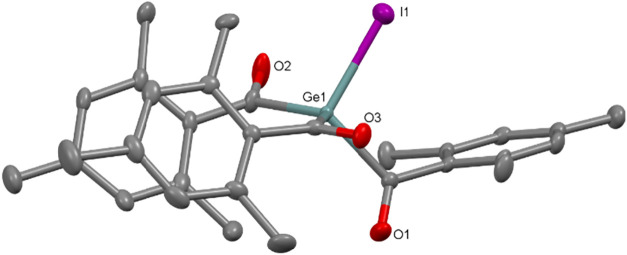 Figure 2
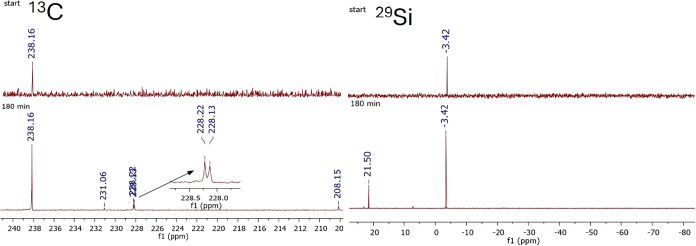 Figure 3
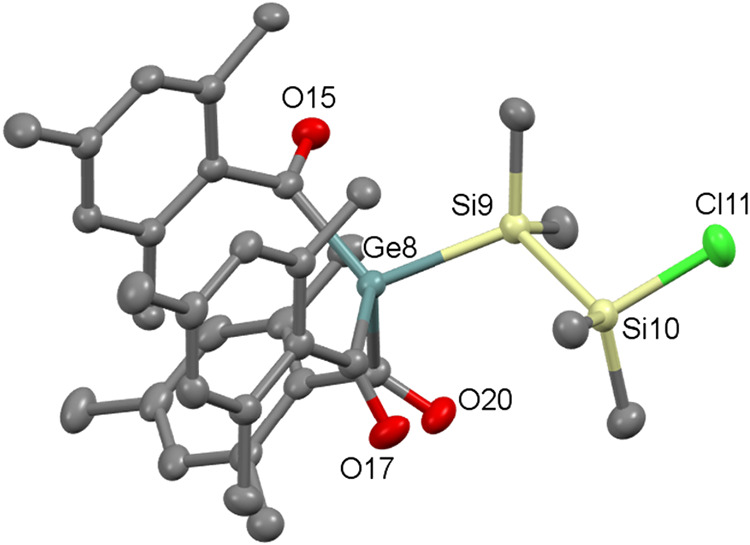 Figure 4
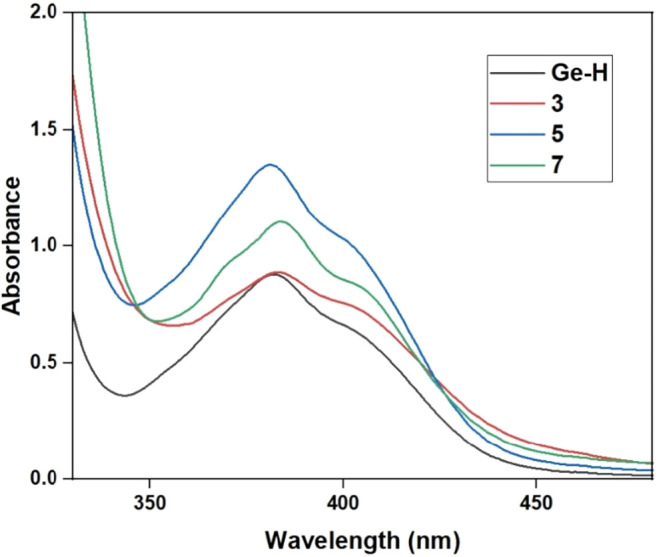 Figure 5
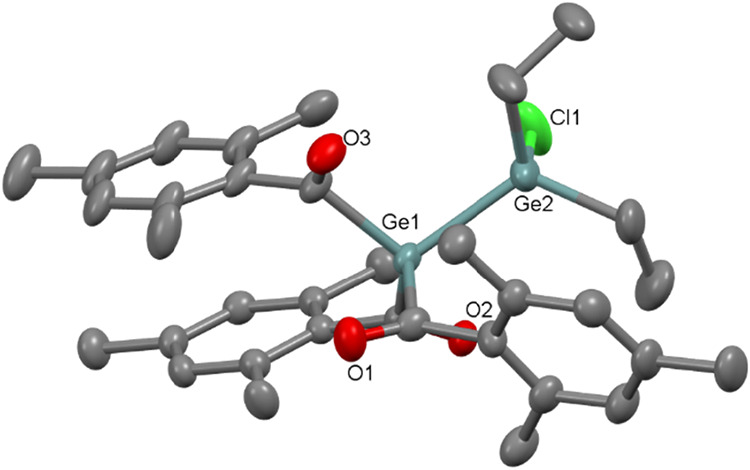 Figure 6
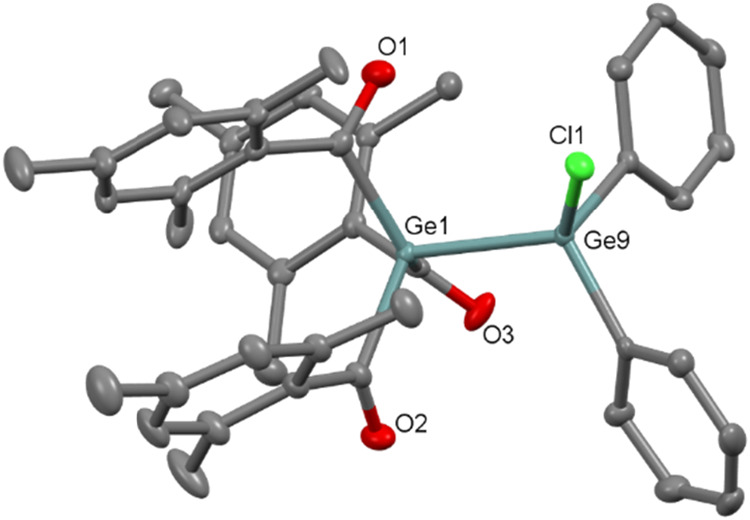 Figure 7
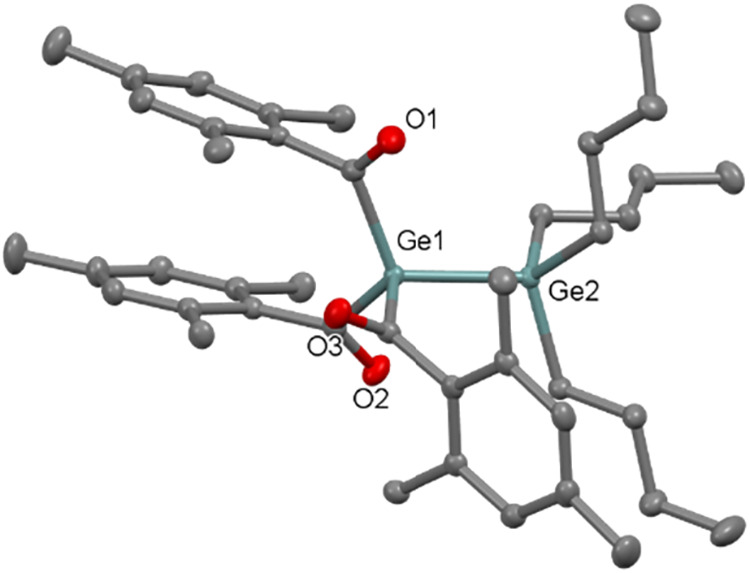 Figure 8
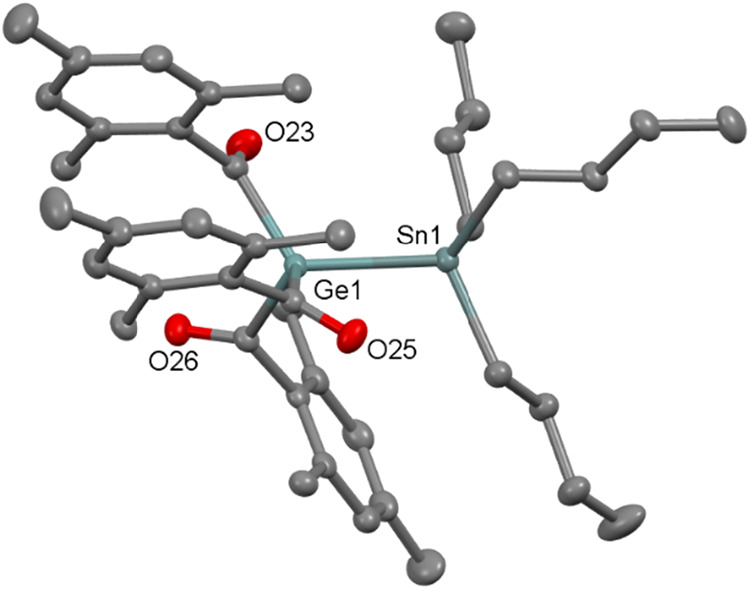 Figure 9
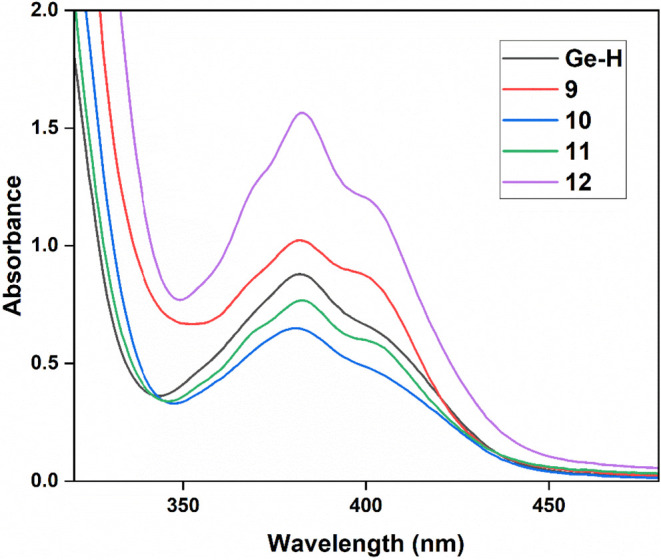 Figure 10
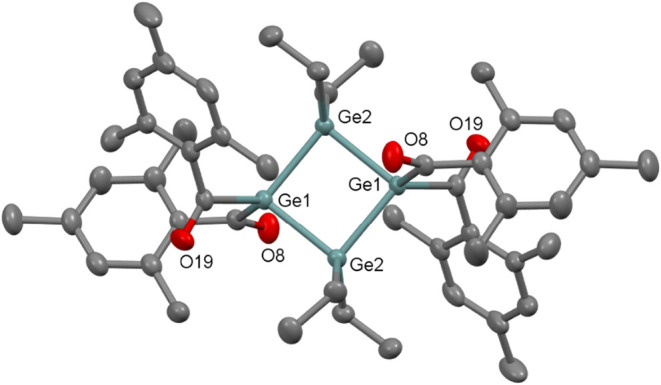 Figure 11
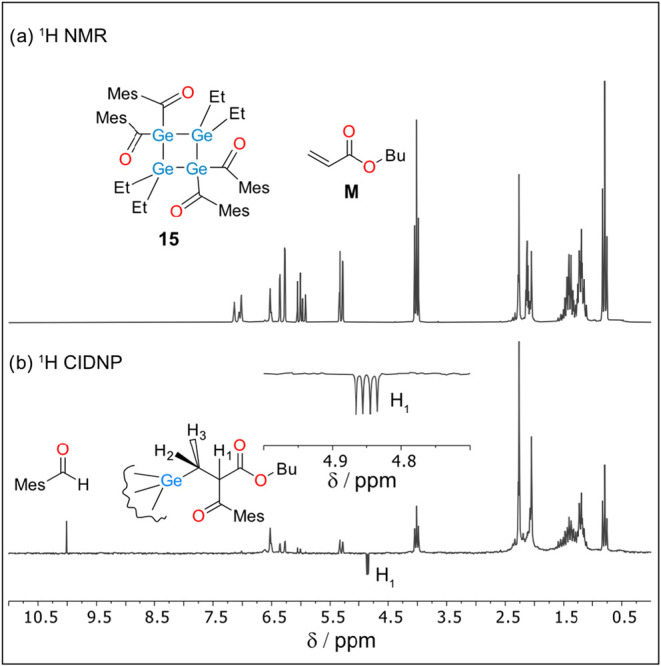 Figure 12
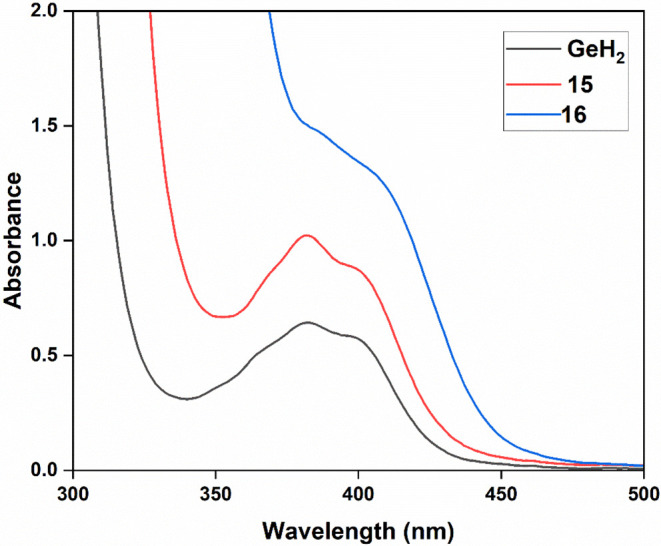 Figure 13
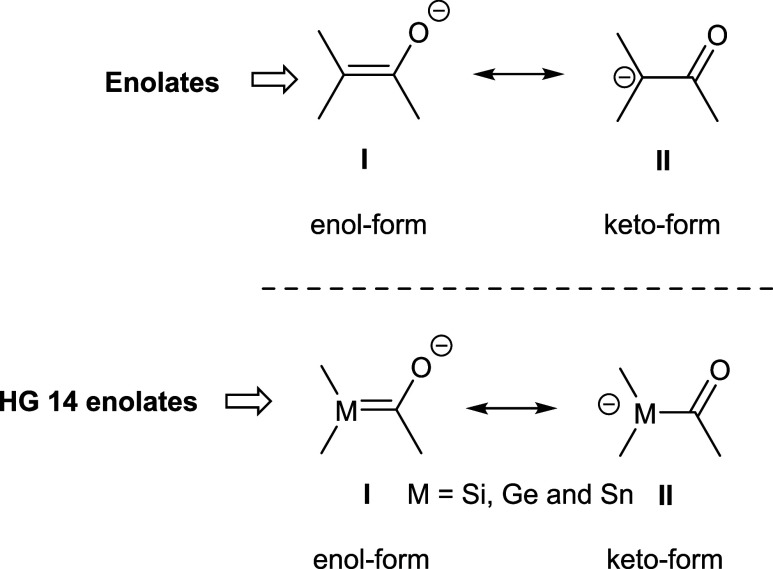 Figure 14
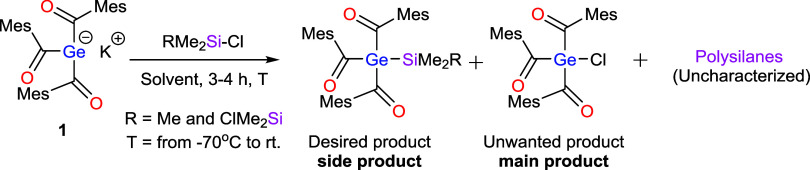 Figure 15
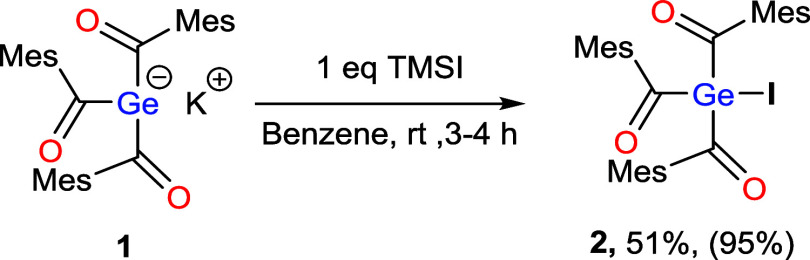 Figure 16
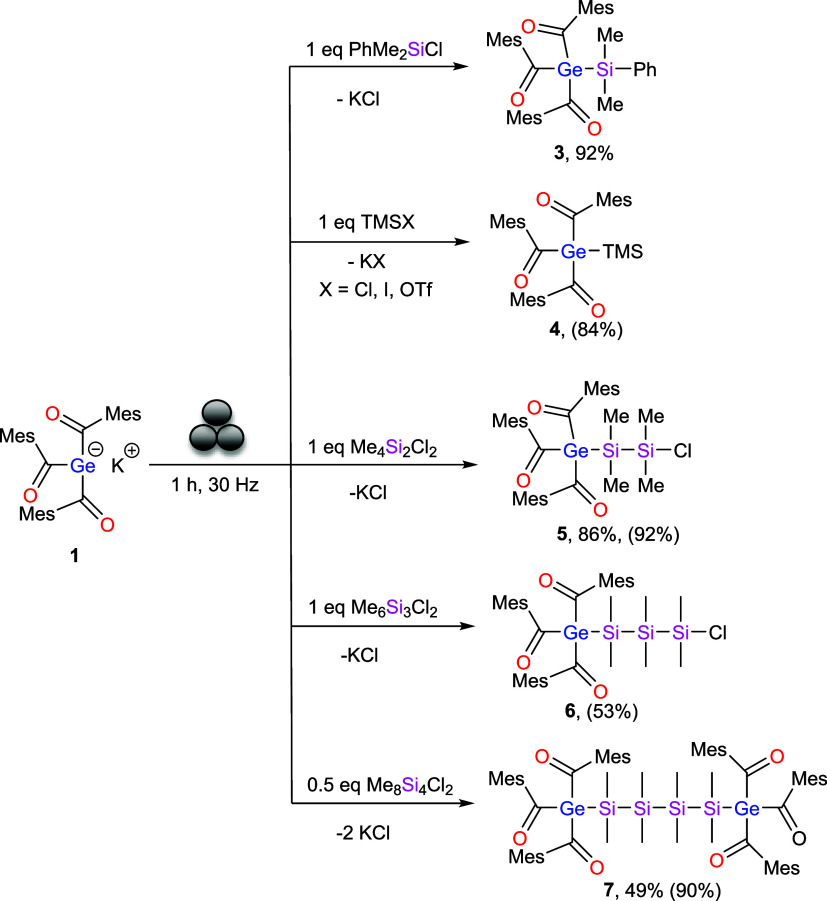 Figure 17
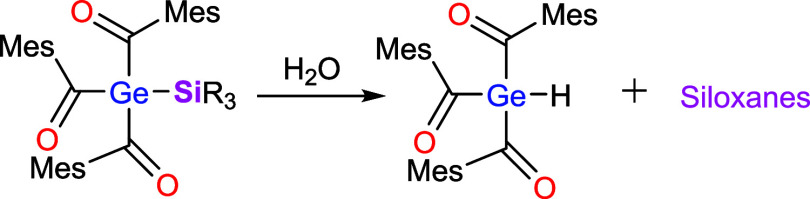 Figure 18
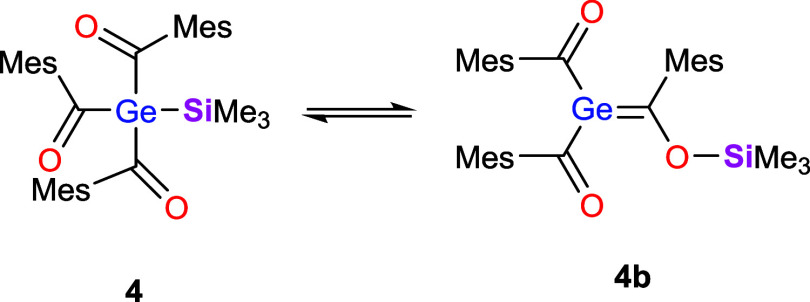 Figure 19
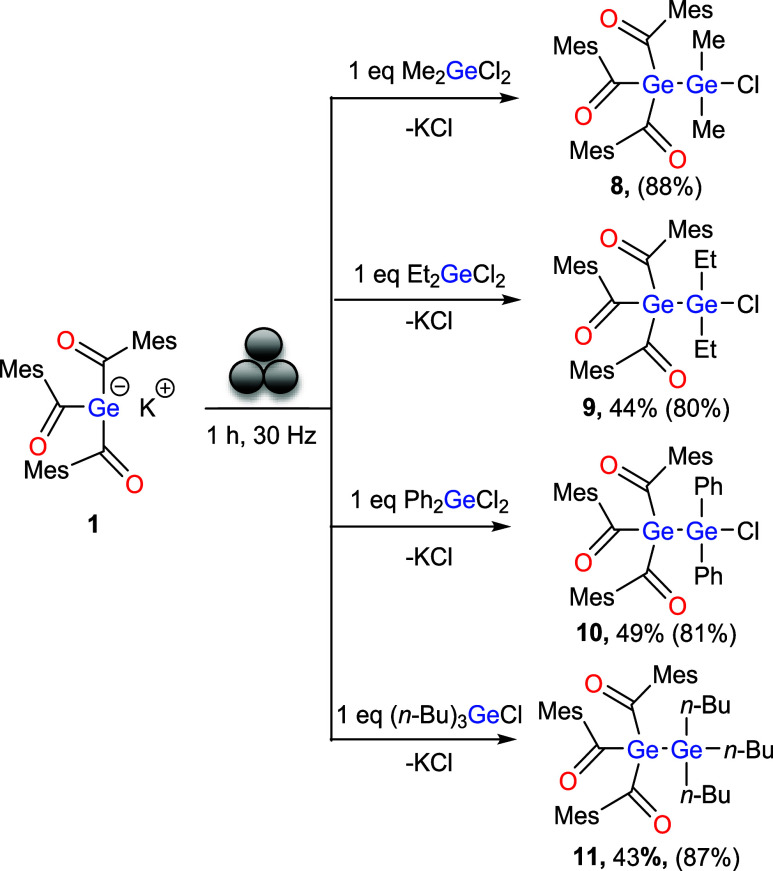 Figure 20
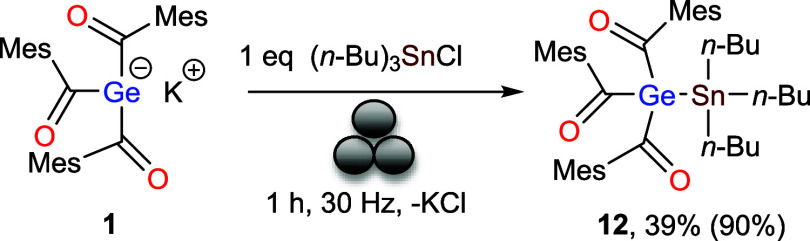 Figure 21
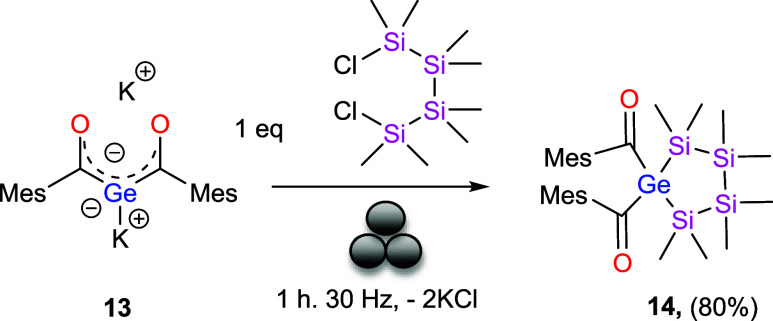 Figure 22
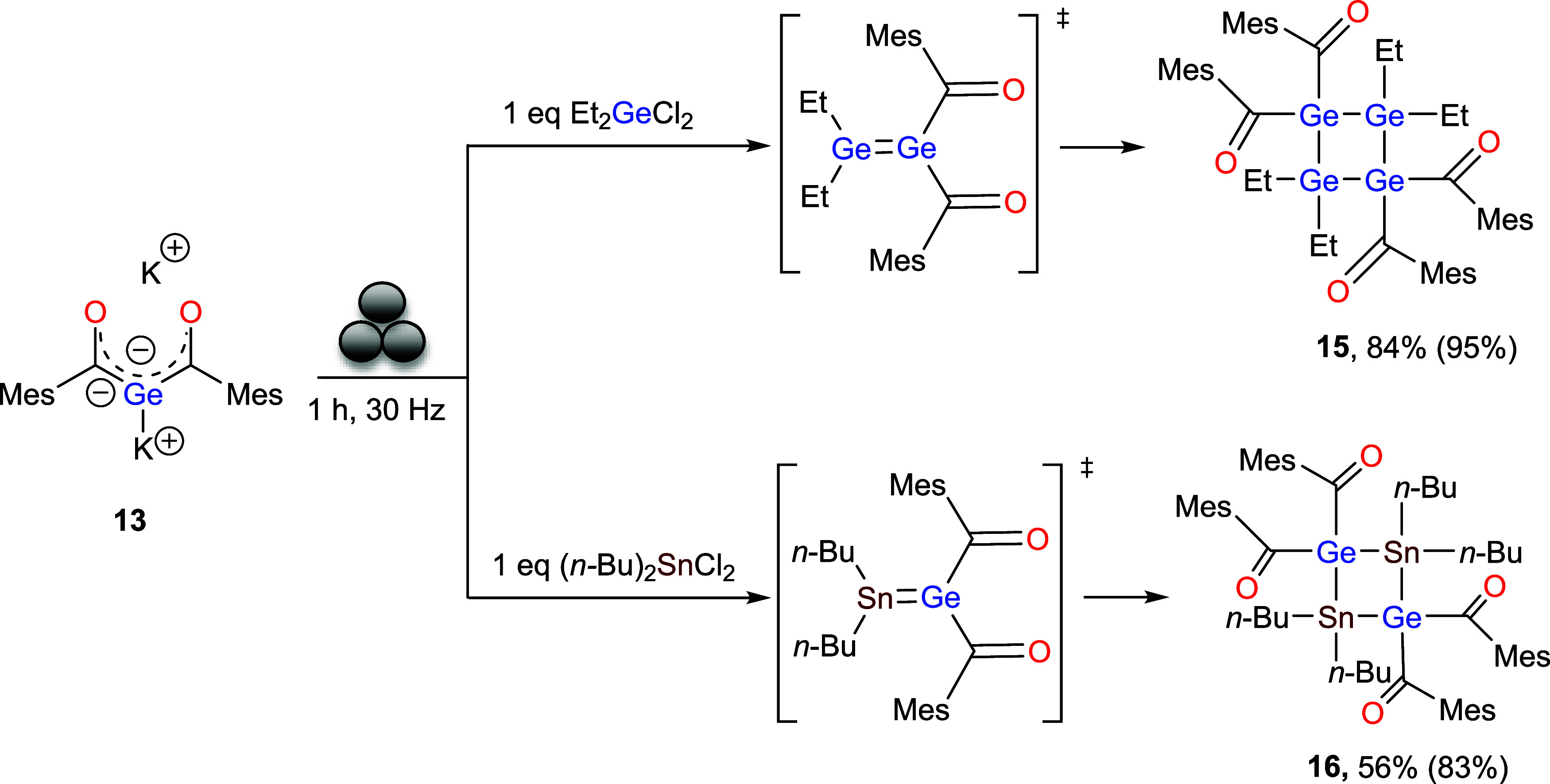 Figure 23
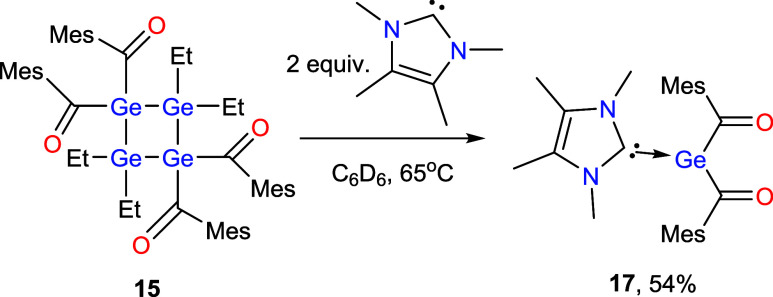 Figure 24
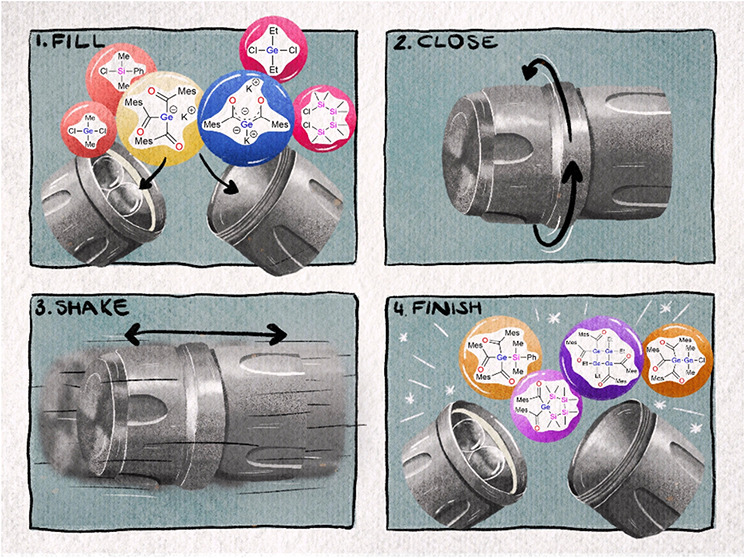 Figure 25
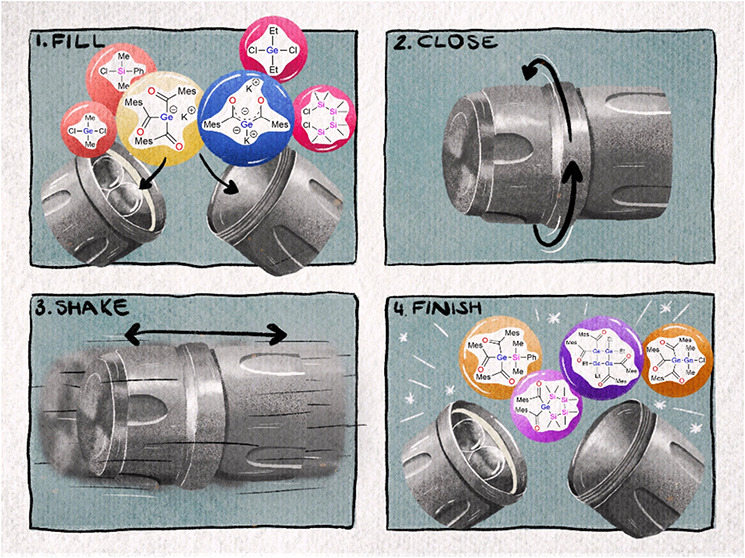 Figure 26
Peer Reviews
No public reviews on file for this paper yet. If you reviewed it on a platform where reviews are public (OpenReview, ICLR, NeurIPS, ICML), you can paste yours below so the community can read it here.
Videos
No videos yet. Explain this paper in a talk, walkthrough, or lecture? Add one.
Taxonomy
TopicsSynthesis and characterization of novel inorganic/organometallic compounds · Organoboron and organosilicon chemistry · Organometallic Compounds Synthesis and Characterization