Unravelling the Role Played by Non-covalent Interactions in the Action Mechanism of PCDDs within Cells
Lorena Ruano, Álvaro Pérez-Barcia, Vito F. Palmisano, Juan J. Nogueira, Marcos Mandado, Nicolás Ramos-Berdullas

TL;DR
This study explores how non-covalent interactions affect the toxicity of dioxins by analyzing their behavior with the AhR receptor and lipid membranes.
Contribution
The study introduces an integrated CMD and QM/MM-EDA approach to analyze PCDD toxicity mechanisms.
Findings
Toxicity correlates more with membrane permeation than AhR binding affinity.
Non-covalent interactions significantly influence PCDD behavior in biological systems.
Current risk assessments may underestimate dioxin impact due to overlooked physicochemical factors.
Abstract
The aryl hydrocarbon receptor (AhR) is a ligand-activated transcription factor that mediates biological signals and regulates diverse cellular functions. Of particular concern are the effects triggered by dioxins and dioxin-like compounds (DLCs), whose toxicological outcomes arise through both canonical and noncanonical pathways, leading to the designation of AhR as the “dioxin receptor”. However, conventional risk assessment approaches based on toxic equivalency factors (TEFs), which primarily reflect the capacity of these compounds to bind and activate AhR, do not fully account for critical aspects such as environmental concentration and bioavailability, potentially underestimating their true impact. In this work, we present a comparative analysis of polychlorinated dibenzo-p-dioxins (PCDDs) with varying degrees of chlorination, focusing on their interactions with the AhR at the…
Genes, proteins, chemicals, diseases, species, mutations and cell lines named across the full text — each resolved to its canonical identifier and authoritative record.
Click any figure to enlarge with its caption.
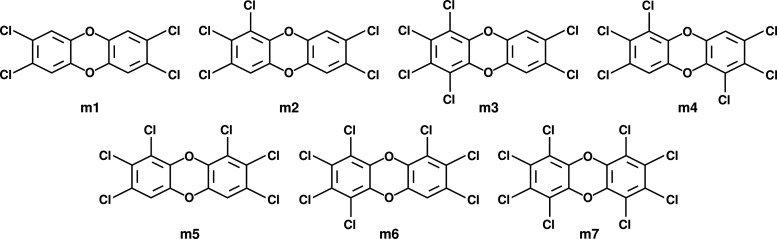 Figure 1
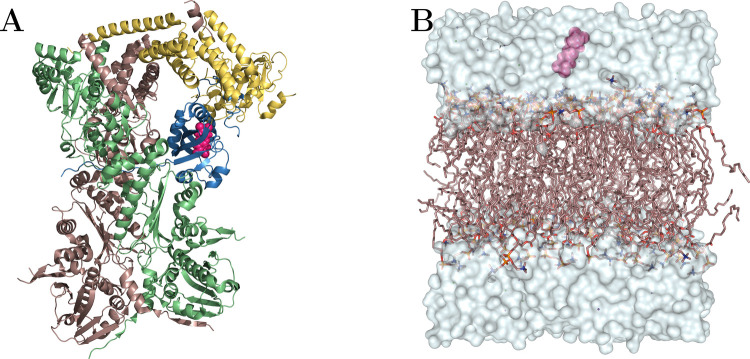 Figure 2
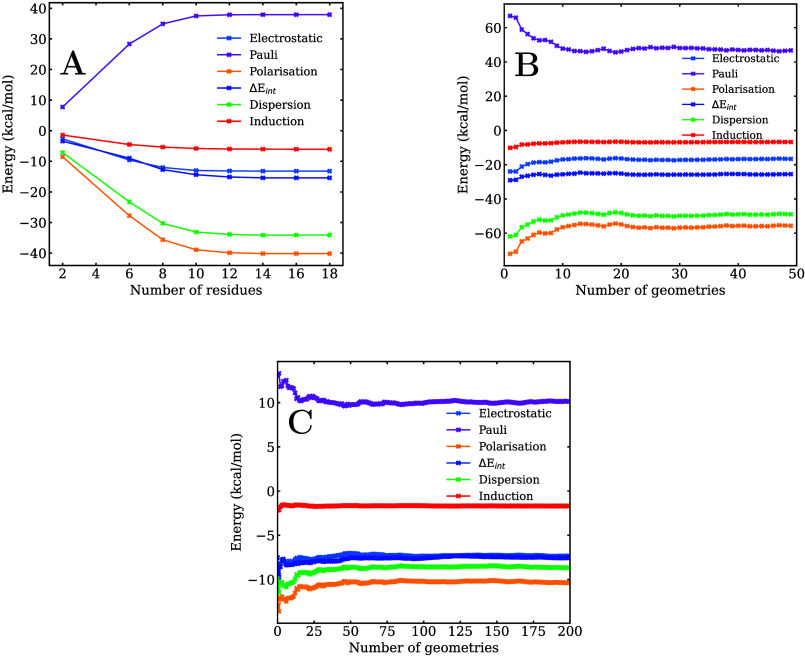 Figure 3
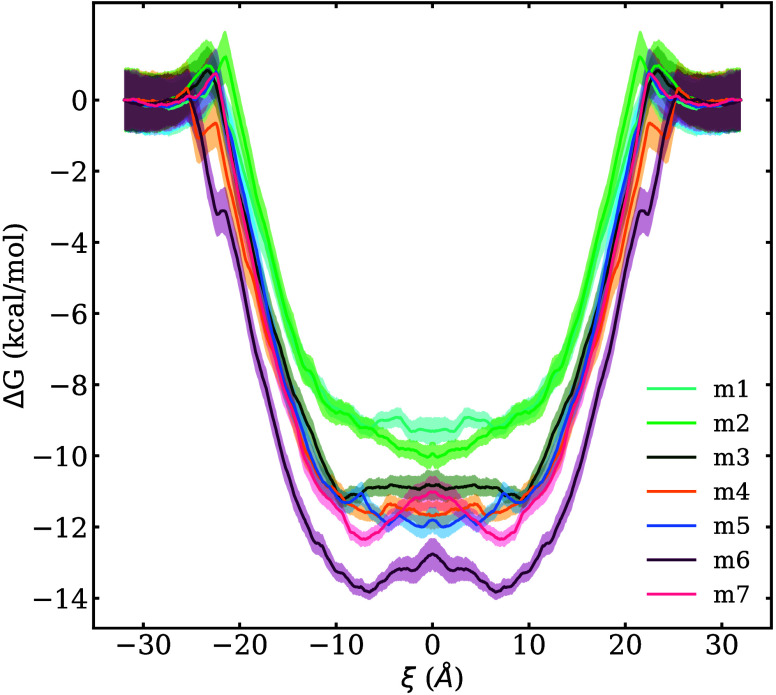 Figure 4
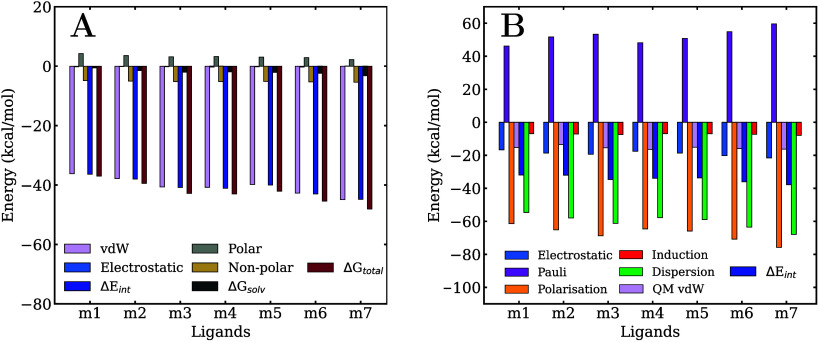 Figure 5
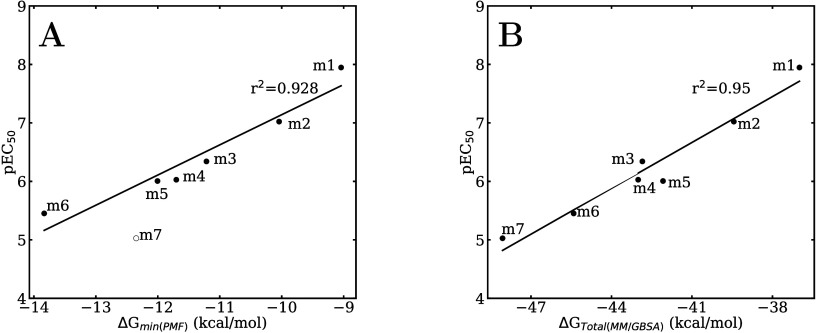 Figure 6
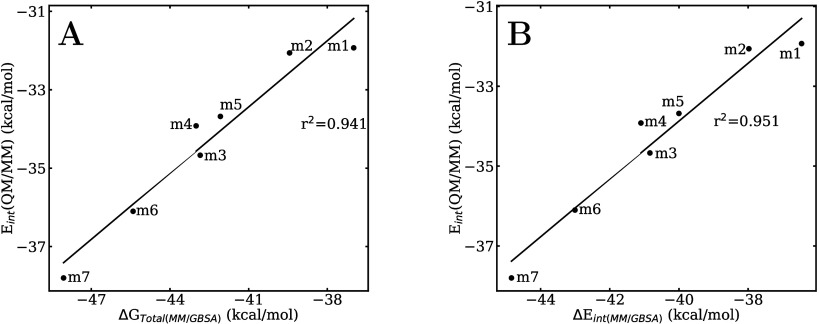 Figure 7
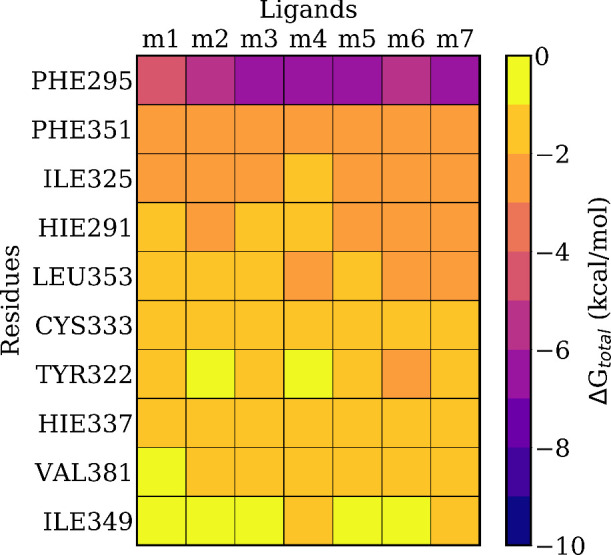 Figure 8
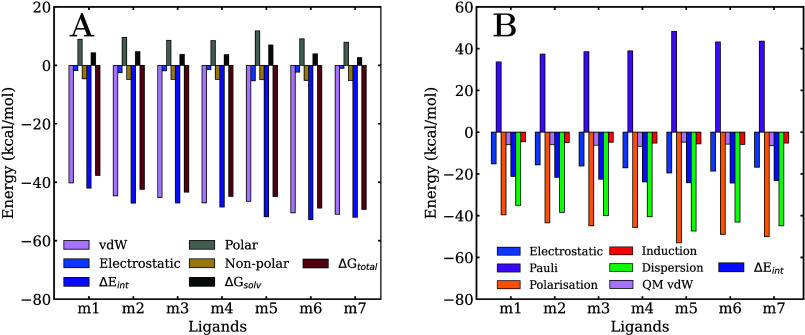 Figure 9
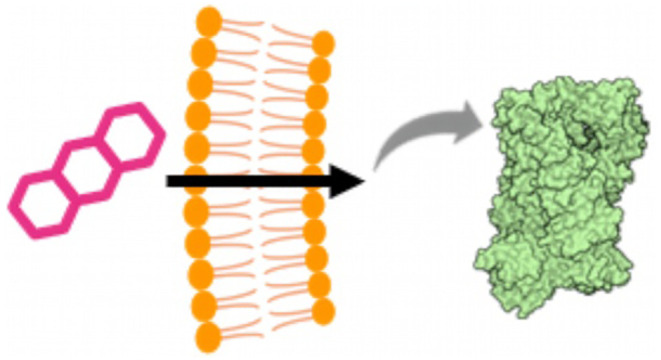 Figure 10
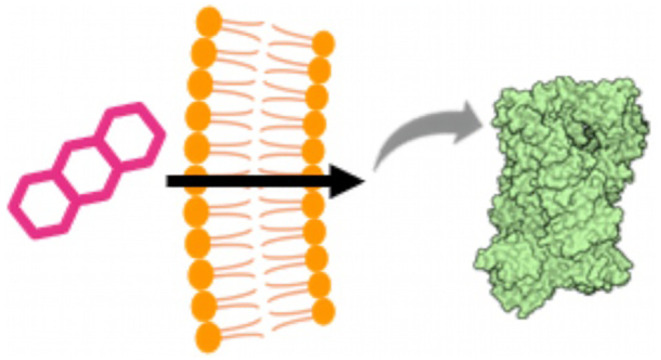 Figure 11
 Figure 12
 Figure 13
Peer Reviews
No public reviews on file for this paper yet. If you reviewed it on a platform where reviews are public (OpenReview, ICLR, NeurIPS, ICML), you can paste yours below so the community can read it here.
Videos
No videos yet. Explain this paper in a talk, walkthrough, or lecture? Add one.
Taxonomy
TopicsToxic Organic Pollutants Impact · Microbial bioremediation and biosurfactants · Pesticide Exposure and Toxicity