Influence of PLDLA on the Rheological Properties of Regenerated Silk Fibroin-Based Gels
Bianca Sabino Leocádio Antunes, Daniel Komatsu, Pâmela Soto Garcia, Cedric Dicko, Eliana Aparecida de Rezende Duek

TL;DR
This paper studies how adding PLDLA affects the flow and structure of gels made from silk fibroin, aiming to improve their use in 3D printed biomedical applications.
Contribution
The novel contribution is the investigation of PLDLA's influence on the rheological behavior of regenerated silk fibroin gels for 3D printing applications.
Findings
PLDLA addition modifies the rheological properties of RSF gels.
RSF-PLDLA solutions showed varied behavior under steady-state and oscillatory tests.
The study provides insights into optimizing gels for 3D printing in tissue engineering.
Abstract
Regenerated silk fibroin (RSF), obtained from the silk fibers of the species Bombyx mori, is a promising biomaterial due to its excellent mechanical and biological properties, as well as presenting versatility for applications in tissue engineering. This is particularly evident through the development of scaffolds via the 3D printing process. The viscosity of RSF solutions can be controlled by adding other synthetic polymers, thereby ensuring improved mechanical and rheological properties and enhanced quality of printed structures. The objective of this study is to investigate the rheological properties of gels based on RSF and PLDLA (poly(l-co-d,l-lactic acid)). The study involved the synthesis of PLDLA and the extraction of RSF from the silk threads of B. mori. Subsequently, RSF-PLDLA solutions in formic acid were prepared with varying concentrations, and subsequently subjected to…
Genes, proteins, chemicals, diseases, species, mutations and cell lines named across the full text — each resolved to its canonical identifier and authoritative record.
Click any figure to enlarge with its caption.
 Figure 1
 Figure 2
 Figure 3
 Figure 4
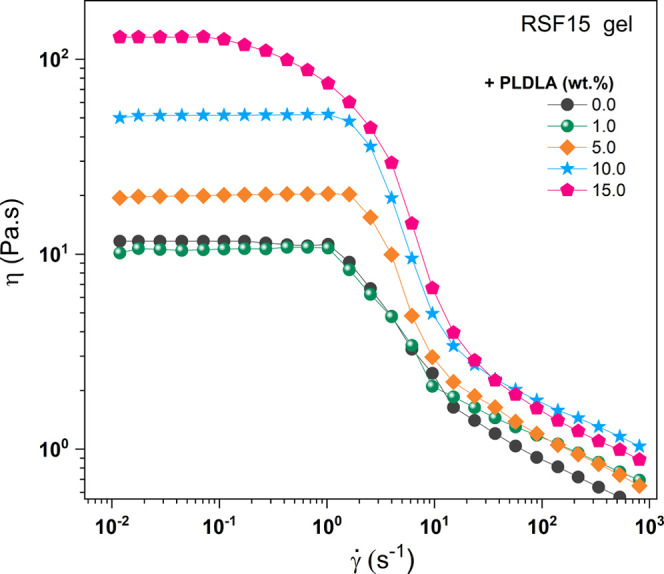 Figure 5
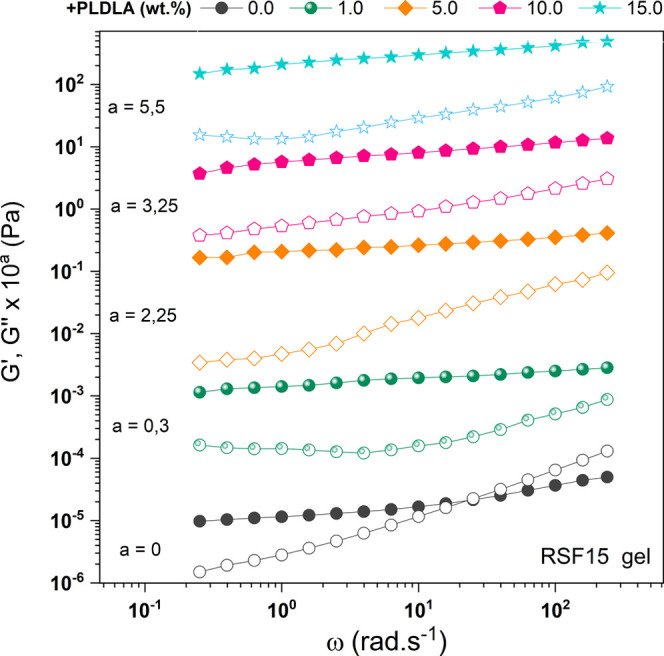 Figure 6
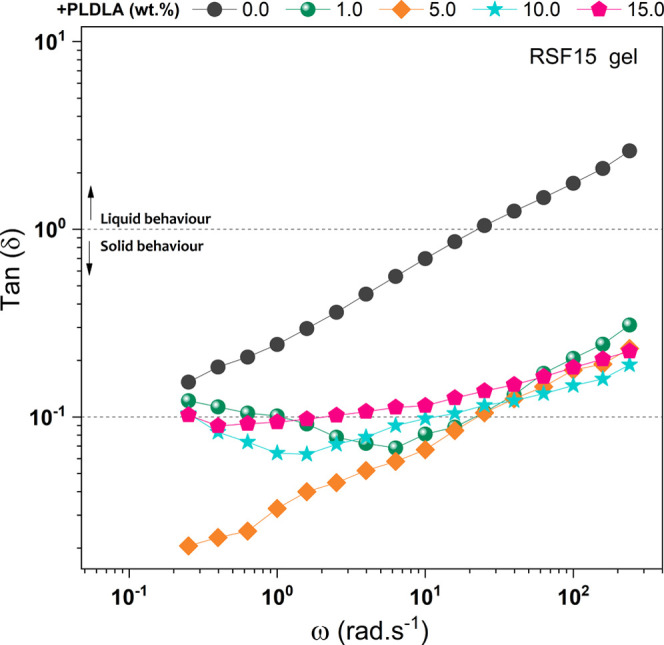 Figure 7
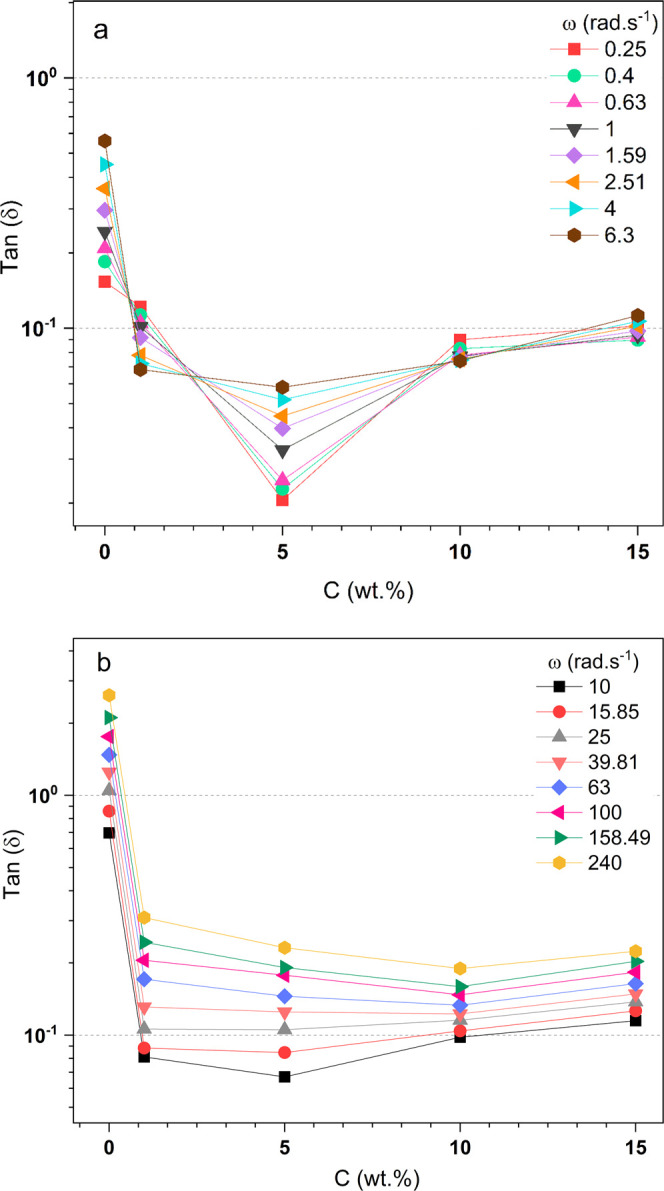 Figure 8
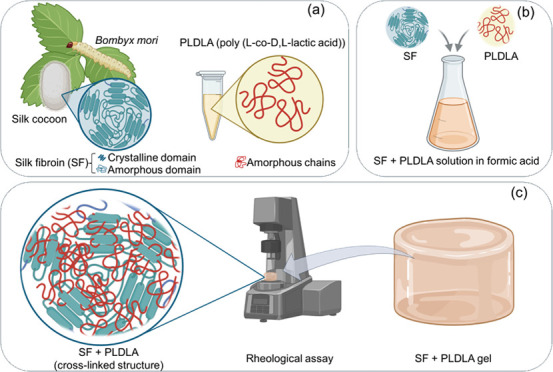 Figure 9
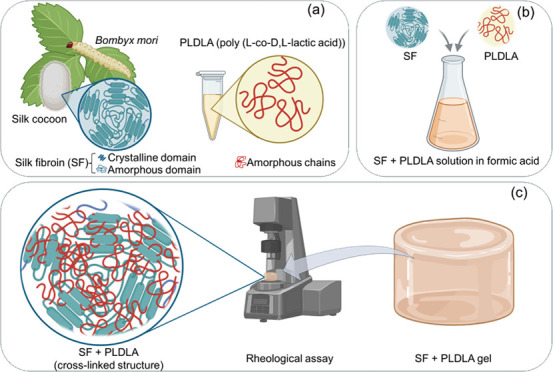 Figure 10
 Figure 11
 Figure 12
 Figure 13
 Figure 14
 Figure 15
 Figure 16
 Figure 17
 Figure 18
 Figure 19
 Figure 20
Peer Reviews
No public reviews on file for this paper yet. If you reviewed it on a platform where reviews are public (OpenReview, ICLR, NeurIPS, ICML), you can paste yours below so the community can read it here.
Videos
No videos yet. Explain this paper in a talk, walkthrough, or lecture? Add one.
Taxonomy
TopicsSilk-based biomaterials and applications · Electrospun Nanofibers in Biomedical Applications · Dyeing and Modifying Textile Fibers