Low-Temperature Defect Healing in the Layered Zintl Phase Li2ZnSi
Xian-Juan Feng, Matej Bobnar, Alim Ormeci, Mohammad Mehmandoust, Marcus Schmidt, Bodo Böhme, Mitja Krnel, Michael Baitinger, Julia Maria Hübner

TL;DR
This paper shows that defects in the material Li2ZnSi can be healed at low temperatures, improving its structural and physical properties.
Contribution
The study reveals that stacking faults in Li2ZnSi can be healed at low temperatures through stress-relief annealing.
Findings
Stacking faults in Li2ZnSi are introduced by mechanical handling and cause broad NMR signals.
Heating to 310–370 K sharpens NMR signals and restores structural order.
Density-functional calculations show stacking faults are energetically unfavorable but can be healed at low temperatures.
Abstract
Li2ZnSi is a layered Zintl phase composed of heterographene-like Zn–Si sheets separated by Li atoms. Although the intrinsic crystal structure is fully ordered, mechanical handling readily introduces stacking faults of the Zn–Si layers. These defects significantly broaden the 7Li and 29Si NMR signals and are described by statistically disordered structure models in single-crystal X-ray diffraction. Upon moderate heating to only 310–370 K, the 7Li NMR spectra sharpen, while single-crystal X-ray diffraction reveals a fully ordered structure model. The heat-capacity data exhibit a broad endothermic feature during heating, characteristic of a stress-relief annealing process rather than a thermodynamic phase transition. Mechanical treatment strongly affects physical properties, and the transport response in impedance measurements is dominated by grain-boundary effects. Density-functional…
Genes, proteins, chemicals, diseases, species, mutations and cell lines named across the full text — each resolved to its canonical identifier and authoritative record.
Click any figure to enlarge with its caption.
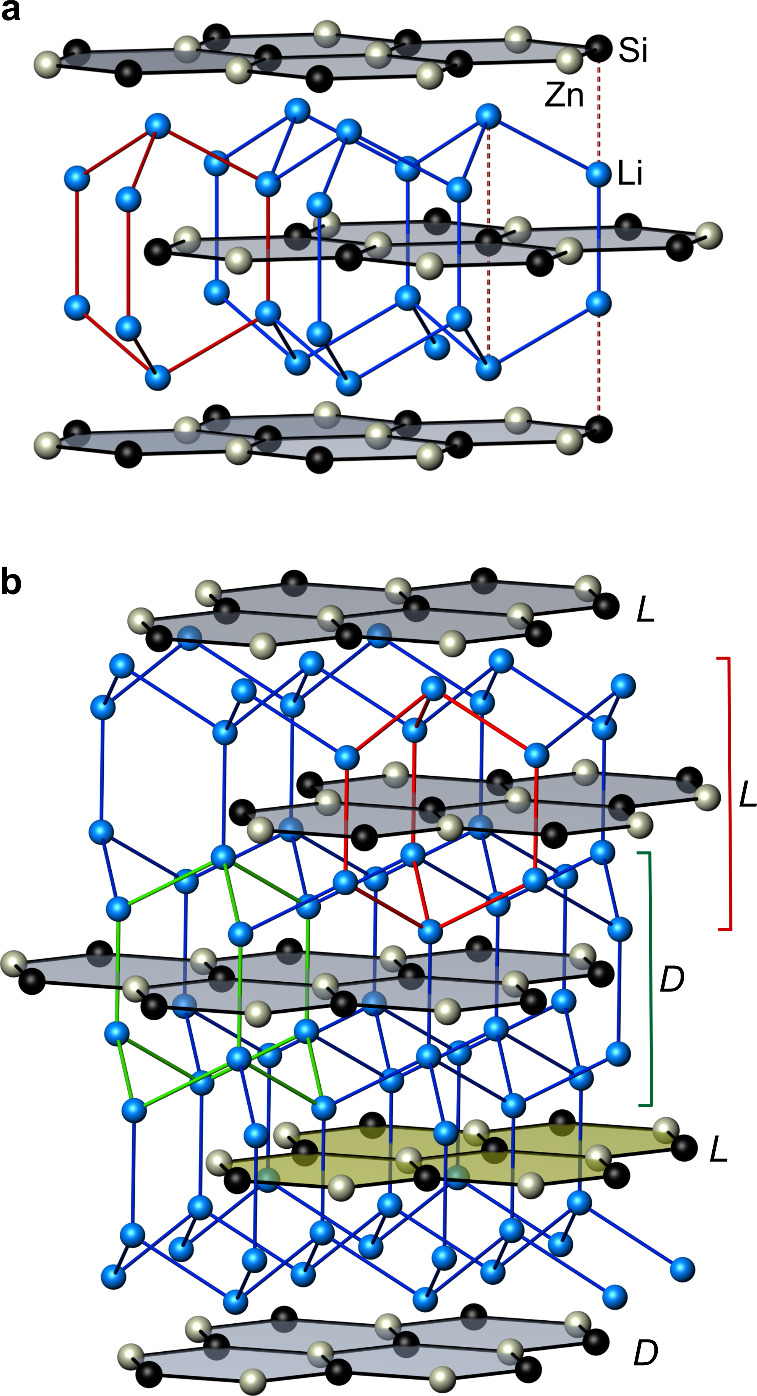 Figure 1
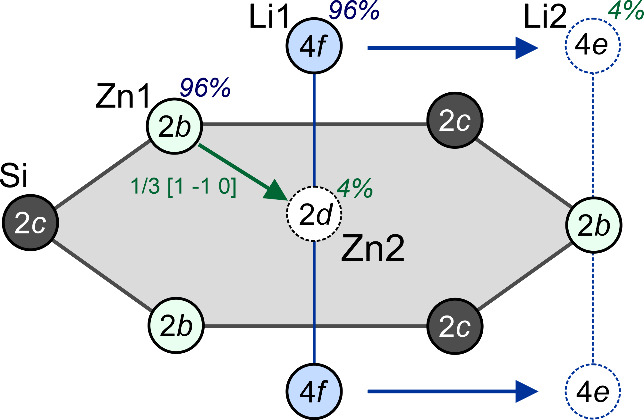 Figure 2
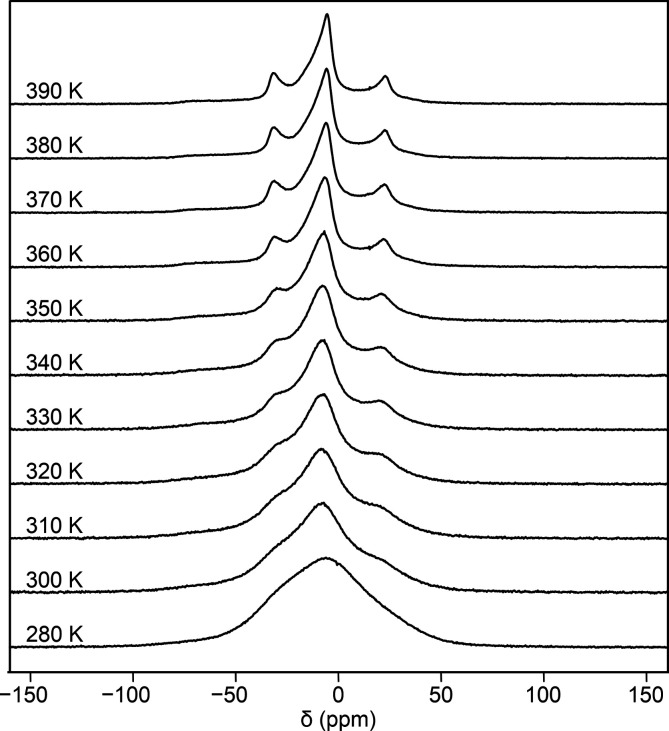 Figure 3
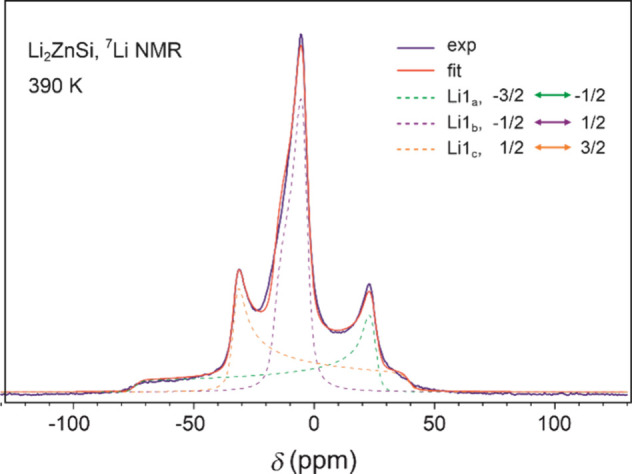 Figure 4
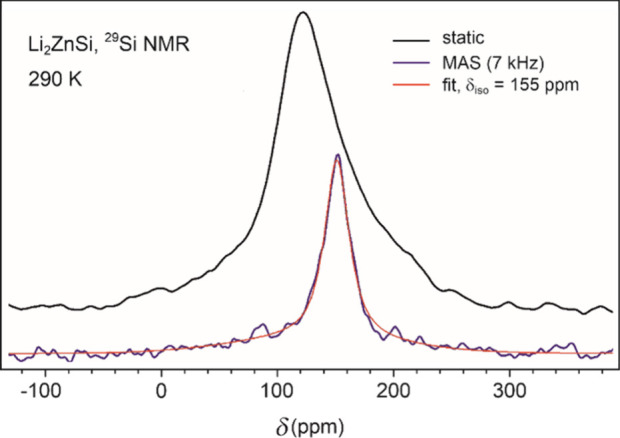 Figure 5
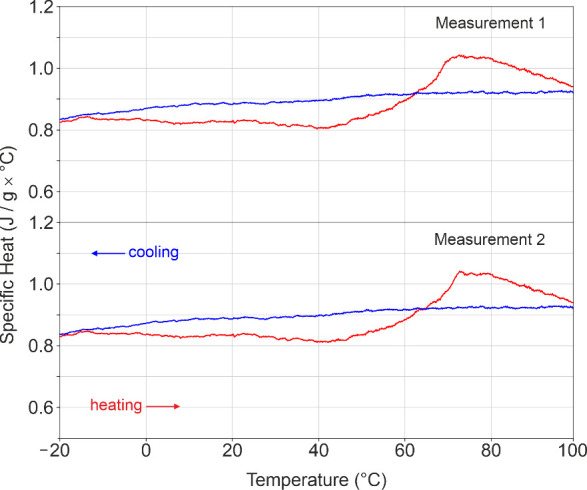 Figure 6
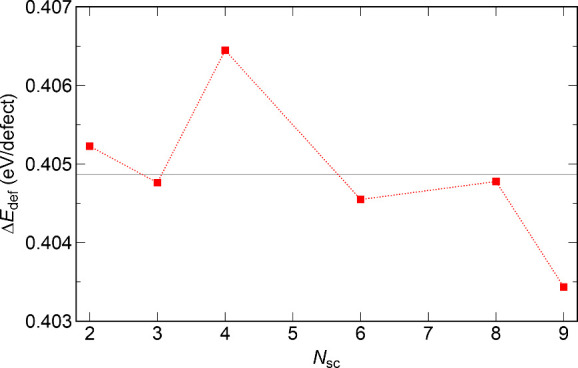 Figure 7
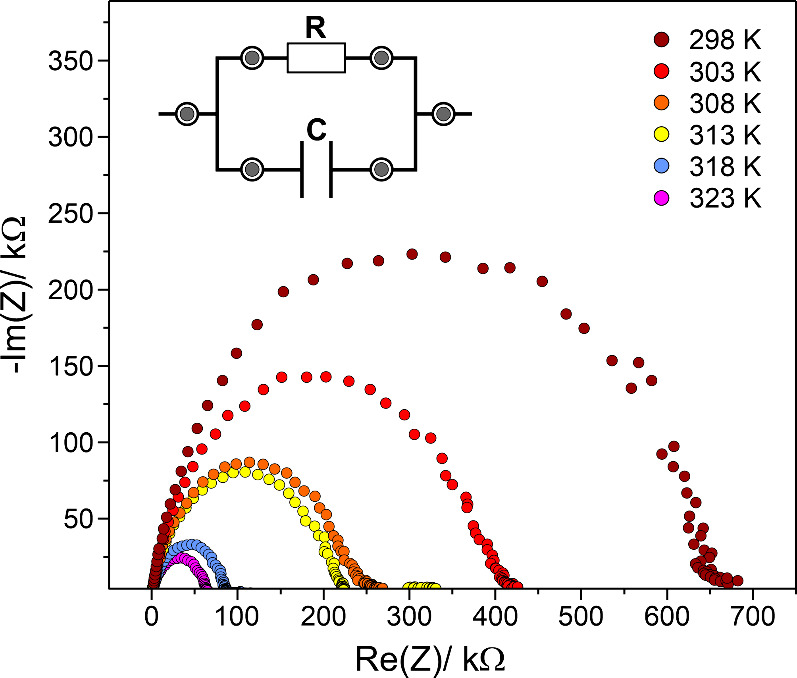 Figure 8
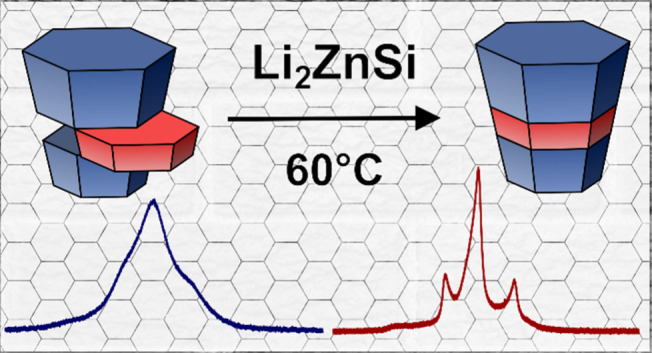 Figure 9
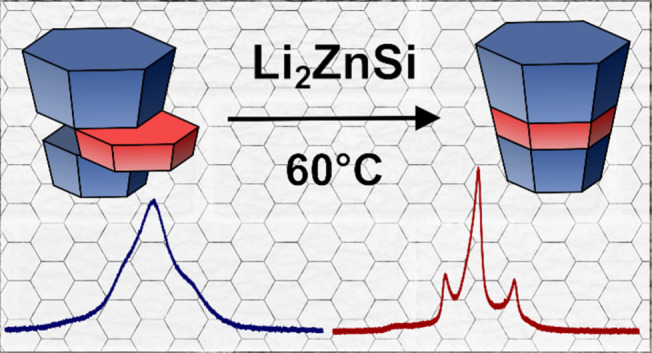 Figure 10
 Figure 11
Peer Reviews
No public reviews on file for this paper yet. If you reviewed it on a platform where reviews are public (OpenReview, ICLR, NeurIPS, ICML), you can paste yours below so the community can read it here.
Videos
No videos yet. Explain this paper in a talk, walkthrough, or lecture? Add one.
Taxonomy
TopicsAdvanced Battery Materials and Technologies · Graphene research and applications · Advancements in Battery Materials