AI‐enhanced Centiloid quantification of amyloid PET images
Pierrick Bourgeat, Jurgen Fripp, Leo Lebrat, Ying Xia, Azadeh Feizpour, Timothy Cox, Georgios Zisis, Ashley Gillman, Manu S. Goyal, Duygu Tosun, Tammie LS. Benzinger, Pamela LaMontagne, Michael Breakspear, Michelle K. Lupton, Cathy Short, Robert Adam, Joanne S. Robertson

TL;DR
This paper introduces DeepSUVR, an AI method that improves the accuracy and consistency of amyloid PET imaging measurements, which is crucial for Alzheimer's research and treatment monitoring.
Contribution
A novel AI method that penalizes biologically implausible longitudinal trajectories to enhance Centiloid quantification without needing longitudinal data at inference.
Findings
DeepSUVR increases correlation between tracers and reduces variability in Aβ-negative cases.
Longitudinal variability is reduced three- to five-fold, improving tracking of amyloid accumulation.
DeepSUVR-derived Centiloids show stronger associations with cognition, visual reads, and neuropathology.
Abstract
The Centiloid scale is the standard for amyloid (Aβ) PET quantification in research and clinical settings. However, variability between tracers and scanners remains a challenge. This study introduces DeepSUVR, a deep learning method to correct Centiloid quantification, by penalizing implausible longitudinal trajectories during training. The model was trained using data from 2,129 participants (7,149 Aβ positron emission tomography [PET] scans) in the Australian Imaging, Biomarkers and Lifestyle Study of ageing (AIBL)/Alzheimer's Disease Neuroimaging Initiative (ADNI) and validated using 15,807 Aβ PET scans from 10,543 participants across 10 external datasets. DeepSUVR increased correlation between tracers, and reduced variability in the Aß‐negatives. It showed significantly stronger association with cognition, visual reads, neuropathology, and increased longitudinal consistency…
Genes, proteins, chemicals, diseases, species, mutations and cell lines named across the full text — each resolved to its canonical identifier and authoritative record.
Click any figure to enlarge with its caption.
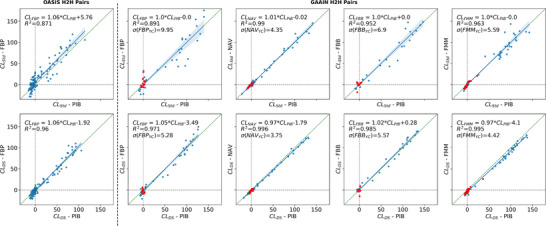 Figure 1
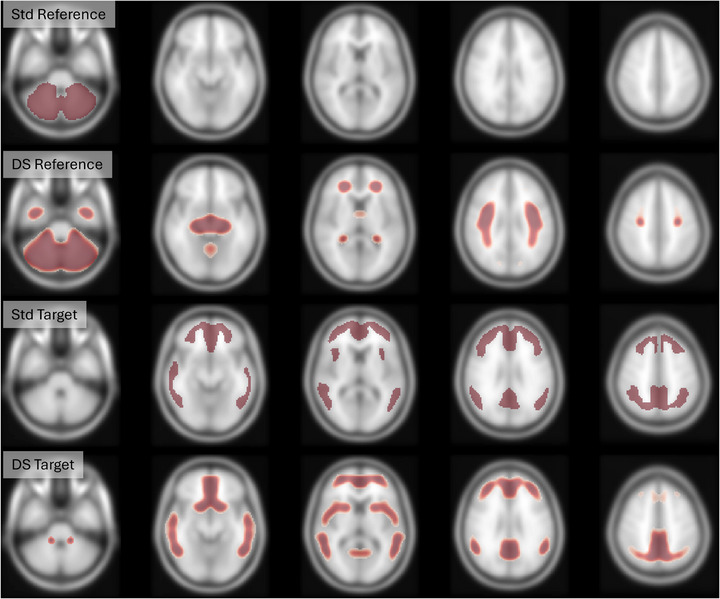 Figure 2
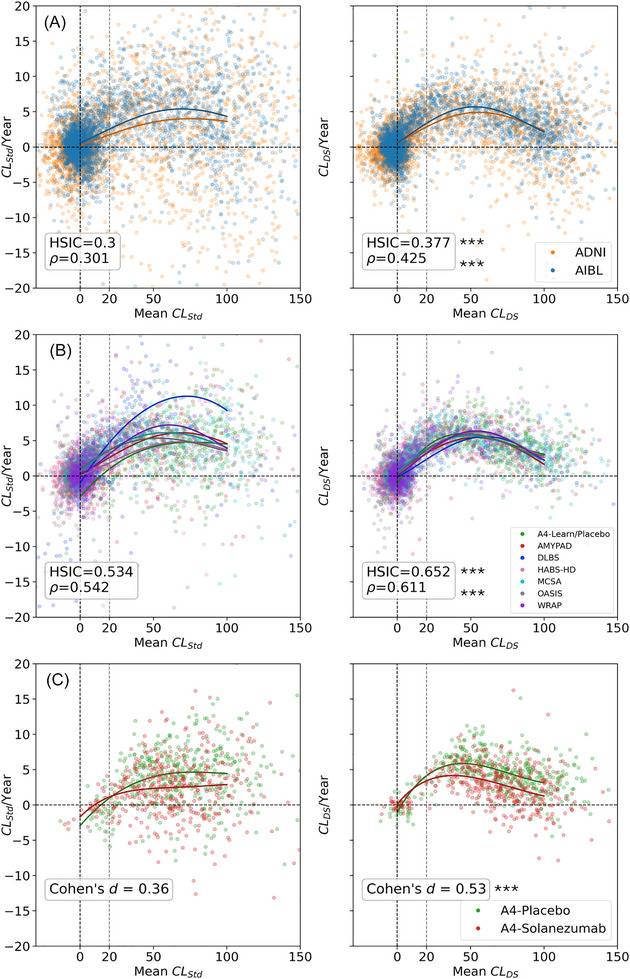 Figure 3
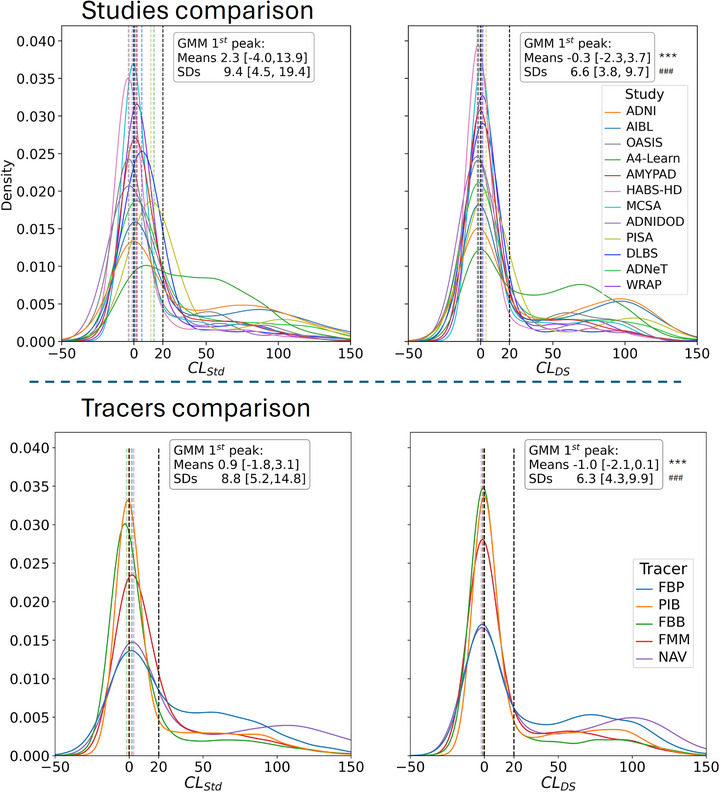 Figure 4
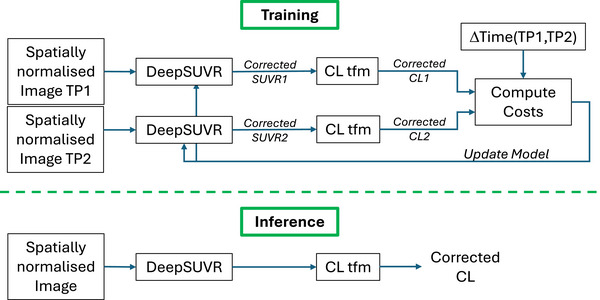 Figure 5
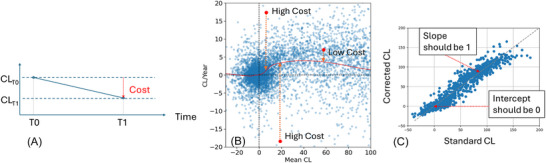 Figure 6
Peer Reviews
No public reviews on file for this paper yet. If you reviewed it on a platform where reviews are public (OpenReview, ICLR, NeurIPS, ICML), you can paste yours below so the community can read it here.
Videos
No videos yet. Explain this paper in a talk, walkthrough, or lecture? Add one.
Taxonomy
TopicsDementia and Cognitive Impairment Research · Alzheimer's disease research and treatments · Medical Imaging Techniques and Applications