Lopinavir Derivative as Potent P‑gp Inhibitor Enables Delivery through HPMA Copolymer Conjugates and Overcoming Tumor Chemoresistance to Conventional Cytostatic Drugs
Daniil Starenko, Libor Kostka, Katerina Behalova, Lenka Kotrchova, Vladimir Subr, Jirina Kovarova, Radka Roubalova, Milada Sirova, Tomas Etrych, Marek Kovar

TL;DR
A new lopinavir-based drug was developed to block P-gp in cancer cells, improving chemotherapy effectiveness and reducing tumor resistance.
Contribution
A novel lopinavir derivative was synthesized and conjugated to a copolymer to overcome tumor chemoresistance.
Findings
The lopinavir derivative inhibited P-gp with an EC50 of ~1 μM and sensitized cancer cells to chemotherapy drugs.
Conjugation with a copolymer improved the drug's pharmacological properties and tumor targeting.
The conjugate enhanced doxorubicin's antitumor efficacy in mouse models without toxicity.
Abstract
Tumor chemoresistance caused by P-glycoprotein (P-gp) expression in cancer cells remains a significant challenge in cancer chemotherapy. Herein, a novel P-gp-inhibiting lopinavir derivative (LD) was synthesized via esterification of protease inhibitor lopinavir with 5-methyl-4-oxohexanoic acid. LD proved to be a potent P-gp inhibitor with EC50 ∼ 1 μM, capable of considerable sensitization of P-gp-expressing cancer cells to conventional cytostatic drugs in vitro. The oxo functional group introduced in LD allowed its covalent linkage with the N-(2-hydroxypropyl)methacrylamide copolymer carrier via a pH-sensitive hydrazone bond (P-LD). Polymer conjugation enhanced the pharmacological properties of LD in vivo, increasing its half-life in the bloodstream, protecting it from metabolic degradation, and promoting its accumulation in tumors via the enhanced permeability and retention effect.…
Genes, proteins, chemicals, diseases, species, mutations and cell lines named across the full text — each resolved to its canonical identifier and authoritative record.
Click any figure to enlarge with its caption.
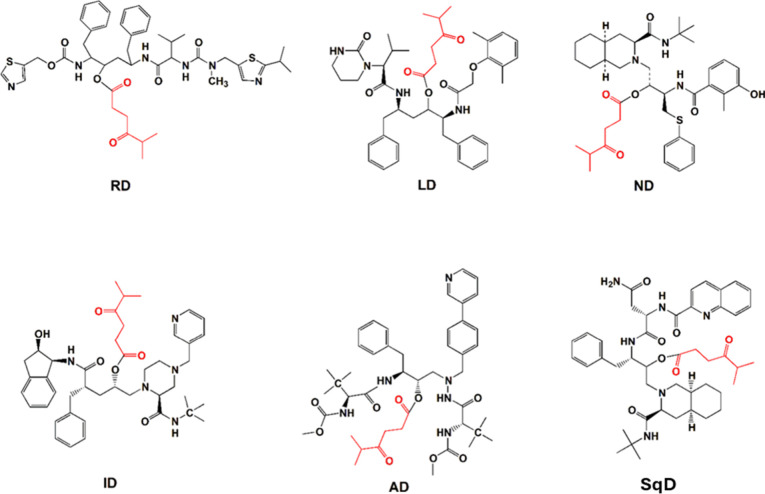 Figure 1
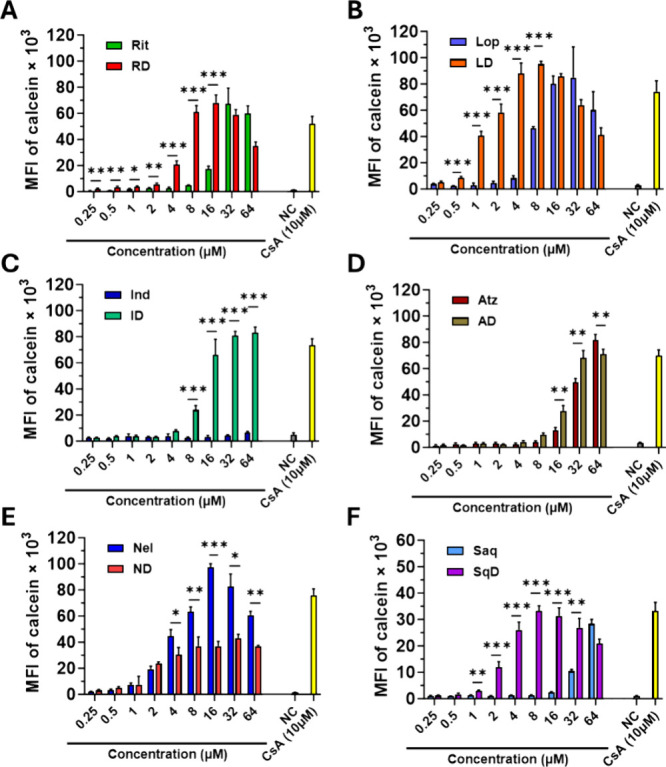 Figure 2
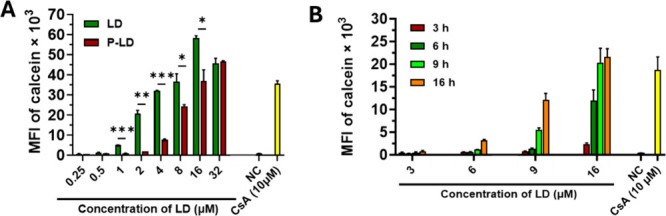 Figure 3
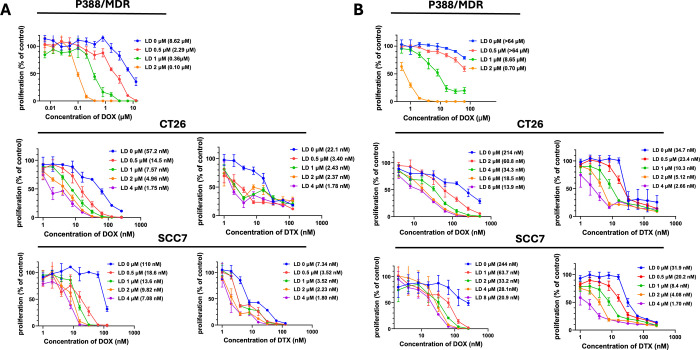 Figure 4
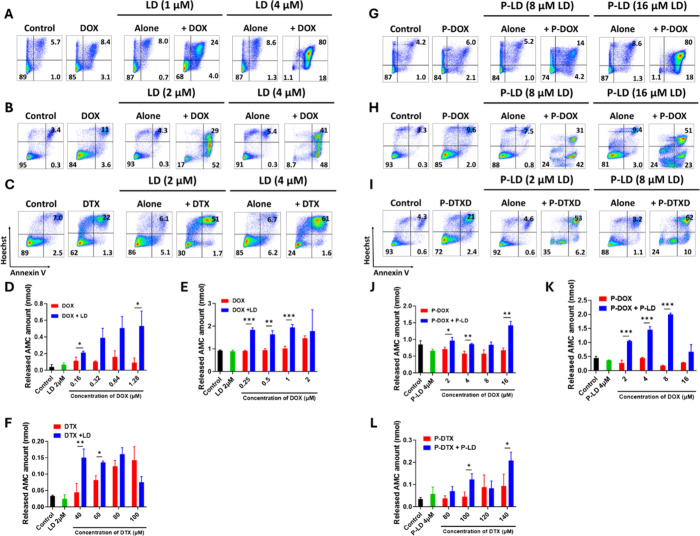 Figure 5
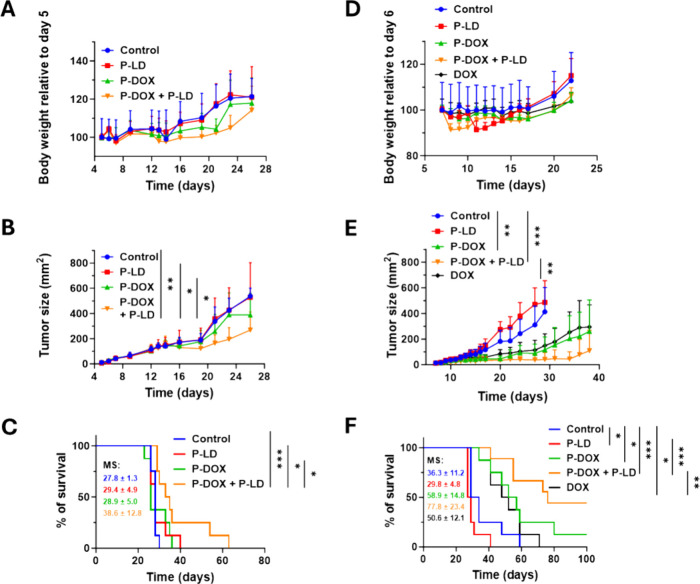 Figure 6
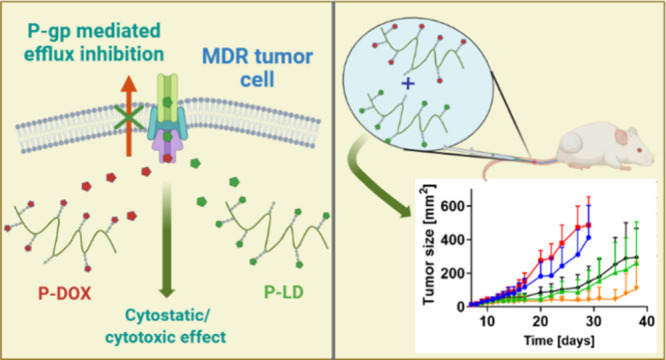 Figure 7
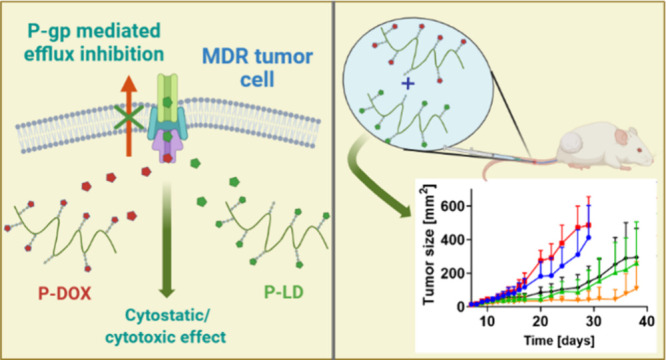 Figure 8
Peer Reviews
No public reviews on file for this paper yet. If you reviewed it on a platform where reviews are public (OpenReview, ICLR, NeurIPS, ICML), you can paste yours below so the community can read it here.
Videos
No videos yet. Explain this paper in a talk, walkthrough, or lecture? Add one.
Taxonomy
TopicsNanoparticle-Based Drug Delivery · Drug Transport and Resistance Mechanisms · HIV/AIDS drug development and treatment