Sn-Decorated Cu/Cu2O Electrodes Enable Selective CO2 Reduction to Formic Acid under Realistic Flue Gas Streams
Allef Leite, Eduardo Henrique Dias, Damilola Awotoye, Emmanuel Aransiola, Mohamed Ammar, Ernesto C. Pereira, Caue Ribeiro, Jonas Baltrusaitis

TL;DR
This paper shows that Sn-decorated Cu/Cu2O electrodes can efficiently convert CO2 into formic acid even in complex flue gas mixtures.
Contribution
The study introduces a scalable method to create Sn-decorated Cu/Cu2O electrodes for selective CO2 reduction in realistic gas conditions.
Findings
Sn-decorated electrodes achieved 80% Faradaic efficiency and 370 μmol cm–2 h–1 production rate under pure CO2.
High selectivity (90% Faradaic efficiency) was maintained in simulated flue gas despite lower CO2 partial pressure.
Flue gas exposure caused electrode restructuring, including surface roughening and carbonate formation.
Abstract
The electrochemical reduction of CO2 is typically investigated under pure CO2 feeds, but practical deployment must address more complex and dilute sources such as flue gases. Here, we studied Cu/Cu2O electrodes decorated with tin (Sn) synthesized using a scalable electrodeposition method and post-treatments under both pure CO2 and reactive nitrogen oxide-containing simulated flue gas, toward formic acid synthesis. Raman spectroscopy and Atomic Force Microscopy analyses revealed that flue gas exposure induces heterogeneous restructuring of the electrode with surface roughening, surface carbonate formation, and localized redeposition processes. Optimal catalyst performance under pure CO2 was achieved with intermediate Sn coverage of 3 min electrodeposition, delivering Faradaic efficiencies of 80% and production rates of 370 μmol cm–2 h–1. Sn-modified Cu2O electrodes also exhibited high…
Genes, proteins, chemicals, diseases, species, mutations and cell lines named across the full text — each resolved to its canonical identifier and authoritative record.
Click any figure to enlarge with its caption.
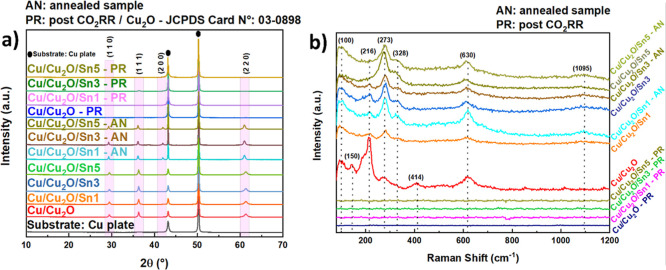 Figure 1
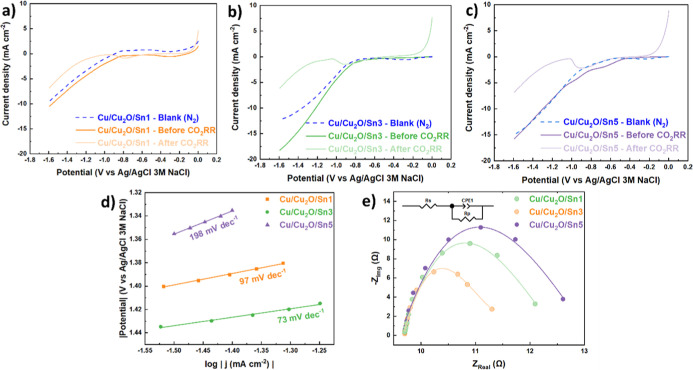 Figure 2
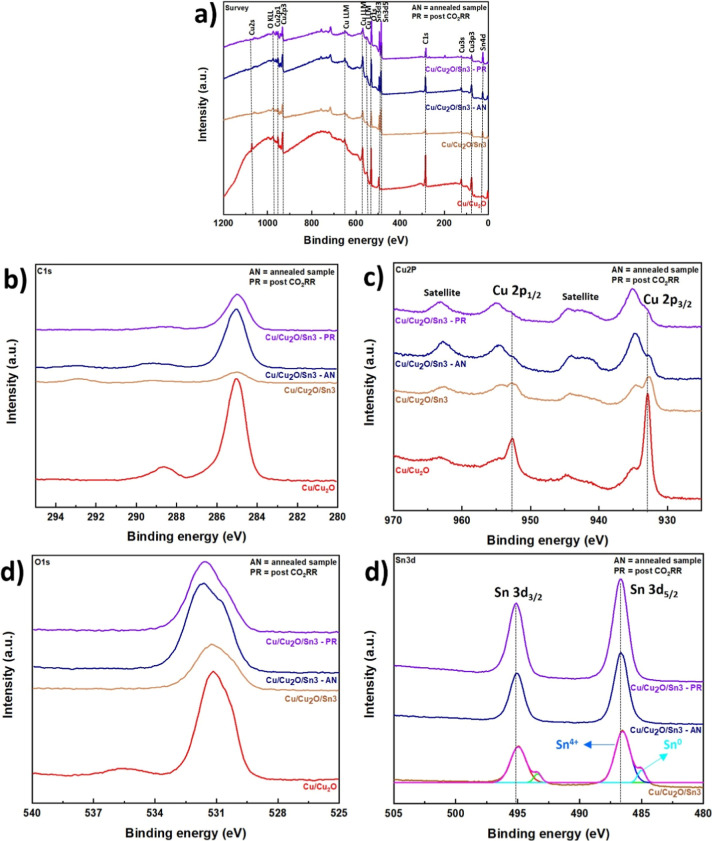 Figure 3
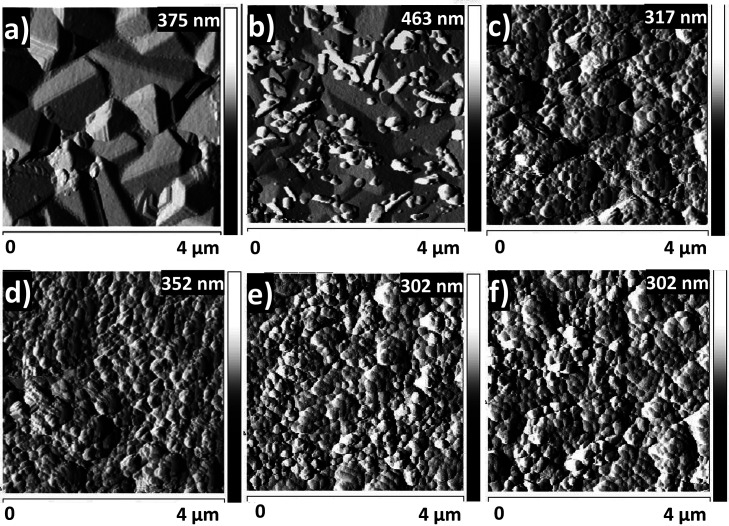 Figure 4
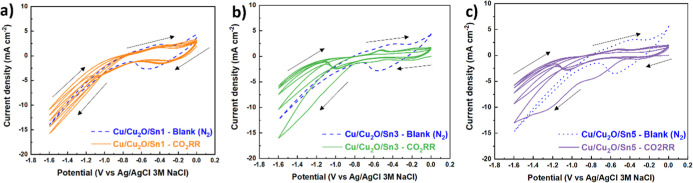 Figure 5
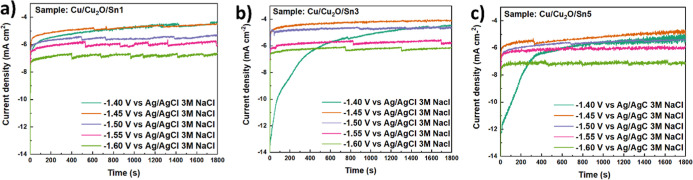 Figure 6
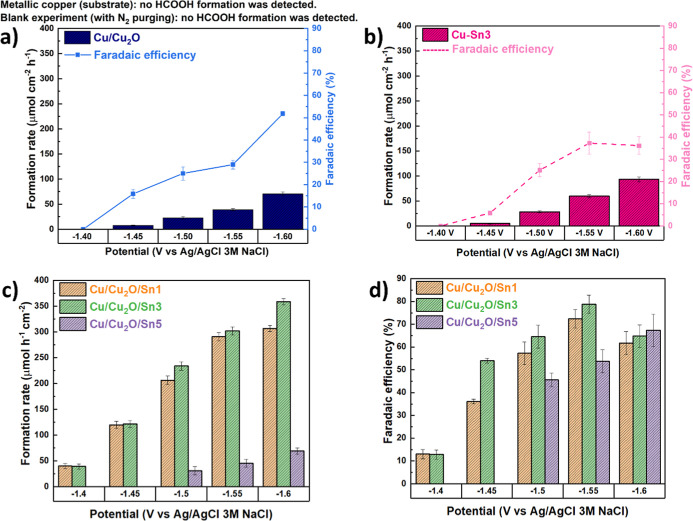 Figure 7
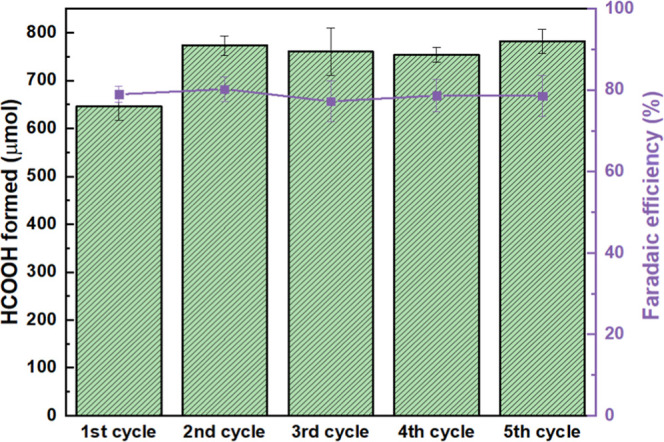 Figure 8
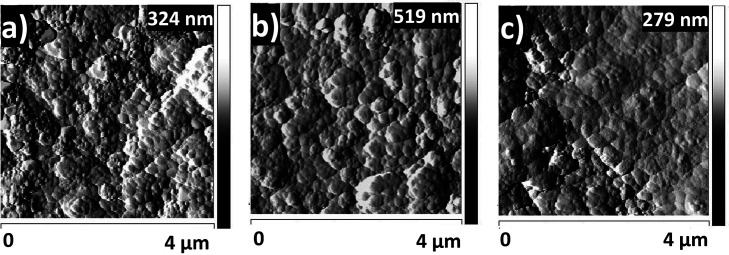 Figure 9
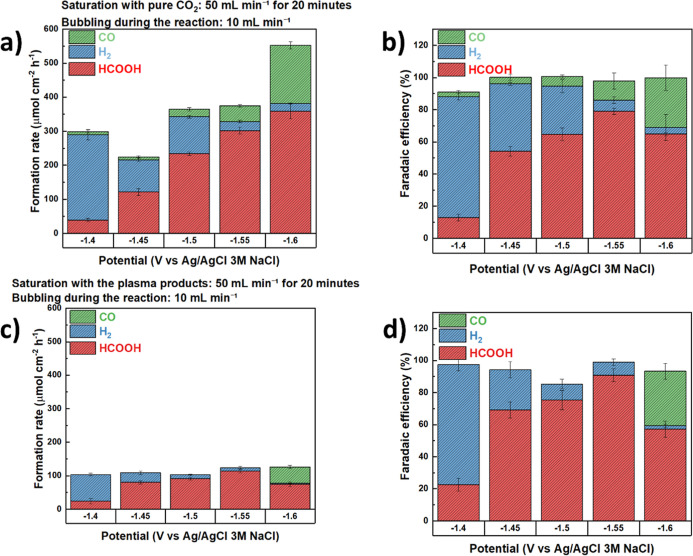 Figure 10
 Figure 11
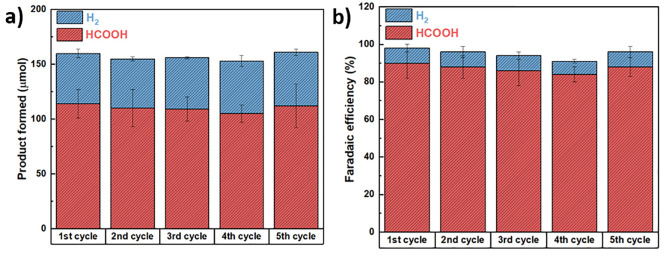 Figure 12
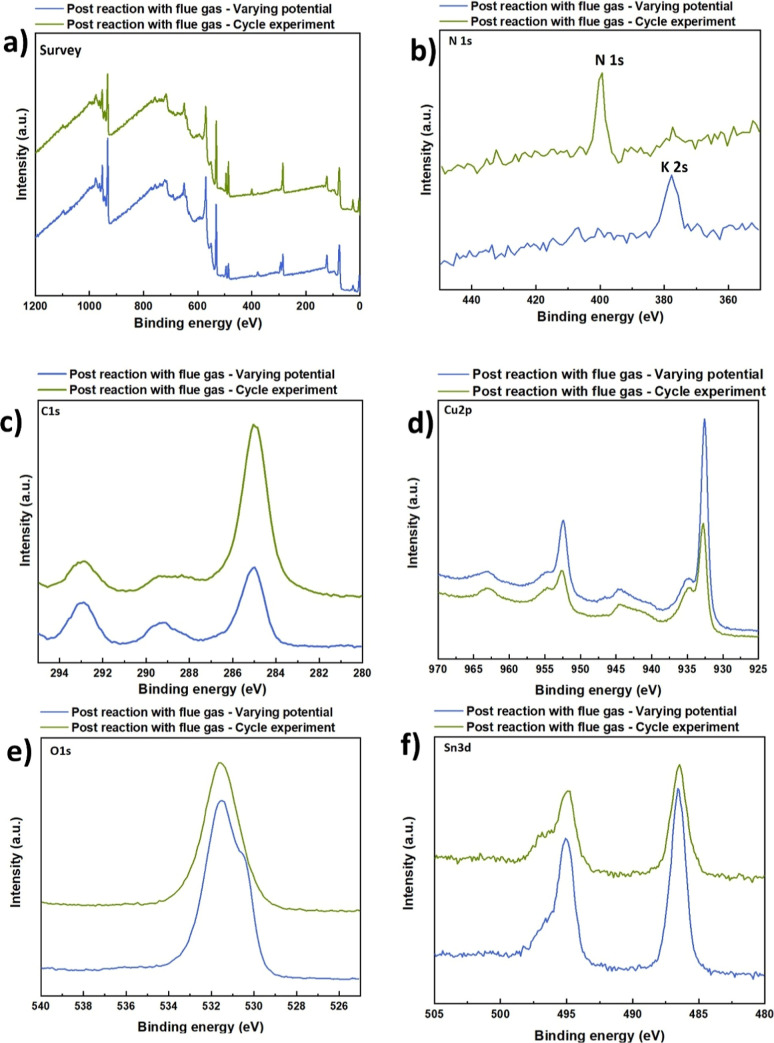 Figure 13
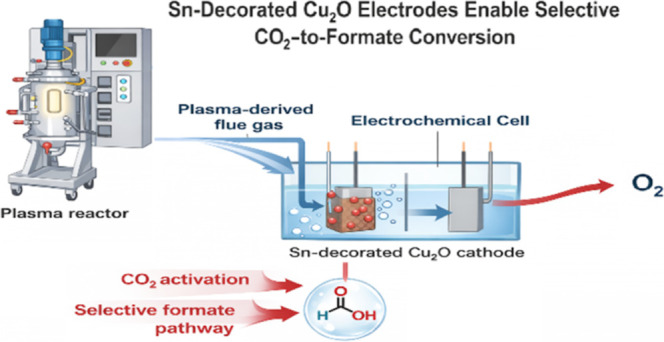 Figure 14
 Figure 15
 Figure 16
 Figure 17
 Figure 18
 Figure 19
Peer Reviews
No public reviews on file for this paper yet. If you reviewed it on a platform where reviews are public (OpenReview, ICLR, NeurIPS, ICML), you can paste yours below so the community can read it here.
Videos
No videos yet. Explain this paper in a talk, walkthrough, or lecture? Add one.
Taxonomy
TopicsCO2 Reduction Techniques and Catalysts · Carbon dioxide utilization in catalysis · Catalysts for Methane Reforming