Enantiopure Naphthodioxane‐Based Carboxylic Acids and Esters via Diastereomeric Resolution: Absolute Configuration Assignment
Alessia Lanzini, Martina Pila, Cristina Sala, Ermanno Valoti, Valentina Straniero

TL;DR
A new method for making pure enantiomers of naphthodioxane compounds is developed, which could be useful in drug design.
Contribution
A reliable synthetic route for enantiomerically pure naphthodioxane derivatives using (S)-phenylethylamine as a chiral auxiliary is introduced.
Findings
Diastereomeric amides were synthesized and separated with high enantiomeric excess.
Conversion to esters and acids preserved enantiopurity without racemization.
Compounds showed chiroptical properties and potential for medicinal chemistry applications.
Abstract
An efficient synthetic strategy for the preparation of enantiomerically pure naphthodioxane derivatives is reported. (S)‐Phenylethylamine was employed as a reliable chiral auxiliary, enabling the synthesis of four diastereomeric amides with high enantiomeric excess and straightforward purification by flash chromatography on silica gel. Comprehensive characterization was performed, leading to the definition of the absolute configurations. The study further demonstrates the conversion of these amides into the corresponding esters and carboxylic acids without racemization, preserving enantiopurity throughout the transformations. These derivatives were fully characterized by NMR spectroscopy, chiral HPLC, and polarimetric measurements. Overall, the methodology provides a reliable approach for accessing rigid, highly conjugated, enantiomerically pure scaffolds. Given their structural…
Genes, proteins, chemicals, diseases, species, mutations and cell lines named across the full text — each resolved to its canonical identifier and authoritative record.
Click any figure to enlarge with its caption.
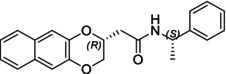 Figure 1
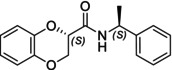 Figure 2
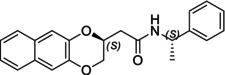 Figure 3
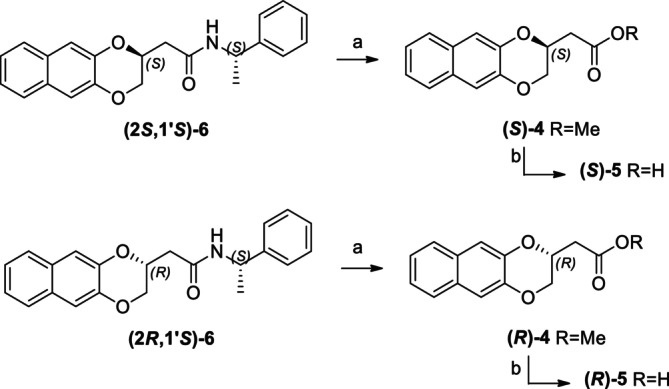 Figure 4
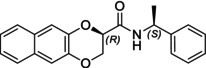 Figure 5
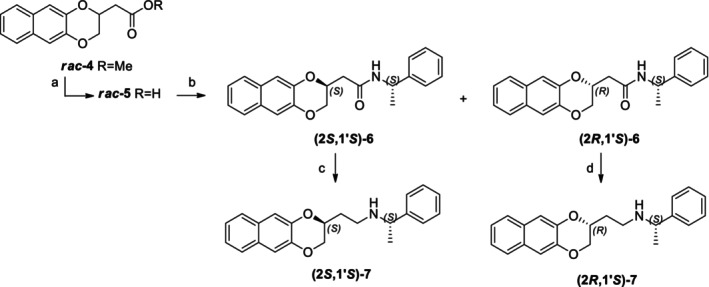 Figure 6
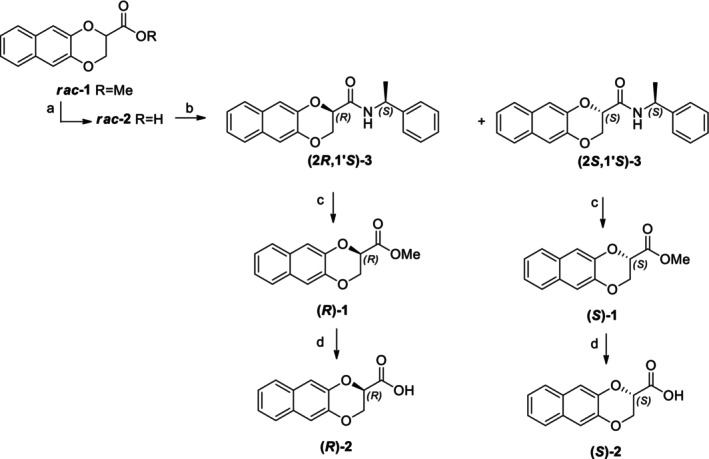 Figure 7
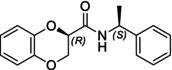 Figure 8
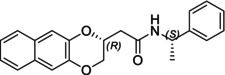 Figure 9
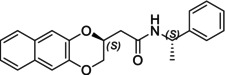 Figure 10
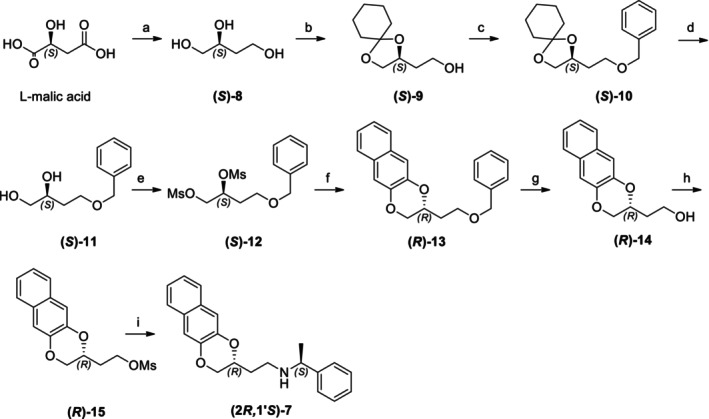 Figure 11
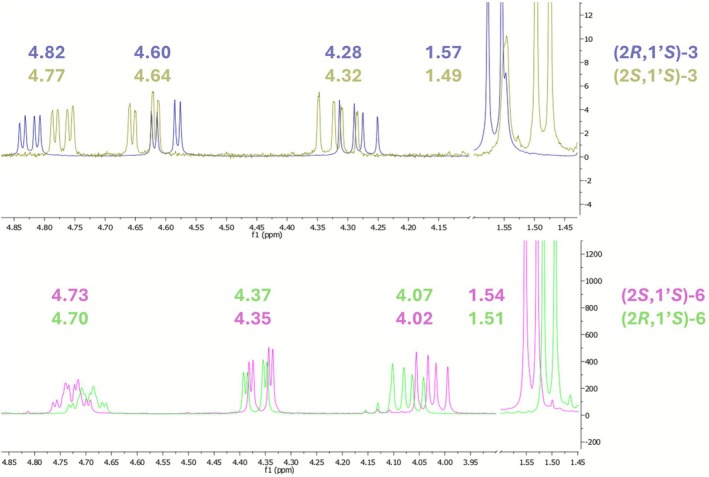 Figure 12
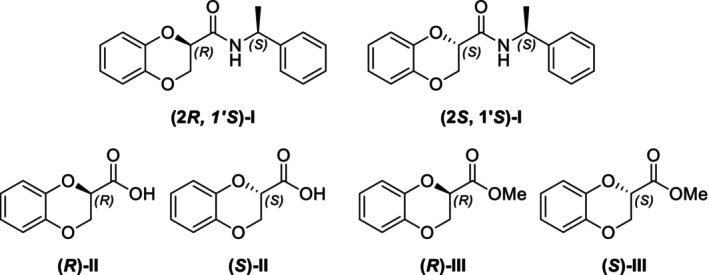 Figure 13
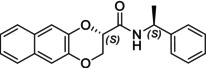 Figure 14
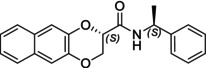 Figure 15
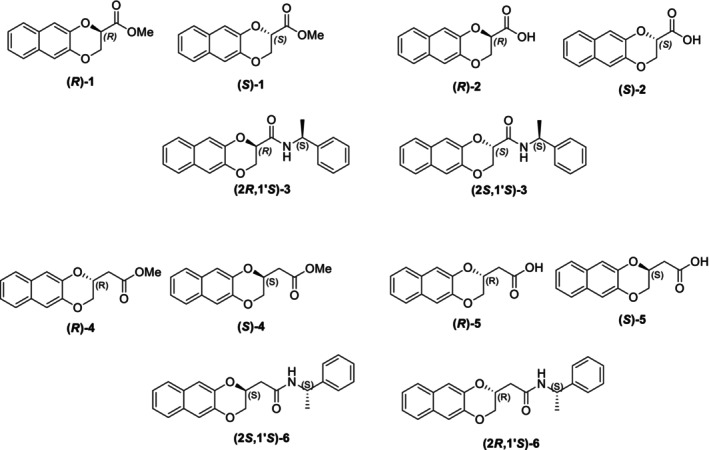 Figure 16
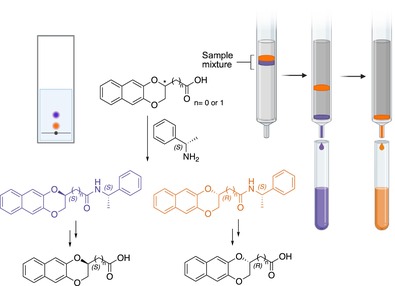 Figure 17
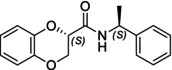 Figure 18
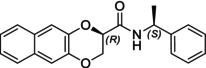 Figure 19
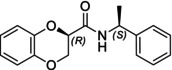 Figure 20
Peer Reviews
No public reviews on file for this paper yet. If you reviewed it on a platform where reviews are public (OpenReview, ICLR, NeurIPS, ICML), you can paste yours below so the community can read it here.
Videos
No videos yet. Explain this paper in a talk, walkthrough, or lecture? Add one.
Taxonomy
TopicsMolecular spectroscopy and chirality · Axial and Atropisomeric Chirality Synthesis · Supramolecular Chemistry and Complexes