Plasmodium infection fully activates the immune system in peripheral blood and tumor microenvironment in a murine Lewis lung cancer model
Qunfeng Huang, Dongheng Yang, Zhu Tao, Zhaoqing Yu, Wenting Ding, Na Tao, Xiulin Liao, Haoxin Lin, Zhipeng Cheng, Susu Gao, Zhongkui Kang, Jianming Xie, Wen Hu, Li Qin, Xiaoping Chen, Guifang Yu

TL;DR
Plasmodium infection activates the immune system in mice, inhibiting tumor growth through a new cancer immunotherapy approach.
Contribution
The study reveals that Plasmodium infection activates antitumor immunity by targeting pSTAT3 and TGFβ, offering a novel cancer immunotherapy strategy.
Findings
Plasmodium infection increases T cell subsets and reduces immunosuppressive signals in tumor tissues.
The infection inhibits tumor growth and alters macrophage ratios in favor of antitumor activity.
Plasmodium reduces pSTAT3 and TGFβ levels, indicating a new mechanism for immune activation.
Abstract
Plasmodium infection has been proven to activate antitumor immune responses. This study comprehensively analyzes the immune cell populations in peripheral blood and tumor microenvironment to elucidate the potential immunological mechanisms by which Plasmodium infection inhibits tumor growth. We established a subcutaneous Lewis lung cancer model in C57BL/6J mice and treated them with intraperitoneal injection of Plasmodium yoelii. The long and short diameters of tumors were measured. Then, high-dimensional flow cytometry was used to analyze the T cell subsets, macrophages and myeloid-derived suppressor cells (MDSCs) in peripheral blood and tumor tissues. Immunosuppression-related phosphorylated signal transducer and activator of transcription 3 (pSTAT3) and TGFβ in tumor tissues were also measured through Western blotting assay. Plasmodium infection inhibited the growth of Lewis lung…
Genes, proteins, chemicals, diseases, species, mutations and cell lines named across the full text — each resolved to its canonical identifier and authoritative record.
Click any figure to enlarge with its caption.
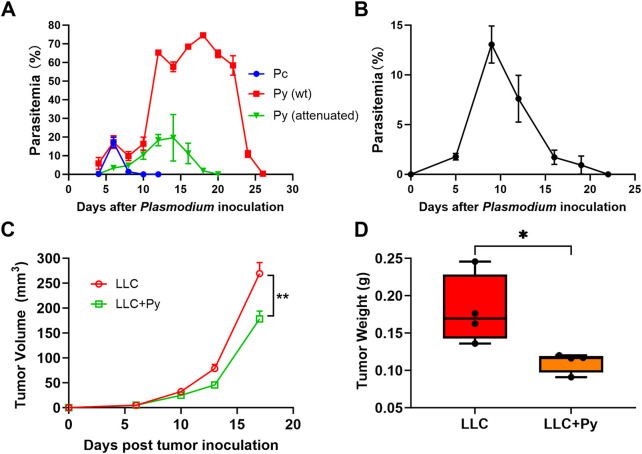 Figure 1
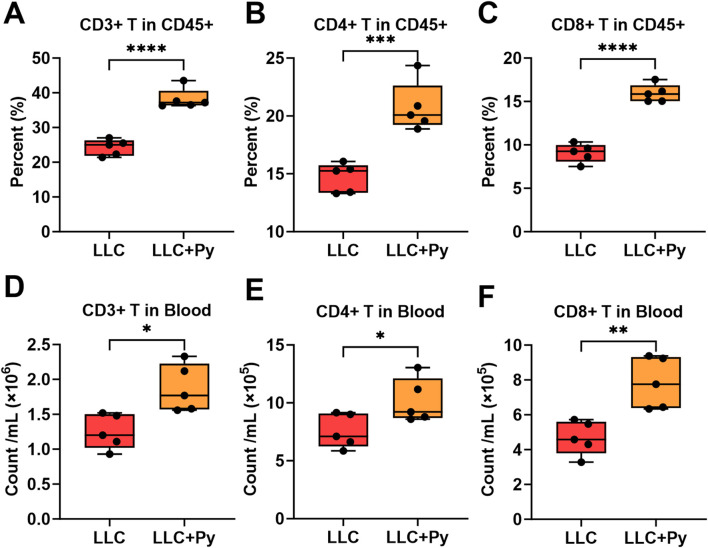 Figure 2
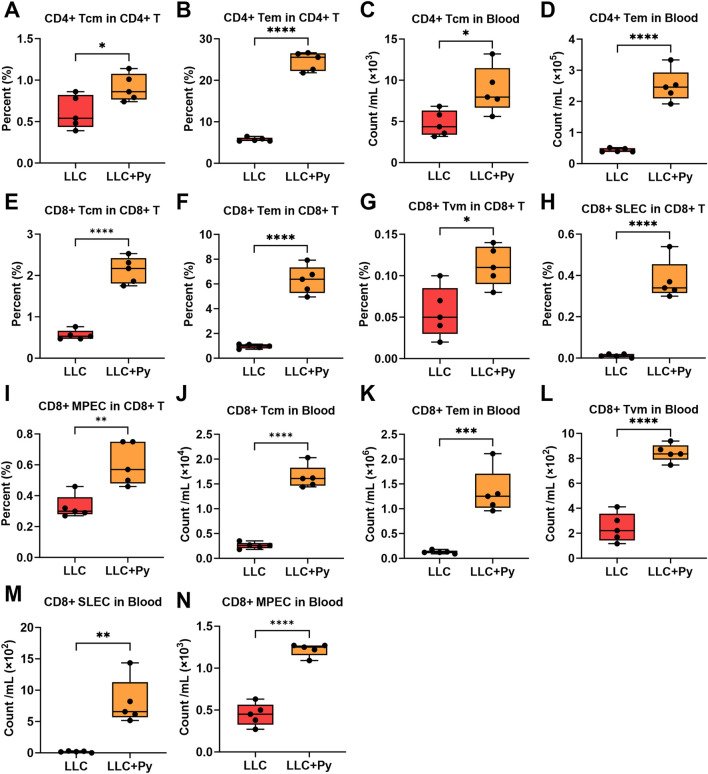 Figure 3
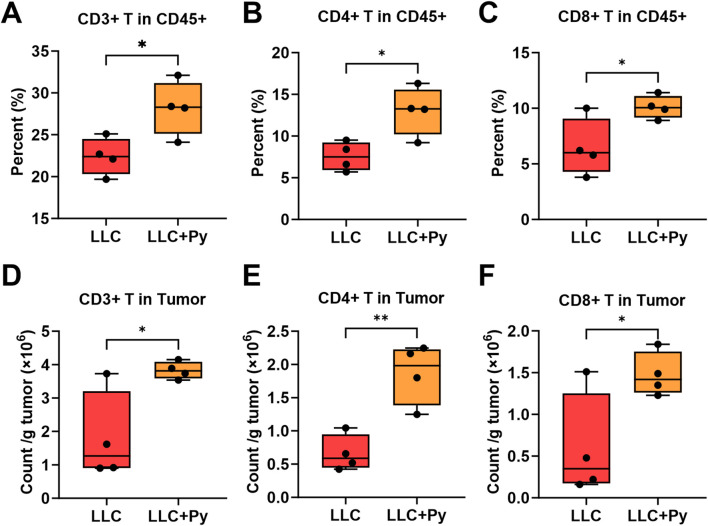 Figure 4
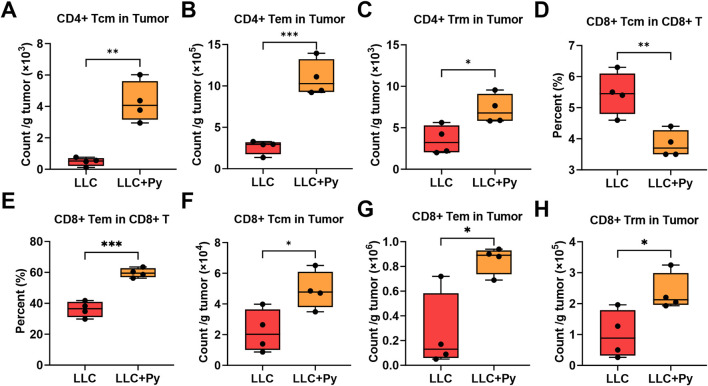 Figure 5
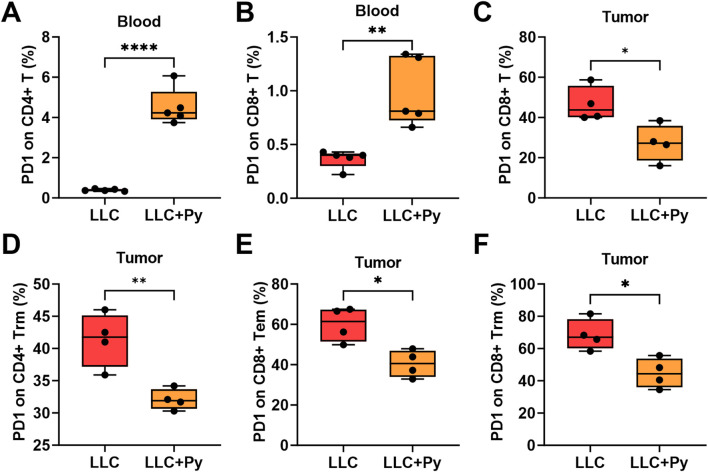 Figure 6
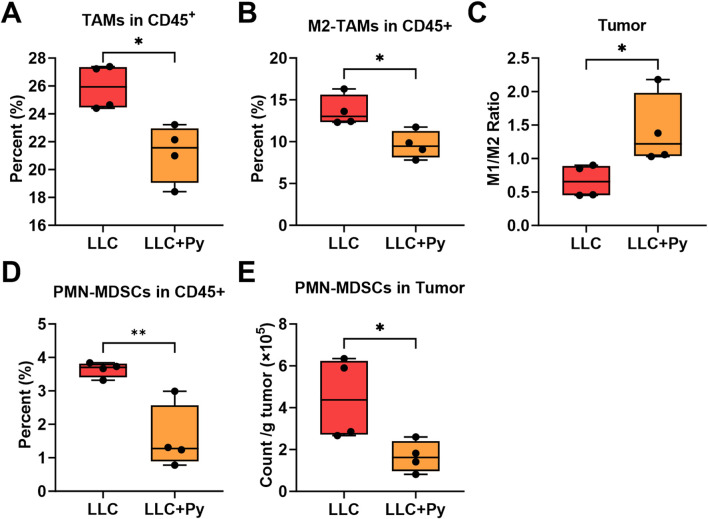 Figure 7
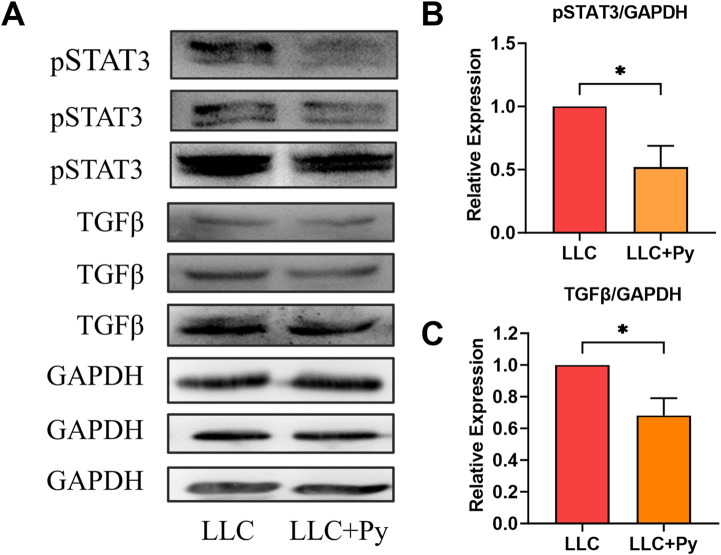 Figure 8
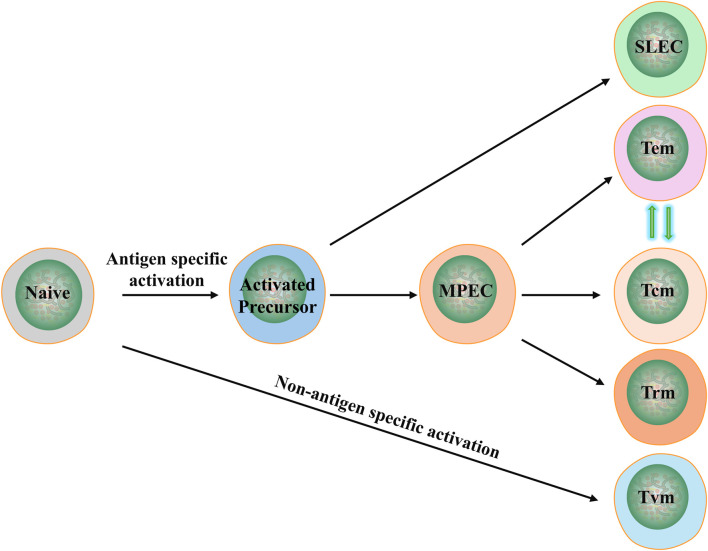 Figure 9
Peer Reviews
No public reviews on file for this paper yet. If you reviewed it on a platform where reviews are public (OpenReview, ICLR, NeurIPS, ICML), you can paste yours below so the community can read it here.
Videos
No videos yet. Explain this paper in a talk, walkthrough, or lecture? Add one.
Taxonomy
TopicsMalaria Research and Control · Immune cells in cancer · Immune responses and vaccinations