A Novel Microfluidic System for 3D Epidermis and Full‐Thickness Skin Growth for Nanoparticle Safety Assessment
Samantha Costa, Ana B. Carneiro, Filipa Lebre, João Meneses, Alar Ainla, Cacilda Moura, Ernesto Alfaro‐Moreno, Ana R. Ribeiro

TL;DR
A new microfluidic system mimics human skin to better assess nanoparticle safety, showing how they can harm skin function and trigger inflammation.
Contribution
A dynamically perfused, modular microfluidic system for epidermis and full-thickness skin models with enhanced physiological relevance for nanoparticle toxicity testing.
Findings
Exposure to TiO2 nanoparticles reduced skin barrier integrity by 32.4% and metabolic activity by 12.1%.
The system showed increased permeability (2.9%) and histological signs of tissue damage.
Chemokine upregulation indicates an early inflammatory response to nanoparticle exposure.
Abstract
Chronic skin exposure to nanoparticles (NPs) from air pollution, cosmetics, tattoo inks, and smart textiles is linked to adverse effects such as accelerated aging, dermatitis, eczema, and increased melanoma risk. However, the limited predictive power and physiological relevance of conventional in vitro models, combined with the absence of standardized protocols for assessing NP toxicity, remain a major challenge. To address these limitations, the development of skin‐on‐chip (SoC) systems provides a more physiologically relevant solution, surpassing the constraints of static skin cultures. Here, a novel SoC model with dynamic perfusion and a modular architecture suitable for epidermis‐only (EoC) and full‐thickness (FT) skin models isdeveloped. Under dynamic conditions, both models are metabolically active, exhibit enhanced barrier function, and display a morphology resembling native…
Genes, proteins, chemicals, diseases, species, mutations and cell lines named across the full text — each resolved to its canonical identifier and authoritative record.
Click any figure to enlarge with its caption.
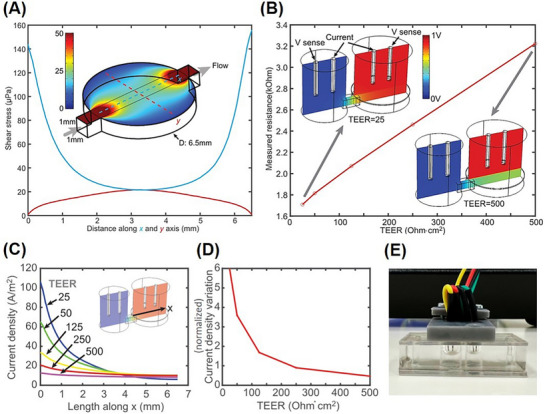 Figure 1
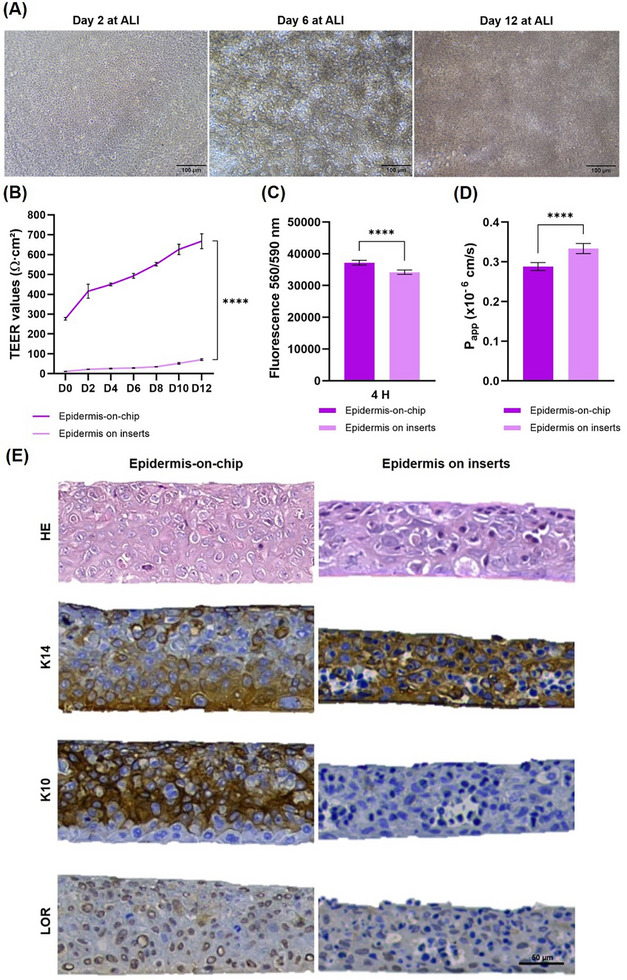 Figure 2
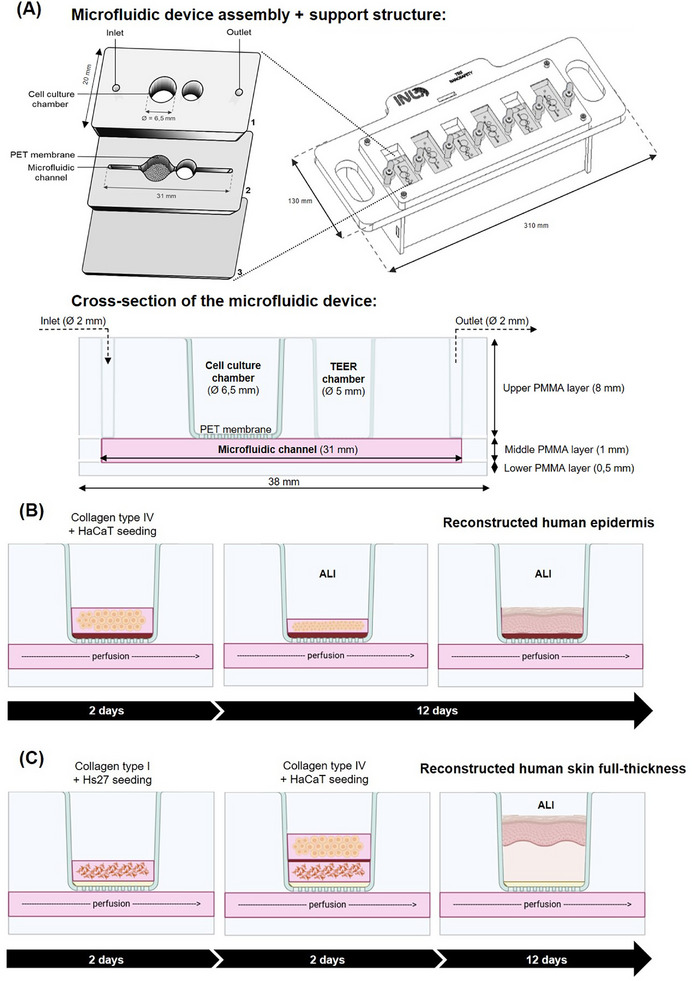 Figure 3
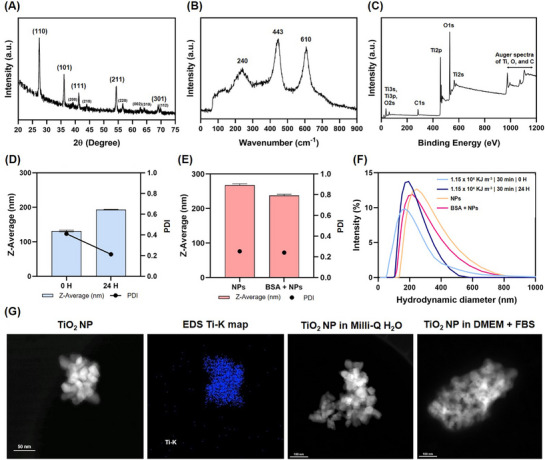 Figure 4
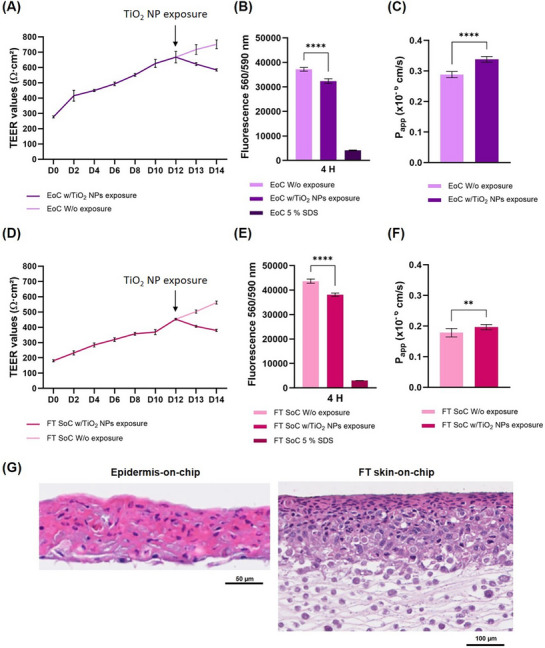 Figure 5
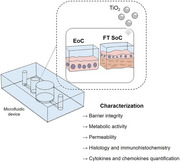 Figure 6
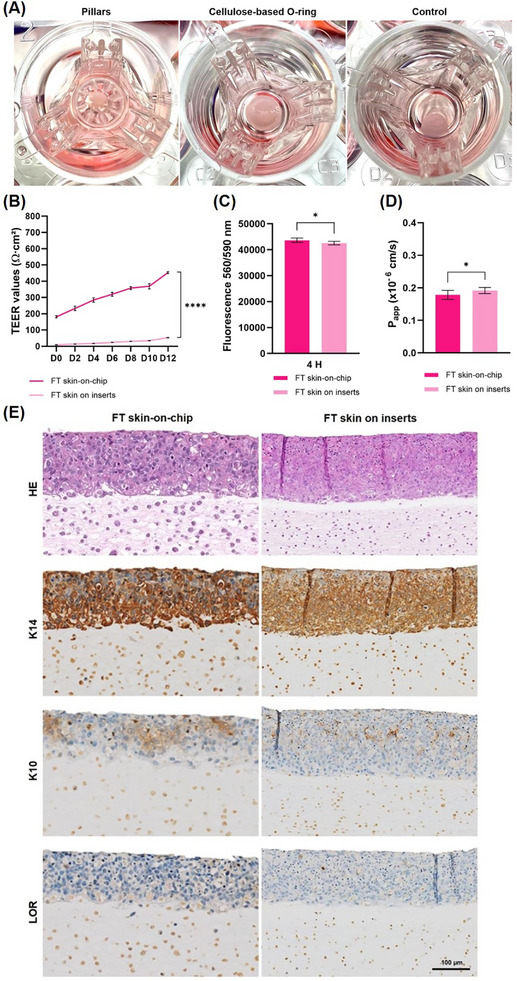 Figure 7
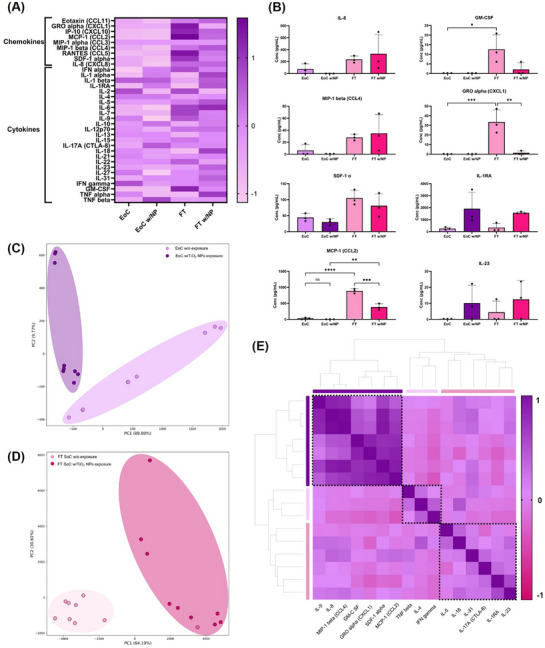 Figure 8
Peer Reviews
No public reviews on file for this paper yet. If you reviewed it on a platform where reviews are public (OpenReview, ICLR, NeurIPS, ICML), you can paste yours below so the community can read it here.
Videos
No videos yet. Explain this paper in a talk, walkthrough, or lecture? Add one.
Taxonomy
TopicsAdvancements in Transdermal Drug Delivery · 3D Printing in Biomedical Research · Advanced Sensor and Energy Harvesting Materials