Analysis of differential photoplethysmography signal patterns in apnea and hypopnea
Márton Áron Goda, Arie Oksenberg, Ali Azarbarzin, Joachim A Behar

TL;DR
This study shows that photoplethysmography can detect differences in breathing events during sleep, suggesting potential for wearable diagnostic tools.
Contribution
The novel contribution is identifying differential photoplethysmography signal patterns to distinguish apneas and hypopneas in different sleep postures.
Findings
Photoplethysmography signal characteristics significantly differ between apneas and hypopneas.
A machine learning model achieved an AUC of 0.80 in lateral posture and 0.83 in supine posture for classification.
Discriminative signal features remained consistent across different periods of the night.
Abstract
Objective. Photoplethysmography, a non-invasive optical technique that measures changes in blood volume in the microvascular bed of tissue, offers a promising approach for monitoring physiological changes during sleep. This study evaluates differential photoplethysmography signal patterns that can distinguish between apneas vs hypopneas, which are key features of sleep-related breathing disorders. Approach. We analyzed data from 263 severe (apnea hypopnea index ⩾30) obstructive sleep apnea patients, using recordings from the Multi-Ethnic Study of Atherosclerosis. Over 57 000 respiratory events occurring during stage N2 sleep were included. A machine learning model was trained on 89 features derived from the photoplethysmography signal, using the pyPPG toolbox, to classify: apneas vs hypopneas in the supine and lateral sleep posture, and posture-specific differences for each respiratory…
Genes, proteins, chemicals, diseases, species, mutations and cell lines named across the full text — each resolved to its canonical identifier and authoritative record.
Click any figure to enlarge with its caption.
 Figure 1
 Figure 2
 Figure 3
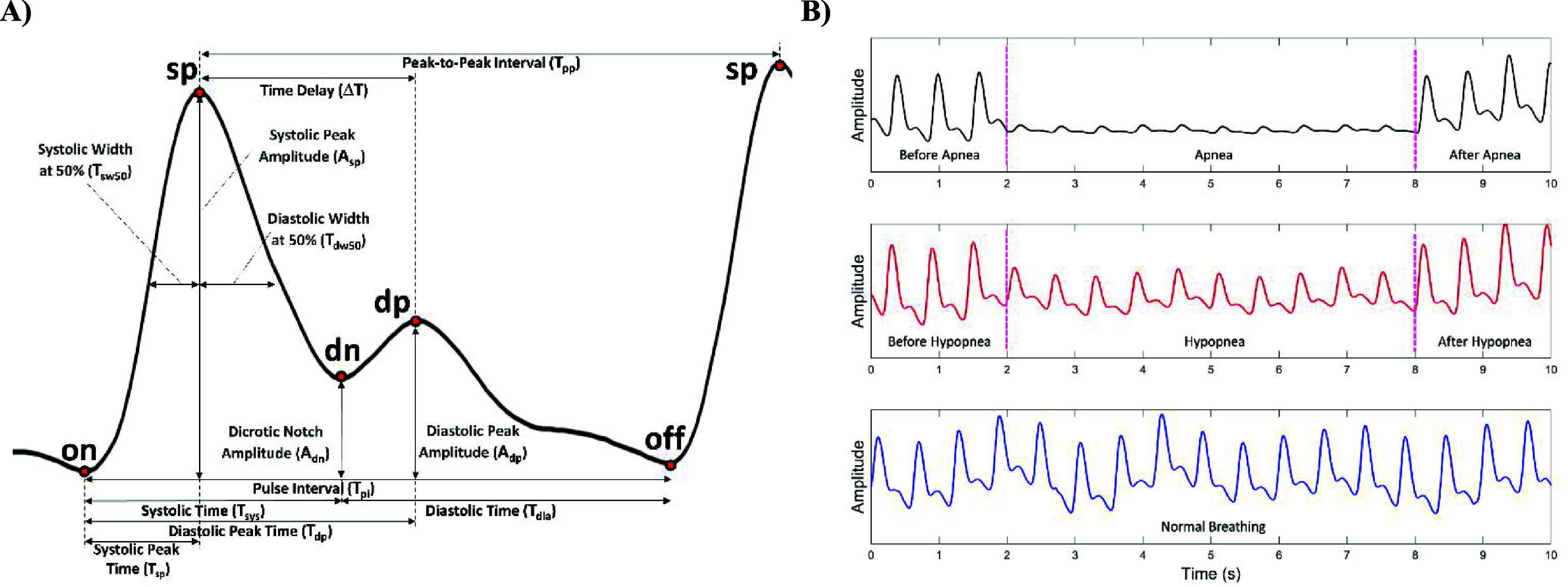 Figure 4
 Figure 5
 Figure 6
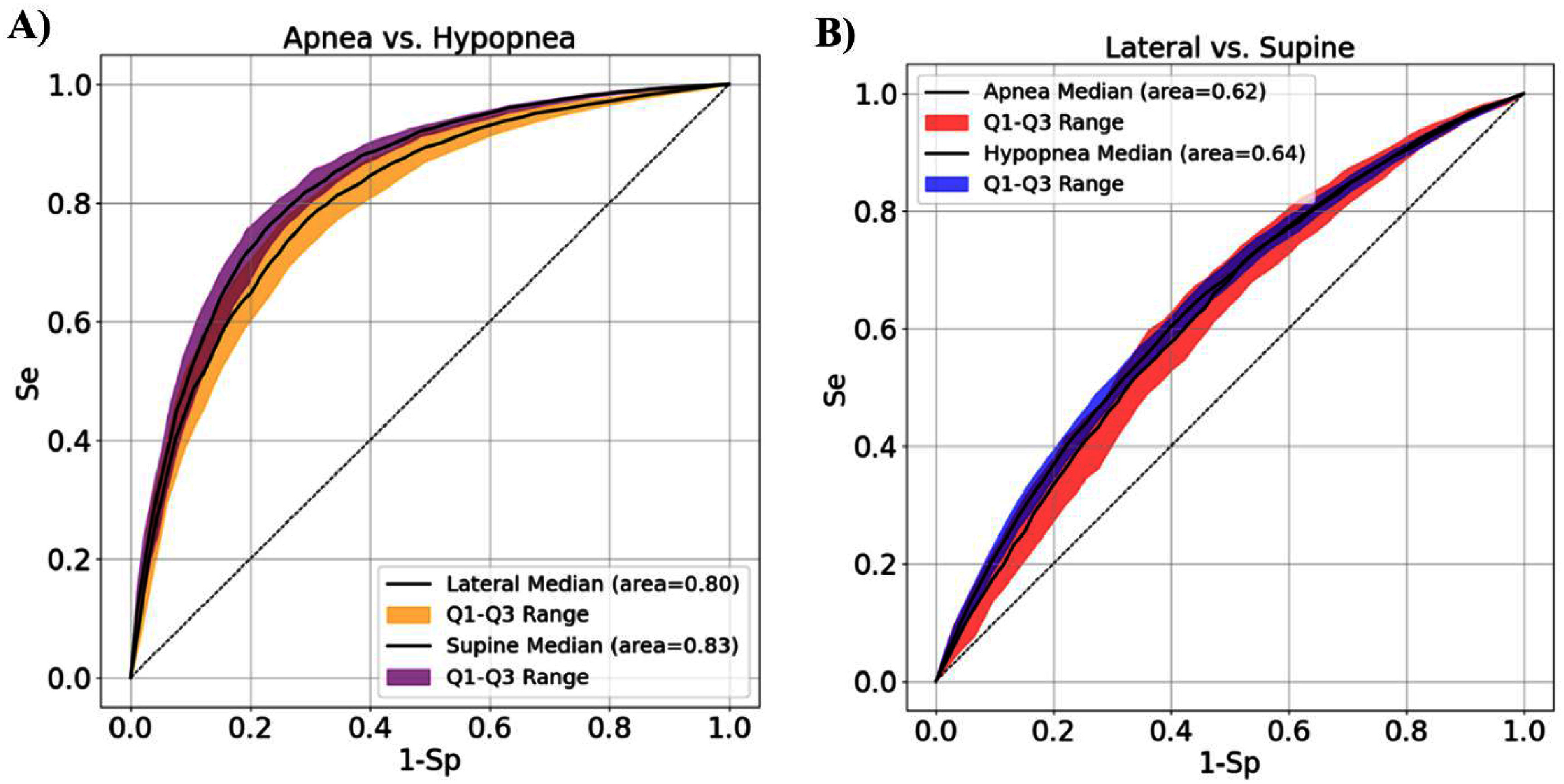 Figure 7
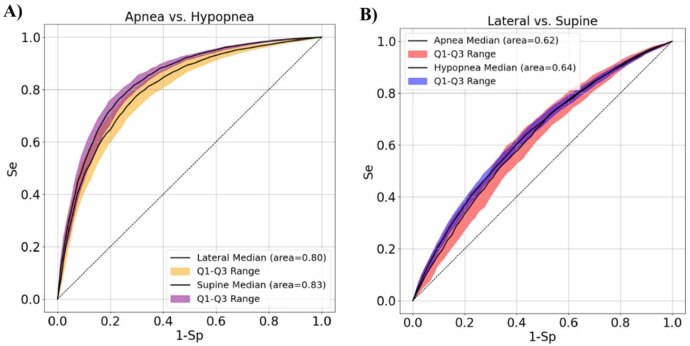 Figure 8
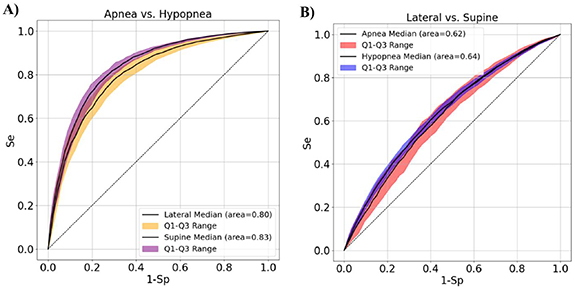 Figure 9
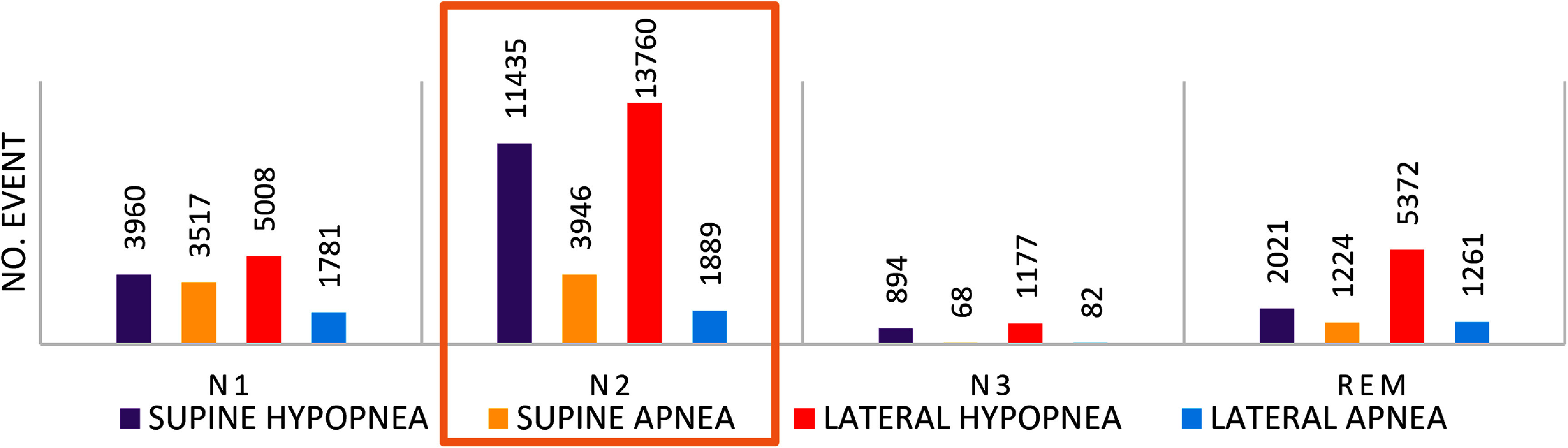 Figure 10
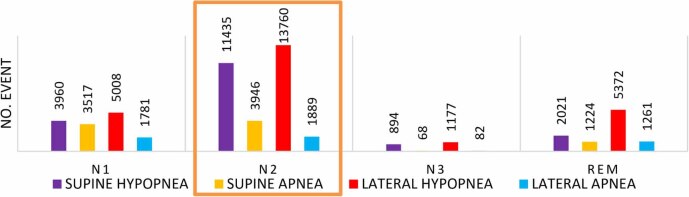 Figure 11
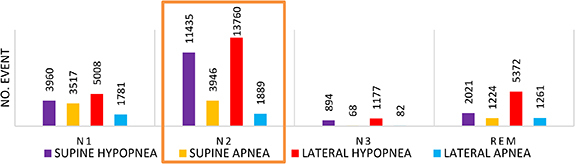 Figure 12
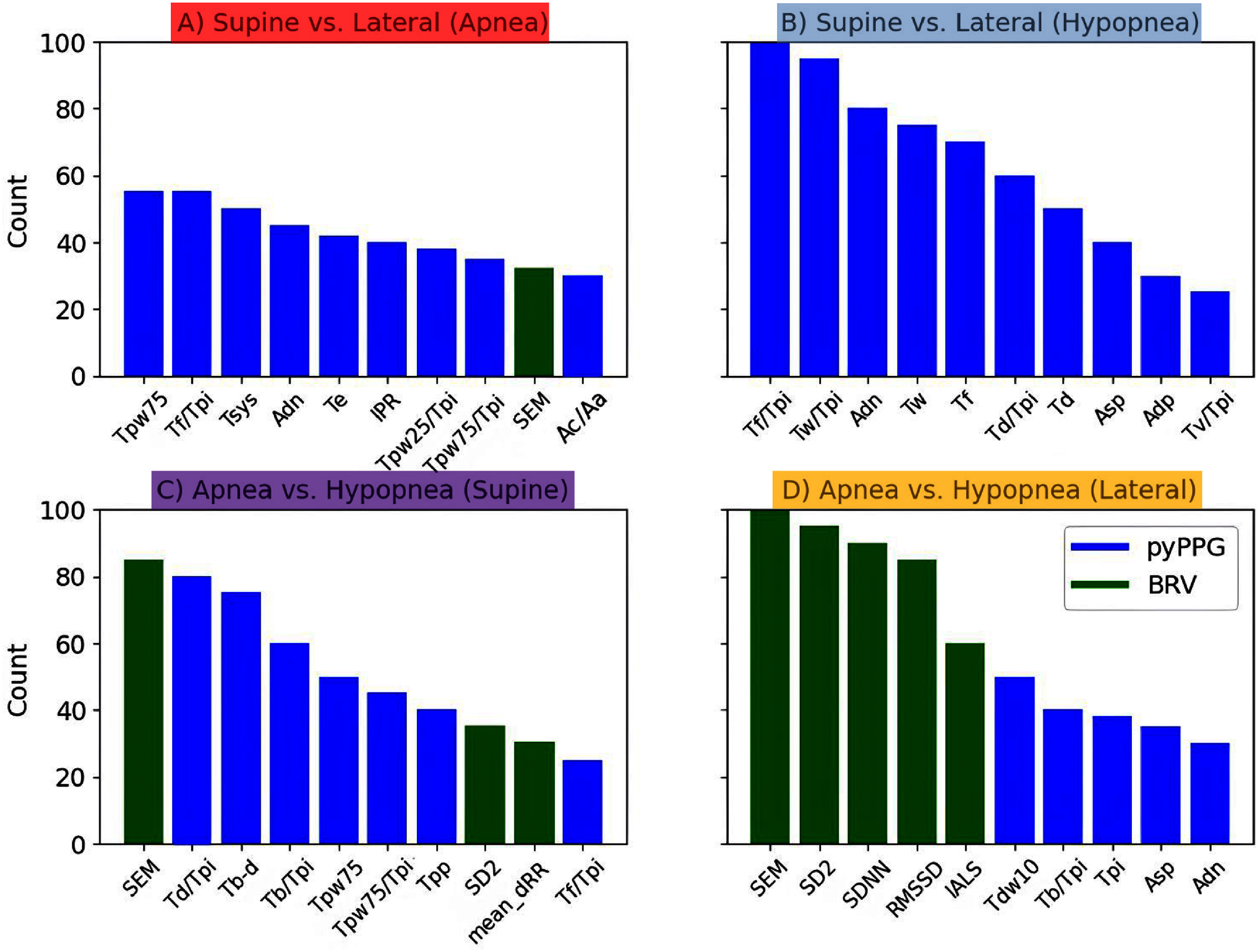 Figure 13
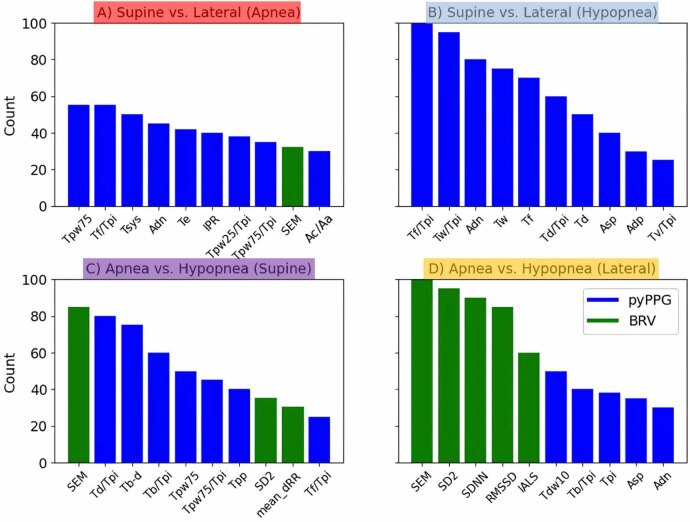 Figure 14
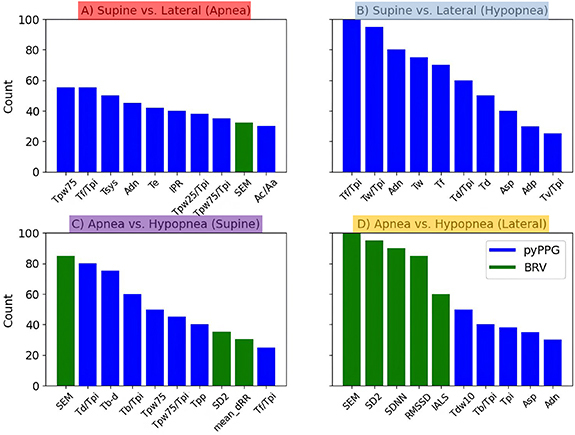 Figure 15
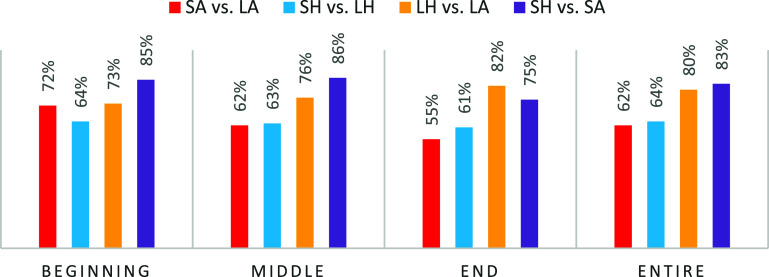 Figure 16
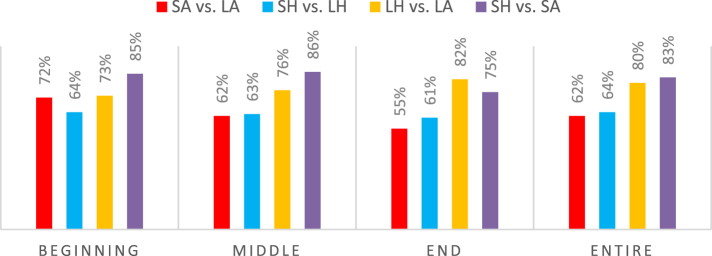 Figure 17
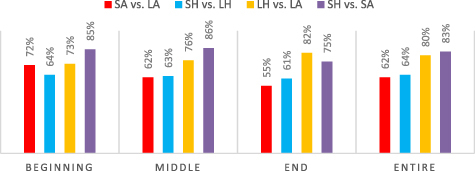 Figure 18
Peer Reviews
No public reviews on file for this paper yet. If you reviewed it on a platform where reviews are public (OpenReview, ICLR, NeurIPS, ICML), you can paste yours below so the community can read it here.
Videos
No videos yet. Explain this paper in a talk, walkthrough, or lecture? Add one.
Taxonomy
TopicsNon-Invasive Vital Sign Monitoring · Obstructive Sleep Apnea Research · Pressure Ulcer Prevention and Management