Optimization of Bolus-Tracking Thresholds levels in Cerebral CT Angiography: Influence of Patient Characteristics on contrast enhancement dynamics and radiation dose metrics
Ashwin Prabhu, Abhimanyu Pradhan, Sharath S, Rajagopal Kadavigere, Winniecia Dkhar, Priya P S, Suresh Sukumar, Pulagam Vamsidhar Reddy, Neil Abraham Barnes, Manna Debnath, Abhimanyu Pradhan

TL;DR
The study finds that adjusting contrast thresholds in cerebral CT scans based on patient age and gender can reduce venous contamination and improve diagnostic accuracy.
Contribution
The study introduces an optimized bolus-tracking threshold of 105 ± 5 HU for cerebral CTA, tailored to patient characteristics.
Findings
Arterial enhancement is higher in females and older patients.
A threshold of 105 ± 5 HU reduces venous contamination with high sensitivity and specificity.
CTDIvol is a better dose metric than SSDE for cerebral CTA.
Abstract
Cerebral computed tomography angiography (CTA) is widely used to assess neurovascular disorders, but venous contamination often obscures arteries. Optimizing bolus-tracking thresholds is crucial, yet patient factors influencing contrast dynamics and the value of radiation dose indices in head CTA remain unclear. To optimize bolus-tracking thresholds in cerebral CTA by examining patient-related influences on enhancement and radiation metrics. 126 adults undergoing cerebral CTA were evaluated in this prospective study. Demographics, physiologic parameters, peak enhancement time (PET), peak enhancement attenuation (PEA), and dose indices (CTDIvol, SSDE) were recorded. Linear regression identified predictors of enhancement. Two blinded radiologists graded venous contamination. ROC analysis, including age subgroups, determined the optimal HU threshold. Median age was 55.5 years; 70% were…
Genes, proteins, chemicals, diseases, species, mutations and cell lines named across the full text — each resolved to its canonical identifier and authoritative record.
Click any figure to enlarge with its caption.
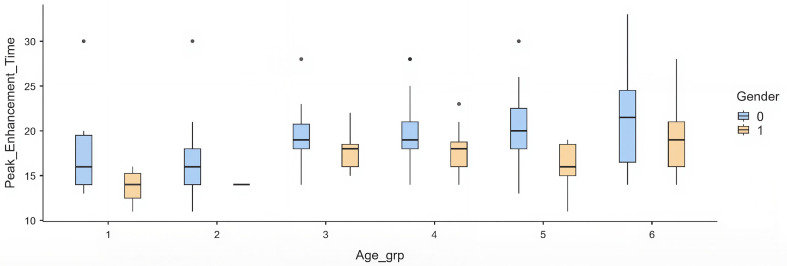 Figure 1
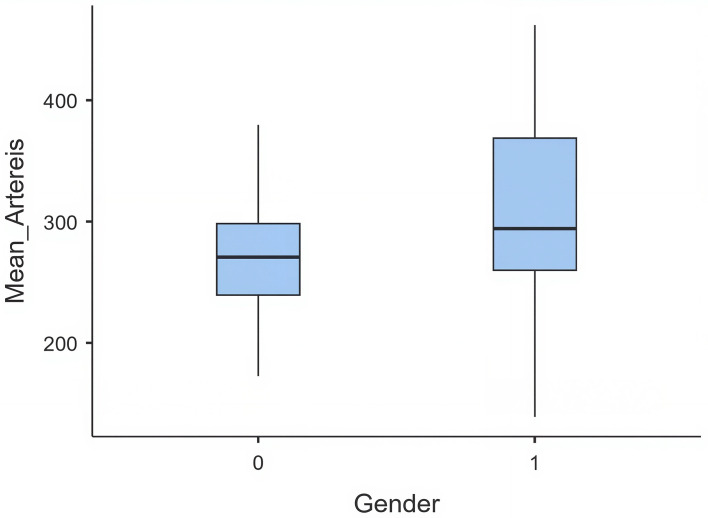 Figure 2
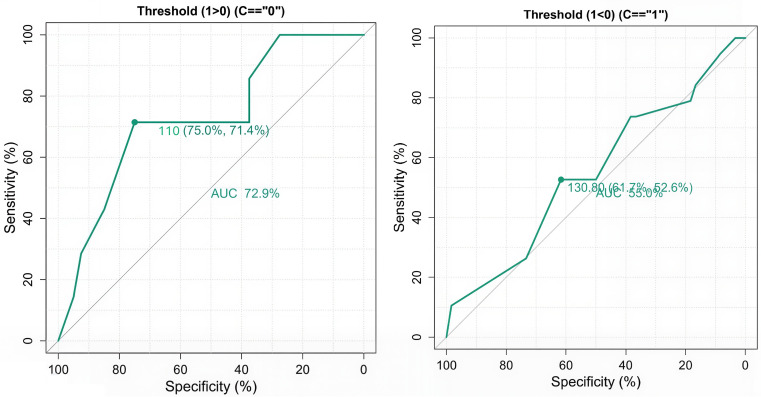 Figure 3
Peer Reviews
No public reviews on file for this paper yet. If you reviewed it on a platform where reviews are public (OpenReview, ICLR, NeurIPS, ICML), you can paste yours below so the community can read it here.
Videos
No videos yet. Explain this paper in a talk, walkthrough, or lecture? Add one.
Taxonomy
TopicsRadiation Dose and Imaging · Cerebrovascular and Carotid Artery Diseases · Acute Ischemic Stroke Management