A modelling perspective on torque–frequency trade-offs in multifunctional lever systems driven by antagonist muscle pairs
Cas Jorissen, Sam van Wassenbergh

TL;DR
This paper explores how muscle fiber types and recruitment patterns affect the trade-off between movement speed and force in bird beaks.
Contribution
The study introduces a modeling framework linking muscle fiber types and Henneman's principle to torque-frequency trade-offs in multifunctional lever systems.
Findings
Muscle fiber type strongly influences frequency output in lever systems.
Henneman's effect causes overdeveloped muscles to recruit slow-twitch fibers, reducing movement frequency.
Torque imbalance has minimal impact on frequency once it occurs.
Abstract
Rapid cyclic movements are generated by antagonistic muscle pairs contracting in an alternating pattern. The highest frequencies can be generated in balanced torque-producing systems with specialized muscle fibers. The system's frequency output is expected to change when it becomes more adapted to functions with conflicting mechanical demand, such as increased static torque production in one direction. This study first conceptualized how distinct factors (fiber type, muscle cross-sectional area, moment arm and inertial properties) could influence this torque–frequency trade-off. Special attention is given to Henneman's principle, as many of these systems contain both slow- and fast-twitch muscle fiber, typically organized in motor units, with the smallest, slow-twitch, fiber-rich motor units being recruited first. Next, we used Hill-type muscle models operating a Java sparrow's mandible…
Genes, proteins, chemicals, diseases, species, mutations and cell lines named across the full text — each resolved to its canonical identifier and authoritative record.
Click any figure to enlarge with its caption.
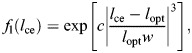 Figure 1
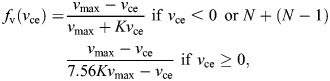 Figure 2
 Figure 3
 Figure 4
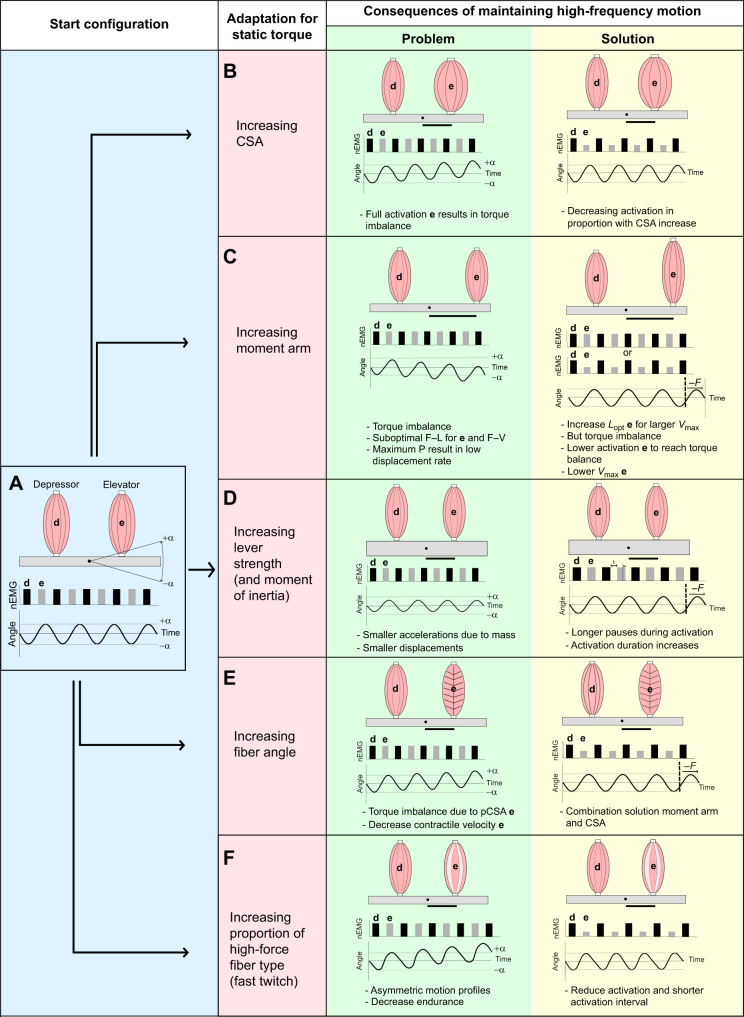 Figure 5
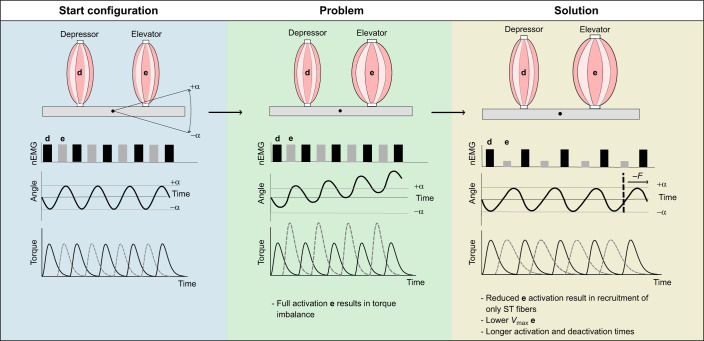 Figure 6
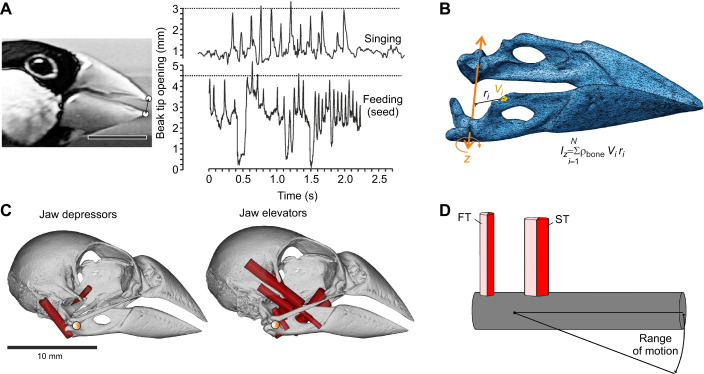 Figure 7
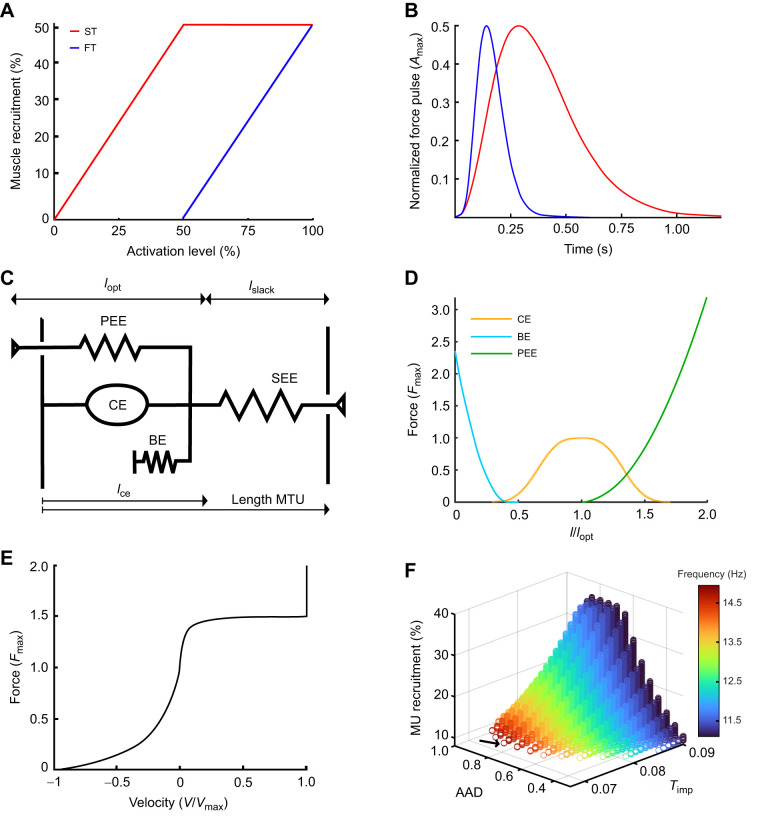 Figure 8
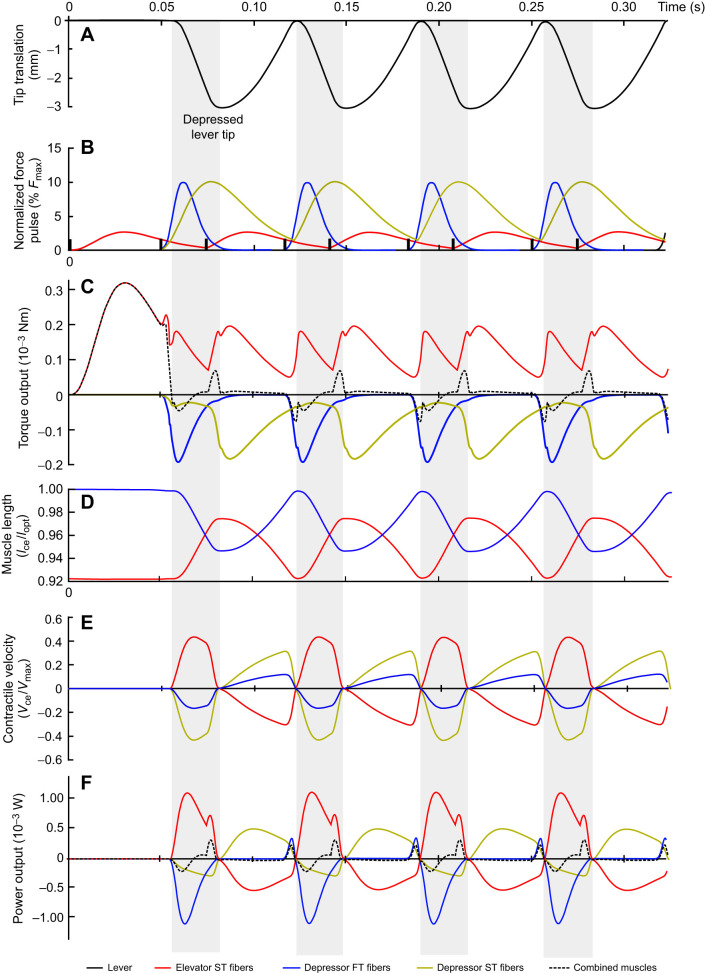 Figure 9
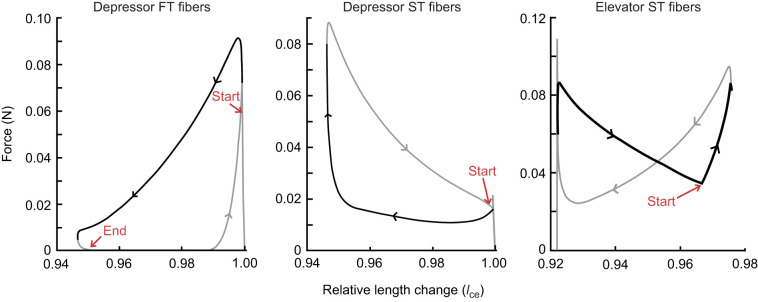 Figure 10
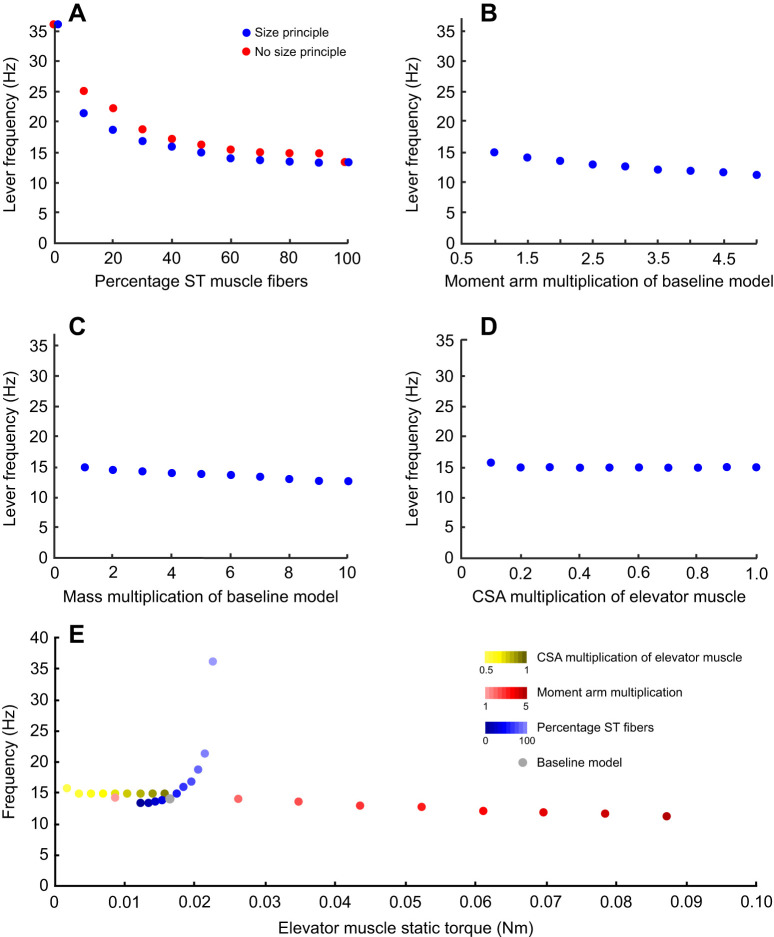 Figure 11
Peer Reviews
No public reviews on file for this paper yet. If you reviewed it on a platform where reviews are public (OpenReview, ICLR, NeurIPS, ICML), you can paste yours below so the community can read it here.
Videos
No videos yet. Explain this paper in a talk, walkthrough, or lecture? Add one.
Taxonomy
TopicsMuscle activation and electromyography studies · Motor Control and Adaptation · Robotic Locomotion and Control