Development of a high-resolution multiplex qPCR method to profile microbial consortia in spaceflight water recovery systems
Amber Dowell Busboom, Jiseon Yang, Taylor M. Ranson, Cheryl A. Nickerson, Evan G. Ortiz, Robert J.C. McLean

TL;DR
Scientists developed a fast and accurate method to detect and measure bacteria in water systems on the International Space Station, which could help prevent biofouling and improve water safety during space missions.
Contribution
The novel contribution is a validated multiplex qPCR method for rapid, culture-independent monitoring of five key bacterial species in spaceflight water systems.
Findings
The qPCR method can detect bacterial species with a limit of 10⁴–10⁶ CFU.
The method successfully identified and quantified five bacterial species from the ISS water system.
The method detected ampicillin's specific targeting of Cupriavidus metallidurans without affecting overall population levels.
Abstract
A key component of life support on the International Space Station (ISS) is the Water Recovery System (WRS), which recycles and disinfects urine, other wastewater, and humidity condensate for use as potable water. A resident mixed-species bacterial population has persisted in the WRS, upstream from the disinfection components, despite various microbial control methods. Five bacterial species (Pseudomonas aeruginosa, Burkholderia contaminans, Methylobacterium fujisawaense, Ralstonia insidiosa, and Cupriavidus metallidurans) have been regularly isolated from the WRS and have a propensity to form biofilms, which can reduce susceptibility to antimicrobial treatments. WRS organisms have been associated with biofouling and potential corrosion of valves and filtration components. Currently, microbial monitoring on the ISS requires samples to be collected and sent back to Earth for…
Genes, proteins, chemicals, diseases, species, mutations and cell lines named across the full text — each resolved to its canonical identifier and authoritative record.
Click any figure to enlarge with its caption.
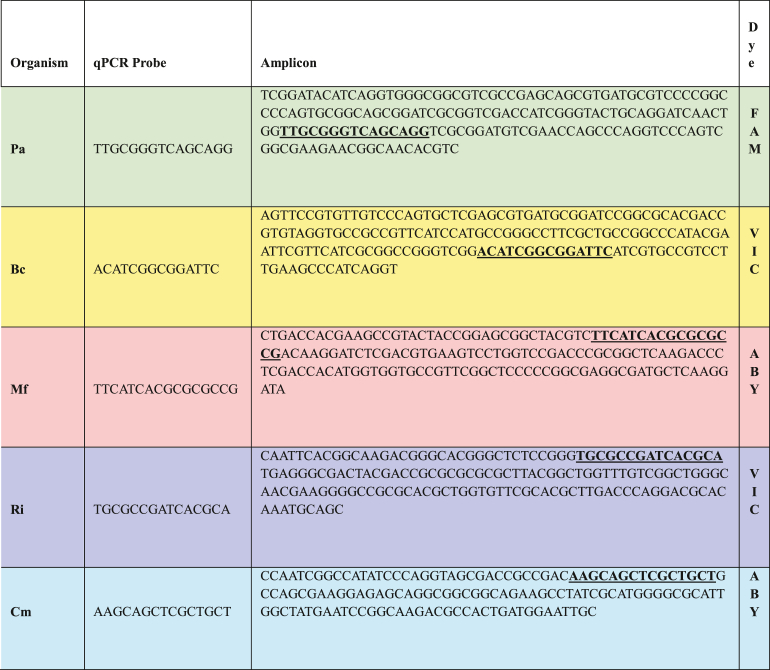 Figure 1
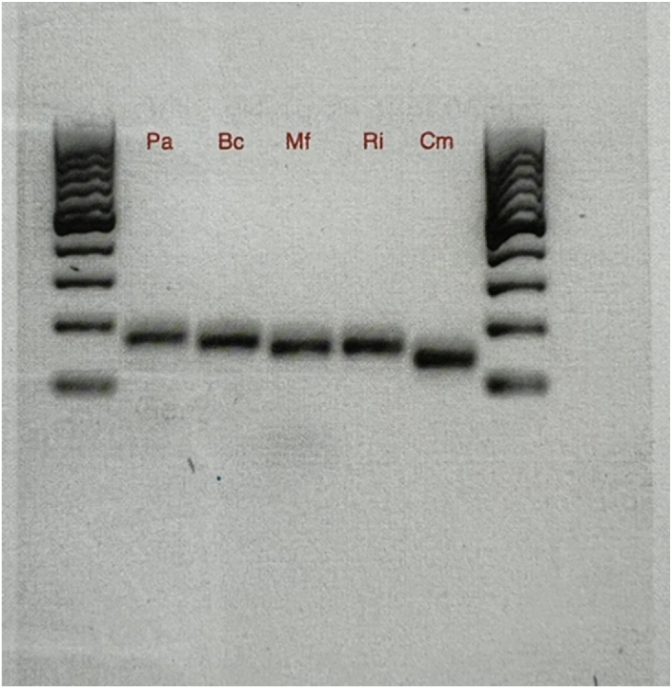 Figure 2
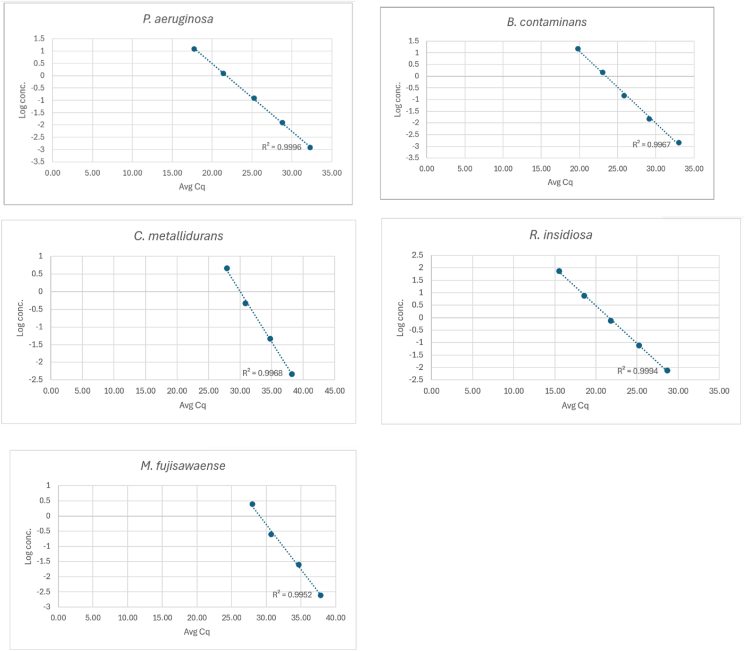 Figure 3
Peer Reviews
No public reviews on file for this paper yet. If you reviewed it on a platform where reviews are public (OpenReview, ICLR, NeurIPS, ICML), you can paste yours below so the community can read it here.
Videos
No videos yet. Explain this paper in a talk, walkthrough, or lecture? Add one.
Taxonomy
TopicsWastewater Treatment and Nitrogen Removal · Microbial Community Ecology and Physiology · Listeria monocytogenes in Food Safety