Ethanol Alters DNMT1/3a/3b Expression Profile, Promotes Persistent DNA Hypomethylation in Human Brain Endothelial Cells and Impairs Late Cortical Angiogenesis
Michele Siqueira, Matheus Barros, Paula Lacerda Almeida, Luiza dos Santos Heringer, Henrique Rocha Mendonça, Flávia Carvalho Alcantara Gomes, Joice Stipursky

TL;DR
Ethanol exposure during pregnancy disrupts blood-brain barrier development by altering DNA methylation in brain endothelial cells, leading to long-term vascular issues.
Contribution
This study reveals that ethanol-induced DNA methylation changes in endothelial cells persist and impair cortical angiogenesis, suggesting an epigenetic mechanism for fetal alcohol spectrum disorders.
Findings
Ethanol reduces DNA methylation and alters DNMT1/3a/3b expression in human brain endothelial cells.
Ethanol-induced hypomethylation persists even after ethanol withdrawal and affects BBB-related gene promoters.
SAM treatment prevents ethanol-induced DNA methylation changes in vitro, while PAE increases vascular permeability and disrupts Claudin-5 localization in mice.
Abstract
Exposure of the embryonic central nervous system (CNS) to drugs of abuse, such as ethanol, induces severe and persistent damage to neural cells, contributing to the development of fetal alcohol spectrum disorders (FASD). Previously, using a mouse model of FASD, we showed that prenatal alcohol exposure (PAE) directly impairs blood–brain barrier (BBB) development by inducing excessive angiogenesis, altering TJ protein and glucose transporter expression, and modifying the endothelial secretome in the neonatal cerebral cortex. Here, we investigated whether ethanol‐induced effects on endothelial cells involve epigenetic reprogramming, specifically through alterations in DNA methylation profiles. Using human brain microcapillary endothelial cells (HBMECs) treated with ethanol, we observed reduced 5‐methylcytosine (5mC) labeling intensity and DNA methyltransferase (DNMT) activity, accompanied…
Genes, proteins, chemicals, diseases, species, mutations and cell lines named across the full text — each resolved to its canonical identifier and authoritative record.
Click any figure to enlarge with its caption.
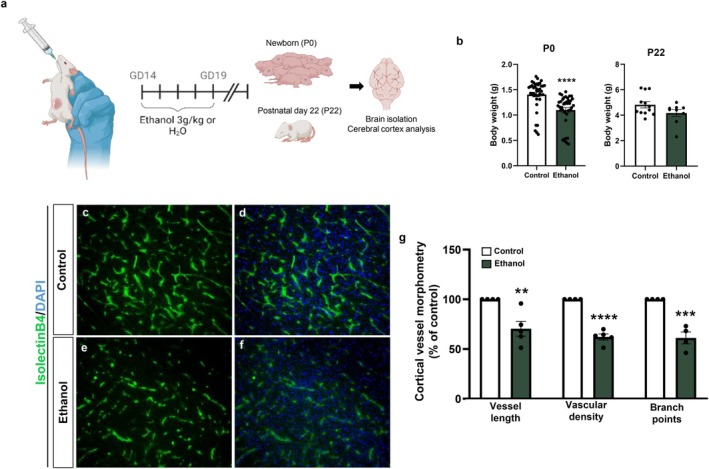 Figure 1
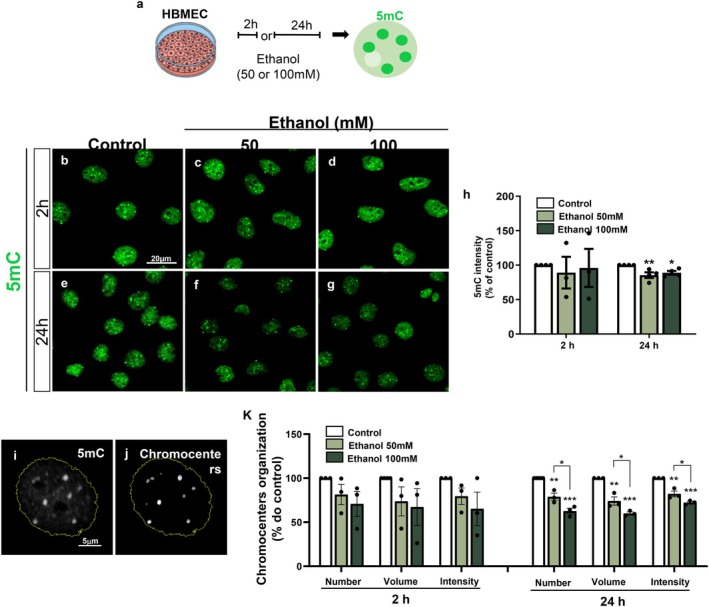 Figure 2
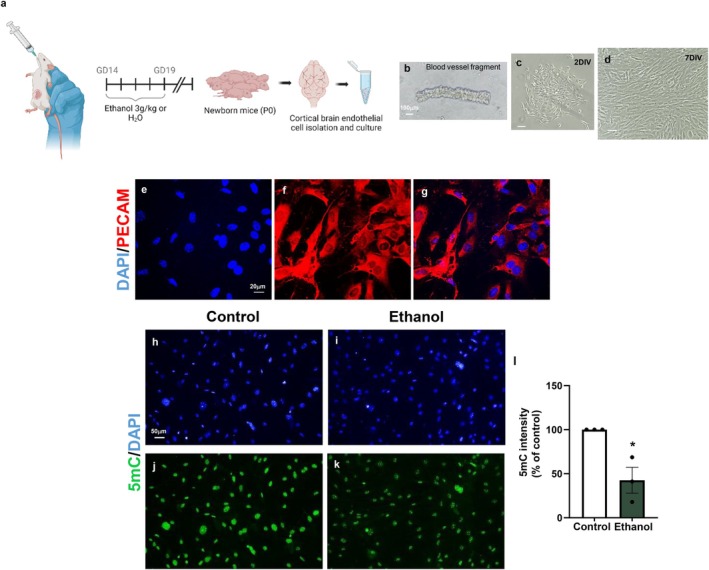 Figure 3
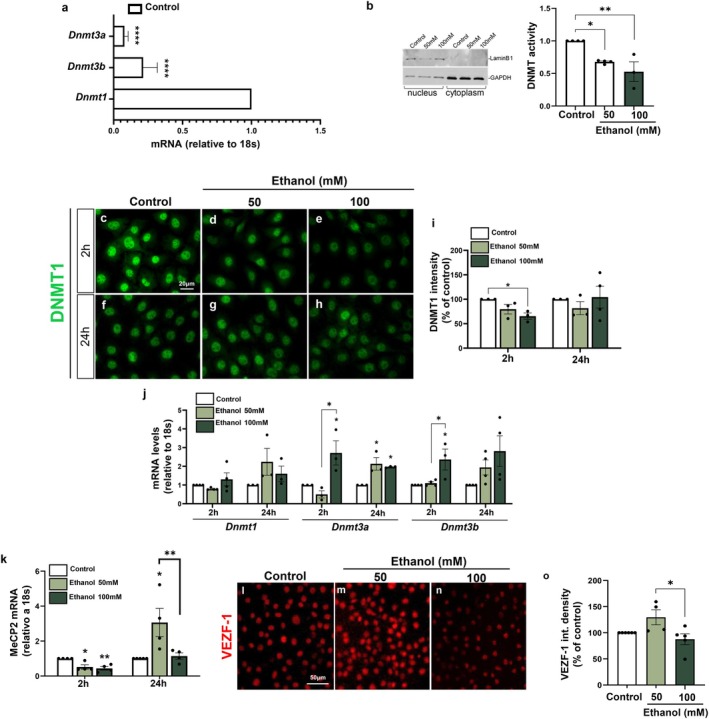 Figure 4
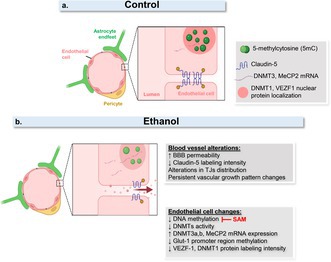 Figure 5
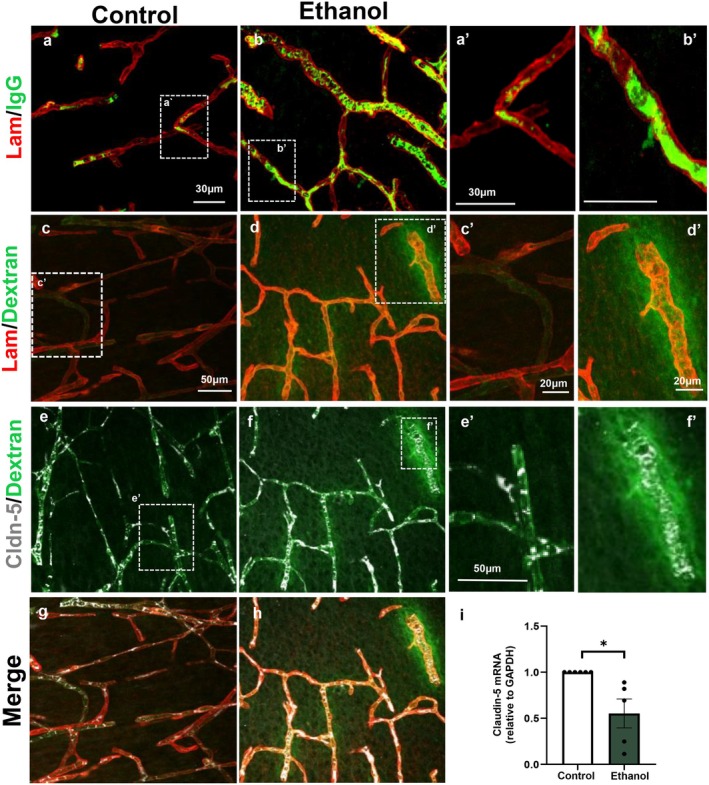 Figure 6
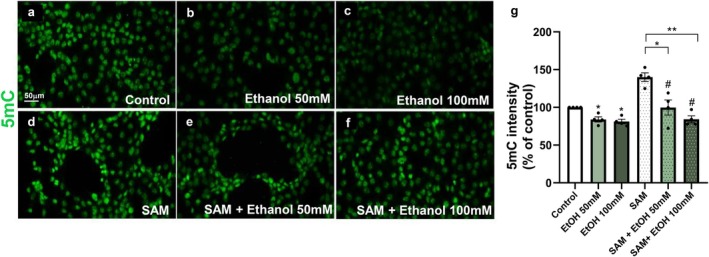 Figure 7
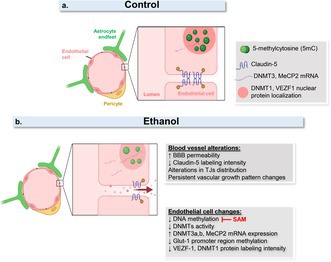 Figure 8
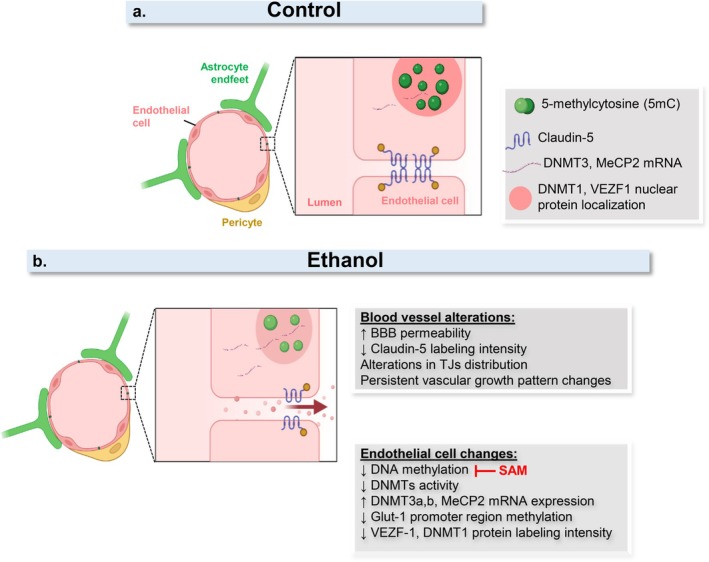 Figure 9
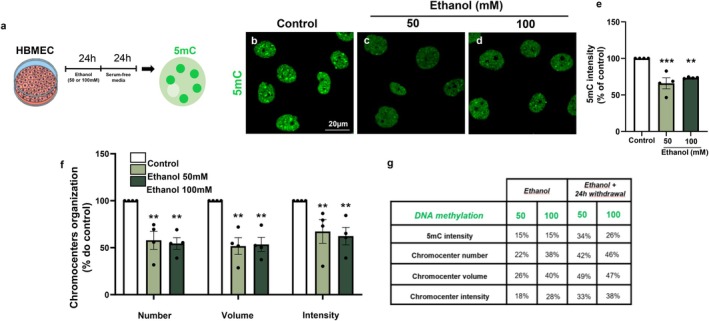 Figure 10
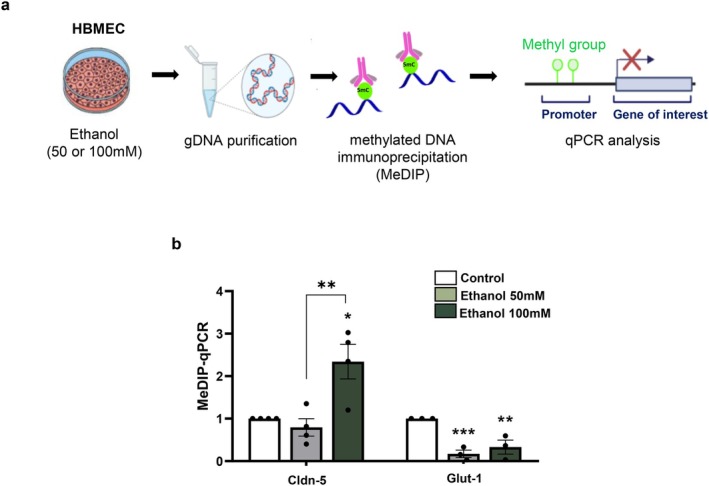 Figure 11
Peer Reviews
No public reviews on file for this paper yet. If you reviewed it on a platform where reviews are public (OpenReview, ICLR, NeurIPS, ICML), you can paste yours below so the community can read it here.
Videos
No videos yet. Explain this paper in a talk, walkthrough, or lecture? Add one.
Taxonomy
TopicsPrenatal Substance Exposure Effects · Neonatal and fetal brain pathology · Barrier Structure and Function Studies