Relationships Between Lateral Ventricle Size, Cerebrospinal Fluid Dynamics, and Aqueductal Resistance in Young Healthy Adults
Pan Liu, Jiachen Xie, Kimi Owashi, Yann Attekeble, Jean‐Marc Constans, Cyrille Capel, Olivier Balédent

TL;DR
This study examines how cerebrospinal fluid flow and ventricle size relate in healthy adults, introducing new metrics to better understand brain fluid dynamics.
Contribution
The study introduces two ratio-based metrics and quantifies aqueductal resistance in healthy young adults.
Findings
Aqueductal resistance showed a strong negative correlation with Ratio-SV but not with Ratio-Area.
Males had significantly lower Ratio-Area compared to females.
Ratio-based metrics reduce the influence of physiological variations in evaluating CSF dynamics and ventricular morphology.
Abstract
Ventricular enlargement and abnormal cerebrospinal fluid (CSF) circulation are closely associated in communicating hydrocephalus (NPH), yet their causal relationship remains unclear. Studying healthy populations may help clarify these mechanisms. Existing metrics for CSF dynamics and ventricular morphology are limited by physiological variability such as heart rate and brain size, and aqueductal resistance has been little studied in healthy cohorts. To quantify aqueductal resistance and two ratio‐based indices—the CSF stroke volume ratio of the aqueduct to the cervical region (Ratio‐SV) and the lateral ventricle to total brain area ratio (Ratio‐Area)—in a healthy population, and to examine their interrelationships. Prospective. 34 healthy young adults (17 female, 17 male; age, 25.2 ± 3.9 years old); 4 NPH patients (2 female, 2 male; age, 50–80 years old). 3 T MRI with transverse 3D…
Genes, proteins, chemicals, diseases, species, mutations and cell lines named across the full text — each resolved to its canonical identifier and authoritative record.
Click any figure to enlarge with its caption.
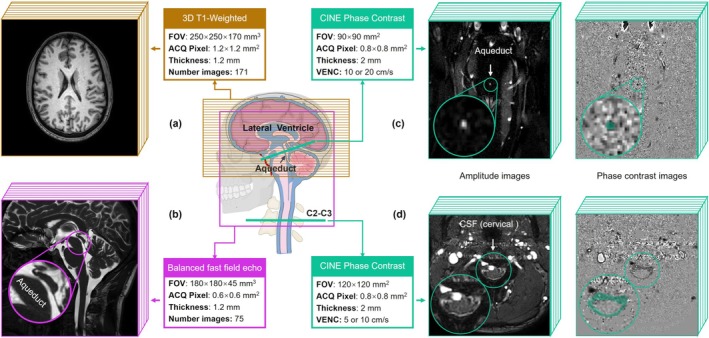 Figure 1
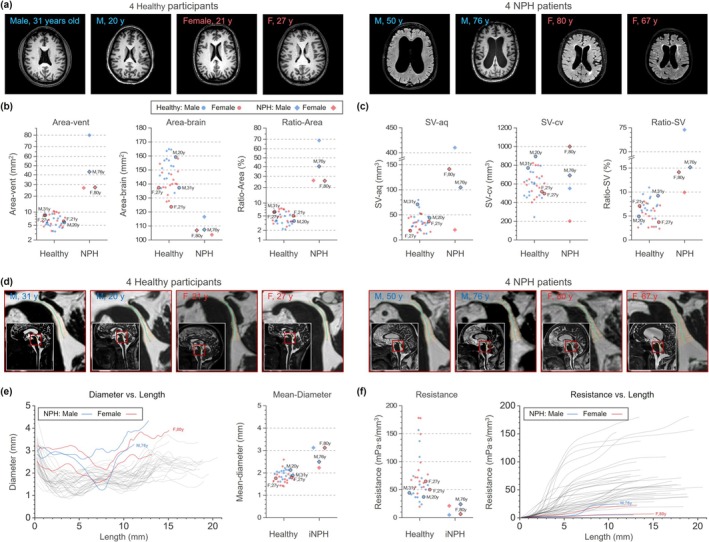 Figure 2
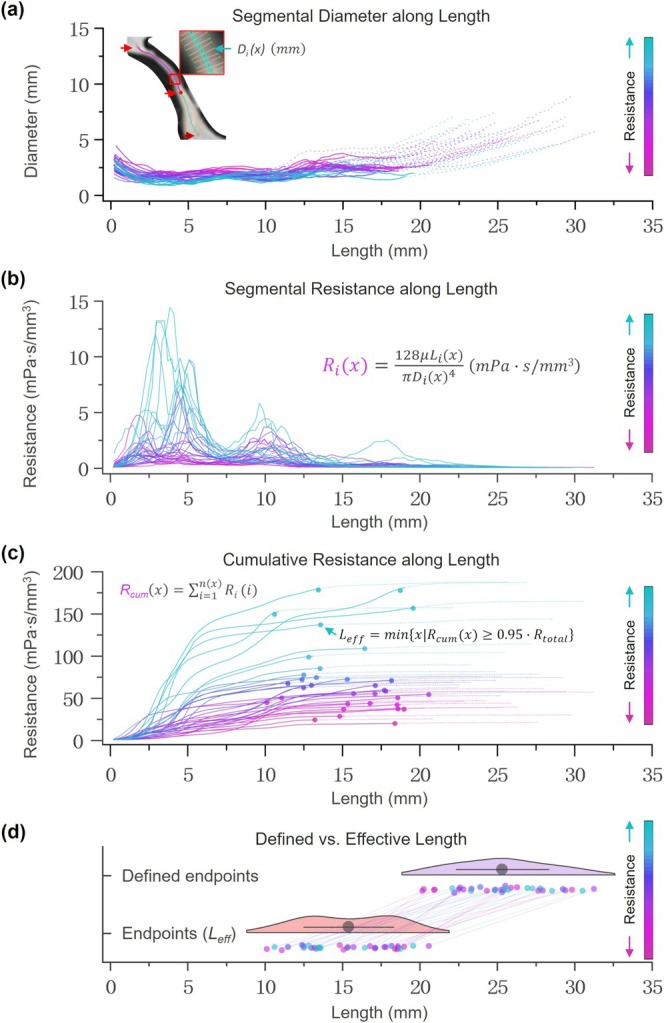 Figure 3
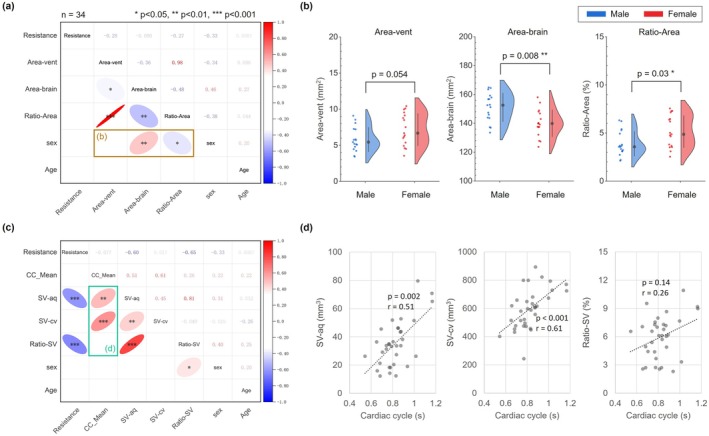 Figure 4
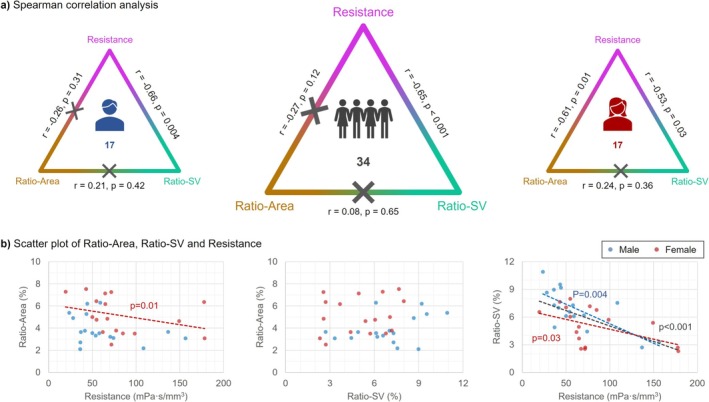 Figure 5
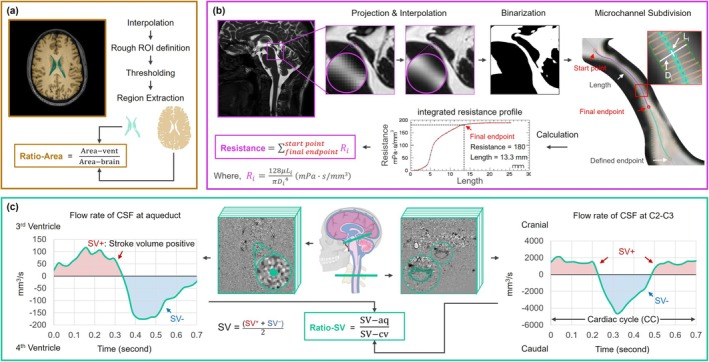 Figure 6
Peer Reviews
No public reviews on file for this paper yet. If you reviewed it on a platform where reviews are public (OpenReview, ICLR, NeurIPS, ICML), you can paste yours below so the community can read it here.
Videos
No videos yet. Explain this paper in a talk, walkthrough, or lecture? Add one.
Taxonomy
TopicsCerebrospinal fluid and hydrocephalus · Traumatic Brain Injury and Neurovascular Disturbances · Fetal and Pediatric Neurological Disorders