Multi-objective optimization identifies cultivation strategies for balancing yield, quality, and resource efficiency in hydroponic netted melon
Mi Young Lim, Seungri Yoon, Se Jin Kim, Joo Hee Nam, Gyeong Lee Choi, Mi Young Roh, Hee Sung Hwang

TL;DR
This study finds optimal hydroponic cultivation strategies for netted melon by balancing yield, quality, and resource efficiency using multi-objective optimization.
Contribution
The paper introduces a quantitative decision-support framework using Pareto frontier analysis to identify cultivation strategies tailored to specific market segments.
Findings
Three optimal strategies were identified for profit, quality, and resource efficiency in melon cultivation.
A 10 L substrate volume improved economic performance and water productivity compared to 20 L.
Higher planting density increased yield but reduced fruit quality.
Abstract
Managing the trade-offs between yield maximization and fruit quality is a critical challenge in hydroponic melon production. To identify optimal cultivation strategies, we evaluated three netted melon cultivars (‘Dalgona’, ‘Hero’, and ‘Kingstar’) under restricted (10 L) versus standard (20 L) substrate volumes and two planting densities (3 vs. 4 plants/slab). We utilized Pareto frontier analysis to visualize the balance among fruit quality, resource use efficiency, and economic performance. The analysis revealed three distinct optimal strategies targeting specific market segments: profit-maximization (‘Hero’, 10 L, 4 plants/slab, 268% return on investment [ROI]), premium-quality focus (‘Dalgona’, 10 L, 3 plants/slab, 100% premium-grade), and resource-efficiency (‘Kingstar’, 10 L, 3 plants/slab, water productivity of 5.7 kg m⁻³). While increasing planting density enhanced total yield by…
Genes, proteins, chemicals, diseases, species, mutations and cell lines named across the full text — each resolved to its canonical identifier and authoritative record.
Click any figure to enlarge with its caption.
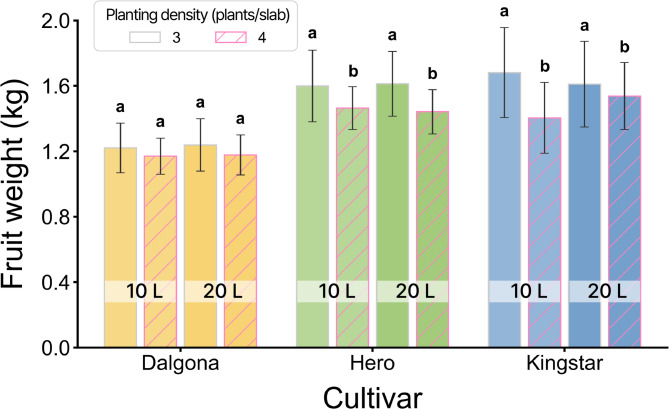 Figure 1
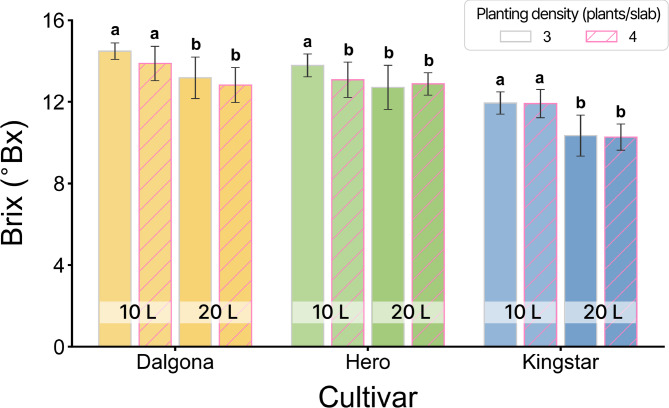 Figure 2
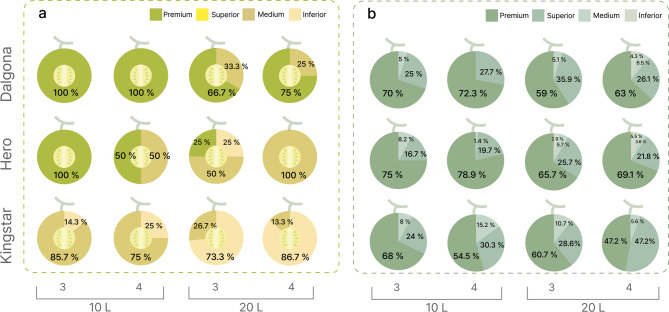 Figure 3
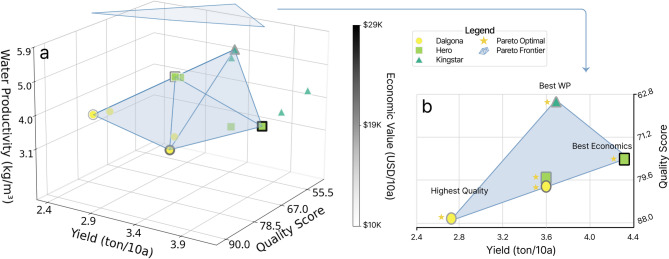 Figure 4
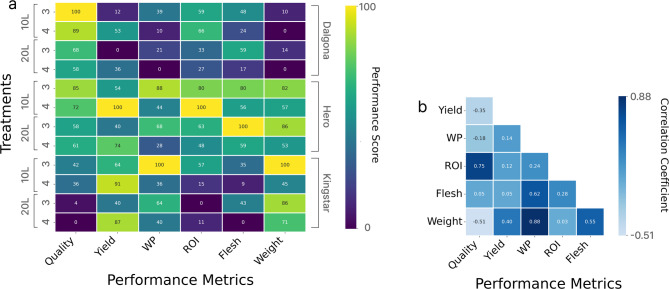 Figure 5
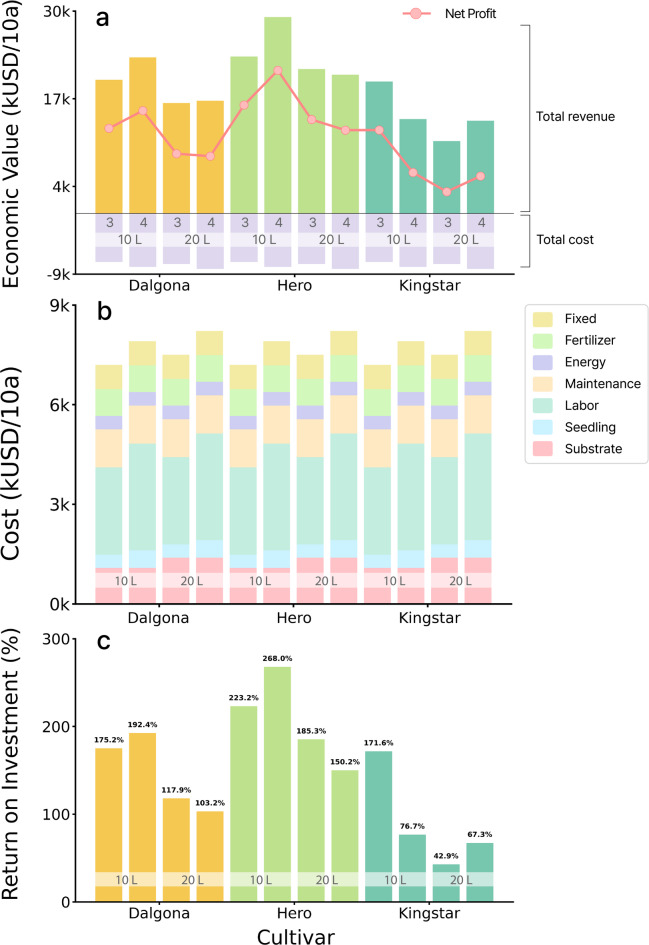 Figure 6
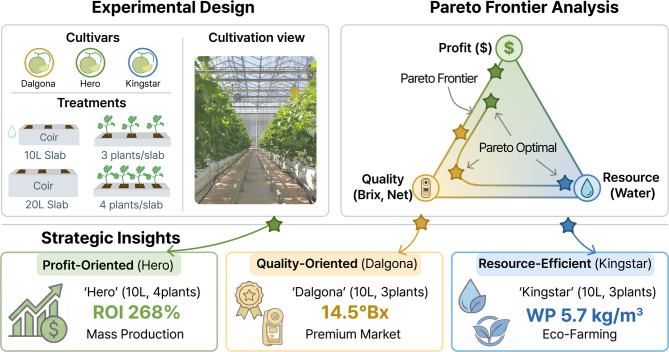 Figure 7
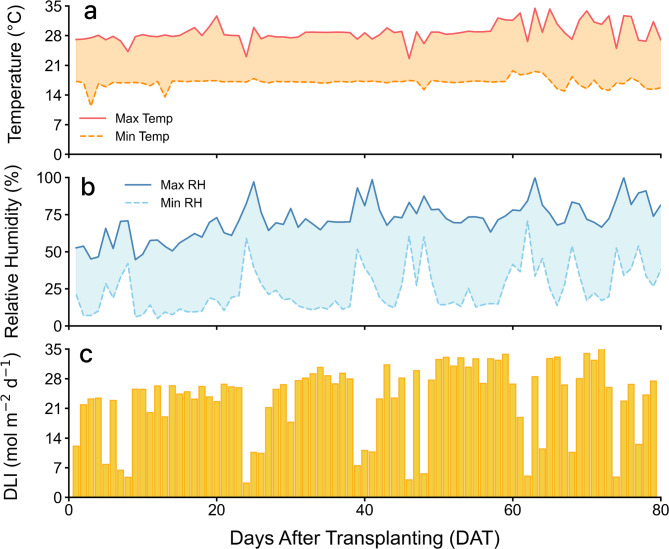 Figure 8
Peer Reviews
No public reviews on file for this paper yet. If you reviewed it on a platform where reviews are public (OpenReview, ICLR, NeurIPS, ICML), you can paste yours below so the community can read it here.
Videos
No videos yet. Explain this paper in a talk, walkthrough, or lecture? Add one.
Taxonomy
TopicsAdvances in Cucurbitaceae Research · Berry genetics and cultivation research · Innovations in Aquaponics and Hydroponics Systems