Measuring electrooculograms of a simulated underwater diver by utilizing conductivity of seawater
Tsunemasa Saiki, Nozomu Araki, Shintaro Nakatani, Hiroshi Sobajima, Ryuhei Okuno, Masakazu Arima

TL;DR
Researchers tested a new method to measure eye movements underwater using seawater conductivity for diver monitoring.
Contribution
A non-invasive method to measure electrooculograms underwater using seawater conductivity is experimentally validated.
Findings
Blinking and gaze-point movements can be detected via bioelectric potentials in seawater.
A simple electric circuit model confirmed the theoretical feasibility of the method.
The method successfully obtained electrooculograms (EOGs) underwater.
Abstract
Aiming to develop an advanced monitoring system for divers acting underwater, which is an uncommon environment, we experimentally investigated whether blinking and gaze-point movement can be detected by using our previously proposed simple method of non-invasive bioelectric measurement utilizing the conductivity of seawater for electrocardiography and electromyography. In this experiment, bioelectrodes (target electrodes) were placed on the skin near one eye in the airspace inside a diving mask, and another electrode (common electrode) was placed outside the diving mask in contact with seawater. The bioelectric potentials induced between the target and common electrodes were measured when the participants in the experiment blinked and moved their gaze point within the diving mask in seawater. The results of the measurements revealed that changes in the bioelectric potentials can be…
Genes, proteins, chemicals, diseases, species, mutations and cell lines named across the full text — each resolved to its canonical identifier and authoritative record.
Click any figure to enlarge with its caption.
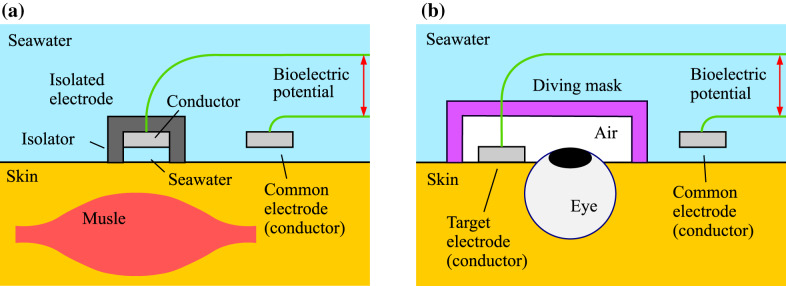 Figure 1
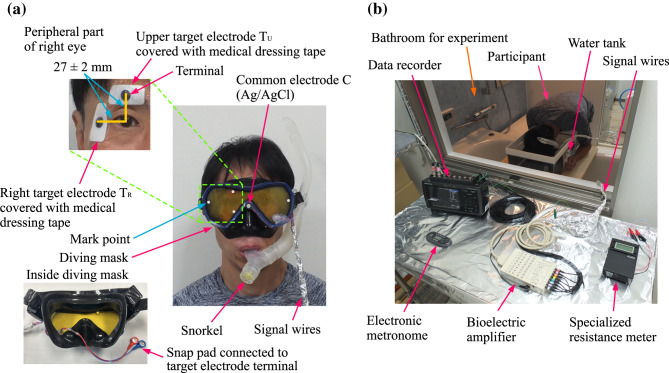 Figure 2
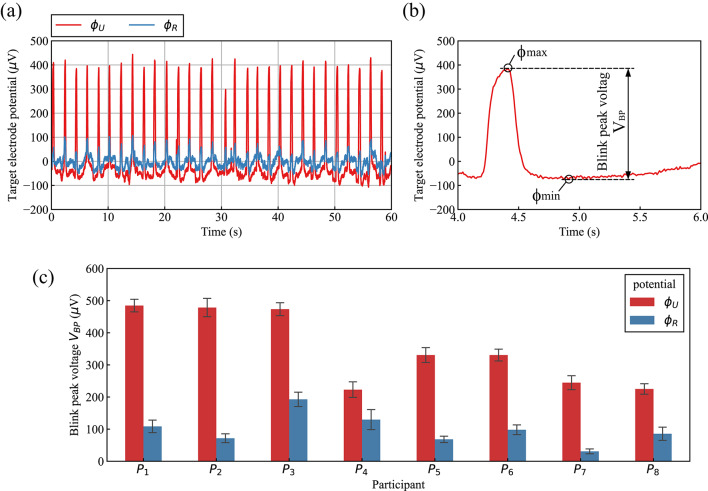 Figure 3
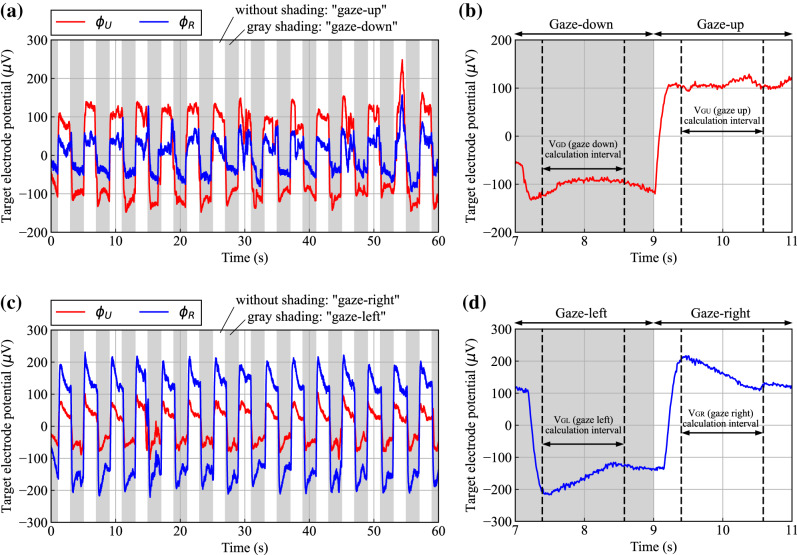 Figure 4
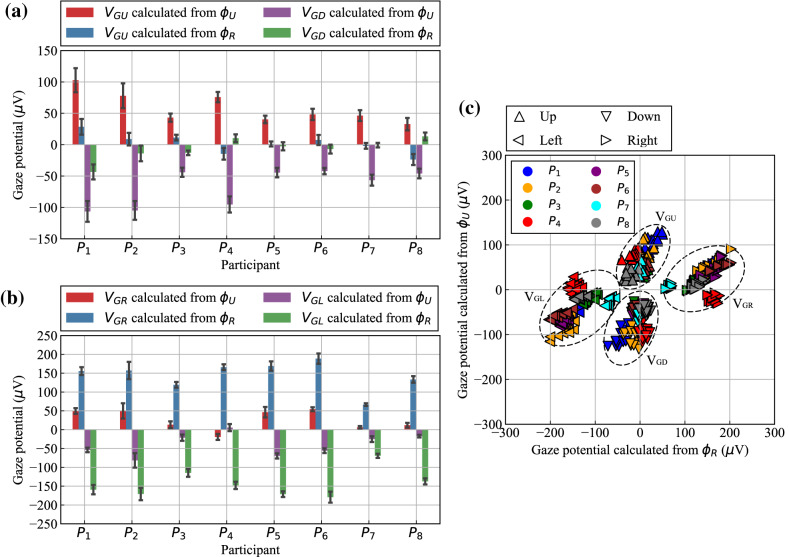 Figure 5
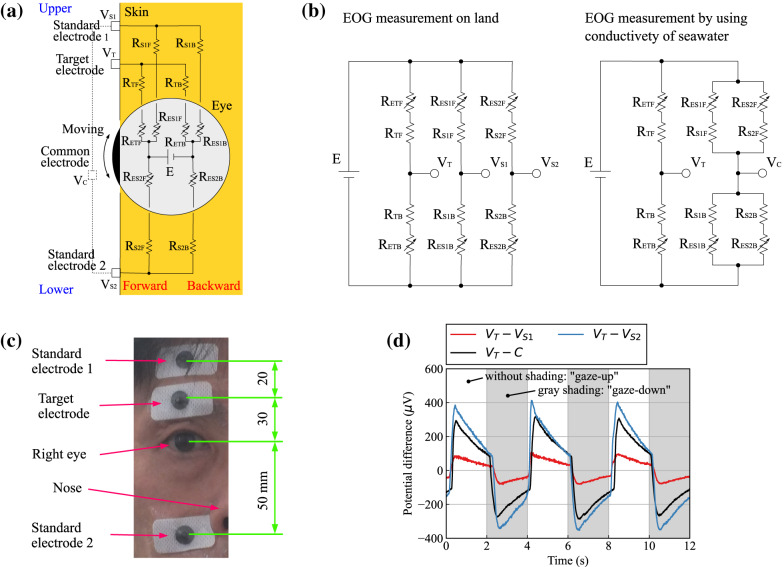 Figure 6
Peer Reviews
No public reviews on file for this paper yet. If you reviewed it on a platform where reviews are public (OpenReview, ICLR, NeurIPS, ICML), you can paste yours below so the community can read it here.
Videos
No videos yet. Explain this paper in a talk, walkthrough, or lecture? Add one.
Taxonomy
TopicsGaze Tracking and Assistive Technology · Tactile and Sensory Interactions · EEG and Brain-Computer Interfaces