Skeletal muscle transcriptional dysregulation of genes involved in senescence is associated with prognosis in severe heart failure
Eric Rullman, Alen Lovric, Michael Melin, Rodrigo Fernandez-Gonzalo, Thomas Gustafsson

TL;DR
This study finds that genes related to aging and cell damage in skeletal muscle are linked to worse outcomes in severe heart failure patients.
Contribution
The study identifies p53 signaling as a novel key process in skeletal muscle dysfunction in heart failure, distinguishing it from effects of physical inactivity.
Findings
Network communities related to mitochondrial beta-oxidation and extracellular matrix remodeling are downregulated in heart failure patients.
p53 signaling community, marked by CDKN1A, is upregulated and associated with worse prognosis in heart failure patients.
Altered gene networks suggest biological aging and inactivity contribute to skeletal muscle dysfunction in heart failure.
Abstract
The skeletal muscle hypothesis refers to a vicious cycle of successive deterioration of left ventricular function, skeletal muscle remodeling, and functional capacity in patients with heart failure. Despite extensive research, the regulatory mechanisms and their associations with clinical status and prognosis are still largely unclear. To identify mechanisms and characterize underlying processes involved in the disease pathophysiology, we performed RNA sequencing and network analysis using human skeletal muscle samples from 58 patients with severe symptomatic heart failure. A co-expression network with communities involved in established biological processes within human skeletal muscle was identified and validated in two independent cohorts. Here, we show network communities associated with mitochondrial beta-oxidation, extracellular matrix remodeling, oxidative phosphorylation, and…
Genes, proteins, chemicals, diseases, species, mutations and cell lines named across the full text — each resolved to its canonical identifier and authoritative record.
Click any figure to enlarge with its caption.
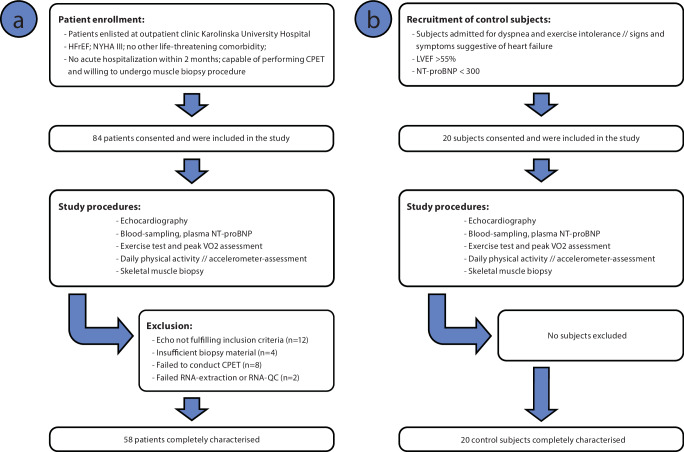 Figure 1
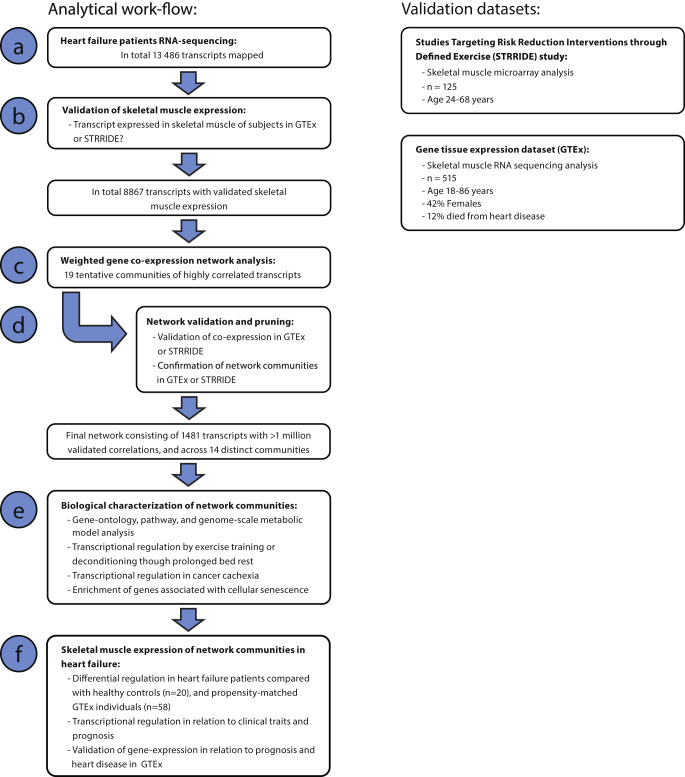 Figure 2
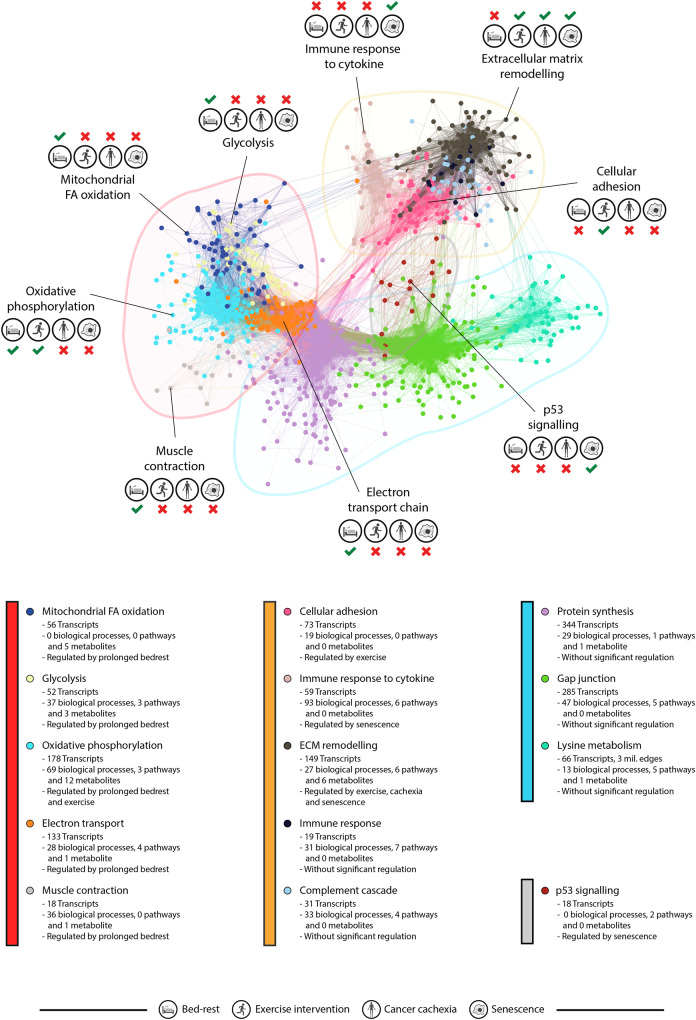 Figure 3
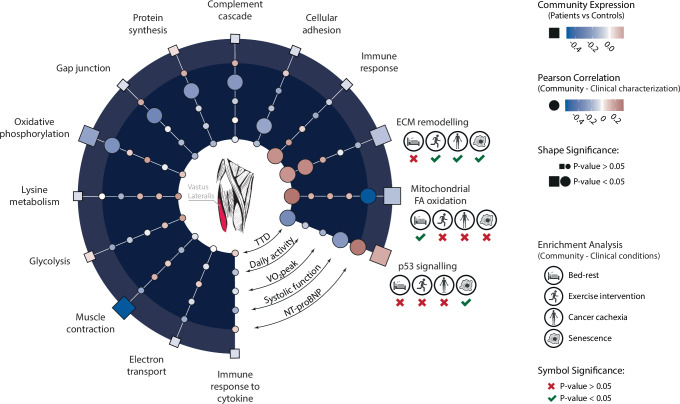 Figure 4
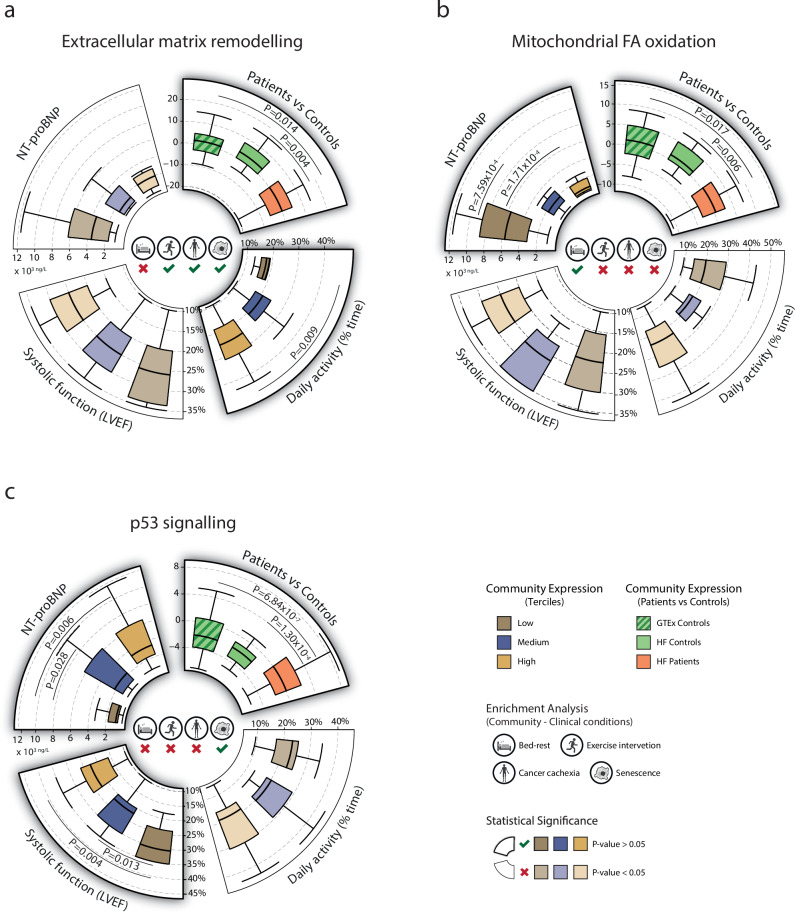 Figure 5
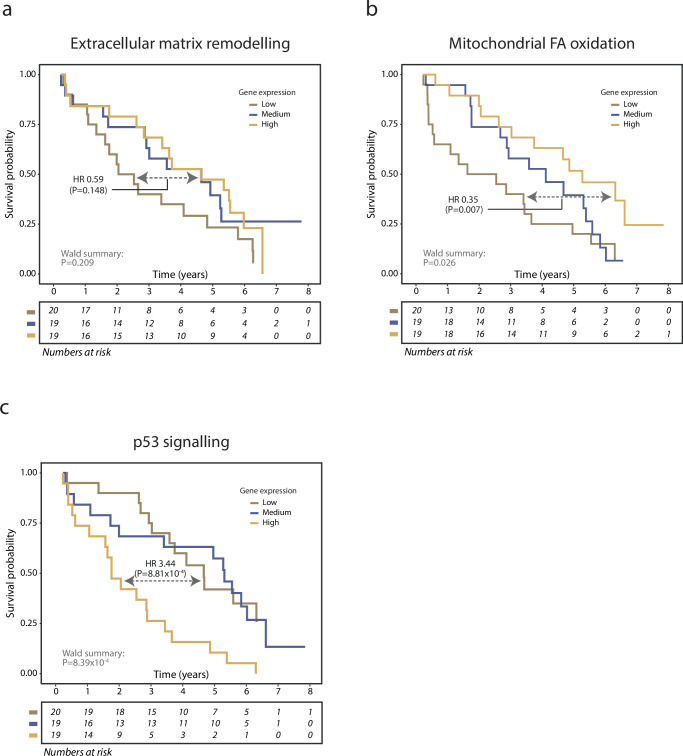 Figure 6
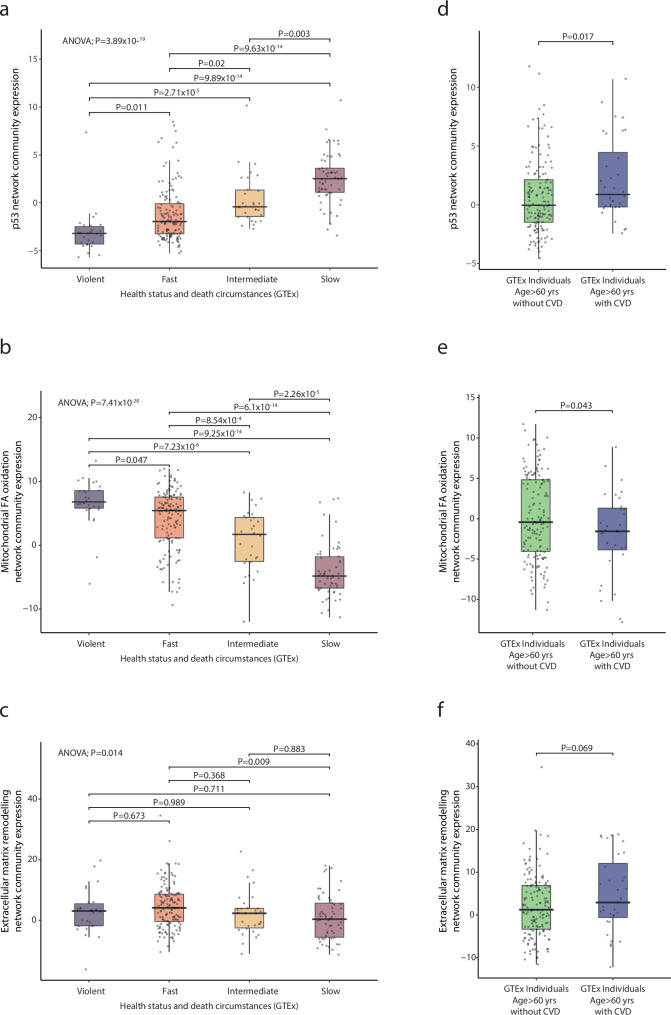 Figure 7
Peer Reviews
No public reviews on file for this paper yet. If you reviewed it on a platform where reviews are public (OpenReview, ICLR, NeurIPS, ICML), you can paste yours below so the community can read it here.
Videos
No videos yet. Explain this paper in a talk, walkthrough, or lecture? Add one.
Taxonomy
TopicsCardiovascular Function and Risk Factors · Muscle Physiology and Disorders · Cardiomyopathy and Myosin Studies