Molecular characteristics and prognostic insights into BRCA-associated breast cancer in Kazakhstan
Ainur Samigatova, Nursulu Altaeva, Yerlan Suleimenov, Petr Sibiryakov, Kuantkan Zhabagin, Zhanar Zhakypbekkyzy, Bakhytzhan Seksenbayev, Noso Yoshihiro, Oxana Tsigengagel

TL;DR
This study examines BRCA-related breast cancer in Kazakhstan, finding distinct genetic patterns and survival differences that suggest personalized treatment approaches are needed.
Contribution
The first comprehensive analysis of BRCA1/2 mutations in Kazakhstani breast cancer patients, revealing genotype-phenotype correlations specific to this population.
Findings
BRCA1 mutations were associated with triple-negative breast cancer and poorer survival outcomes.
BRCA2 mutations were linked to hormone receptor–positive tumors but still showed worse progression-free survival.
BRCA1/2 mutation carriers presented with more advanced-stage disease compared to BRCA-negative patients.
Abstract
Breast cancer remains the leading cause of cancer morbidity and mortality among women worldwide. Approximately 5–10% of cases involve pathogenic BRCA1/2 variants, typically associated with early-onset, aggressive disease. This study aimed to determine the frequency and spectrum of BRCA1/2 mutations among Kazakhstani breast cancer patients and to analyze their associations with clinicopathological features and survival outcomes. A total of 186 patients aged 21–90 years were examined between December 2023 and June 2024 using next-generation sequencing and retrospective chart review. The median age was 44 years for BRCA1, 48 for BRCA2, and 51 for BRCA-negative patients. Advanced disease (stages III-IV) was more common among mutation carriers (p < 0.001). Pathogenic BRCA1 and BRCA2 variants were found in 22% and 9% of cases, respectively; BRCA1 tumors were predominantly triple-negative…
Genes, proteins, chemicals, diseases, species, mutations and cell lines named across the full text — each resolved to its canonical identifier and authoritative record.
Click any figure to enlarge with its caption.
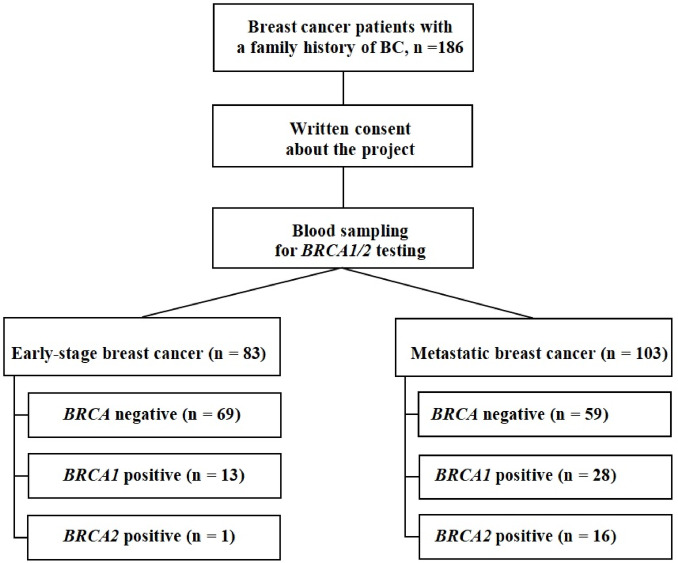 Figure 1
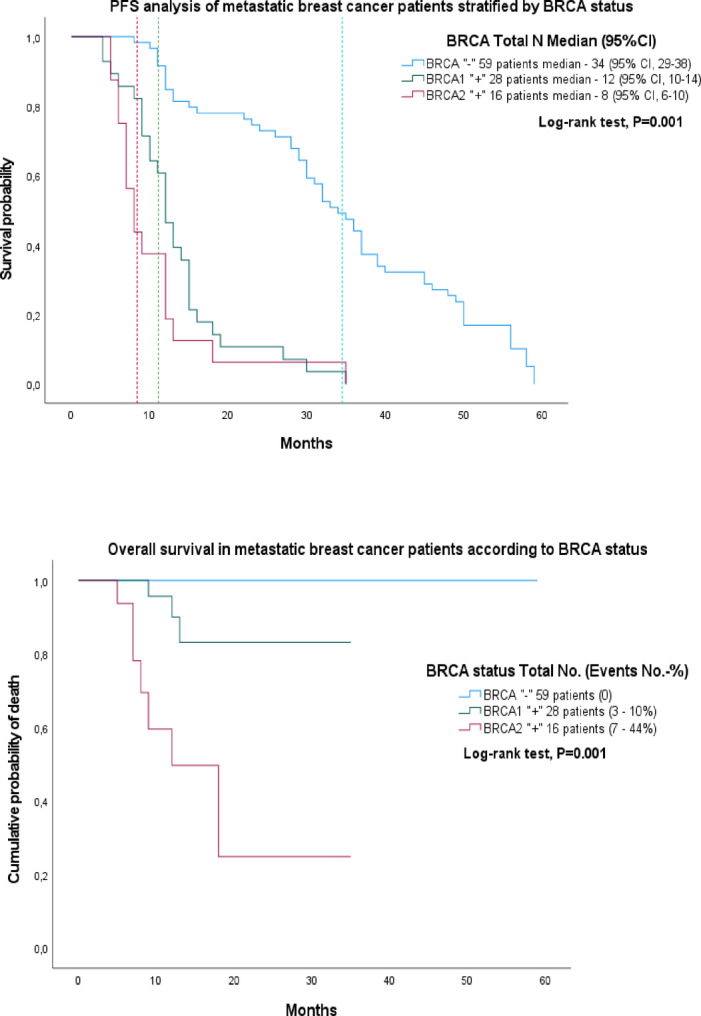 Figure 2
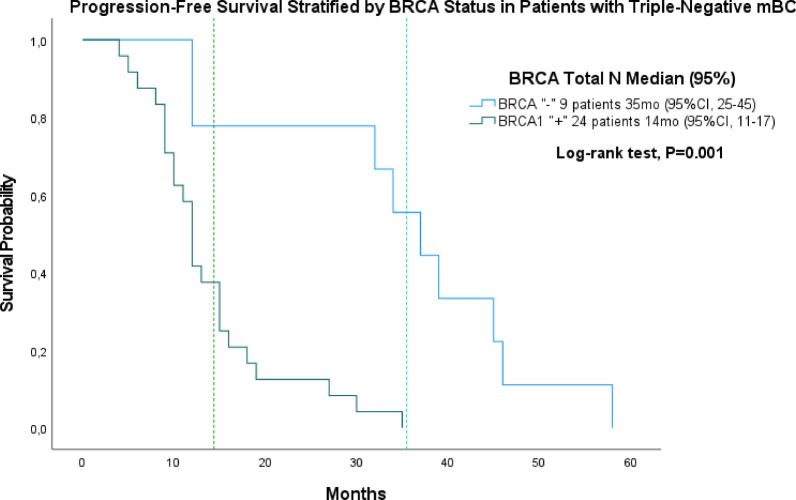 Figure 3
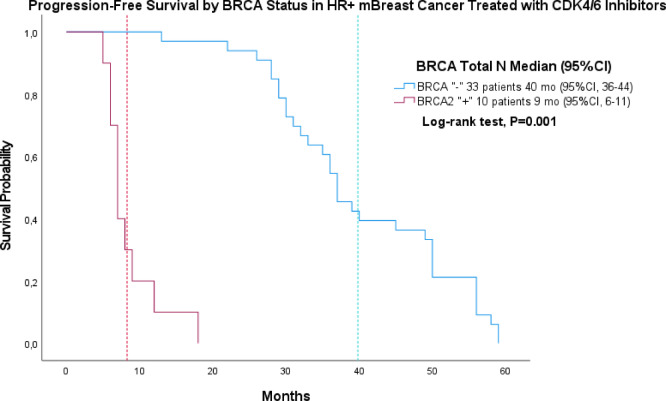 Figure 4
Peer Reviews
No public reviews on file for this paper yet. If you reviewed it on a platform where reviews are public (OpenReview, ICLR, NeurIPS, ICML), you can paste yours below so the community can read it here.
Videos
No videos yet. Explain this paper in a talk, walkthrough, or lecture? Add one.
Taxonomy
TopicsBRCA gene mutations in cancer · PARP inhibition in cancer therapy · Breast Cancer Treatment Studies