Per- and polyfluoroalkyl substances in waters associated with oil and gas development in the Denver Basin
Matthew S. Varonka, Aaron M. Jubb, Bonnie McDevitt, Jenna L. Shelton, Elliott P. Barnhart, Denise M. Akob, Isabelle M. Cozzarelli

TL;DR
This study examines PFAS levels in water from oil and gas operations in the Denver Basin, finding low concentrations but highlighting potential environmental risks from reuse.
Contribution
The study provides the first characterization of PFAS in produced water from the Denver Basin and identifies environmental redistribution risks.
Findings
Total PFAS concentrations in produced water were below 35 ng/L, dominated by short-chain compounds.
Most PFAS in hydraulic fracturing fluids originated from input water, not additives.
Oxidation revealed undetected PFAS precursors, suggesting incomplete analysis.
Abstract
Use of per- and polyfluoroalkyl substances (PFAS) in the petroleum industry could be a cause for concern due to the large volumes of produced water (PW) generated during oil and gas extraction, the reuse of these wastes in water-stressed regions, and adverse health outcomes related to PFAS exposures. However, PW PFAS characterization is nearly absent in the literature, and hydraulic fracturing (HF) chemical disclosures often omit the identities of additives as proprietary. Here we evaluate PFAS in PW samples from three petroleum wells in the Denver Basin during their first year of production. Total concentrations of targeted PFAS (Σ40PFAS) were < 35 ng/L in PW samples, with short-chain PFAS like perfluorobutanoic acid persisting throughout the sampled duration. Analysis of freshwater inputs for hydraulic fracturing (Σ40PFAS ~ 113 ng/L) and mixed fracture fluid (Σ40PFAS ~ 69 ng/L)…
Genes, proteins, chemicals, diseases, species, mutations and cell lines named across the full text — each resolved to its canonical identifier and authoritative record.
Click any figure to enlarge with its caption.
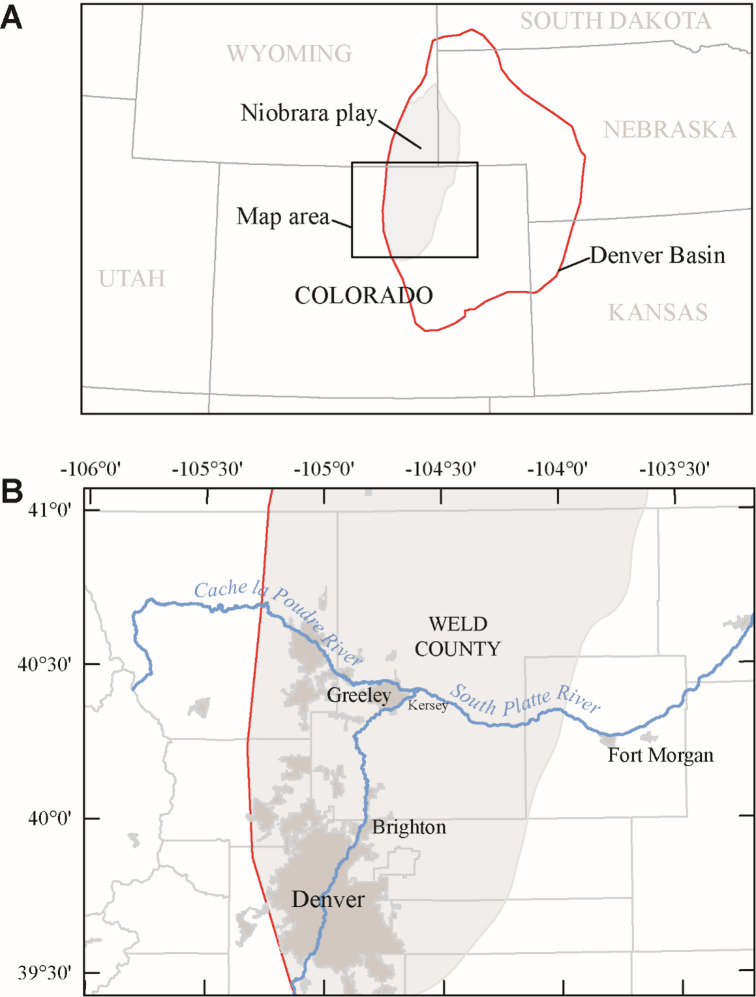 Figure 1
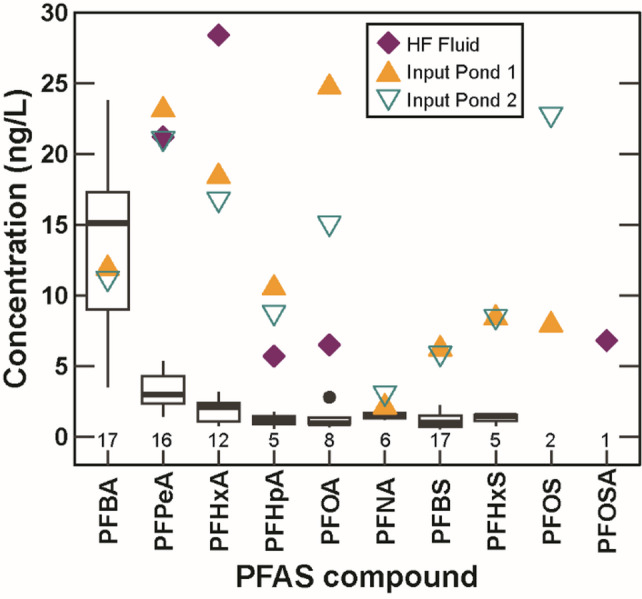 Figure 2
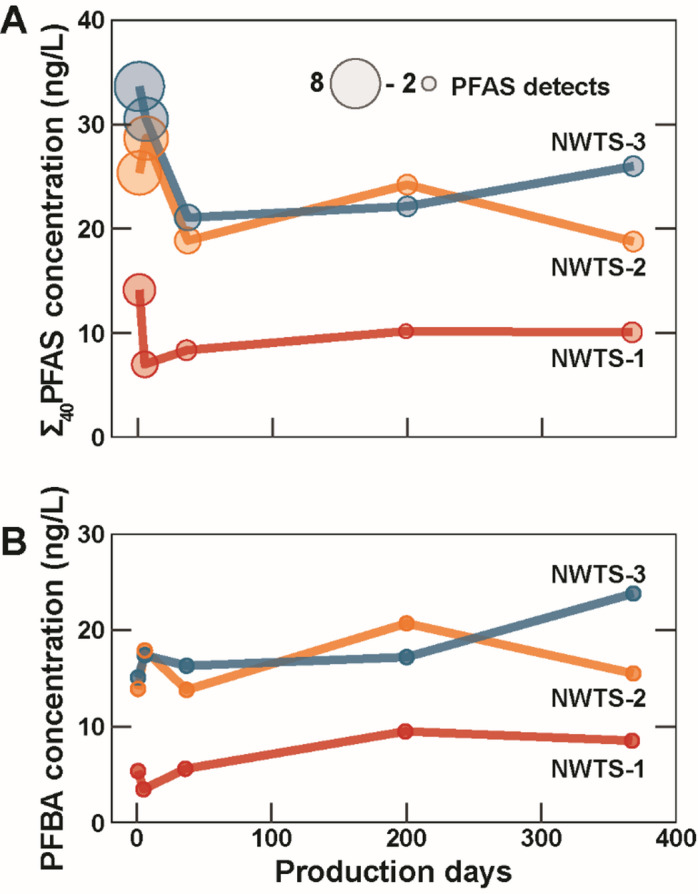 Figure 3
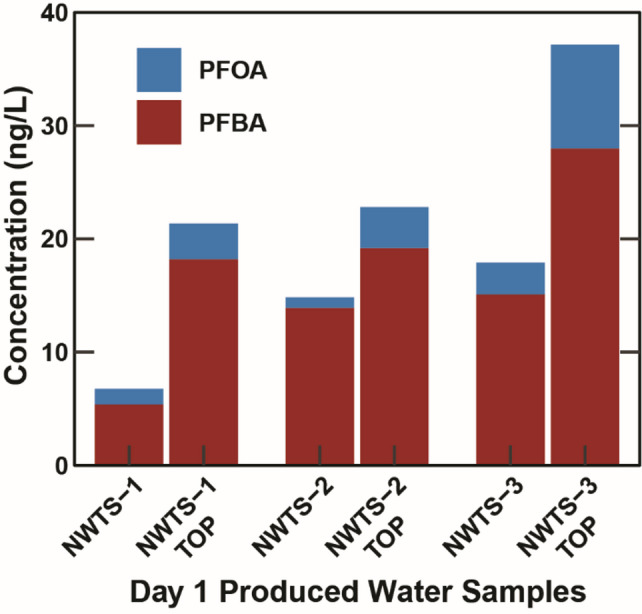 Figure 4
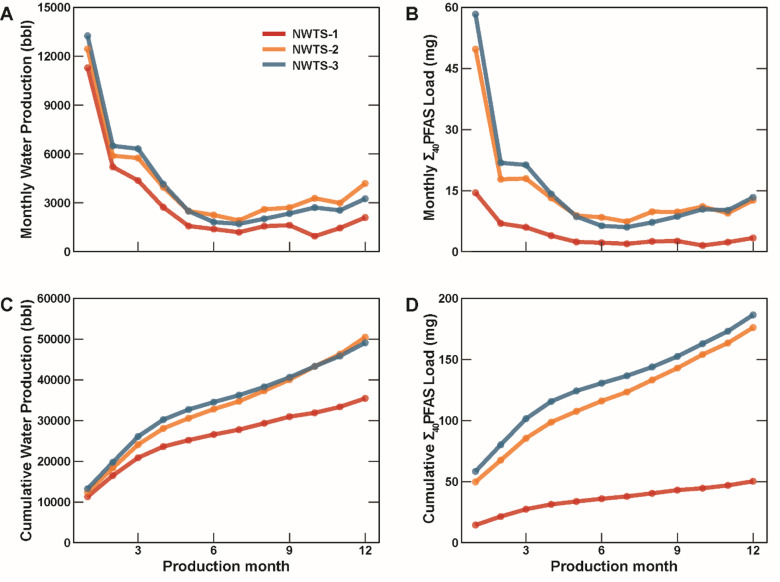 Figure 5
Peer Reviews
No public reviews on file for this paper yet. If you reviewed it on a platform where reviews are public (OpenReview, ICLR, NeurIPS, ICML), you can paste yours below so the community can read it here.
Videos
No videos yet. Explain this paper in a talk, walkthrough, or lecture? Add one.
Taxonomy
TopicsPer- and polyfluoroalkyl substances research · Toxic Organic Pollutants Impact · Fluorine in Organic Chemistry