PSMA4 as a Druggable Target in Hidradenitis Suppurativa: Evidence From Mendelian Randomization and Single‐Cell Transcriptomics
Siqing Guo, Li Gao, Yanting Sun, Lixin Yin, Peihong Li, Boyun Sun, Jingen Lu

TL;DR
This study identifies PSMA4 and MAST3 as potential drug targets for hidradenitis suppurativa, a chronic skin disease, using genetic and transcriptomic analyses.
Contribution
The study combines Mendelian randomization and single-cell RNA sequencing to identify PSMA4 as a novel druggable target in hidradenitis suppurativa.
Findings
PSMA4 is upregulated in hidradenitis suppurativa lesions and is enriched in CD4+ T cells.
PSMA4 is linked to pro-inflammatory signaling, particularly the TNF pathway.
MAST3 is downregulated in hidradenitis suppurativa lesions and is a potential therapeutic target.
Abstract
Hidradenitis suppurativa (HS) is a chronic inflammatory skin disease with limited treatment options and frequent drug resistance. Novel therapeutic targets are urgently needed. We performed a druggable genome‐wide Mendelian randomization (MR) analysis using blood cis‐expression quantitative trait locus (eQTL) and HS genome‐wide association study (GWAS) data. Colocalization, transcriptomic validation, single‐cell RNA sequencing, and cell–cell communication analyses were integrated to explore gene function and cell‐type specificity. We identified eight genes that showed significant associations with HS through MR analysis. Colocalization analysis further prioritized PSMA4 and MAST3 as the most promising druggable targets for HS. Specifically, PSMA4 (single nucleotide polymorphisms [SNPs] = 10; inverse‐variance weighted [IVW] OR = 1.912, 95% CI: 1.492–2.450, p < 0.001; PP.H4 = 0.975) and…
Genes, proteins, chemicals, diseases, species, mutations and cell lines named across the full text — each resolved to its canonical identifier and authoritative record.
Click any figure to enlarge with its caption.
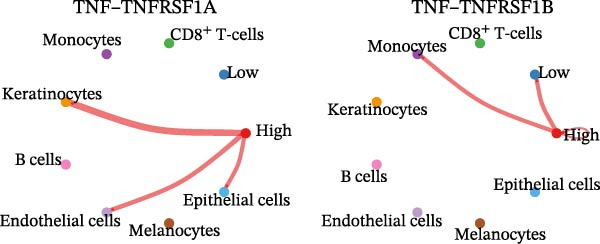 Figure 1
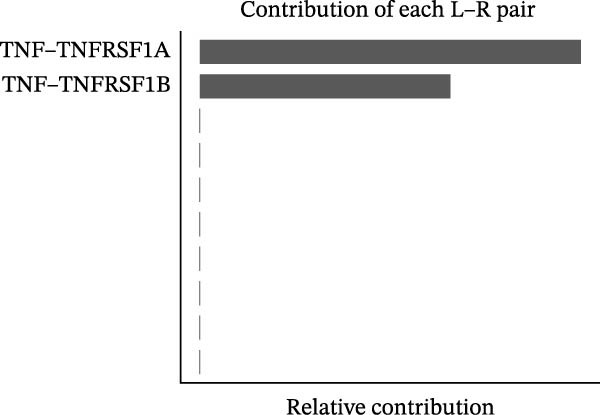 Figure 2
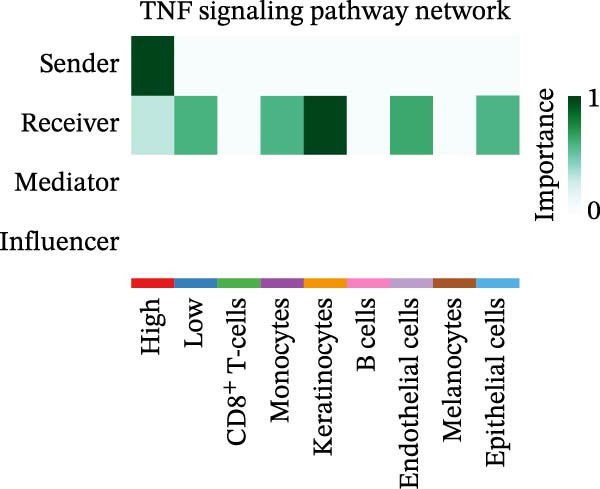 Figure 3
 Figure 4
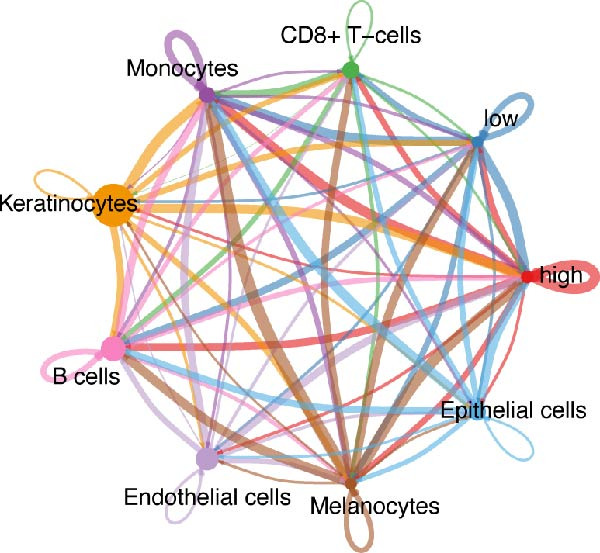 Figure 5
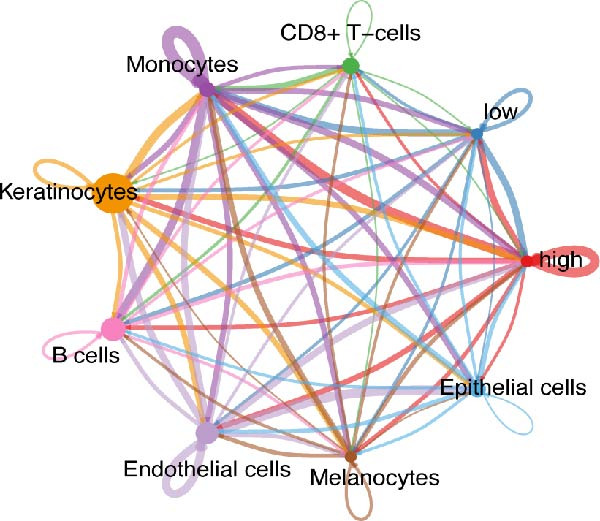 Figure 6
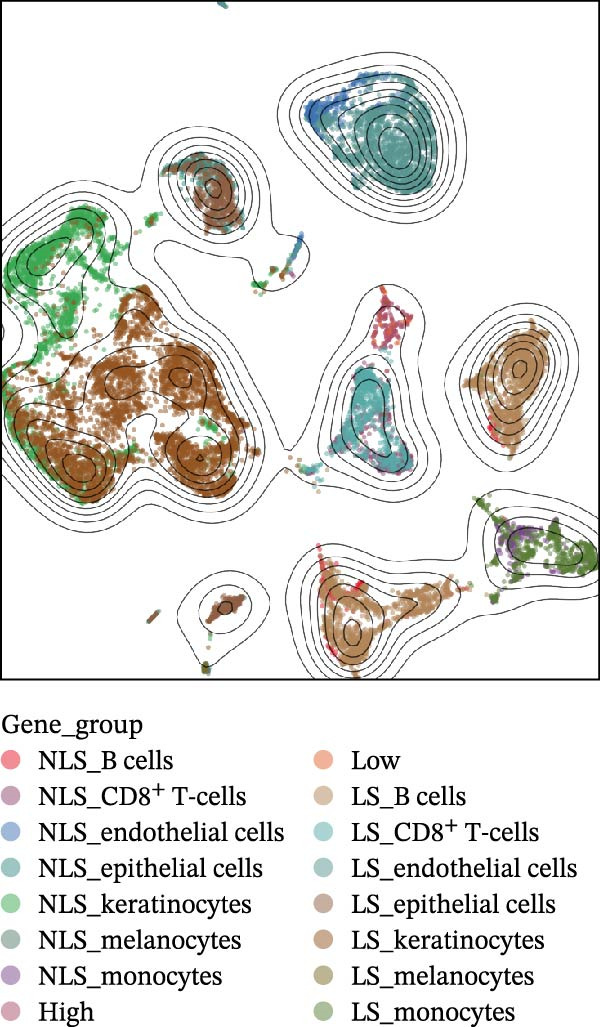 Figure 7
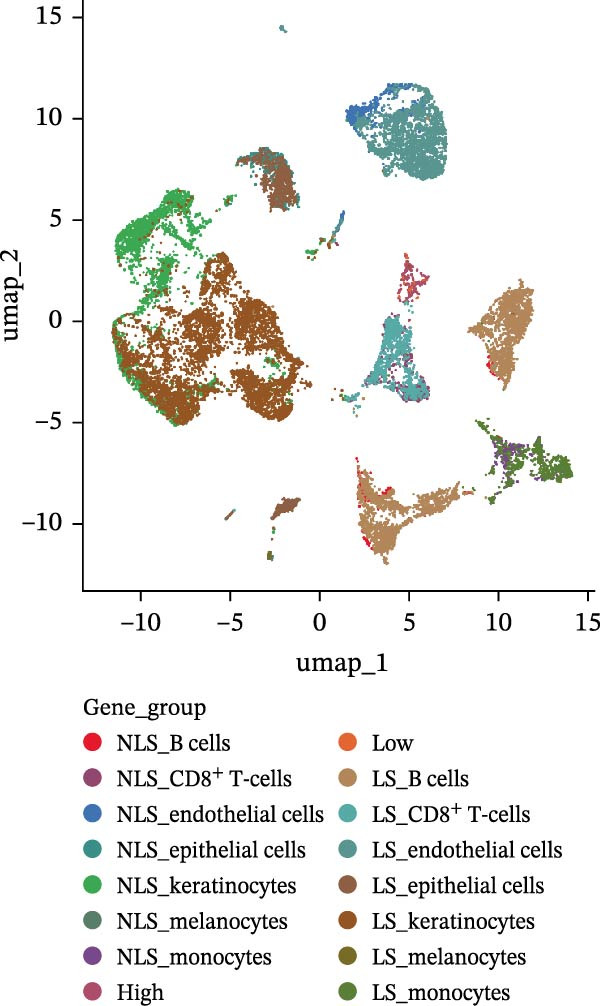 Figure 8
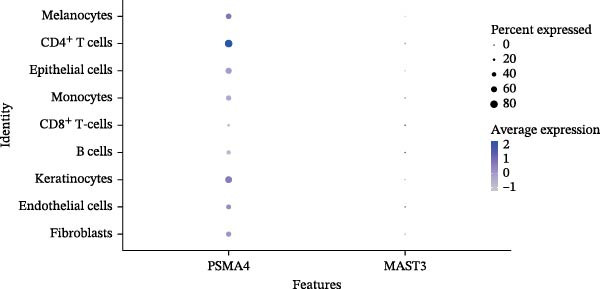 Figure 9
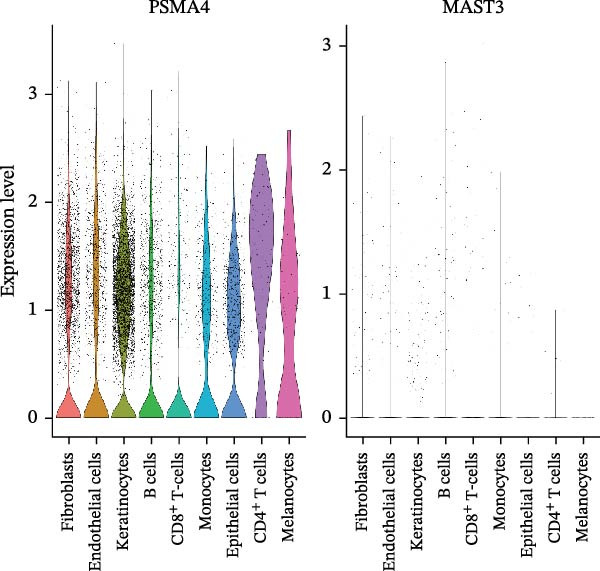 Figure 10
 Figure 11
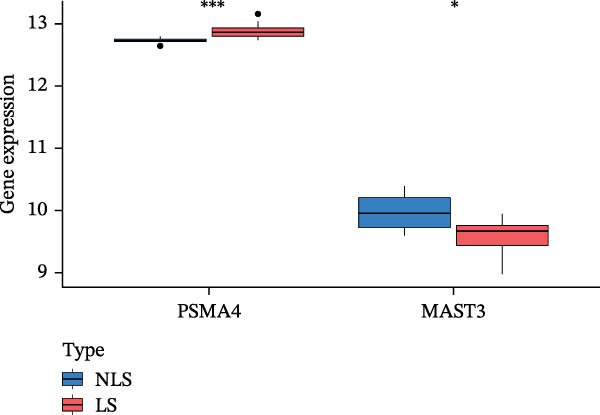 Figure 12
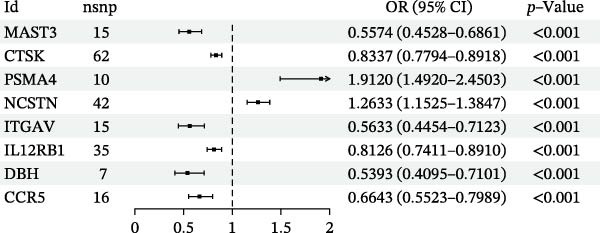 Figure 13
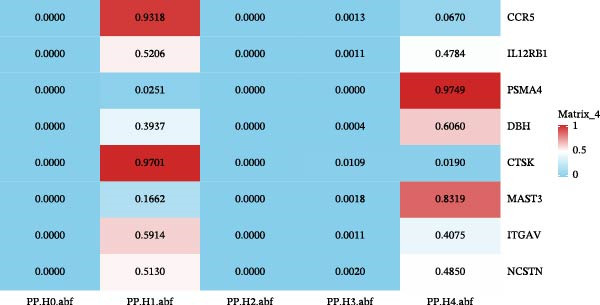 Figure 14
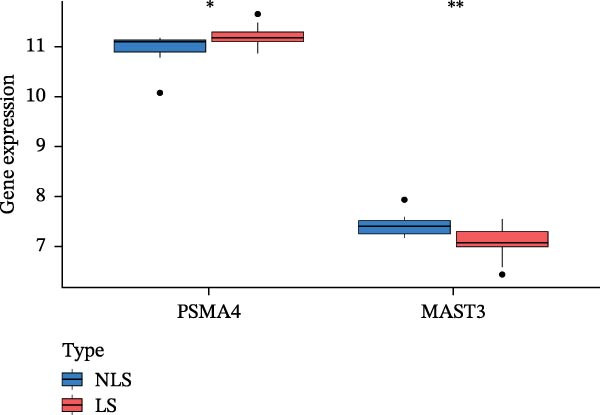 Figure 15
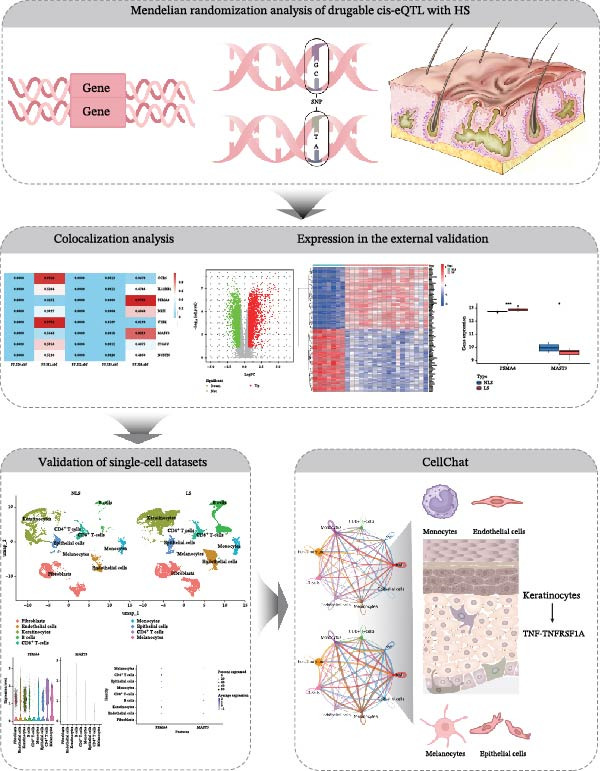 Figure 16
Peer Reviews
No public reviews on file for this paper yet. If you reviewed it on a platform where reviews are public (OpenReview, ICLR, NeurIPS, ICML), you can paste yours below so the community can read it here.
Videos
No videos yet. Explain this paper in a talk, walkthrough, or lecture? Add one.
Taxonomy
TopicsHidradenitis Suppurativa and Treatments · Acne and Rosacea Treatments and Effects · Anorectal Disease Treatments and Outcomes