Antitumor effects of LPM5140276 and its potential combination with SHP2 inhibition in KRASG12D-mutant cancer
Zhengping Hu, Fangxia Zou, Fengjuan Zhao, Pengfei Yu, Haibo Zhu, Liting Yu, Wenyan Wang, Liang Ye

TL;DR
A new drug, LPM5140276, effectively targets a common cancer mutation and works better when combined with another drug.
Contribution
LPM5140276 is introduced as a potent KRASG12D inhibitor with a novel binding mechanism and synergy with SHP2 inhibition.
Findings
LPM5140276 binds strongly to KRASG12D and inhibits cancer cell growth.
Combining LPM5140276 with SHP2 inhibition enhances antitumor effects and overcomes resistance.
The drug induces cell-cycle arrest and apoptosis in KRASG12D-mutant cells.
Abstract
KRASG12D is a predominant mutation in pancreatic and colorectal cancers whose targeting has remained a therapeutic challenge. In this study, we introduced LPM5140276 as a potent KRASG12D inhibitor that forms a salt bridge with the Asp12 residue; furthermore, we evaluated its antitumor efficacy, action mechanism, and synergy with the SHP2 inhibitor RMC4550. LPM5140276 was observed to bind to GDP-loaded KRASG12D with high affinity, exhibiting a dissociation constant (KD) of 3.1 × 10⁻³ nM and an IC50 of 0.5 nM, which was superior to its binding to GTP-loaded KRASG12D. In KRASG12D-mutant cells, LPM5140276 significantly inhibited cell viability by suppressing ERK and AKT phosphorylation to induce G0/G1 cell-cycle arrest and promote apoptosis, which contributed to its antitumor effect in vivo. However, rebound phosphorylation of ERK/AKT and increased SHP2 phosphorylation following the…
Genes, proteins, chemicals, diseases, species, mutations and cell lines named across the full text — each resolved to its canonical identifier and authoritative record.
Click any figure to enlarge with its caption.
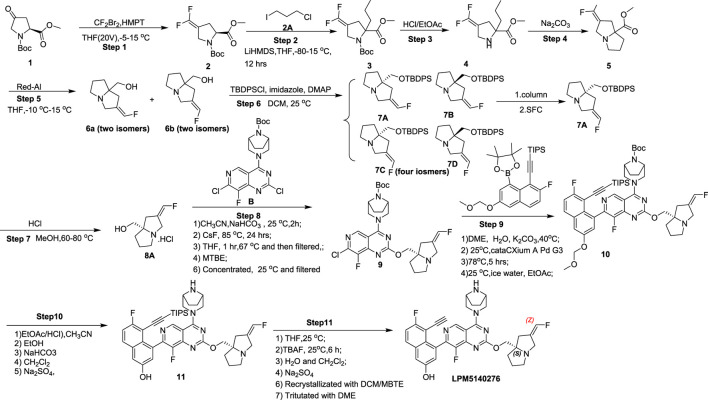 Figure 1
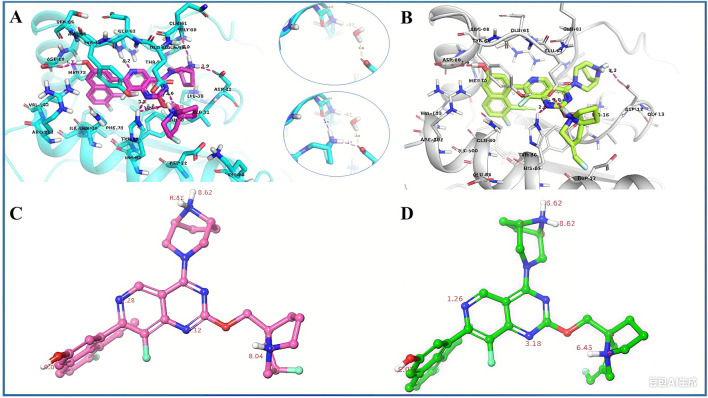 Figure 2
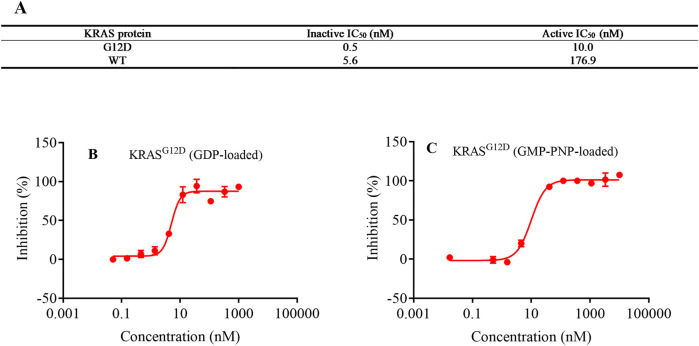 Figure 3
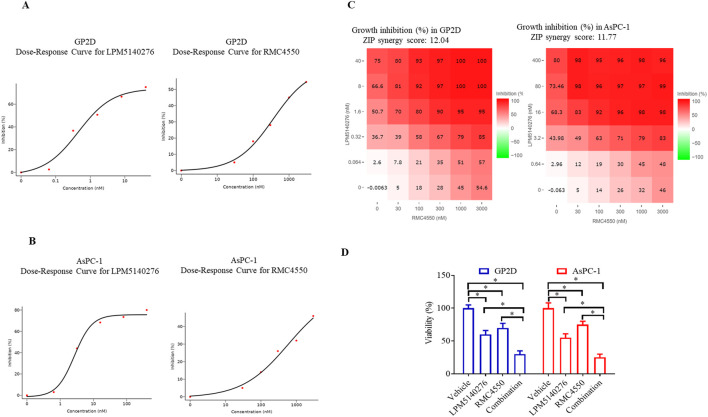 Figure 4
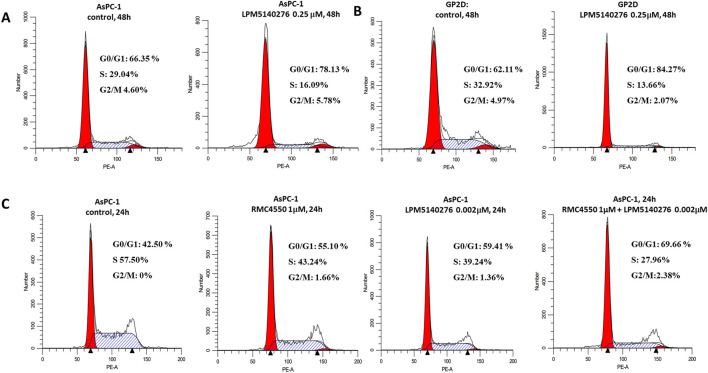 Figure 5
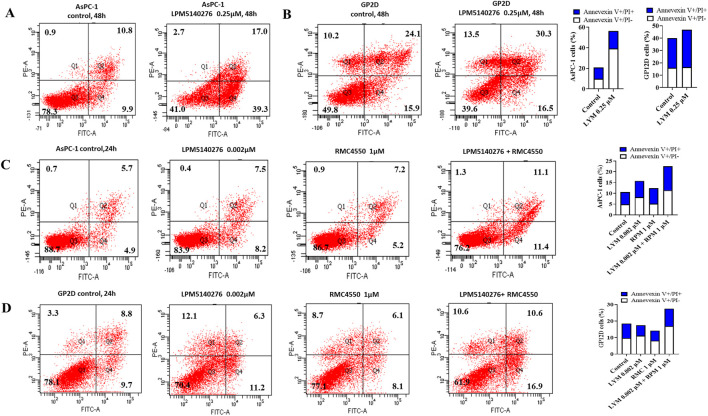 Figure 6
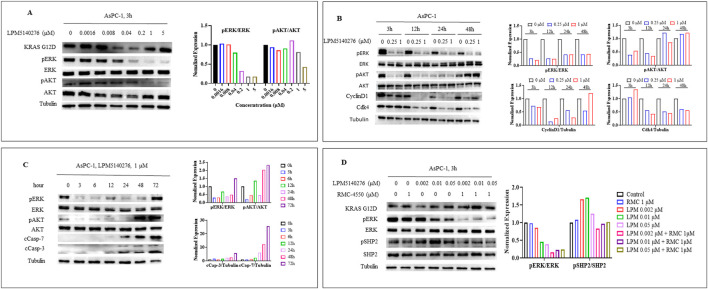 Figure 7
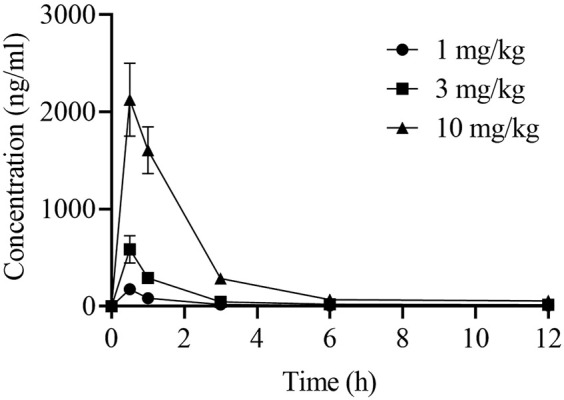 Figure 8
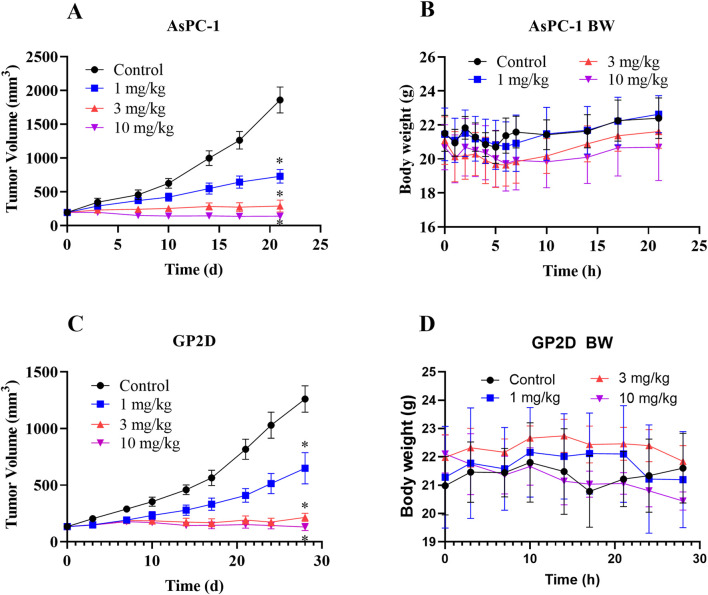 Figure 9
Peer Reviews
No public reviews on file for this paper yet. If you reviewed it on a platform where reviews are public (OpenReview, ICLR, NeurIPS, ICML), you can paste yours below so the community can read it here.
Videos
No videos yet. Explain this paper in a talk, walkthrough, or lecture? Add one.
Taxonomy
TopicsProtein Tyrosine Phosphatases · Protein Kinase Regulation and GTPase Signaling · Melanoma and MAPK Pathways