Troxerutin, a herbal metabolite with antidiabetic and antihypercholesterolemic potential, regulates metabolic gene activity in male diabetic rats
Saira Gul, Mahrukh Naseem, Irfan Shahzad Sheikh, Hafiz Muhammad Ali, Imtiaz Rabbani, Tariq Jamil, Sehar Gul, Zaid Chachar, Sana Ullah, Saima Asif, Farid Shokry Ataya, Dalia Fouad, Kasim Sakran Abass, Yuanzhe Cai, Jieren Liu, Feijuan Huang

TL;DR
This study shows that troxerutin, a plant-based compound, can lower cholesterol and improve diabetes markers in rats by regulating key metabolic genes.
Contribution
Troxerutin is shown to regulate lipid metabolism and inflammation genes in diabetic rats, offering a potential alternative to metformin.
Findings
Troxerutin significantly reduced cholesterol, triglycerides, and stress markers in diabetic rats.
Higher doses of troxerutin upregulated PPARα and PPARγ while downregulating FAS, SREBP-1c, TNF-α, and IL-6 genes.
Troxerutin's effects were comparable to metformin in improving metabolic and inflammatory profiles.
Abstract
This study evaluated the antidiabetic and antihypercholesterolemic potential of the botanical metabolite troxerutin (TRX) and compared it with that of metformin in high-fat diet-fed streptozotocin-induced diabetic male Wistar rats. The rats (n = 48) were divided into six groups. Diabetes was induced in the treatment groups, and different doses of troxerutin (TRX)—25 mg/kg/day (TRX25-D), 50 mg/kg/day (TRX50-D), and 75 mg/kg/day (TRX75-D)—or the standard drug (10 mg/kg/day; MET10-D) were administered for a period of 7 weeks, compared to the negative (non-diabetic control, NDC) and positive (diabetic control, DC) control groups. At the end of the trial period, serum was collected to determine the lipid profile (high-density lipoprotein, low-density lipoprotein, and very-low-density lipoprotein (VLDL)) and the concentrations of hepatic (aspartate aminotransferase and alanine…
Genes, proteins, chemicals, diseases, species, mutations and cell lines named across the full text — each resolved to its canonical identifier and authoritative record.
Click any figure to enlarge with its caption.
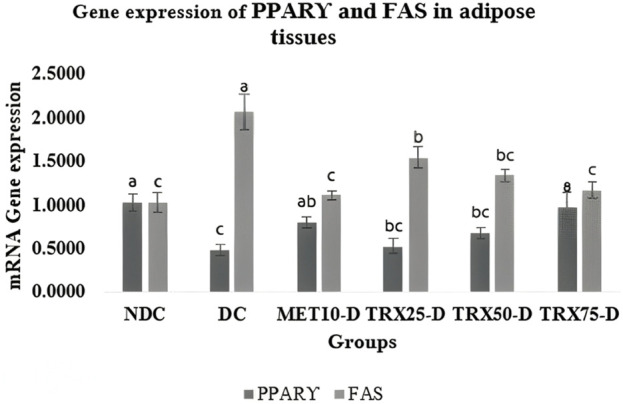 Figure 1
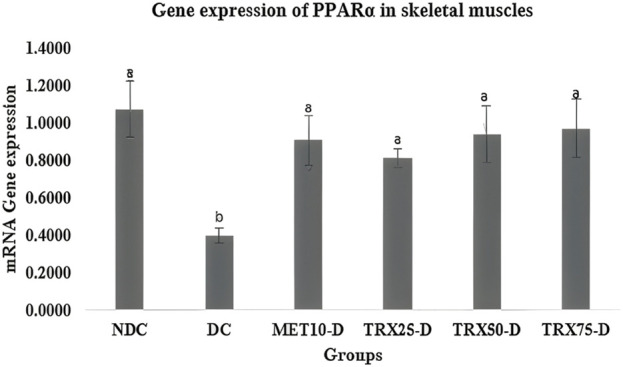 Figure 2
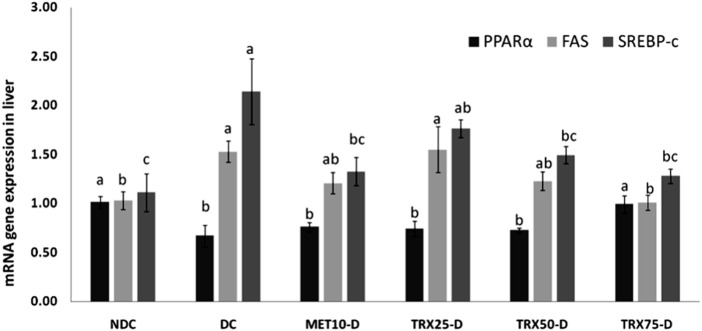 Figure 3
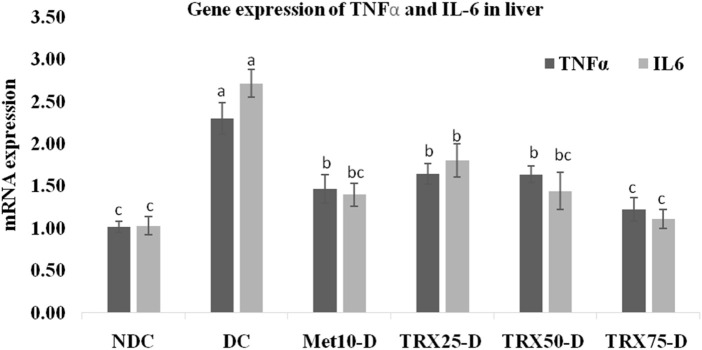 Figure 4
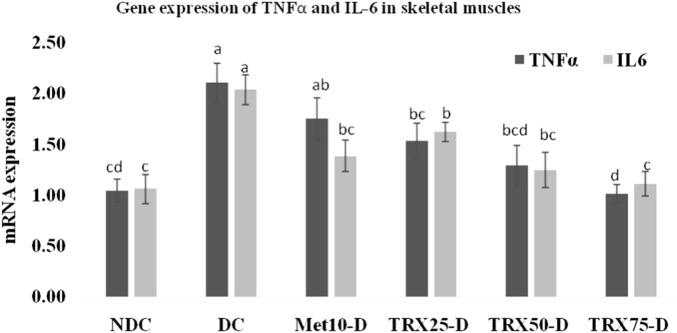 Figure 5
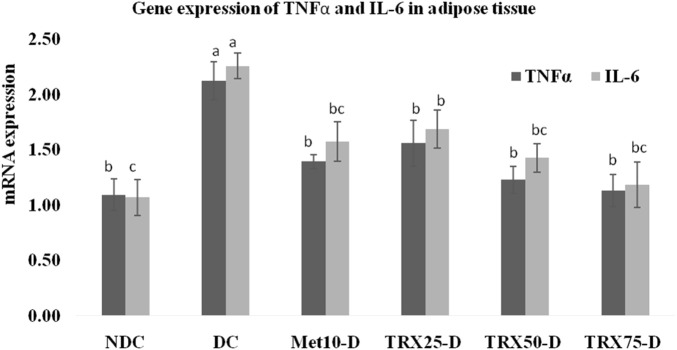 Figure 6
Peer Reviews
No public reviews on file for this paper yet. If you reviewed it on a platform where reviews are public (OpenReview, ICLR, NeurIPS, ICML), you can paste yours below so the community can read it here.
Videos
No videos yet. Explain this paper in a talk, walkthrough, or lecture? Add one.
Taxonomy
TopicsAntioxidants, Aging, Portulaca oleracea · Natural Antidiabetic Agents Studies · Sesquiterpenes and Asteraceae Studies