The mechanism regulating the cytotoxicity of γδ T cells activated by mycobacterium tuberculosis heat-resistant antigen based on RNA-seq analysis
Yamin Song, Fangzheng Guo, Huiting Dai, Xiaoyu Zhou, Sihang Dong, Hui Zhang, Zhongqing Qian, Baiqing Li, Xiaojing Wang, Tao Xu, Hongtao Wang

TL;DR
This study shows how a tuberculosis-related protein activates immune cells to kill bacteria, with a key role for a specific receptor.
Contribution
The study reveals the mechanism by which Mtb-HAg activates γδ T cells and the role of BTN3A1 in this process.
Findings
Mtb-HAg activates γδ T cells, increasing cytotoxic factors like granzyme B and perforin.
Blocking BTN3A1 reduces γδ T cell activation and their ability to kill Mtb-infected cells.
Activated γδ T cells inhibit intracellular Mtb growth by lysing infected macrophages.
Abstract
Tuberculosis (TB), caused by Mycobacterium tuberculosis (Mtb), remains a major global health threat. γδ T cells, critical innate immune responders, provide rapid anti-TB defenses and act as a bridge between innate and adaptive immunity. Studies have demonstrated that γδ T-cell activation by phosphoantigens is mediated by butyrophilin subfamily 3 member A1 (BTN3A1), leading to enhanced cytokine production and cytotoxicity. Mtb heat-resistant antigen (Mtb-HAg), extracted from Mtb H37Ra, specifically activates γδ T cells and induces cytokine secretion. However, the contribution of Mtb-HAg to γδ T cell-mediated cytotoxicity and its dependence on BTN3A1 remain unclear. This study explored the regulatory mechanism of Mtb-HAg on the cytotoxic function of γδ T cells through RNA-Seq analysis and functional validation methods. The RNA-Seq analysis to profile the transcriptome of…
Genes, proteins, chemicals, diseases, species, mutations and cell lines named across the full text — each resolved to its canonical identifier and authoritative record.
Click any figure to enlarge with its caption.
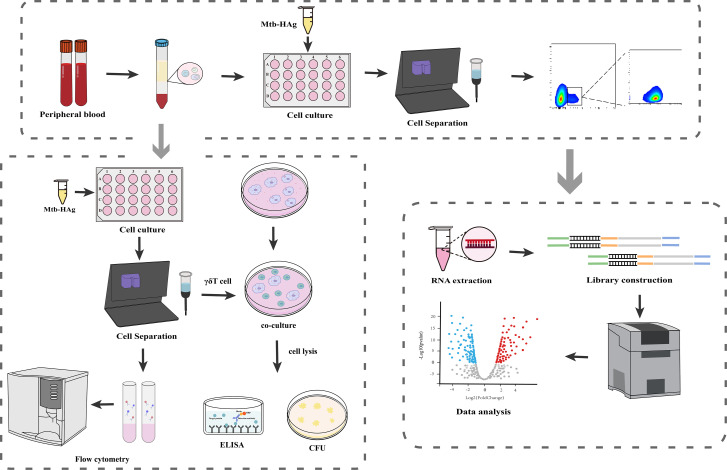 Figure 1
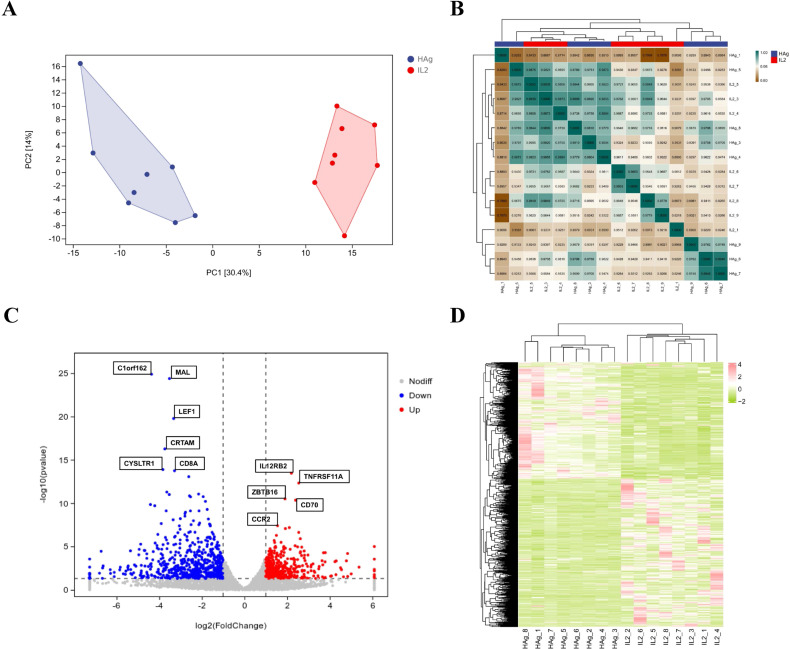 Figure 2
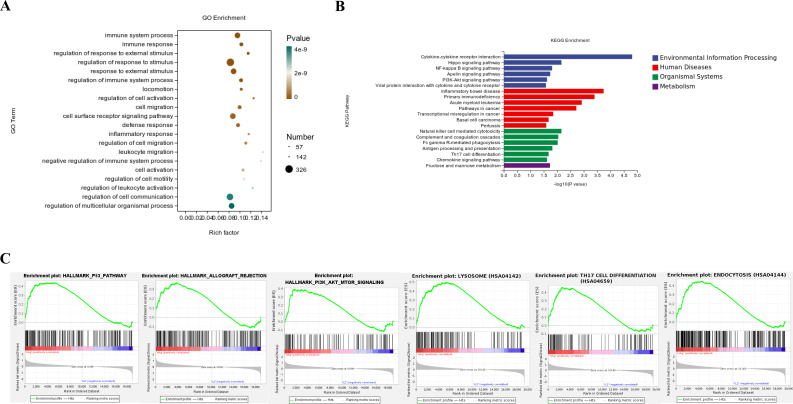 Figure 3
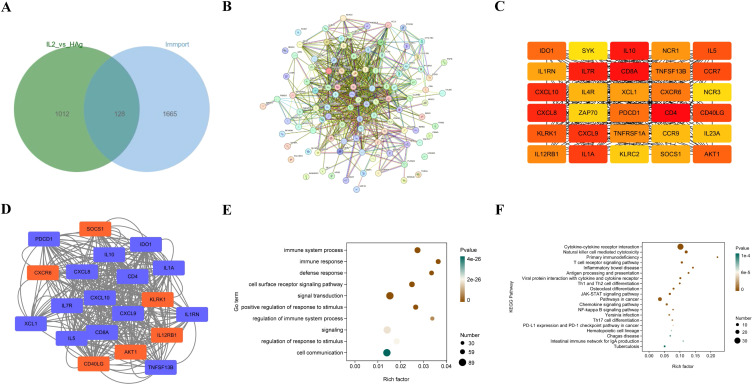 Figure 4
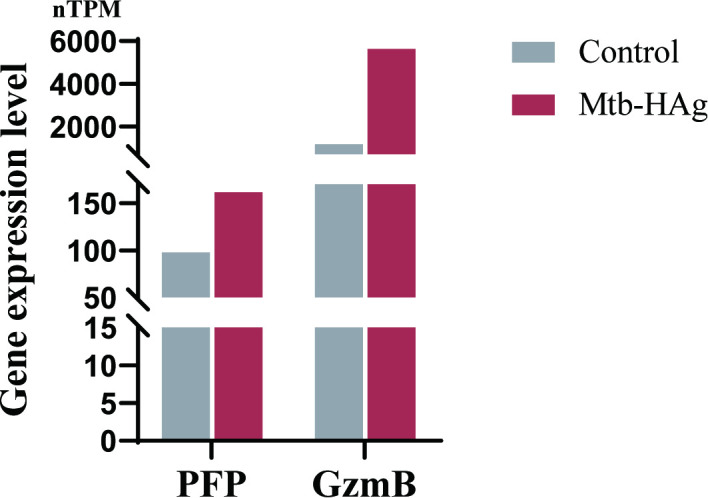 Figure 5
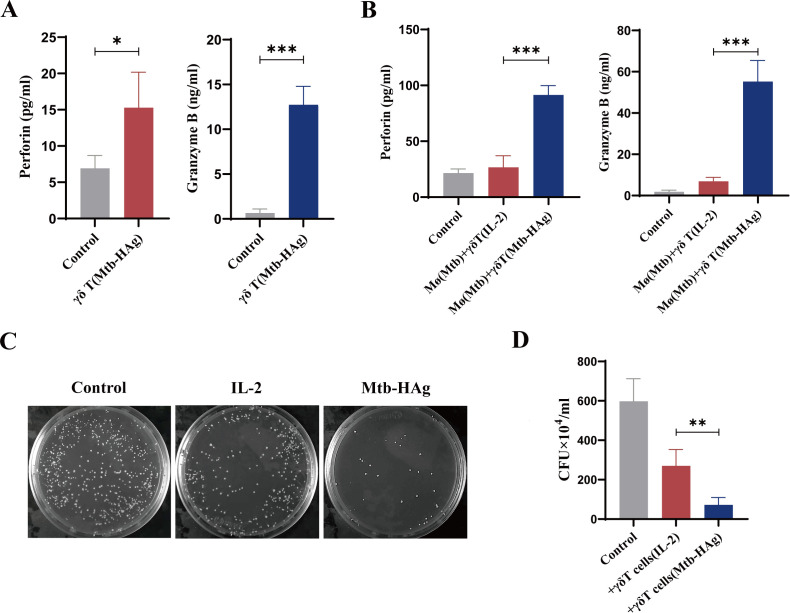 Figure 6
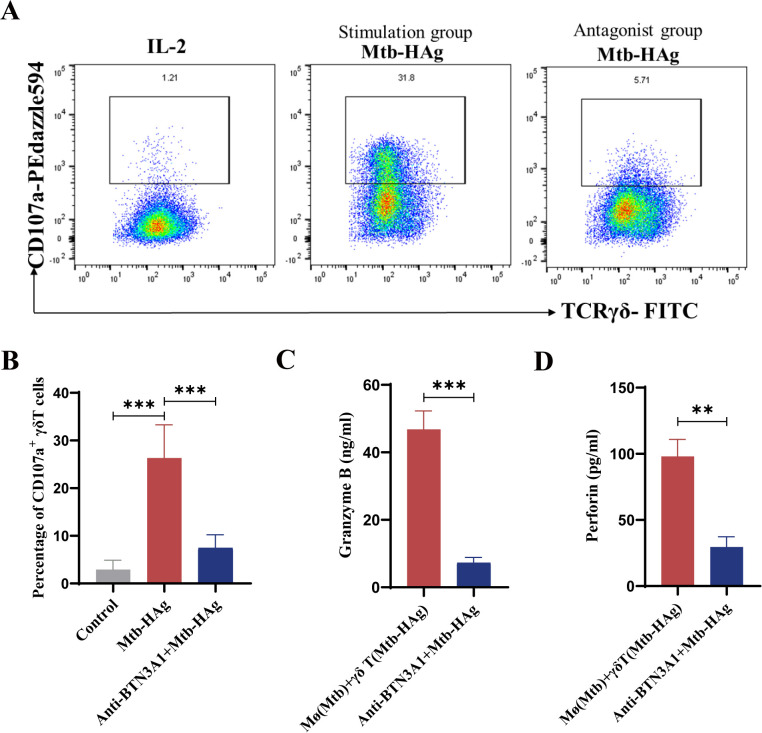 Figure 7
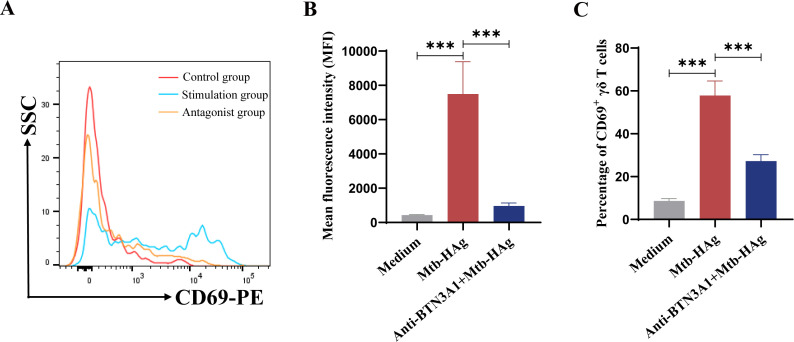 Figure 8
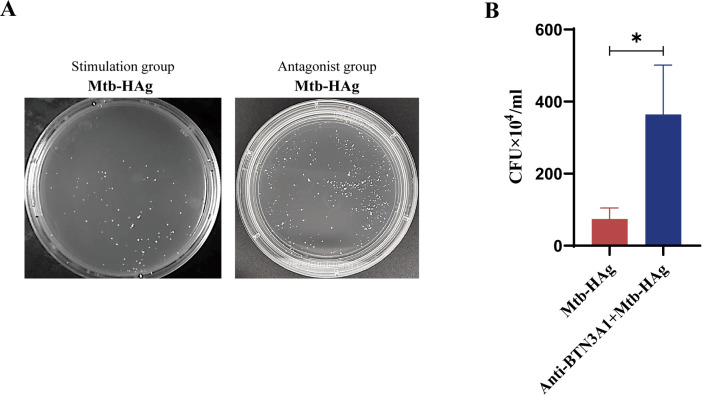 Figure 9
Peer Reviews
No public reviews on file for this paper yet. If you reviewed it on a platform where reviews are public (OpenReview, ICLR, NeurIPS, ICML), you can paste yours below so the community can read it here.
Videos
No videos yet. Explain this paper in a talk, walkthrough, or lecture? Add one.
Taxonomy
TopicsT-cell and B-cell Immunology · Immune Cell Function and Interaction · Tuberculosis Research and Epidemiology