Conventional gene stacking as a strategy to improve chickpea resistance to Ascochyta blight
Basel Alaskar, Fateh Khatib, Antonious Al-Daoude

TL;DR
This study shows that combining two resistance genes in chickpeas through conventional breeding improves their resistance to Ascochyta blight, a major disease affecting chickpea production.
Contribution
The study demonstrates that conventional gene stacking of chitinase and vst-1 genes enhances chickpea resistance to Ascochyta blight.
Findings
Stacked gene lines showed up to 90% inhibition of fungal spore germination and reduced mycelium formation.
Detached-leaf and whole-plant assays showed significantly lower disease severity in stacked lines compared to controls.
The hybrid N346 × N52 exhibited the strongest resistance phenotype across all assays.
Abstract
The main disease that affects chickpea production worldwide is Aschochyta blight (AB), caused by the fungus Aschochyta rabiei. The identification of cultivars with stacking resistance genes is crucial for controlling these diseases. This work aimed to evaluate the effect of stacking two resistance-related genes, chitinase and vst-1, on disease response in chickpea (Cicer arietinum L.). Gene stacking was achieved through conventional hybridization between three transgenic inbred lines: N292 and N346 (both carrying chitinase), and N52 (carrying vst-1). PCR confirmed the stable inheritance of both transgenes in F1 and F2 generations, although segregation ratios deviated from Mendelian expectations. Functional assays were conducted using protein extracts to test inhibition of fungal spore germination and mycelium formation, followed by detached-leaf and whole-plant infection assays. Protein…
Genes, proteins, chemicals, diseases, species, mutations and cell lines named across the full text — each resolved to its canonical identifier and authoritative record.
Click any figure to enlarge with its caption.
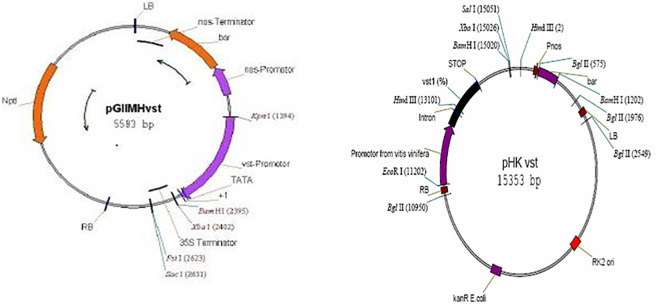 Figure 1
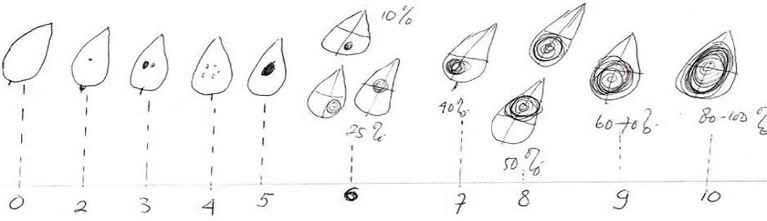 Figure 2
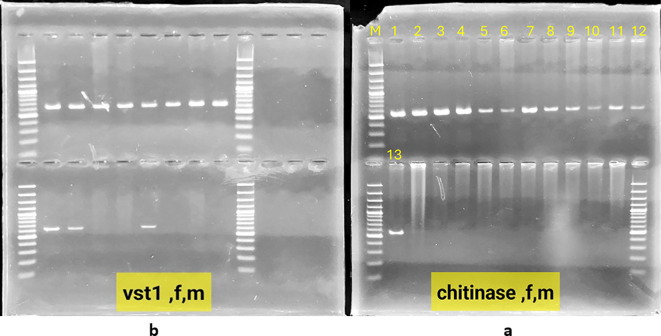 Figure 3
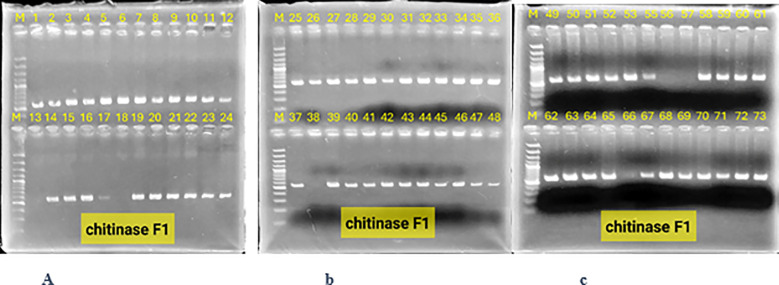 Figure 4
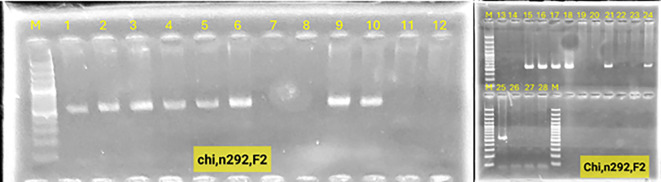 Figure 5
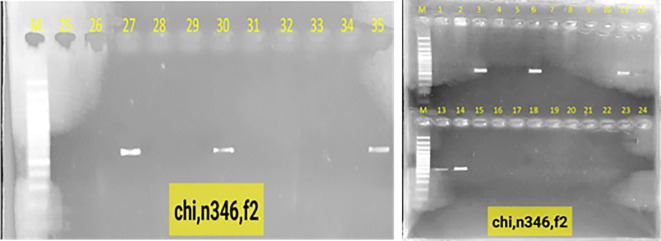 Figure 6
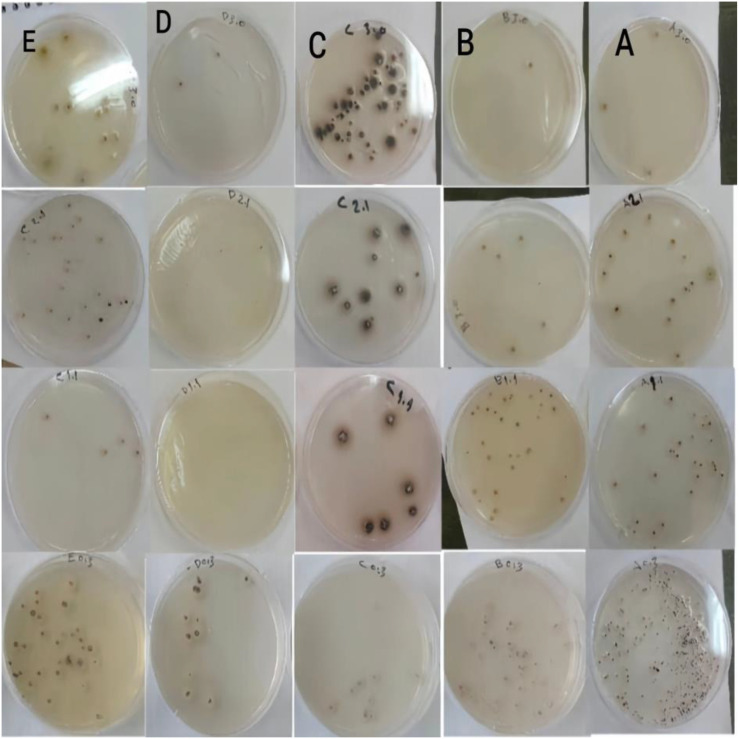 Figure 7
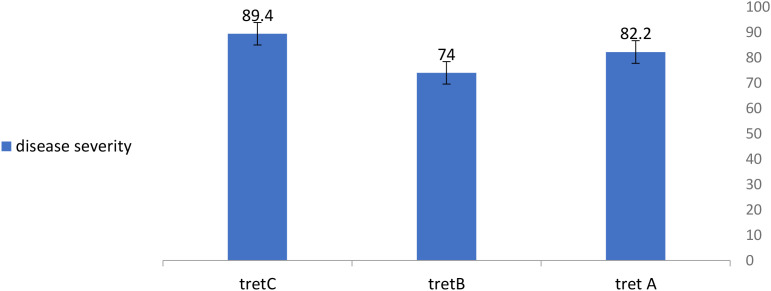 Figure 8
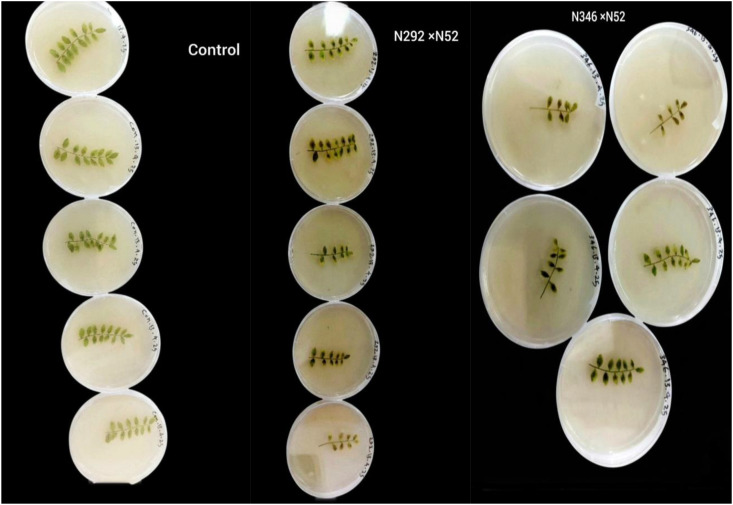 Figure 9
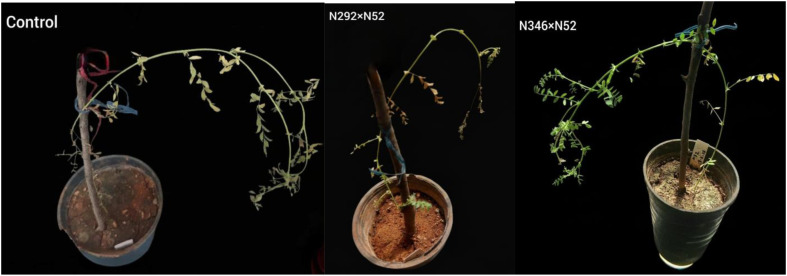 Figure 10
Peer Reviews
No public reviews on file for this paper yet. If you reviewed it on a platform where reviews are public (OpenReview, ICLR, NeurIPS, ICML), you can paste yours below so the community can read it here.
Videos
No videos yet. Explain this paper in a talk, walkthrough, or lecture? Add one.
Taxonomy
TopicsGenetic and Environmental Crop Studies · Plant-Microbe Interactions and Immunity · Studies on Chitinases and Chitosanases