A skin isolate of Micrococcus luteus negates the Staphylococcus aureus-induced release of type 2 cytokines from keratinocytes
Abigail E. Elias, Joanne L. Pennock, Andrew J. McBain, Emma-Jayne Keevill, Catherine A. O’Neill

TL;DR
A skin bacterium, Micrococcus luteus, prevents a harmful immune response caused by Staphylococcus aureus, which is linked to eczema in atopic dermatitis.
Contribution
Identifies a specific serine protease from Micrococcus luteus that inhibits S. aureus-induced cytokine release in keratinocytes.
Findings
Micrococcus luteus uniquely prevents IL-33 and TSLP release from keratinocytes triggered by S. aureus.
The active factor is a serine protease called PADP, which degrades S. aureus's Sbi and IL-33.
The M. luteus type strain lacks functional PADP due to a frameshift mutation in its active site.
Abstract
Staphylococcus aureus second immunoglobulin-binding protein (Sbi) is a unique type 2-promoting virulence factor that induces IL-33 and thymic stromal lymphopoietin (TSLP) release. This mechanism is essential for the development of S. aureus–induced eczema in the widely used NC/Tnd mouse model of human atopic dermatitis (AD). Microbiome shifts in AD suggest that microbiota could modulate the disease. We therefore sought to identify skin bacteria that attenuate S. aureus-induced IL-33/TSLP release from keratinocytes. Micrococcus luteus was unique among skin isolates in its ability to negate cytokine induction. The bioactive factor responsible was identified using fractionation, LC-MS and recombinant proteins, as the serine protease “PA domain protein” (PADP). Immunoblotting and ELISA confirmed Sbi and IL-33 degradation by PADP. This was not observed with the M. luteus type strain which…
Genes, proteins, chemicals, diseases, species, mutations and cell lines named across the full text — each resolved to its canonical identifier and authoritative record.
Click any figure to enlarge with its caption.
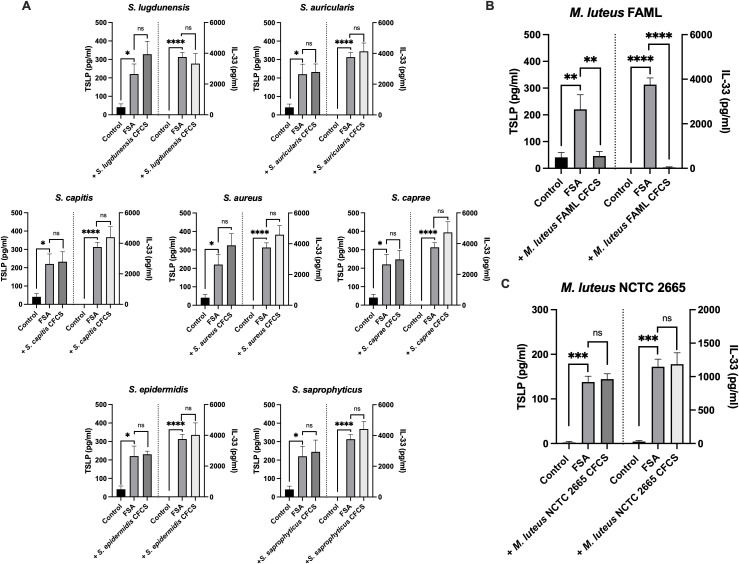 Figure 1
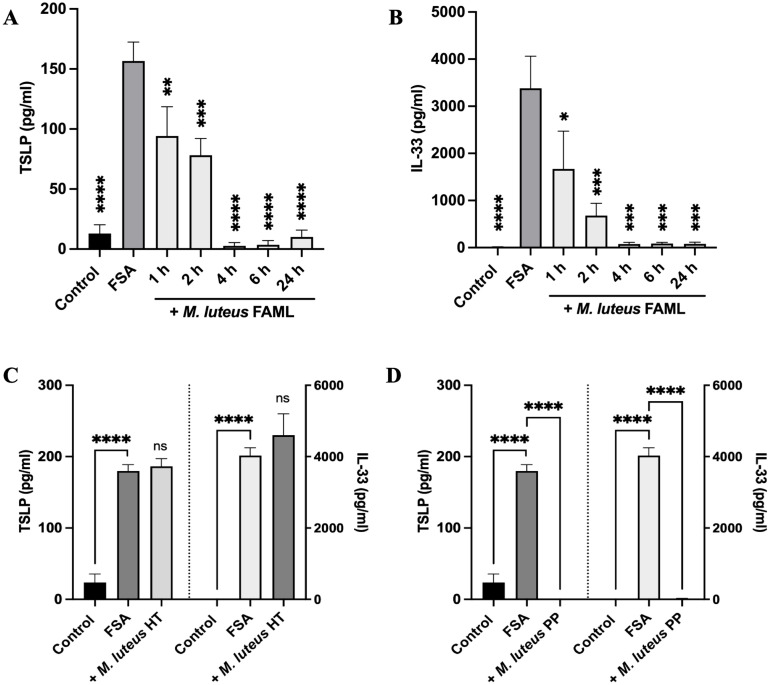 Figure 2
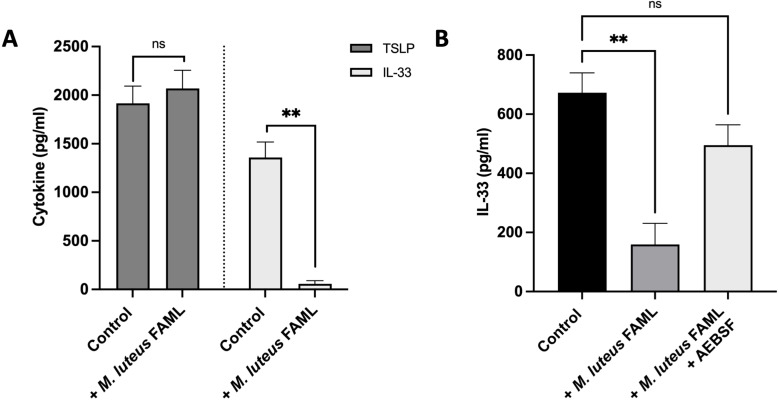 Figure 3
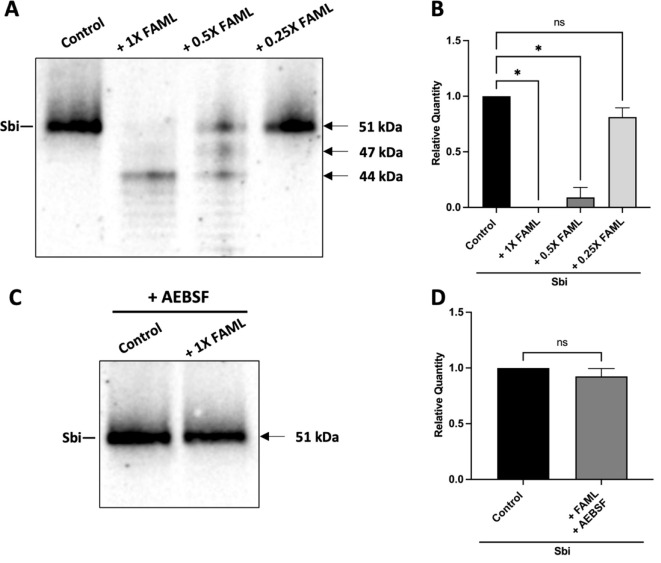 Figure 4
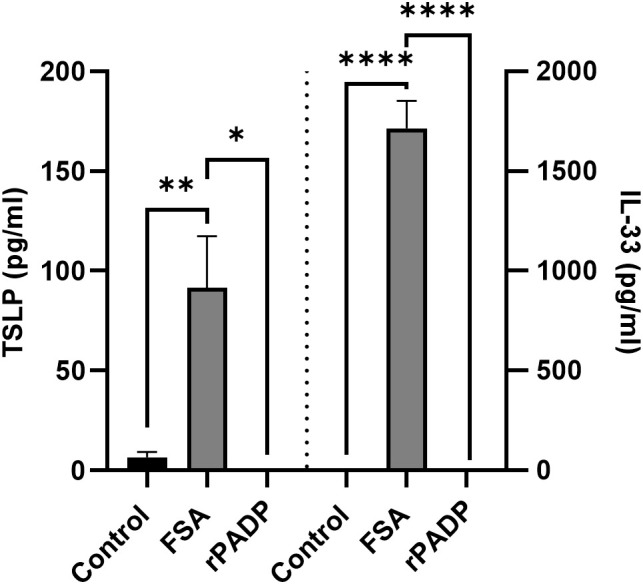 Figure 5
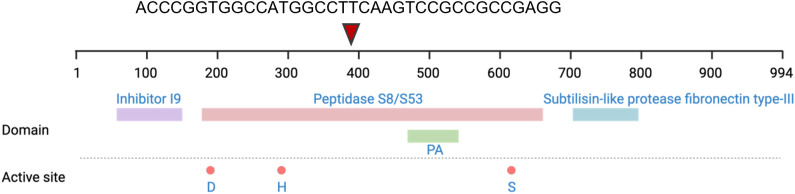 Figure 6
Peer Reviews
No public reviews on file for this paper yet. If you reviewed it on a platform where reviews are public (OpenReview, ICLR, NeurIPS, ICML), you can paste yours below so the community can read it here.
Videos
No videos yet. Explain this paper in a talk, walkthrough, or lecture? Add one.
Taxonomy
TopicsDermatology and Skin Diseases · Probiotics and Fermented Foods · Antimicrobial Peptides and Activities