Inactivation of cofilin-1 in Mcpt5-Cre-nf-Cfl1fl/fl mice prevents the formation of connective tissue mast cells without affecting basophils: a new tool to investigate the specific role of CTMCs in disease
Johanna Kramer, Jakob Schneider, Huiying Liu, Cinthia Silva-Vilches, Sonja Moos, Nadine Kamenjarin, Katrin Hodapp, Volodymyr Tsvilovskyy, Marc Freichel, Hans Christian Probst, Karsten Mahnke, Florian C. Kurschus, Yvonne Samstag

TL;DR
This study creates a mouse model that lacks connective tissue mast cells but retains basophils, helping to clarify the specific role of these cells in disease.
Contribution
A new mouse model with CTMC-specific Cfl1 inactivation that preserves basophils is developed.
Findings
CTMCs are not essential for contact hypersensitivity or psoriasis-like dermatitis.
Clearance of vaccinia virus skin infection is unaffected by the absence of CTMCs.
The model shows impaired systemic anaphylaxis but normal basophil function.
Abstract
Actin-binding proteins play a critical role in regulating the dynamic rearrangement of the actin cytoskeleton, which is essential for maintaining cellular homeostasis and facilitating various processes in eukaryotic cells. Cofilin-1 (Cfl1), an actin-binding protein, promotes the severing and depolymerization of actin filaments. To investigate the function of Cfl1 in mast cells, we generated Mcpt5-Cre-nf-Cfl1fl/fl knock-in mice, expressing a non-functional form of Cfl1 (nf-Cfl1) instead of wildtype Cfl1 under the control of the connective tissue mast cell (CTMC)-specific promoter mast cell protease 5 (Mcpt5). Expression of nf-Cfl1 resulted in the complete absence of CTMCs. Notably, normal numbers of basophils were observed, in contrast to other mast cell-deficient mice. Interestingly, an inducible knock-in of nf-Cfl1 in mature mast cells did not affect the survival of mature mast cells.…
Genes, proteins, chemicals, diseases, species, mutations and cell lines named across the full text — each resolved to its canonical identifier and authoritative record.
Click any figure to enlarge with its caption.
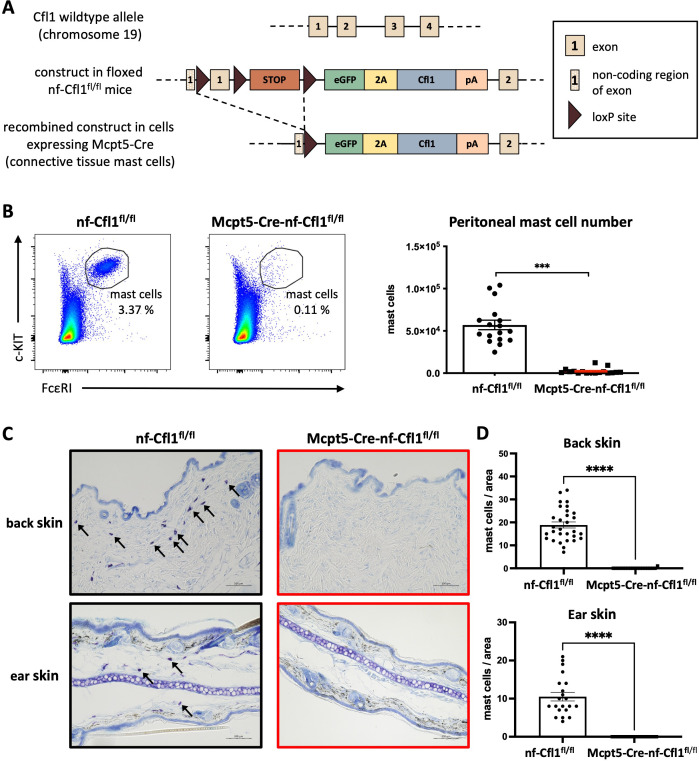 Figure 1
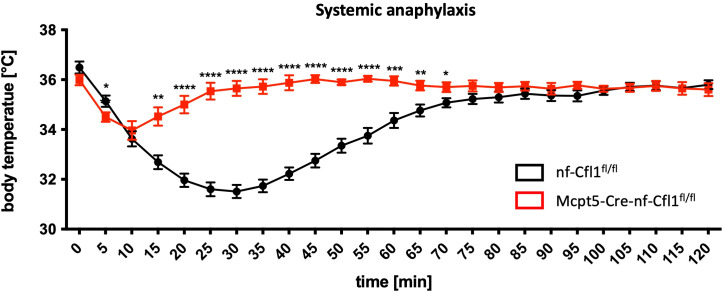 Figure 2
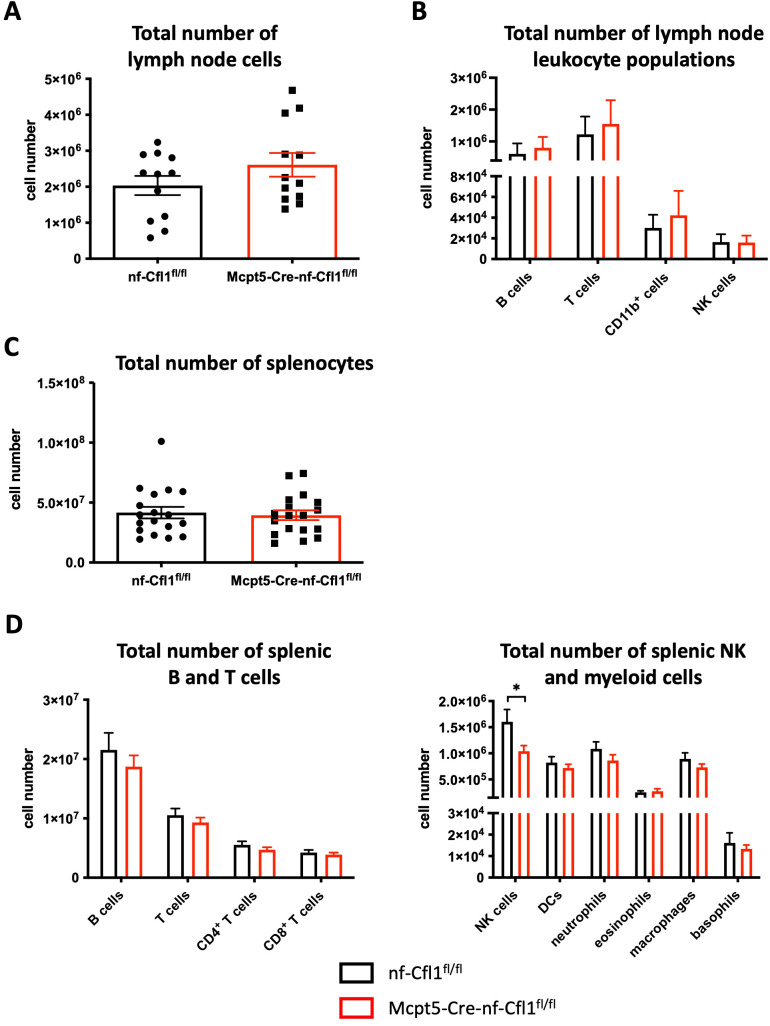 Figure 3
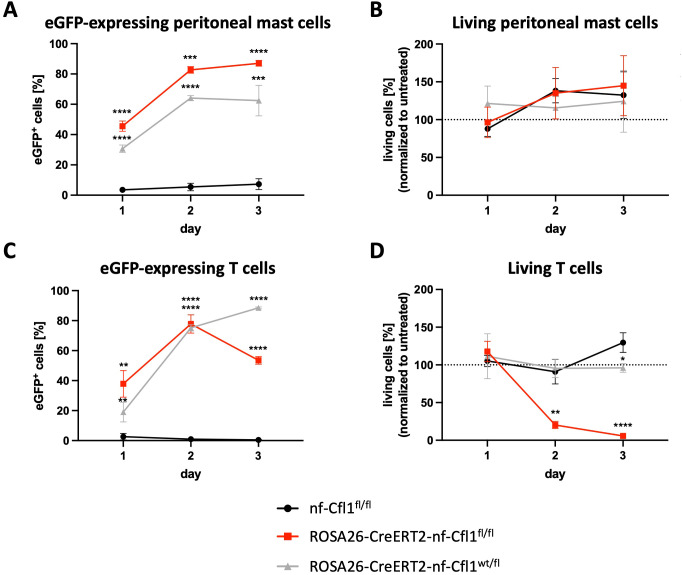 Figure 4
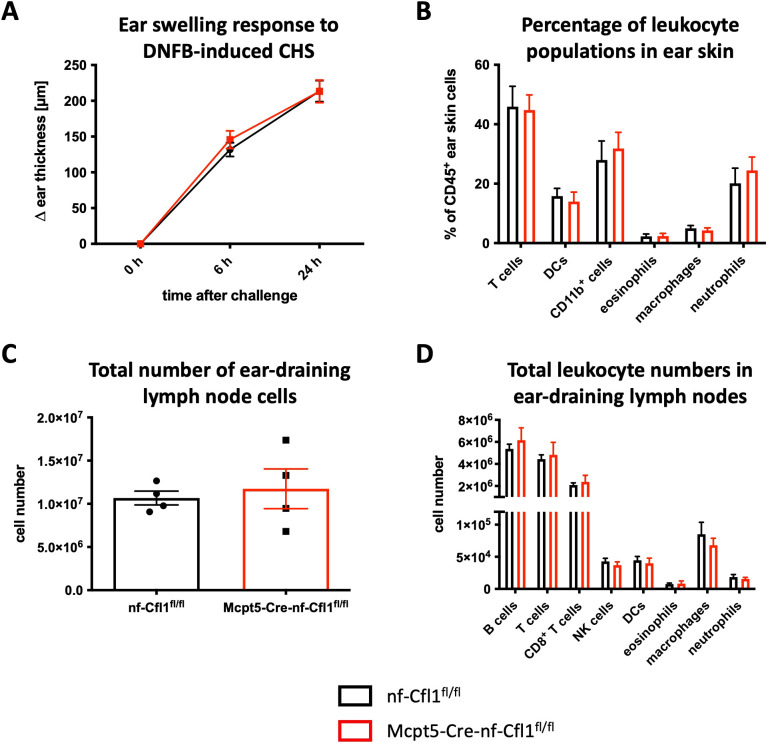 Figure 5
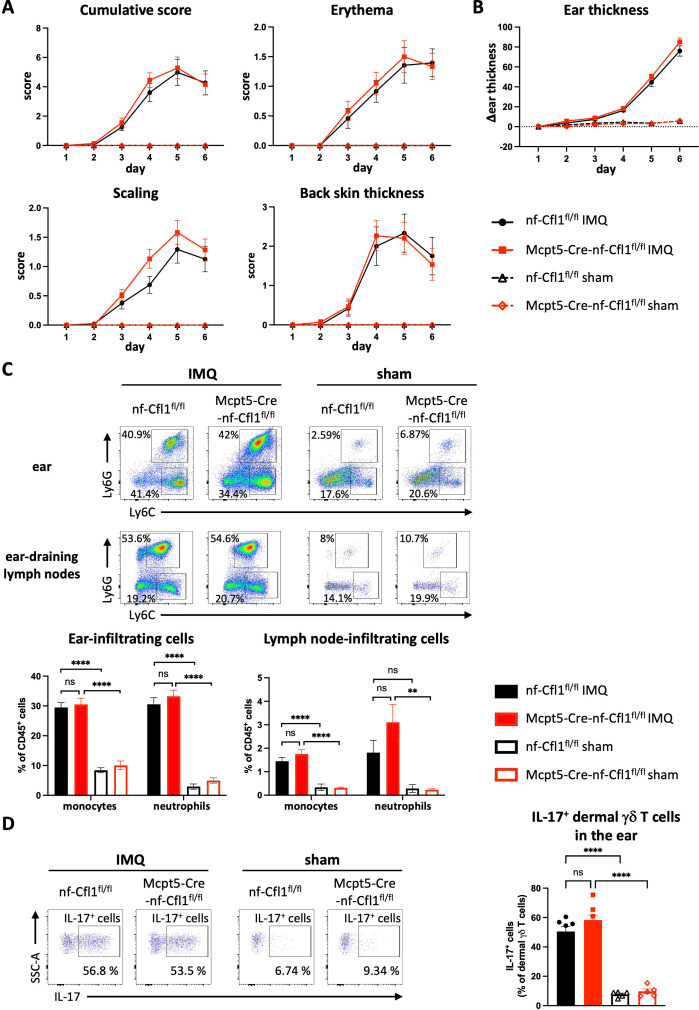 Figure 6
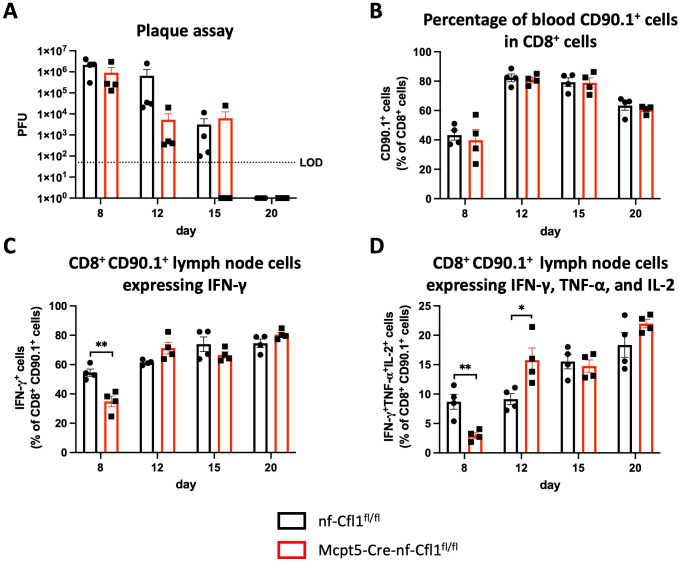 Figure 7
Peer Reviews
No public reviews on file for this paper yet. If you reviewed it on a platform where reviews are public (OpenReview, ICLR, NeurIPS, ICML), you can paste yours below so the community can read it here.
Videos
No videos yet. Explain this paper in a talk, walkthrough, or lecture? Add one.
Taxonomy
TopicsMast cells and histamine · Cellular Mechanics and Interactions · Cell Adhesion Molecules Research