Dynamic sensor adaptation based on efferent feedback for adaptive bio-inspired sound source localization
Steve Durstewitz, Daniel Schmid, Timo Oess, Hesan Ghazanfari, Heiko Neumann, Marc O. Ernst, Claudia Lenk

TL;DR
This paper explores how efferent feedback in a bio-inspired system can improve sound source localization, mimicking biological auditory mechanisms.
Contribution
The novel contribution is the use of efferent feedback in a neuromorphic system to adapt acoustic sensors for sound localization.
Findings
Feedback tuning can correct sensor mismatches caused by fabrication tolerances.
Different feedback configurations significantly affect the LSO neuron response to varying ILDs.
Simulations show how feedback parameters influence sound localization performance.
Abstract
Auditory perception and localization are fundamental tasks for many species, allowing them to detect, identify, and spatially localize sound sources in their environment. While biological systems have evolved sophisticated neural mechanisms for auditory adaptation, artificial auditory systems still struggle to match their performance, particularly in dynamic and noisy environments. Our research focuses on whether sensor adaptation, driven by efferent feedback from the processing stage to the sensory stage, can improve localization performance. Inspired by human sound source localization based on interaural level differences (ILD) and efferent feedback, the proposed neuromorphic system architecture is composed of two bio-inspired acoustic sensors connected to a neural processing stage, represented by two neurons of the medial nucleus of the trapezoid body (MNTB) and two neurons of the…
Genes, proteins, chemicals, diseases, species, mutations and cell lines named across the full text — each resolved to its canonical identifier and authoritative record.
Click any figure to enlarge with its caption.
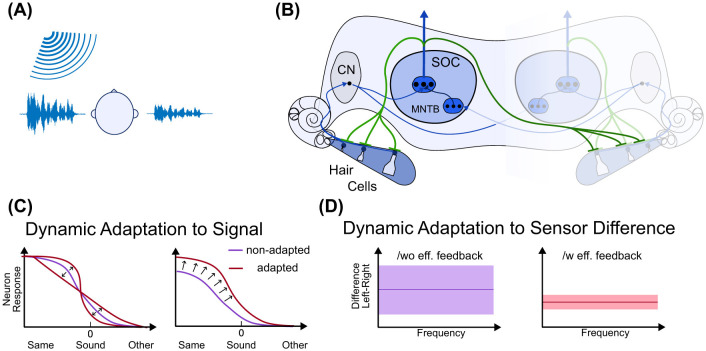 Figure 1
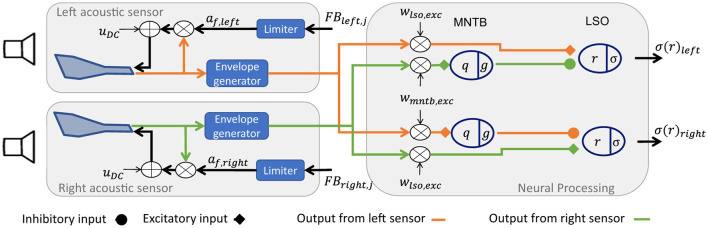 Figure 2
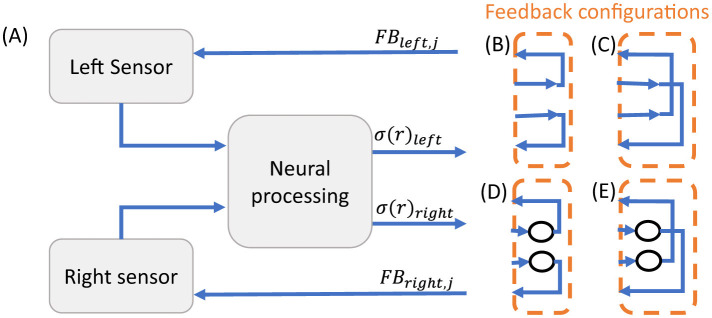 Figure 3
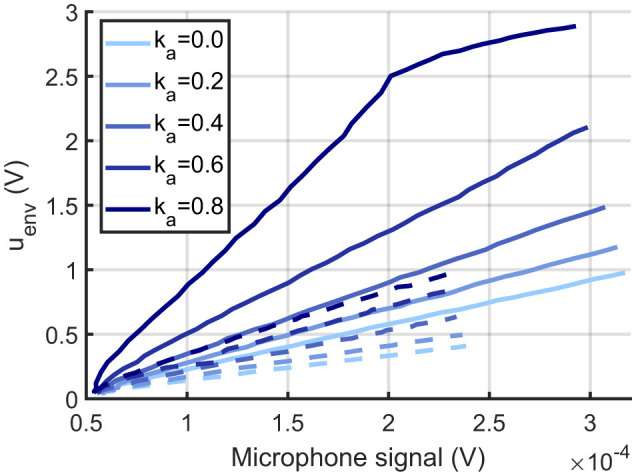 Figure 4
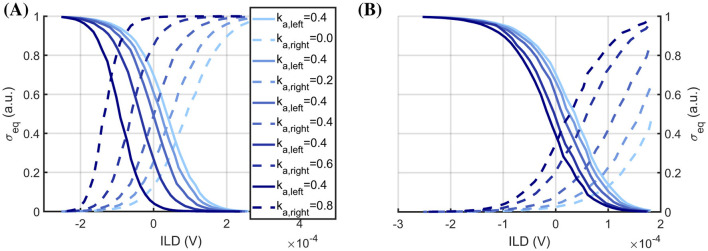 Figure 5
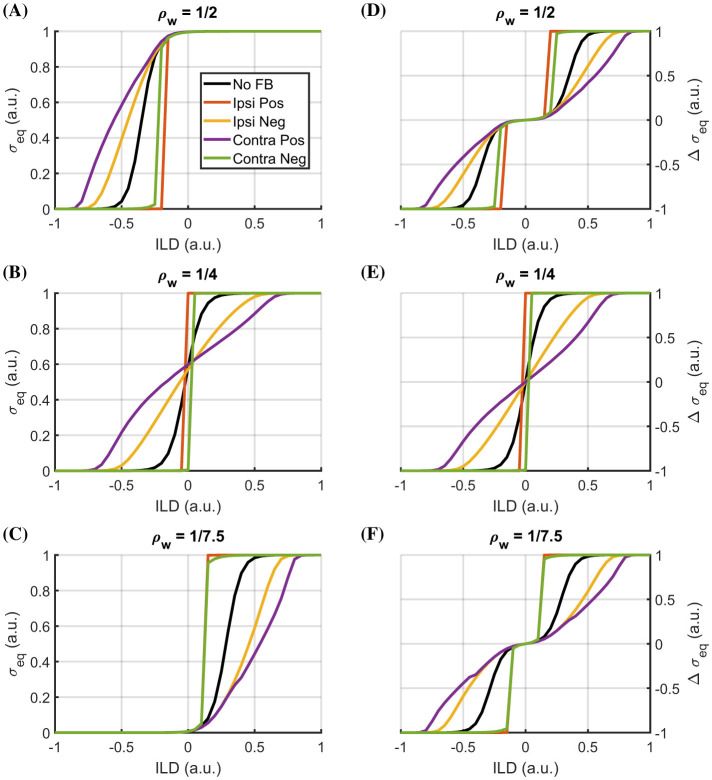 Figure 6
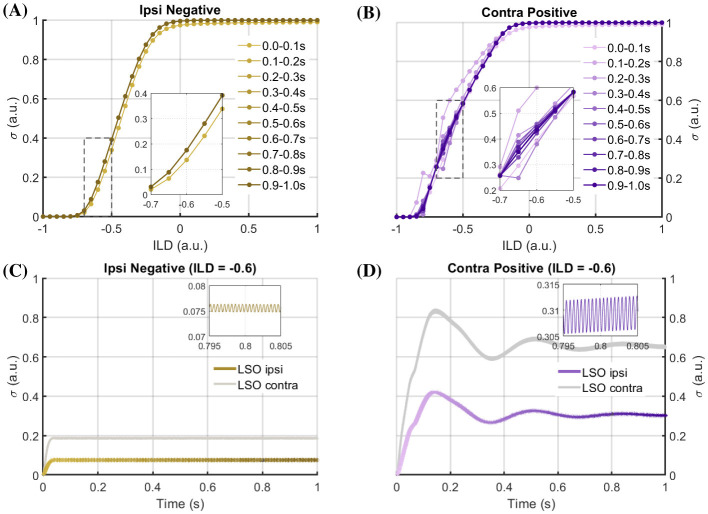 Figure 7
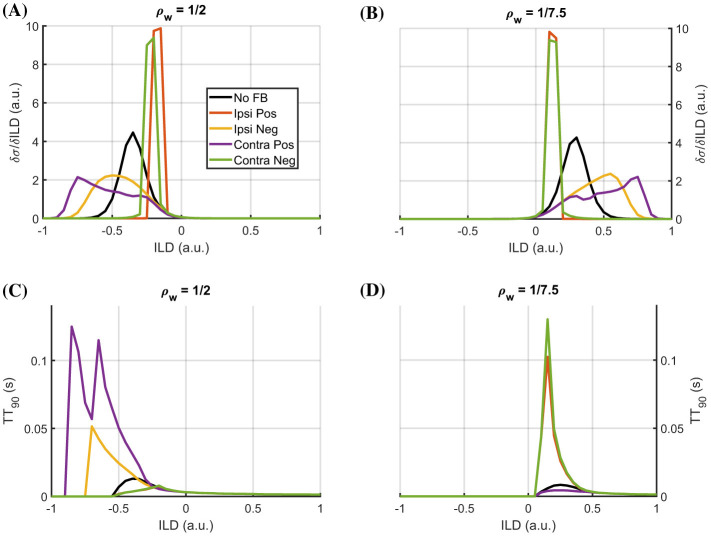 Figure 8
Peer Reviews
No public reviews on file for this paper yet. If you reviewed it on a platform where reviews are public (OpenReview, ICLR, NeurIPS, ICML), you can paste yours below so the community can read it here.
Videos
No videos yet. Explain this paper in a talk, walkthrough, or lecture? Add one.
Taxonomy
TopicsMusic Technology and Sound Studies · Hearing Loss and Rehabilitation · Speech and Audio Processing