Standardized reporting of perioperative complications after male artificial urinary sphincter implantation
Navid Roessler, Malte W. Vetterlein, Tim H. J. Konrad, Robert J. Schulz, Max C. Wagner, Jakob Klemm, Shahrokh F. Shariat, Roland Dahlem, Margit Fisch, Tim A. Ludwig

TL;DR
This study evaluates complications and outcomes of artificial urinary sphincter implantation in men, using standardized reporting guidelines to improve transparency and comparability across studies.
Contribution
The study introduces standardized complication reporting for AUS implantation aligned with EAU guidelines, enhancing systematic evaluation and cross-study comparability.
Findings
47% of AUS implantations experienced complications, with bleeding being the most common.
Major complications requiring reintervention occurred in 7.9% of cases.
Explantation-free survival at 5 years was 73%, with infections and erosion being primary reasons for explantation.
Abstract
To systematically assess perioperative complications after artificial urinary sphincter (AUS) implantation using the European Association of Urology (EAU) complication reporting guidelines and evaluate long-term device outcomes. We retrospectively analyzed male patients undergoing AUS implantation between 2015 and 2020. Demographic, clinical, and surgical characteristics were described. Early complications within 6 weeks were captured using a procedure-specific complication catalog and graded according to the Clavien–Dindo Classification (CDC), in line with EAU standardized reporting recommendations. Primary endpoints were overall and major complications (CDC grade ≥ III); secondary endpoint was explantation-free survival. A total of consecutive 227 AUS implantations (median age 73 years, IQR 67–76) were included. Severe stress urinary incontinence was predominantly post-radical…
Genes, proteins, chemicals, diseases, species, mutations and cell lines named across the full text — each resolved to its canonical identifier and authoritative record.
Click any figure to enlarge with its caption.
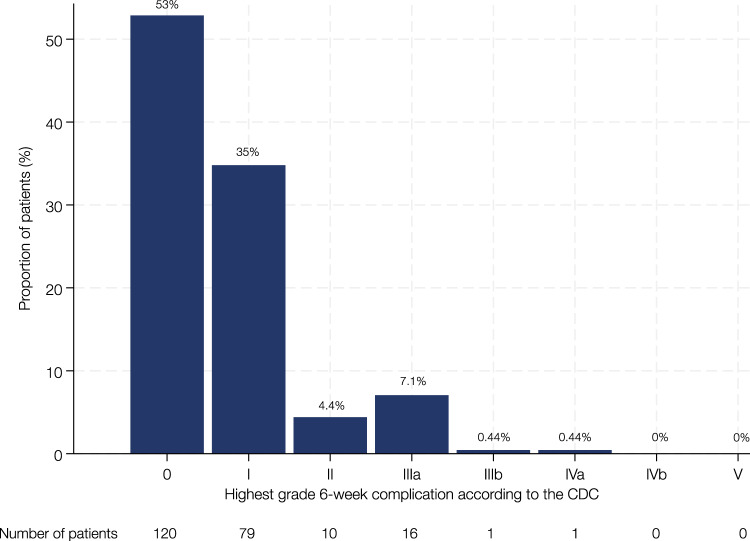 Figure 1
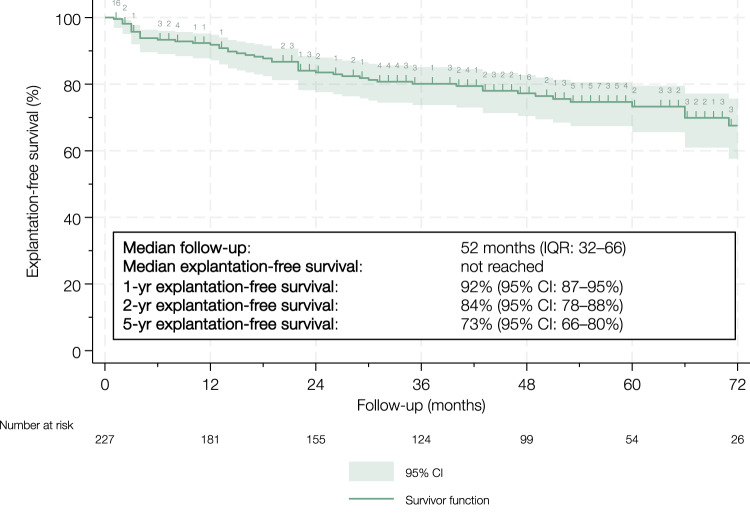 Figure 2
Peer Reviews
No public reviews on file for this paper yet. If you reviewed it on a platform where reviews are public (OpenReview, ICLR, NeurIPS, ICML), you can paste yours below so the community can read it here.
Videos
No videos yet. Explain this paper in a talk, walkthrough, or lecture? Add one.
Taxonomy
TopicsProstate Cancer Diagnosis and Treatment · Urinary Bladder and Prostate Research · Pelvic floor disorders treatments