Diagnostic value of a second-generation super-resolution deep learning–based reconstruction combined with a metal artifact reduction algorithm for pelvic CT
Taku Takaishi, Koichiro Yasaka, Kazuyoshi Miyamoto, Kohei Gotoda, Chiaki Sato, Osamu Abe

TL;DR
Combining a new deep learning reconstruction method with a metal artifact reduction algorithm improves CT image quality for patients with hip implants.
Contribution
A second-generation deep learning reconstruction combined with metal artifact reduction is shown to enhance pelvic CT imaging.
Findings
DLR2 + MAR showed significantly lower standard deviations in attenuation across all regions of interest compared to other methods.
DLR2 + MAR achieved the lowest artifact indices for muscle and fat, though differences with DLR1 + MAR were not significant.
DLR2 + MAR scored higher for depicting the femoral artery and rectum compared to other methods.
Abstract
To evaluate the impact of combining a second-generation super-resolution deep learning–based reconstruction (DLR2) with a metal artifact reduction (MAR) algorithm in CT images of patients with metal hip implants by assessing both quantitative metrics and qualitative reader ratings. This retrospective study included 40 patients (30 females; age range, 54–93 years) with metal hip implants. Images were reconstructed using DLR2, a first-generation DLR (DLR1), and a conventional hybrid iterative reconstruction (HIR), each combined with MAR. Images without MAR were also reconstructed using DLR2 (DLR2-only). Standard deviations (SDs) of attenuation in the regions of interest (ROI) over the bladder, gluteus maximus muscle, and gluteal fat were recorded. Artifact indices for muscle (AImuscle) and fat (AIfat) were also calculated. Three radiologists independently assessed the depiction of pelvic…
Genes, proteins, chemicals, diseases, species, mutations and cell lines named across the full text — each resolved to its canonical identifier and authoritative record.
Click any figure to enlarge with its caption.
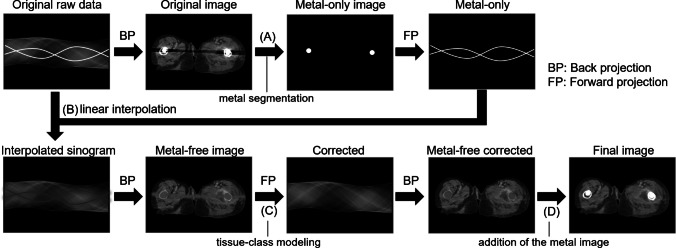 Figure 1
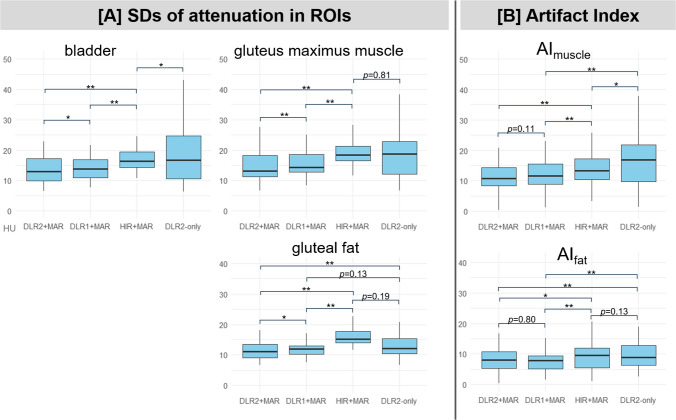 Figure 2
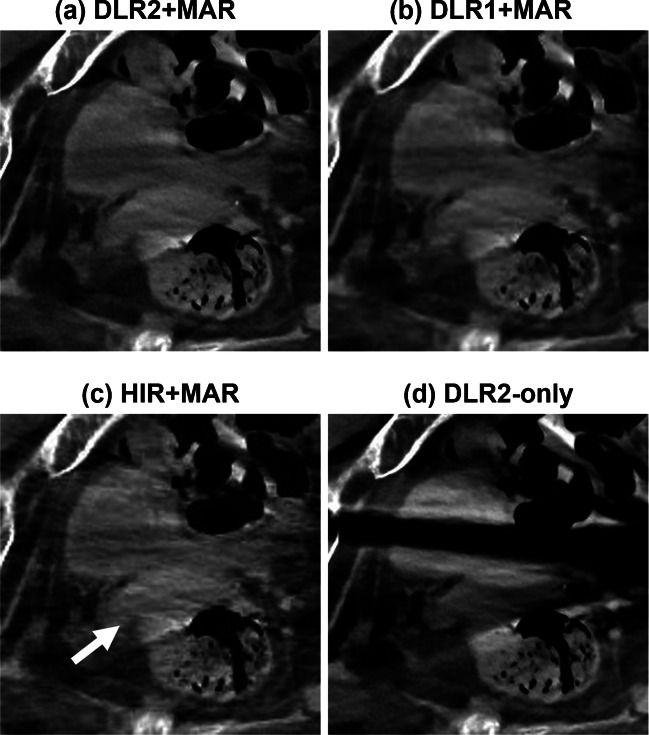 Figure 3
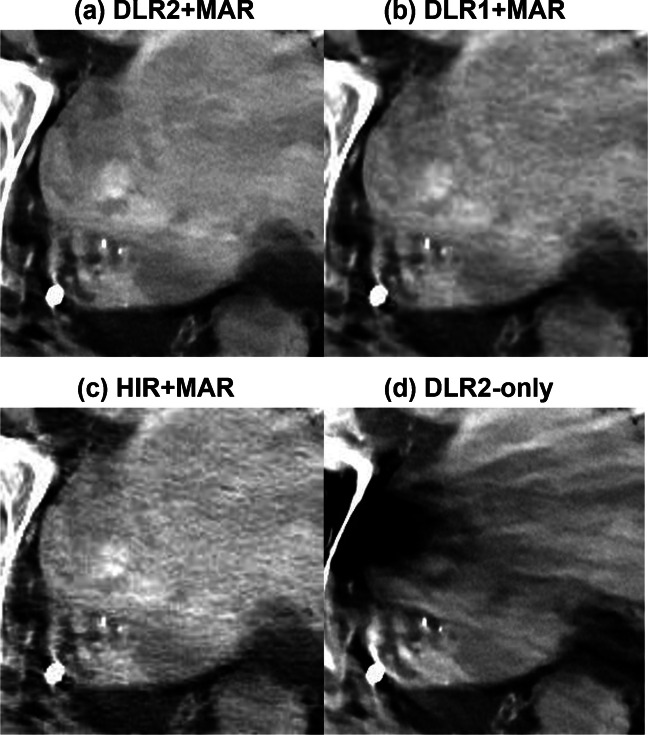 Figure 4
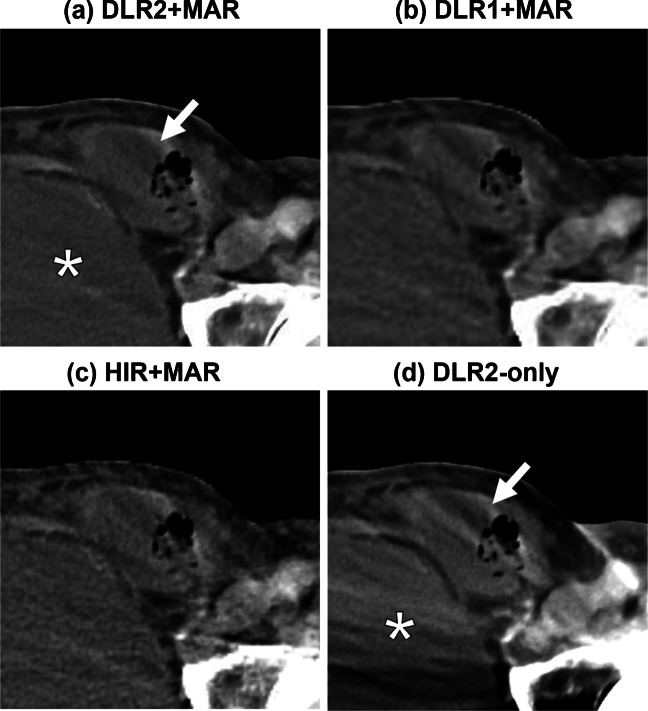 Figure 5
Peer Reviews
No public reviews on file for this paper yet. If you reviewed it on a platform where reviews are public (OpenReview, ICLR, NeurIPS, ICML), you can paste yours below so the community can read it here.
Videos
No videos yet. Explain this paper in a talk, walkthrough, or lecture? Add one.
Taxonomy
TopicsAdvanced X-ray Imaging Techniques · Advanced X-ray and CT Imaging · Radiomics and Machine Learning in Medical Imaging