B-cell epitope mapping and characterization of antibody responses to recombinant PvRipr in malaria-exposed individuals
Isabela Ferreira Soares, Cinthia Magalhães Rodolphi, Ana Luiza Carneiro Alencar, Ada da Silva Matos, Rodrigo Nunes Rodrigues-da-Silva, Barbara de Oliveira Baptista, Rodrigo Medeiros Martorano, Hugo Amorim dos Santos de Souza, Evelyn Kety Pratt Riccio, Jenifer Peixoto de Barros

TL;DR
This study explores the immune response to a P. vivax protein called PvRipr in malaria-exposed individuals and identifies key antibody responses and B-cell epitopes.
Contribution
The study identifies naturally acquired antibody responses and linear B-cell epitopes of PvRipr in P. vivax, a potential vaccine candidate.
Findings
Over 60% of individuals had IgM or IgG antibodies against recombinant PvRipr.
IgG1 and IgG2 subclasses were most frequently detected in seropositive individuals.
Two B-cell epitopes, B-PvRipr(879-888) and B-PvRipr(923-958), showed higher reactivity and correlation with IgG3 antibodies.
Abstract
Malaria caused by P. vivax continues to be a serious public health problem, especially in countries like Brazil where P. vivax accounts for more than 80% of diagnosed cases. Since this plasmodial species is characterized as one of the most difficult to eliminate, the development of a specific vaccine for P. vivax may be an essential tool for effective control of the disease. The protein Ripr has been described in P. falciparum as an essential part of the erythrocyte invasion complex. Given the limited number of P. vivax vaccine antigens currently under investigation, this study aimed to characterize, the naturally acquired humoral immune response to Ripr protein of P. vivax. ELISA assays were performed using plasma samples from individuals naturally exposed to malaria in the Brazilian Amazon in order to determine levels of IgM, IgG and IgG subclasses against PvRipr. In addition, linear…
Genes, proteins, chemicals, diseases, species, mutations and cell lines named across the full text — each resolved to its canonical identifier and authoritative record.
Click any figure to enlarge with its caption.
 Figure 1
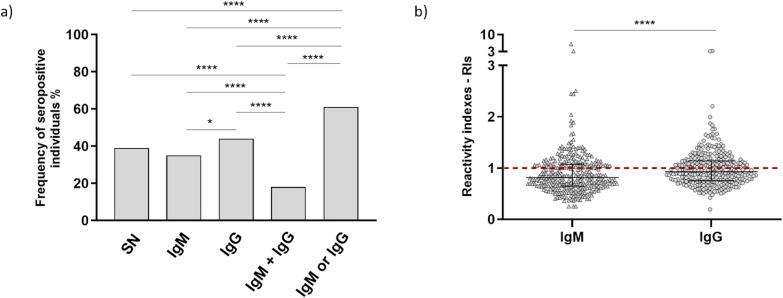 Figure 2
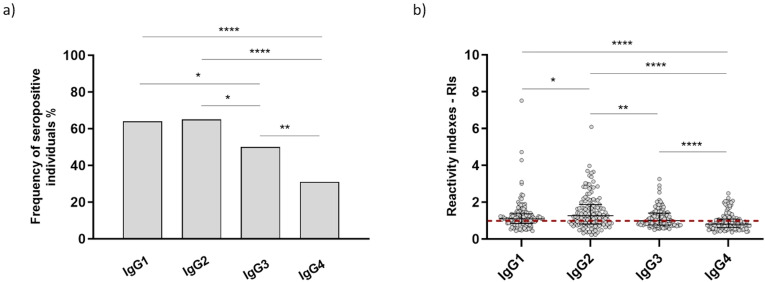 Figure 3
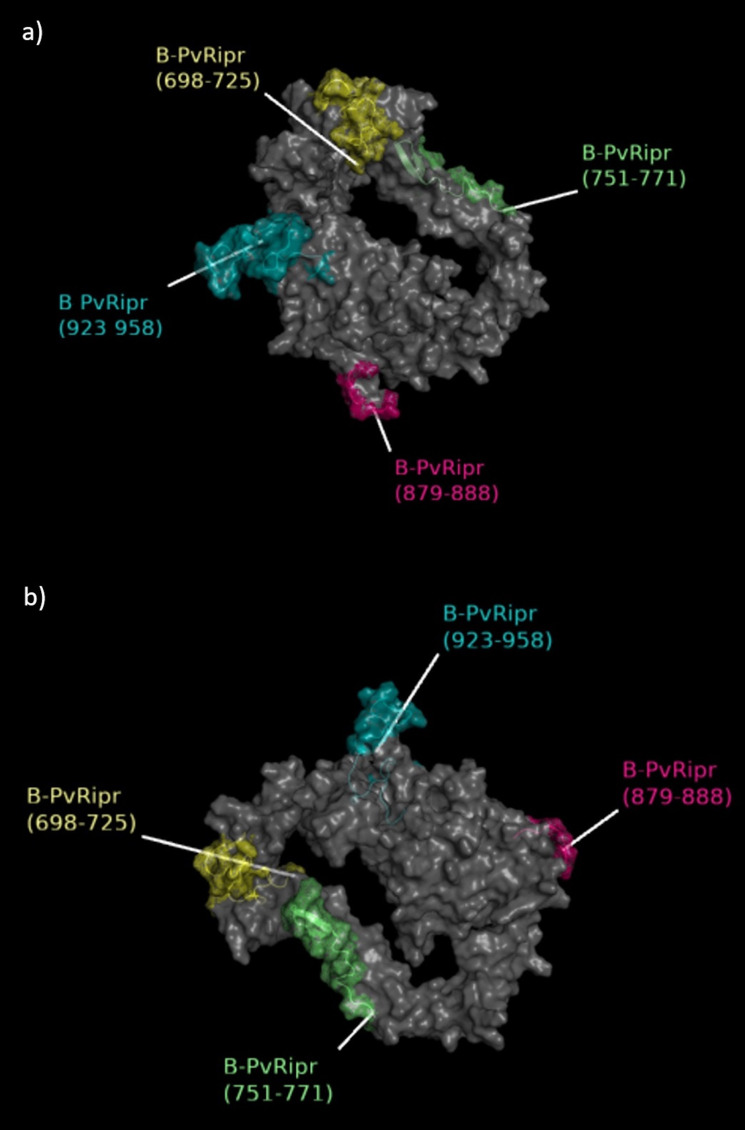 Figure 4
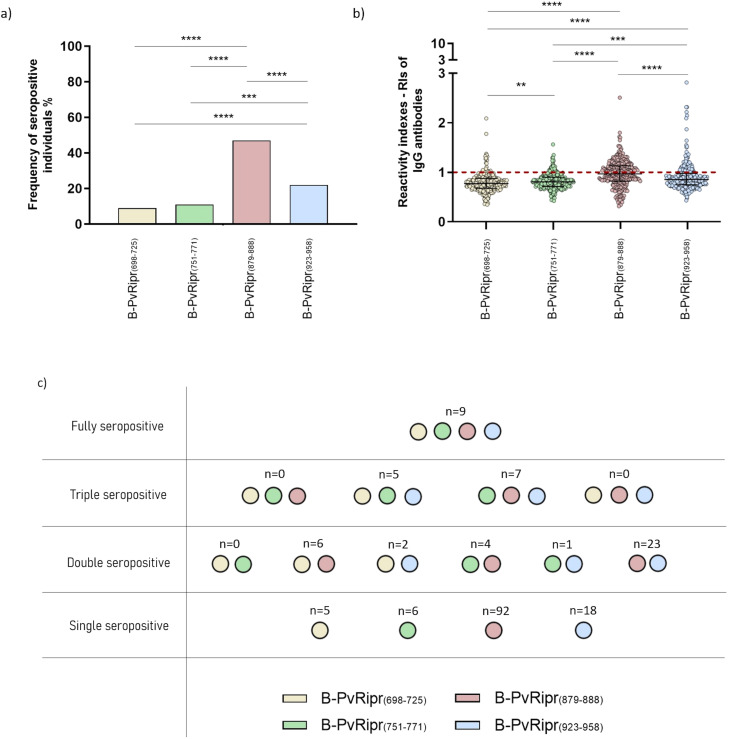 Figure 5
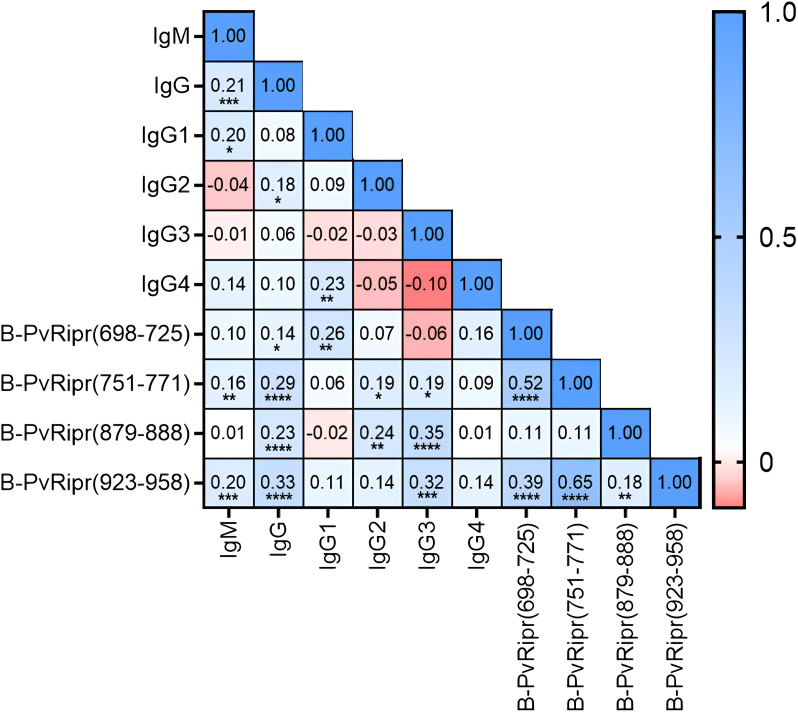 Figure 6
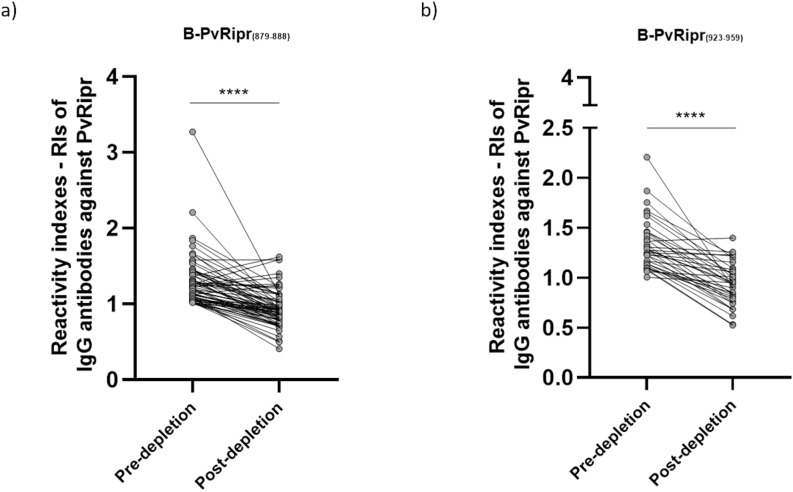 Figure 7
Peer Reviews
No public reviews on file for this paper yet. If you reviewed it on a platform where reviews are public (OpenReview, ICLR, NeurIPS, ICML), you can paste yours below so the community can read it here.
Videos
No videos yet. Explain this paper in a talk, walkthrough, or lecture? Add one.
Taxonomy
TopicsMalaria Research and Control · vaccines and immunoinformatics approaches · Mosquito-borne diseases and control