Comprehensive genomic analysis of multidrug-resistant Pseudomonas aeruginosa isolates from companion animals in Germany
Marwa Bassiouny, Hanka Brangsch, Ivonne Stamm, Peter A. Kopp, Heinrich Neubauer, Lisa D. Sprague

TL;DR
This study analyzed the genomes of multidrug-resistant Pseudomonas aeruginosa from German companion animals, revealing high resistance rates and diverse genetic profiles.
Contribution
The study provides the first comprehensive genomic and antimicrobial resistance analysis of P. aeruginosa isolates from companion animals in Germany.
Findings
97.2% of isolates showed multidrug resistance, with high resistance to cefotaxime, chloramphenicol, and trimethoprim/sulfamethoxazole.
Genome analysis identified multiple AMR genes and virulence factors, including exotoxin A and biofilm-related genes.
27.8% of isolates carried plasmid contigs, and five novel sequence types were discovered among 59 distinct STs.
Abstract
Pseudomonas (P.) aeruginosa is a highly adaptable, opportunistic nosocomial pathogen that poses significant risks to public health and veterinary medicine. This bacterium carries a wide range of antimicrobial resistance (AMR) determinants and produces various virulence factors that enable it to invade hosts and increase disease severity. Recognised as a One Health pathogen, P. aeruginosa can be isolated from multiple sources, including humans, animals, food, and the environment. Despite its importance in clinical settings, there are still limited genomic and epidemiological data on P. aeruginosa isolates from companion animals in Germany. To address this knowledge gap, we conducted whole-genome sequencing (WGS) of 72 P. aeruginosa isolates collected in 2023 from various companion animals, including dogs, cats, horses, and rabbits, across Germany. Phenotypic antibiotic susceptibility…
Genes, proteins, chemicals, diseases, species, mutations and cell lines named across the full text — each resolved to its canonical identifier and authoritative record.
Click any figure to enlarge with its caption.
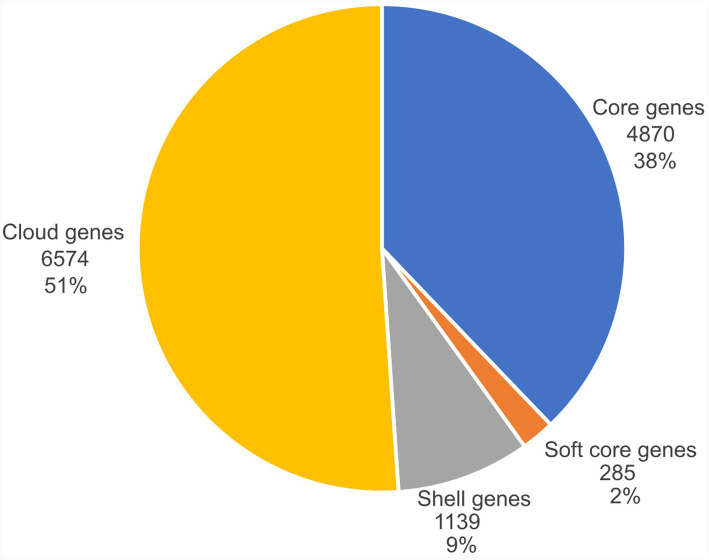 Figure 1
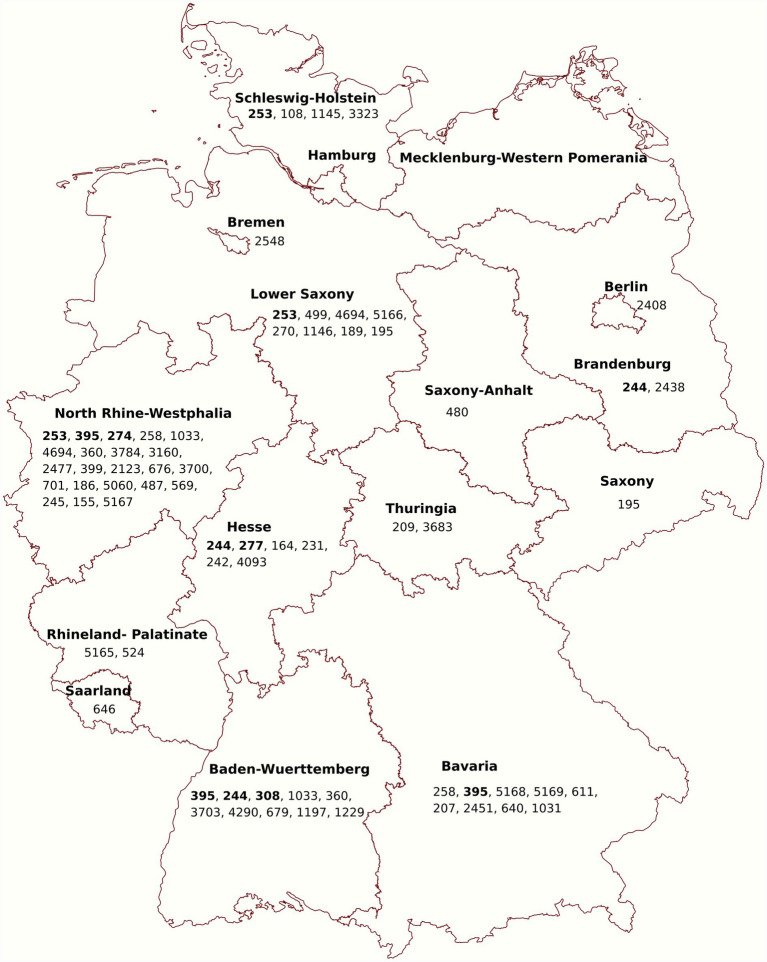 Figure 2
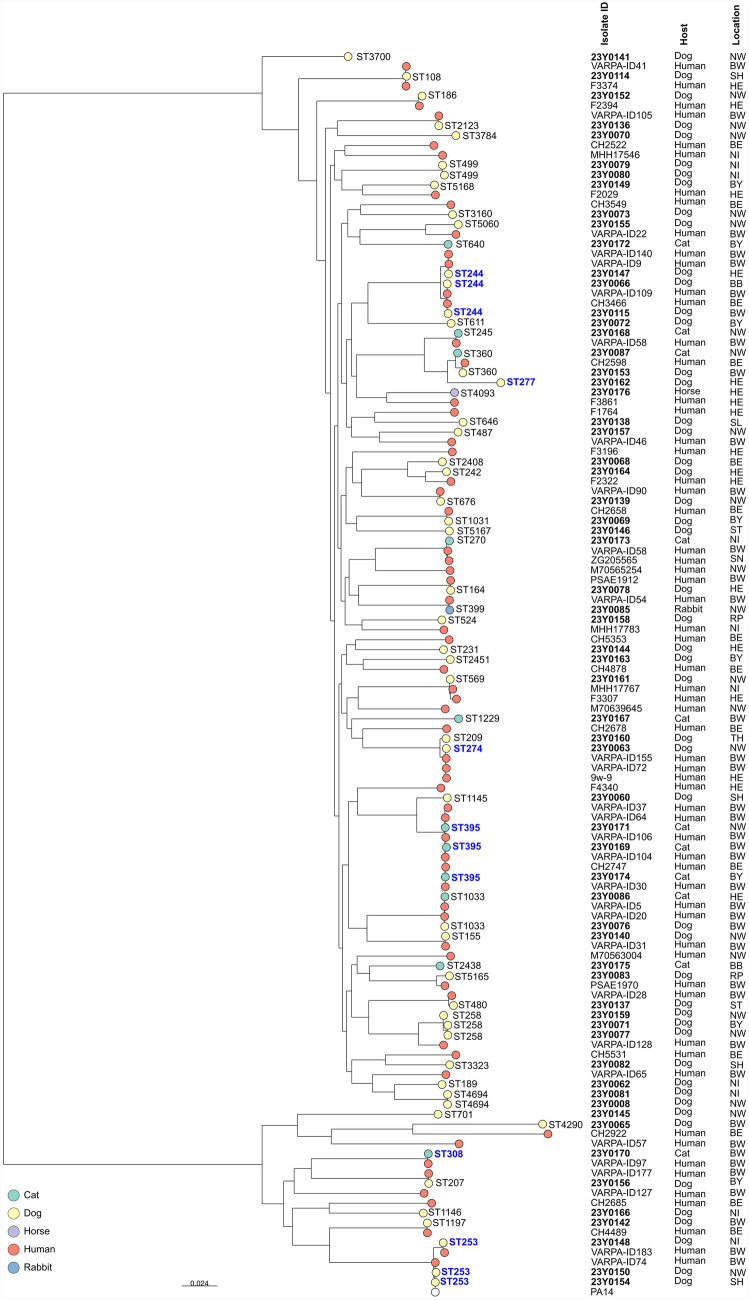 Figure 3
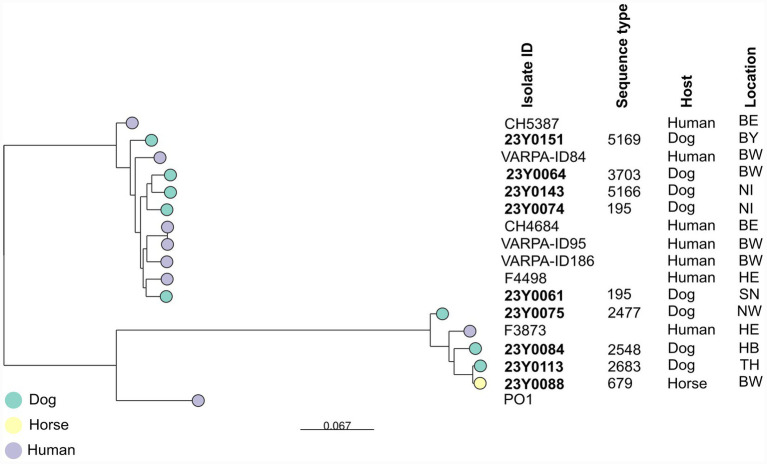 Figure 4
Peer Reviews
No public reviews on file for this paper yet. If you reviewed it on a platform where reviews are public (OpenReview, ICLR, NeurIPS, ICML), you can paste yours below so the community can read it here.
Videos
No videos yet. Explain this paper in a talk, walkthrough, or lecture? Add one.
Taxonomy
TopicsAntibiotic Resistance in Bacteria · Infections and bacterial resistance · Bacterial biofilms and quorum sensing