Therapeutic effects of Lactobacillus rhamnosus, thymol and their combination against neurotoxicity in propionic acid (PA)-induced autistic rats: insights into the role of the Nrf2/HO-1, Wnt3/β-catenin/GSK3β BDNF/p-TrkB/CREB, pI3K/Akt/mTOR, AMPK/SIRT-1, and PERK/CHOP/Bcl-2 pathways
Hoda A. Salem, Nermin I. Rizk, Moustafa H. AbdelSalam, Rehab Ahmed, Hebatallah Husseini Atteia, Ahmed M. E. Hamdan, Areej A. Alghamdi, Manar A. Alghusn, Renad A. Alatawi, Rawan A. Atallah, Maryam M. Alfuhaymani, Hatun A. Alqahtani, Karema Abu-Elfotuh

TL;DR
This study shows that Lactobacillus rhamnosus, thymol, or both can reduce autism-like symptoms in rats by improving brain function and reducing inflammation and stress.
Contribution
The study reveals the combined therapeutic potential of a probiotic and a phytochemical in modulating multiple molecular pathways in autism.
Findings
Treatment improved memory, learning, and attention in autistic rats.
The combination reduced oxidative stress, inflammation, and apoptosis in the brain.
Key pathways like BDNF/p-TrkB/CREB and Nrf2/HO-1 were significantly modulated.
Abstract
Autism spectrum disorder (ASD) is a neurodevelopmental disease characterized by repetitive behaviors and a lack of social communication. The role of probiotics, phytochemicals and their combination phytochemicals as treatment options for ASD is still under study. This study aimed to evaluate the associated molecular pathways and explore the impact of Lactobacillus rhamnosus (L. rhamnosus), thymol (Thy) and their combination on propionic acid (PA)-induced ASD rats. Fifty 3-week-old male albino rat pups were randomly distributed into five groups. The groups included a control group, a PA-induced ASD group, in which PA (250 mg/kg, p.o.) was administered for 3 days, and three other groups that received PA (250 mg/kg, p.o.) for 3 days along with either L. rhamnosus (1 × 10^6 CFU/day, p.o), Thy (30 mg/kg/day, p.o), or both. Brain tissues were collected for biochemical, histological, and…
Genes, proteins, chemicals, diseases, species, mutations and cell lines named across the full text — each resolved to its canonical identifier and authoritative record.
Click any figure to enlarge with its caption.
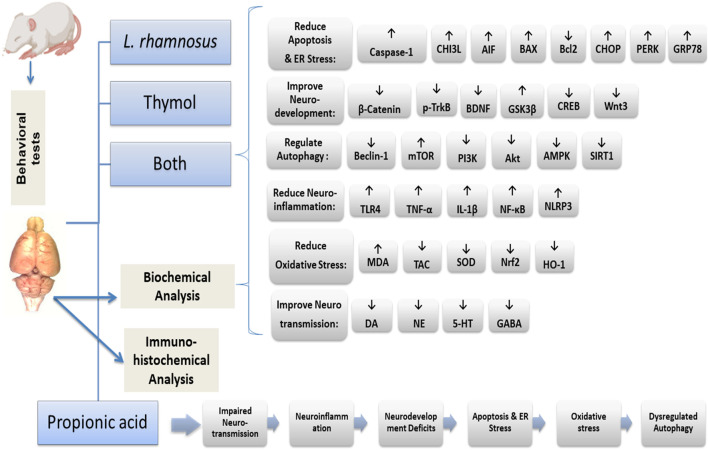 Figure 1
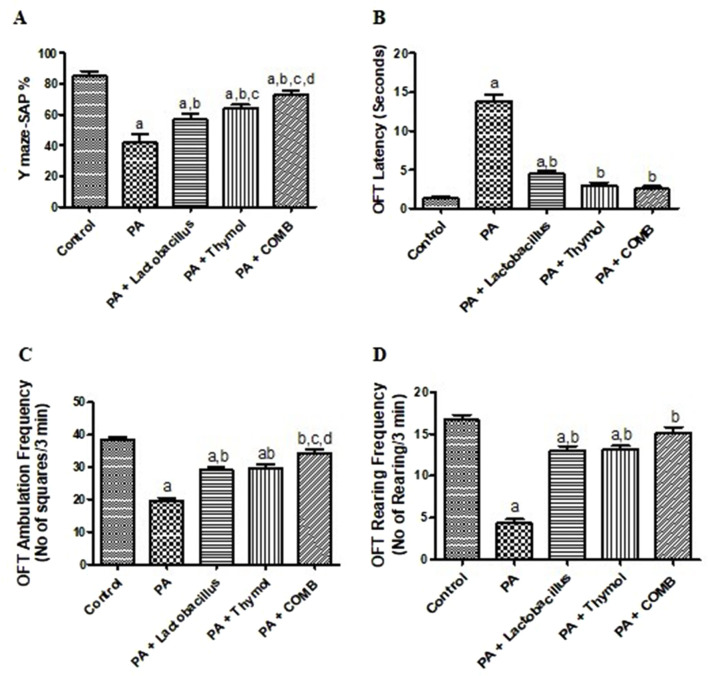 Figure 2
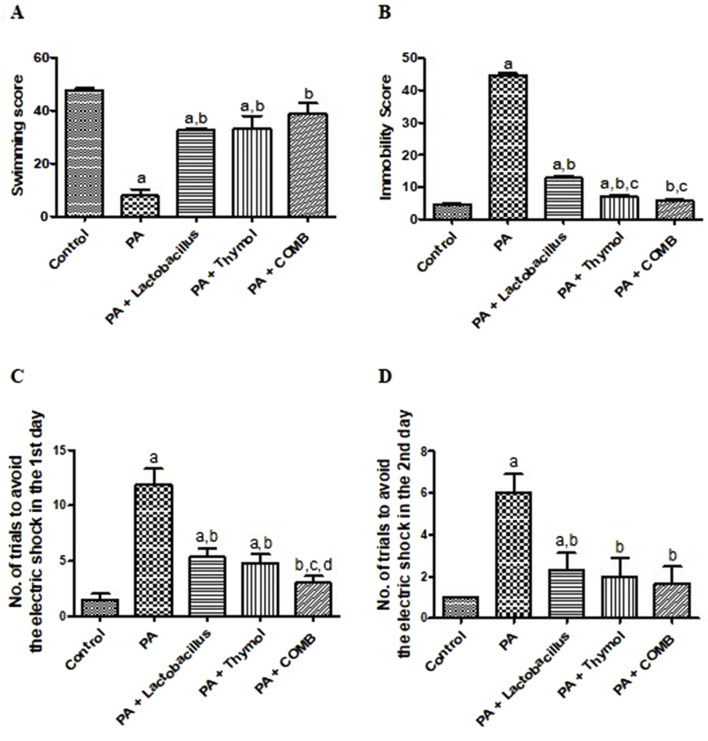 Figure 3
 Figure 4
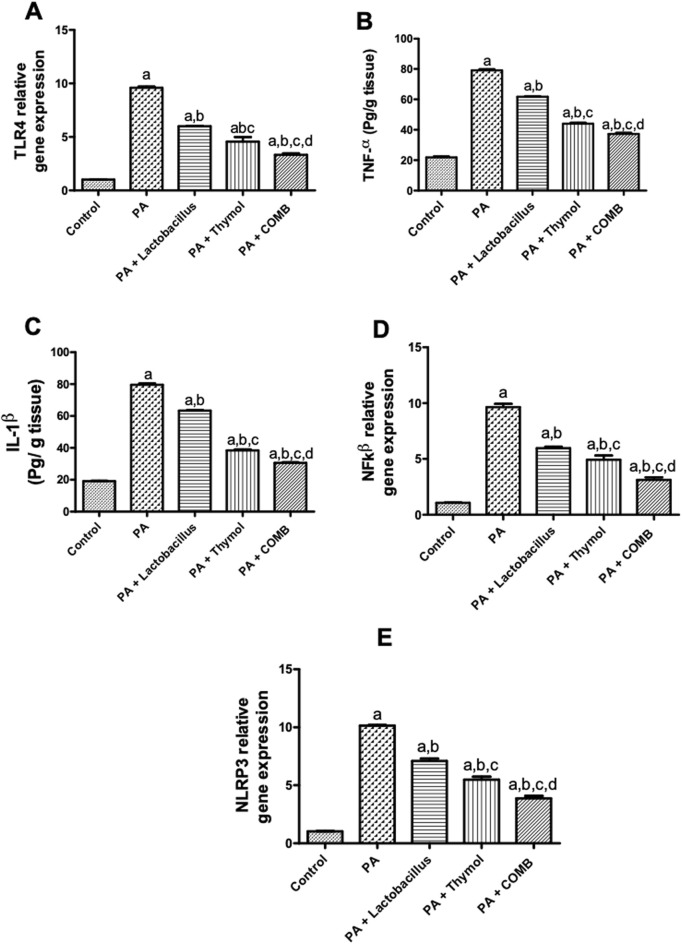 Figure 5
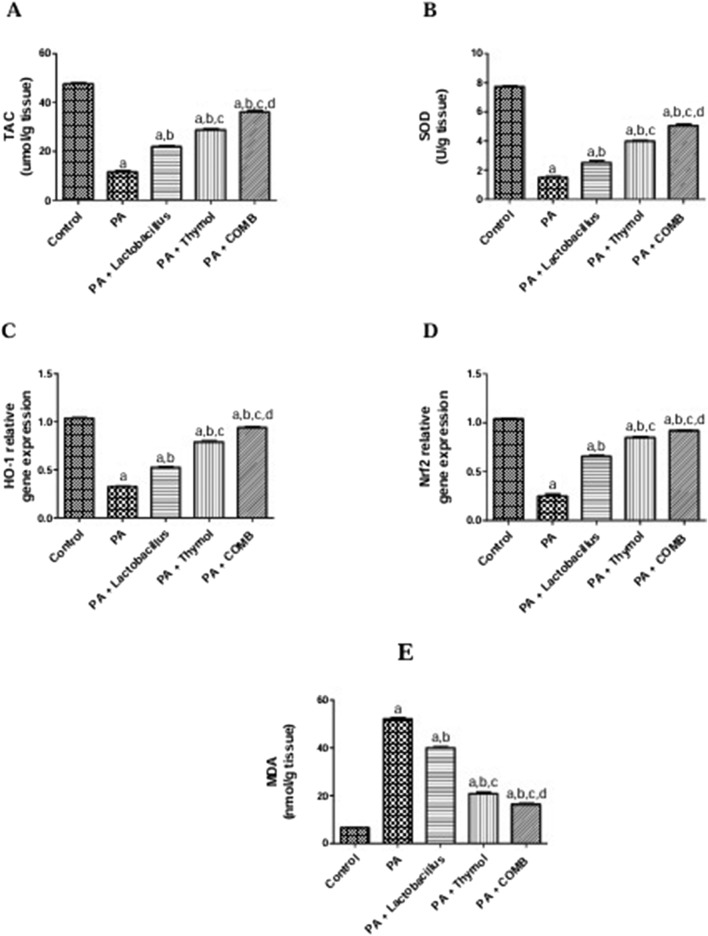 Figure 6
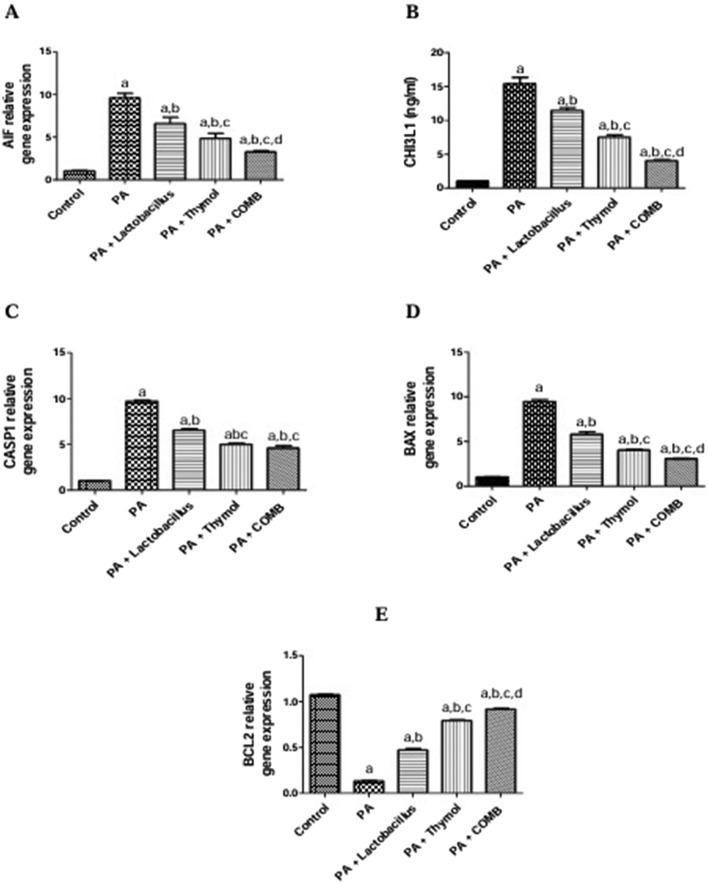 Figure 7
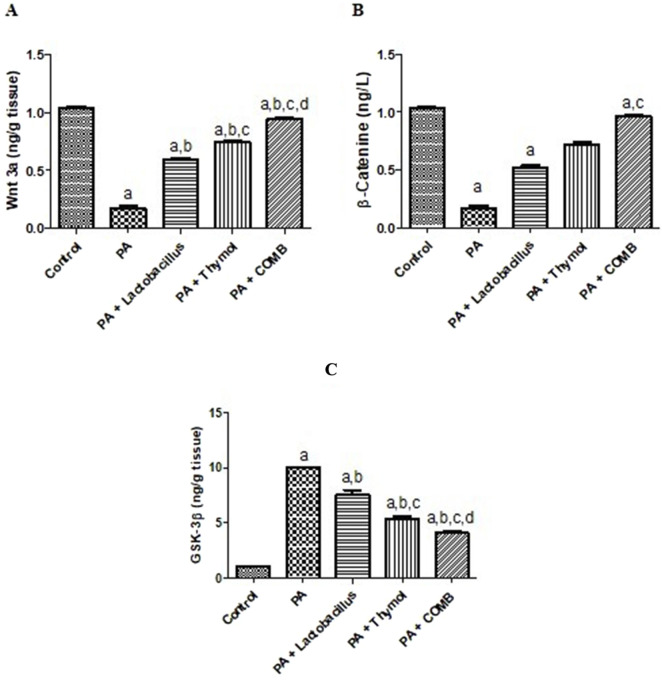 Figure 8
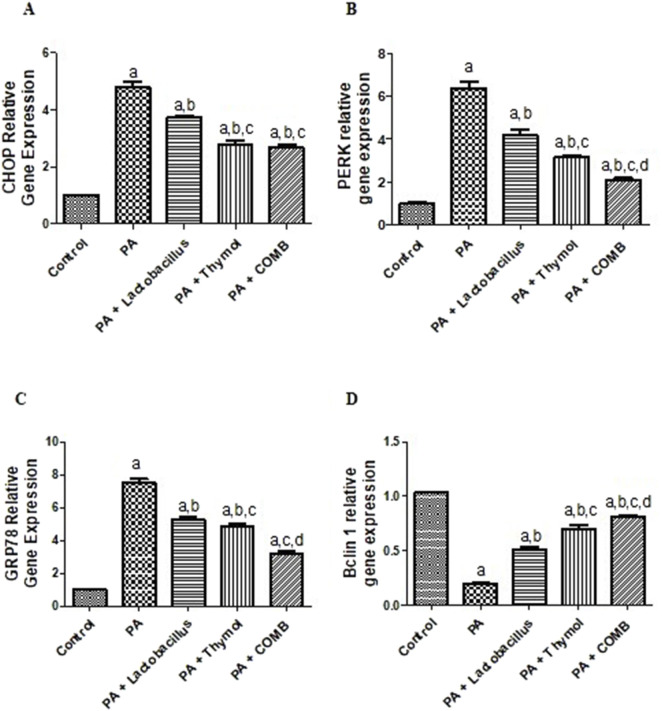 Figure 9
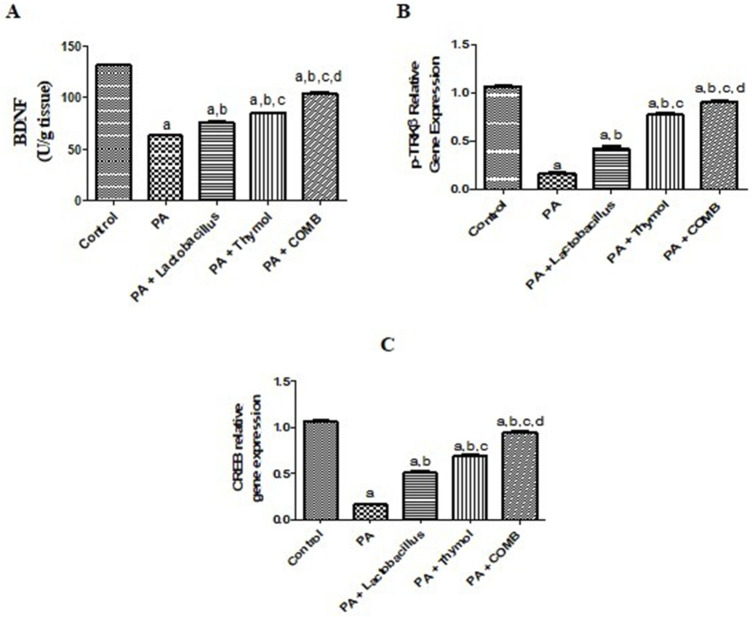 Figure 10
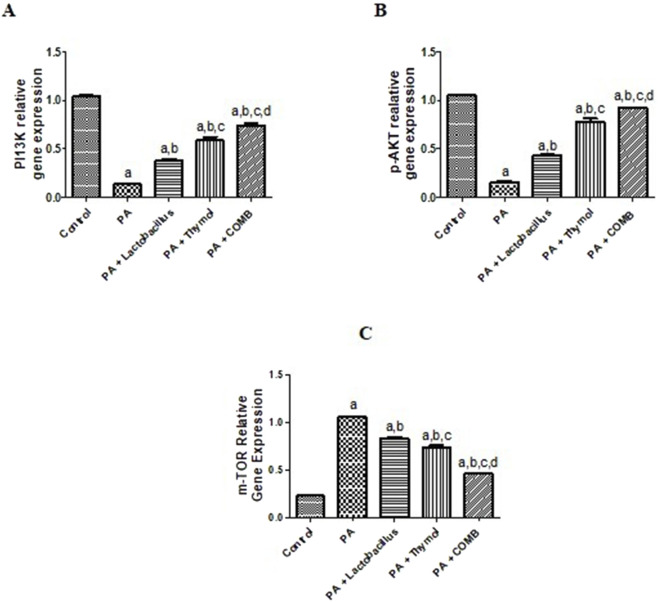 Figure 11
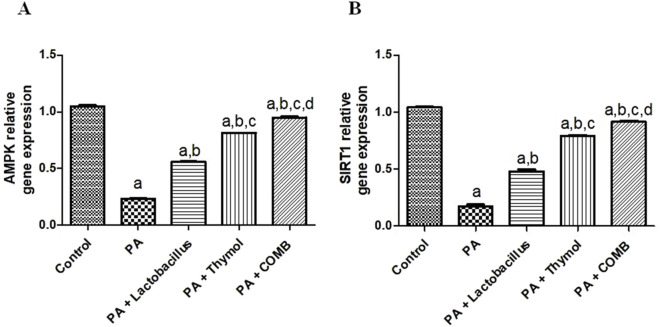 Figure 12
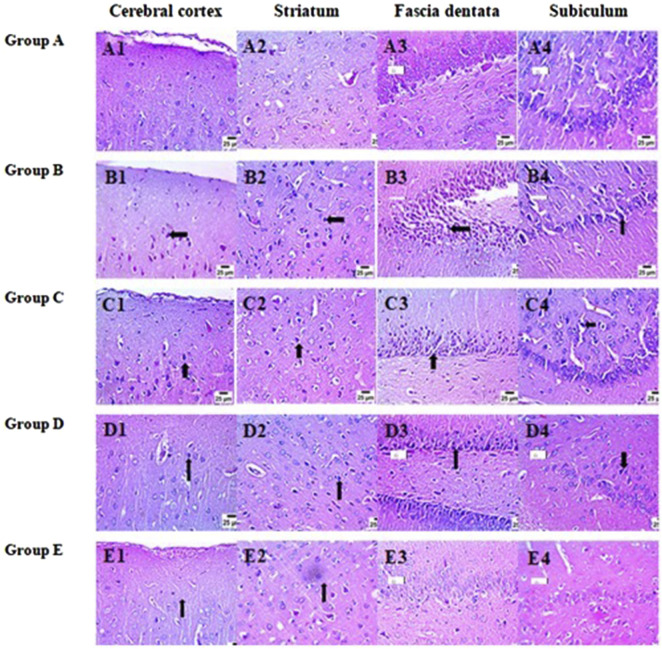 Figure 13
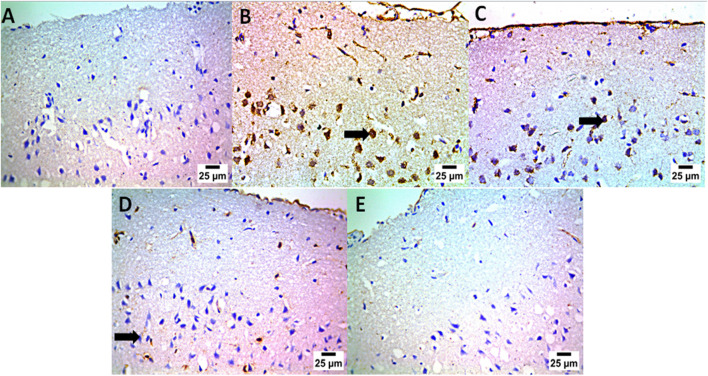 Figure 14
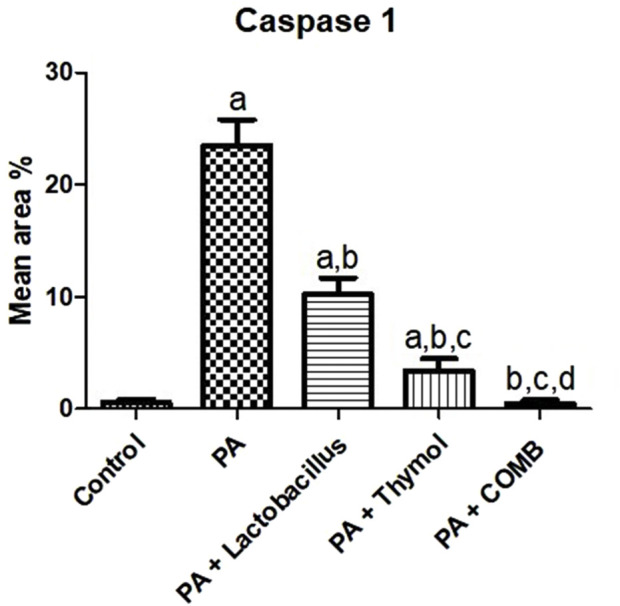 Figure 15
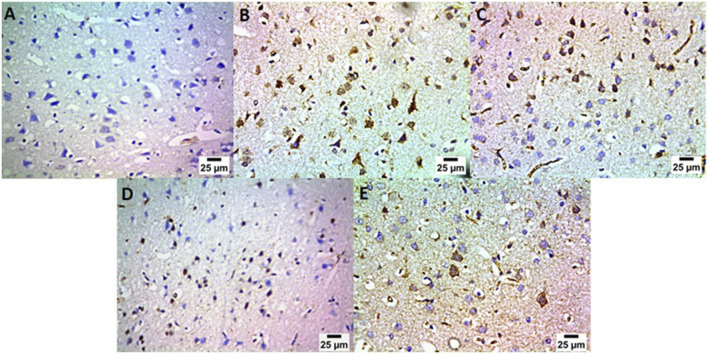 Figure 16
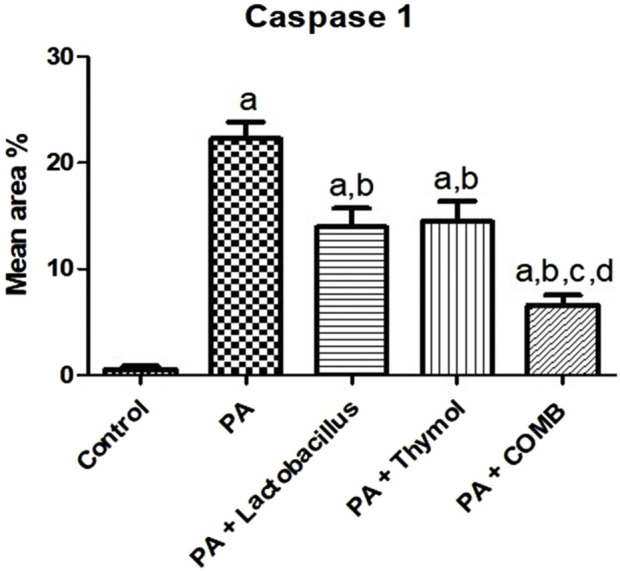 Figure 17
Peer Reviews
No public reviews on file for this paper yet. If you reviewed it on a platform where reviews are public (OpenReview, ICLR, NeurIPS, ICML), you can paste yours below so the community can read it here.
Videos
No videos yet. Explain this paper in a talk, walkthrough, or lecture? Add one.
Taxonomy
TopicsGABA and Rice Research · Polysaccharides and Plant Cell Walls · Phytoestrogen effects and research