The metastasis landscape of Clonorchis sinensis-associated hepatocellular carcinoma: an integrated multi-omics and clinical study
Lingling Zhou, Lin Sun, Xuhang Huang, Junxian Chen, Taijun Huang, Yulong Xu, Xiaorong Luo, Caibiao Wei, Fengfei Liu, Xiaolan Pan, Madanni Dong, Jingyu Su, Weilong Yang, Min Fang

TL;DR
This study explores how Clonorchis sinensis infection worsens liver cancer outcomes by promoting metastasis through genetic and epigenetic changes.
Contribution
The study identifies specific genes and epigenetic mechanisms by which C. sinensis infection promotes HCC metastasis.
Findings
Cs infection is linked to poorer survival and higher metastasis rates in HCC patients.
20 metastasis-related genes, including SPP1, MMP2, and VCAM1, are altered in Cs-associated HCC.
Cs infection enhances HCC cell metastasis in vitro and is associated with chromatin and histone modifications.
Abstract
Hepatocellular carcinoma (HCC) patients with Clonorchis sinensis (Cs) infection tend to exhibit a poorer prognosis compared to those without infection. Nevertheless, the molecular mechanisms underlying Cs-associated HCC, particularly those linked to metastatic progression, remain poorly understood. This study therefore seeks to elucidate the role of C. sinensis infection in promoting metastasis. Through a clinical retrospective analysis, we compared overall survival and metastasis incidence between HCC patients with and without Cs infection. To explore the underlying mechanisms, we conducted integrated multi-omics analyses—including RNA-seq, miRNA-seq, ATAC-seq, WGBS-seq, oxWGBS-seq, and ChIP-seq—to profile 369 metastasis-related genes in Cs+ and Cs- HCC tumors. The expression of three key metastasis-related genes was further validated by RT–qPCR, and Transwell and wound-healing assays…
Genes, proteins, chemicals, diseases, species, mutations and cell lines named across the full text — each resolved to its canonical identifier and authoritative record.
Click any figure to enlarge with its caption.
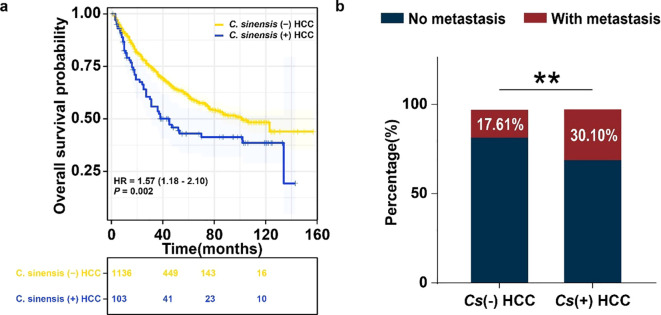 Figure 1
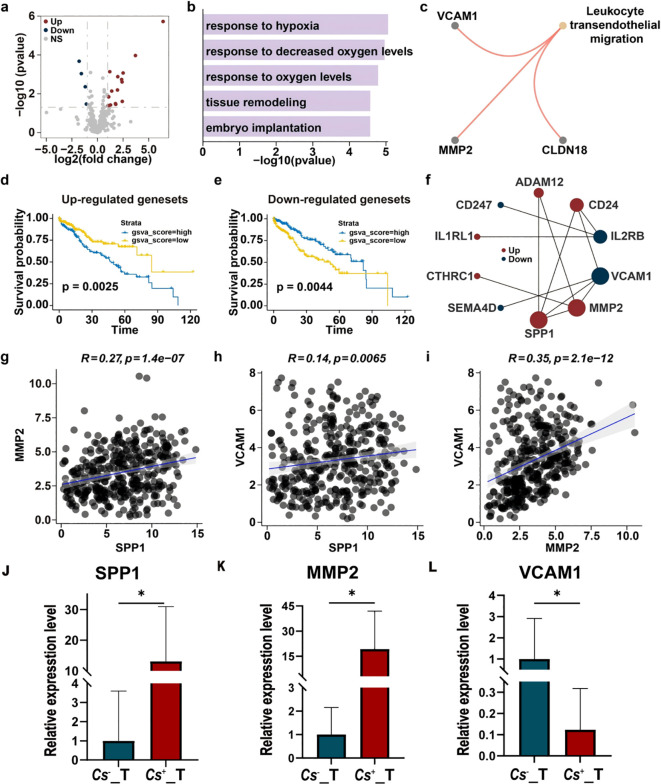 Figure 2
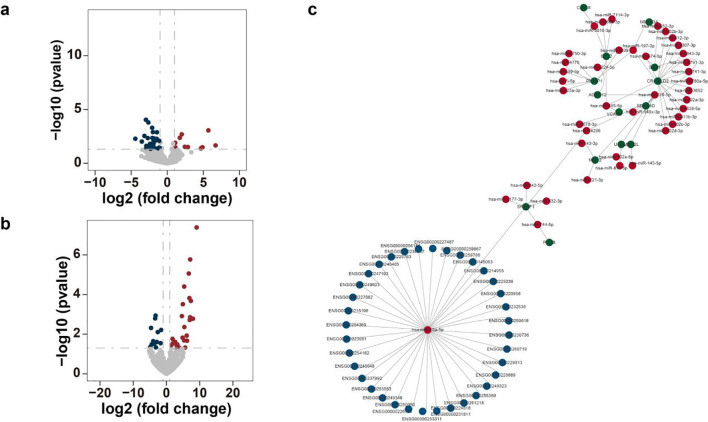 Figure 3
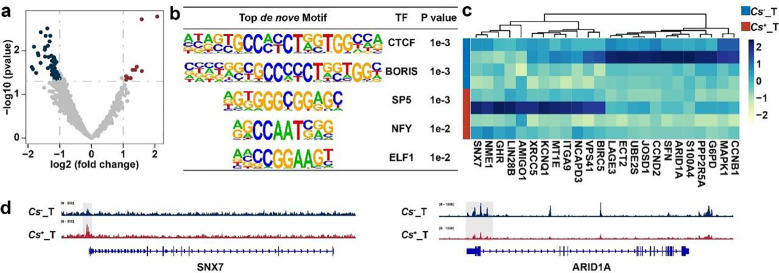 Figure 4
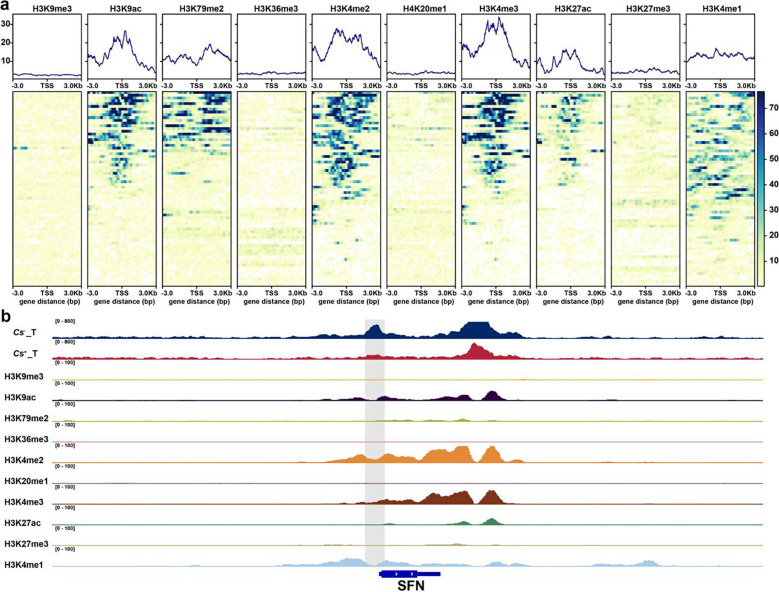 Figure 5
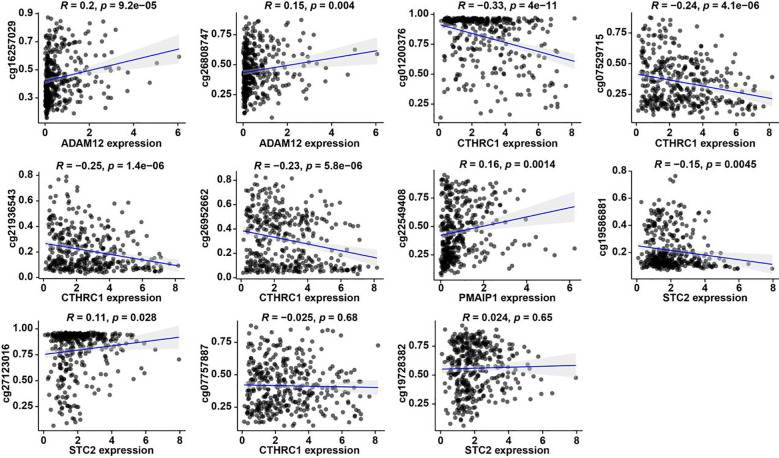 Figure 6
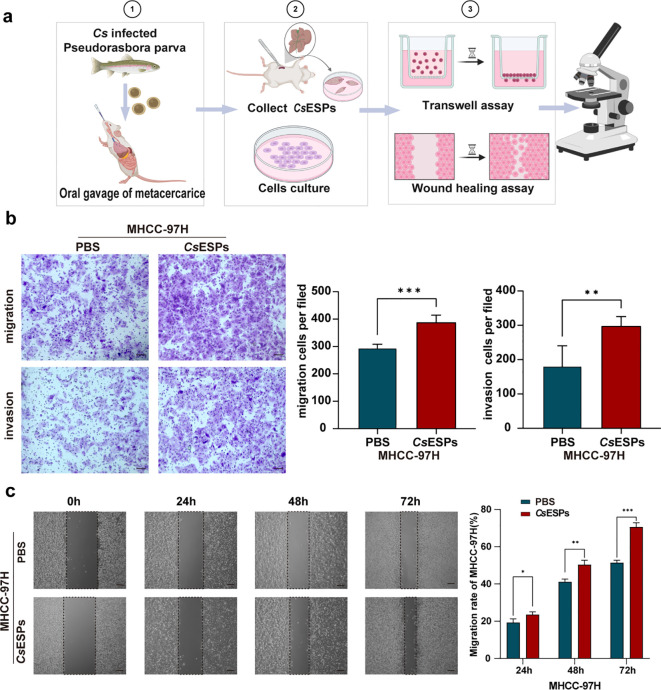 Figure 7
Peer Reviews
No public reviews on file for this paper yet. If you reviewed it on a platform where reviews are public (OpenReview, ICLR, NeurIPS, ICML), you can paste yours below so the community can read it here.
Videos
No videos yet. Explain this paper in a talk, walkthrough, or lecture? Add one.
Taxonomy
TopicsParasites and Host Interactions · Moyamoya disease diagnosis and treatment · Neurological diseases and metabolism