Complex multisource sound induces greater neurodegeneration in neonatal rat brain than single-source sound
İskender Samet Daltaban, Mehmet Dumlu Aydın, Eylem Eren Eyüpoğlu, Elif Demirci, Aybike Aydin Okuyan, Mehmet Emin Demir

TL;DR
Exposing newborn rats to complex sounds from multiple sources causes more brain damage than the same sound from a single source, even at the same volume.
Contribution
This study reveals that sound complexity, not just loudness, significantly increases neurodegeneration in neonatal brains.
Findings
Multi-speaker sound exposure caused more severe brain injury, including subarachnoid hemorrhages and microvascular bleeding.
Neuronal degeneration and apoptosis were significantly higher in the multi-speaker group compared to the single-speaker group.
Complex waveforms led to greater astroglial injury and neuronal loss in the hippocampus and amygdala.
Abstract
Excessive noise exposure is a known environmental health hazard linked to neurological injury and cognitive deficits. Whether complex sound waveforms from multiple sources exacerbate brain damage compared to a single-source noise of equal intensity remains unclear. We investigated the effects of identical music played either through one or four loudspeakers on the developing brain of newborn rats. Forty-one newborn Sprague–Dawley rat pups (both sexes), along with their dams, were randomly assigned to three groups: control (no noise, n = 6), single-speaker exposure (n = 15), and multi-speaker exposure (n = 20). From postnatal day 0 to 30, the exposure groups were subjected to an 8-min music track (~85 dB SPL) either via one loudspeaker (simple waveform) or simultaneously via four loudspeakers (complex interfering waveform), six times daily at 4-h intervals. Sound intensity was…
Genes, proteins, chemicals, diseases, species, mutations and cell lines named across the full text — each resolved to its canonical identifier and authoritative record.
Click any figure to enlarge with its caption.
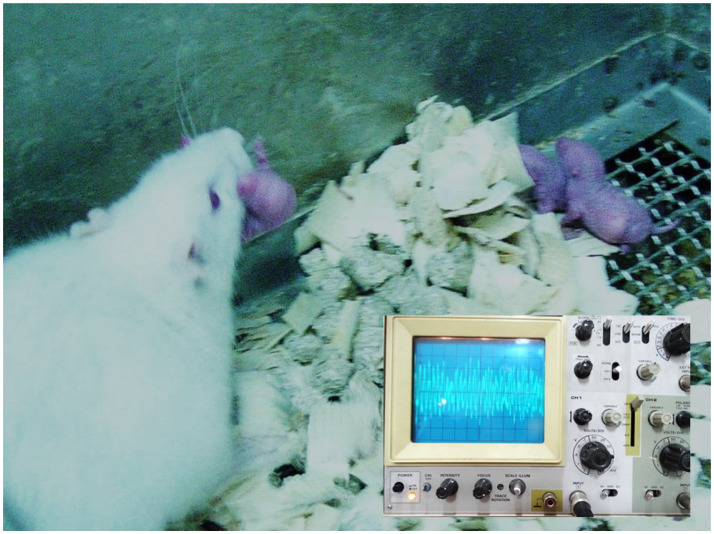 Figure 1
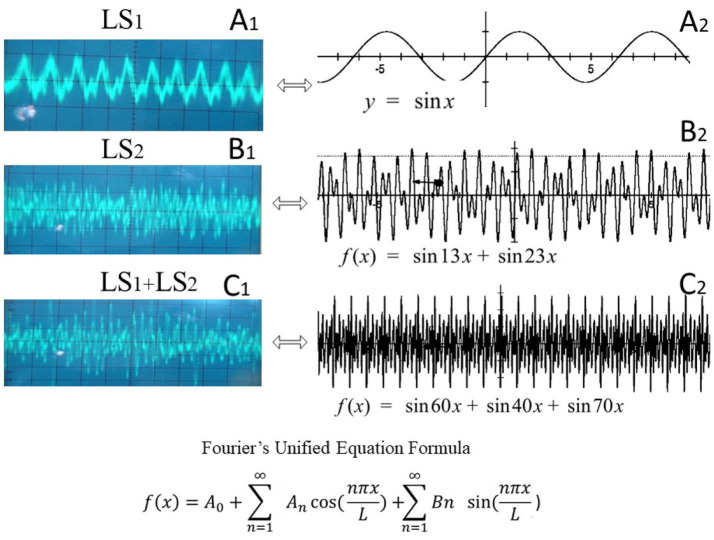 Figure 2
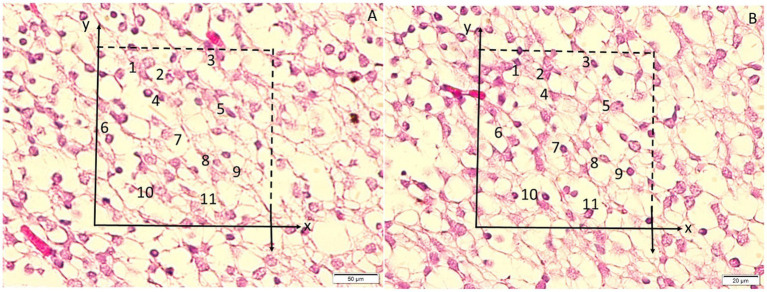 Figure 3
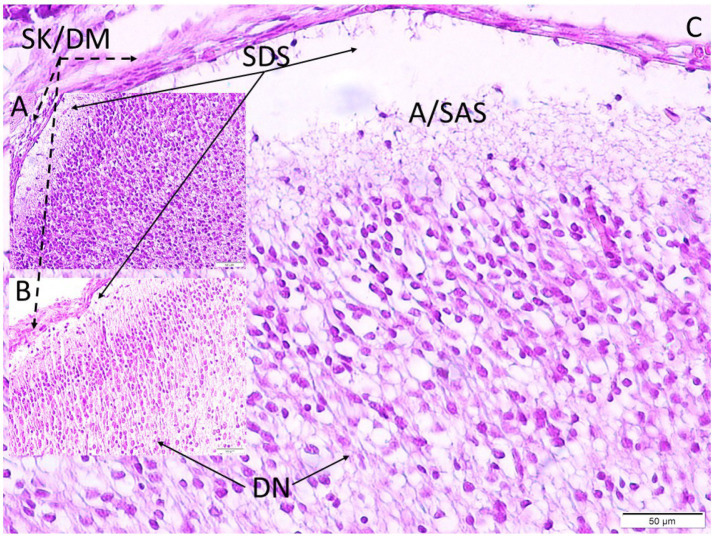 Figure 4
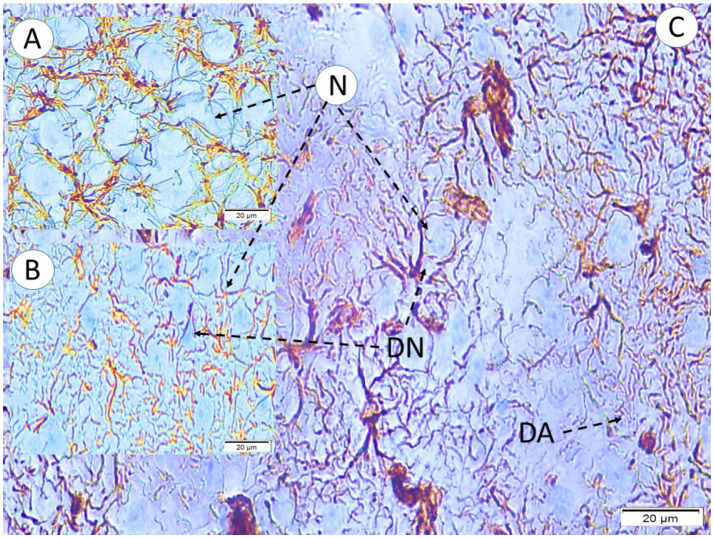 Figure 5
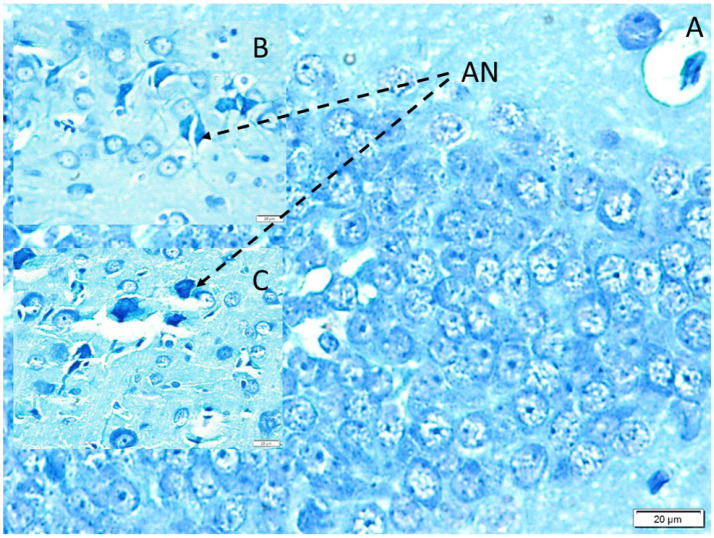 Figure 6
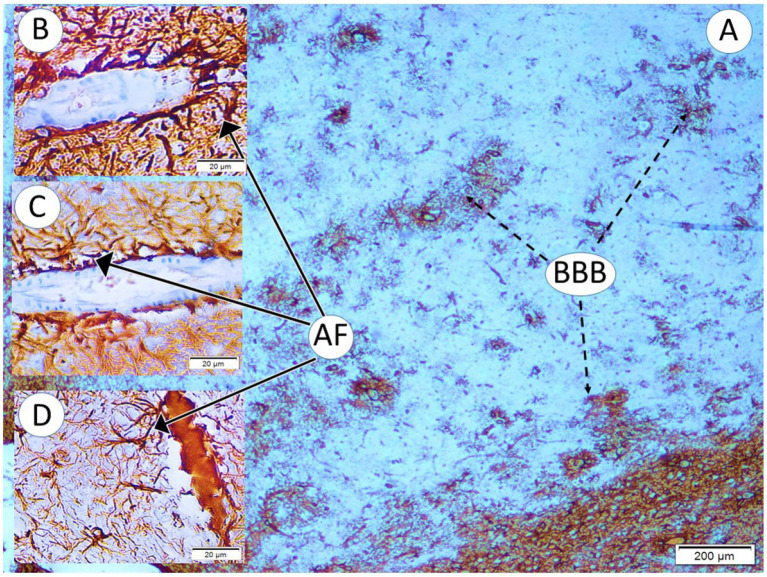 Figure 7
Peer Reviews
No public reviews on file for this paper yet. If you reviewed it on a platform where reviews are public (OpenReview, ICLR, NeurIPS, ICML), you can paste yours below so the community can read it here.
Videos
No videos yet. Explain this paper in a talk, walkthrough, or lecture? Add one.
Taxonomy
TopicsNoise Effects and Management · Hearing, Cochlea, Tinnitus, Genetics · Infant Development and Preterm Care